



Center for Life Detection (CLD)
A NASA Ames Research Center – NASA Goddard Space Flight Center Collaboration
In response to the development of upcoming spaceflight missions to seek out evidence for life within and beyond the solar system, recent strategy documents have recently recommended that NASA should support the community in developing a comprehensive framework biosignature assessment—including the potential for abiosignatures, false positives, and false negatives—to guide testing and evaluation of in situ and remote biosignatures. The Center of Life Detection is designed to advance NASA’s readiness to pursue these endeavors through a combination of basic research and development of web-based tools that help integrate astrobiological expertise in all stages of spacecraft mission development. The Center for Life Detection supports planning and implementation of life detection missions by:
- Conducting research on habitability and detectability to help inform target/sample selection and measurement strategies/requirements in future life detection missions;
- Developing tools and engagement activities that enable members of the astrobiology community to formulate and infuse their knowledge, research, and expertise in life detection mission formulation;
- Supporting the instrument development community in mapping existing and emerging measurement technology to life detection science objectives to establish science traceability and identify technology development needs.
The Center for Life Detection is currently supported by NASA’s Planetary Science Division through an Internal Science Funding Model (ISFM).
Research
The last few decades of exploration have revealed multiple worlds within and beyond our solar system that are considered potentially habitable by virtue of the presence of liquid water, and mission concepts to seek evidence of life on these worlds are being developed. To inform these concepts, it is essential to assess detectability – the extent to which life, if present, would express itself in characteristic, observable features. As Earth vividly illustrates, the abundance distribution of life and its products ranges over many orders of magnitude, as a function of multiple environmental and ecological factors. Similar variability can be expected both within and among inhabited worlds beyond Earth, if any exist, and understanding it can inform target selection, observing strategies, and measurement requirements for missions that seek evidence of life. The objective of CLD research is to develop a framework that constrains detectability as a function of spacecraft and/or telescope observables, with applications to Mars, ocean worlds, and exoplanets.
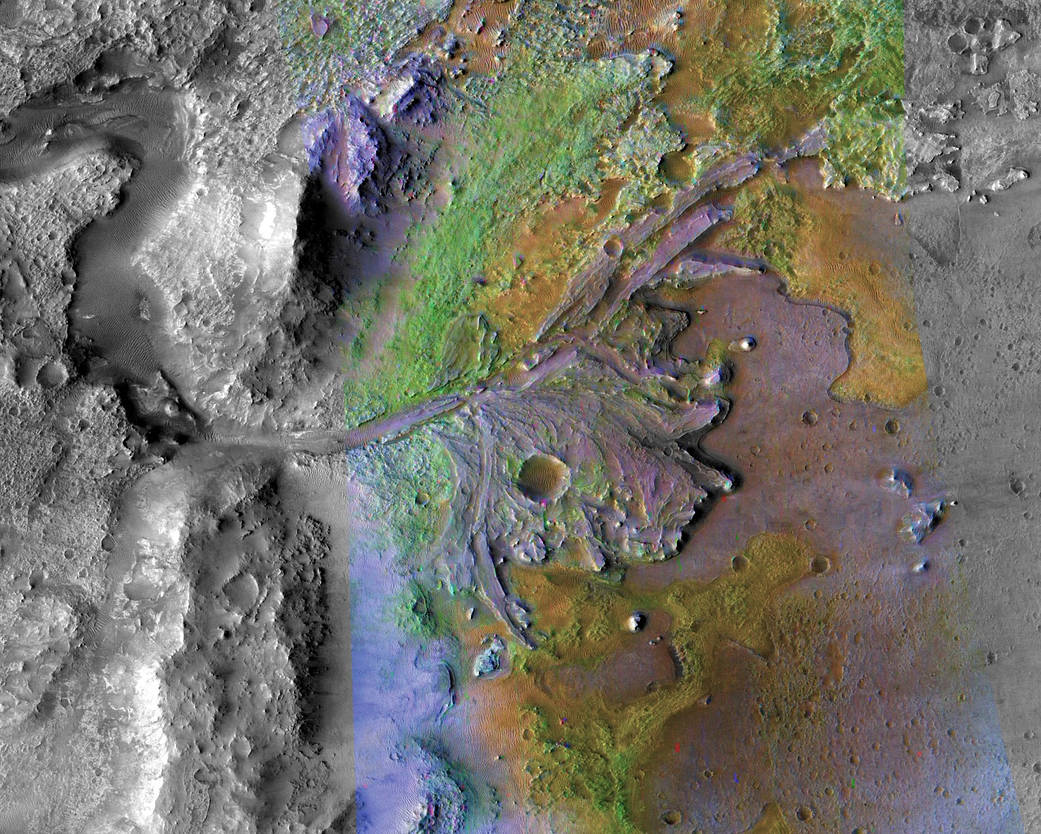


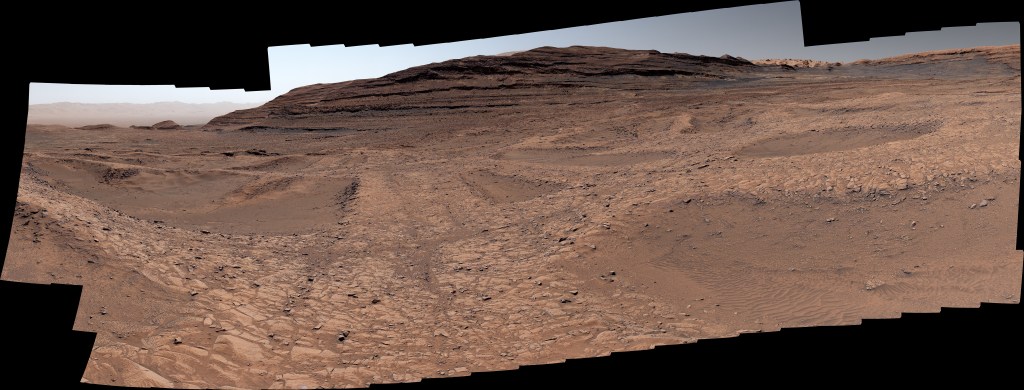
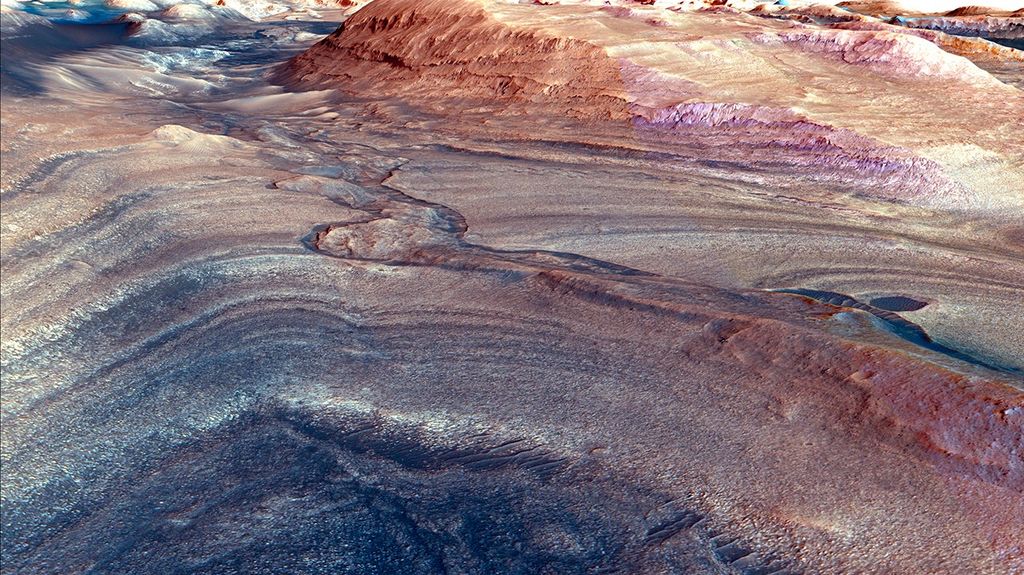
We investigate the role of environmental factors in modulating biological potential – the abundance and productivity of life, including the production of diagnostic features, that could be supported in a given system, and biosignature potential, the extent to which a given system will express observable evidence of life based on preservation, degradation, or modification of biologically produced materials. We combine insights and methodology from these complementary lines of investigation to assess biological and biosignature potential in ancient Mars surface environments as constrained by in situ mineralogy data from the Mars Science Laboratory mission.
This research is responsive to a recommendation in the National Academies Consensus Report on Astrobiology Strategy: “Detectability: NASA should support expanding biosignature research to address gaps in understanding biosignature preservation and the breadth of possible false positives and false negative signatures”.
The Life Detection Forum Project
The astrobiology knowledge that will be required for life detection mission concept development and science definition is diverse, often taking forms that do not map clearly to mission design, and diffuse, or spread across many disciplines and a wide-ranging literature. The Life Detection Forum (LDF) project seeks to develop a ‘living’, community-driven suite of tools to centralize the requisite body of knowledge and organize it in a way that streamlines its use in program planning, mission concept development, and interpretation of findings. CLD has engaged a diverse range of science and technology experts in the definition and usage of this tool, to harness valuable expertise that is not well represented in the traditional sphere of space science.
The LDF is being built as a web-based platform that can be populated and updated by a broad user base, in order to track the evolving state of knowledge regarding life detection science and technology.
The core module of the system, released in early 2021, is the Life Detection Knowledge Base (LDKB). LDKB is a system for organizing user-provided knowledge about objects, patterns, or processes that might serve as evidence for life according to its bearing on the potential for false positive or false negative results. A technology-oriented counterpart to LDKB, the Measurement Technology Module (MTM) is being designed to house user-contributed information regarding current and emerging technologies that could be used to support life detection objectives. It links LDKB biosignatures with potential detection technologies. The Science Traceability Tool (STT), the third tool of the LDF, is intended to guide users in preliminary science traceability definition.
When combined, the LDF provides a basis for establishing science traceability and identifying technology development needs.
Life Detection Knowledge Base
The core of the Life Detection Forum framework is the Life Detection Knowledge Base (LDKB), a community owned resource to provide knowledge and support discourse about the detection of signs of life. These biosignatures, or substances, structures, patterns, or processes, indicate the current or former presence of life. Potential biosignatures are presented in the LDKB according to arguments that support or contradict the value of a given biosignature as a sign of life, organized according to specific criteria, and supported by evidence drawn from scientific literature.
Learn More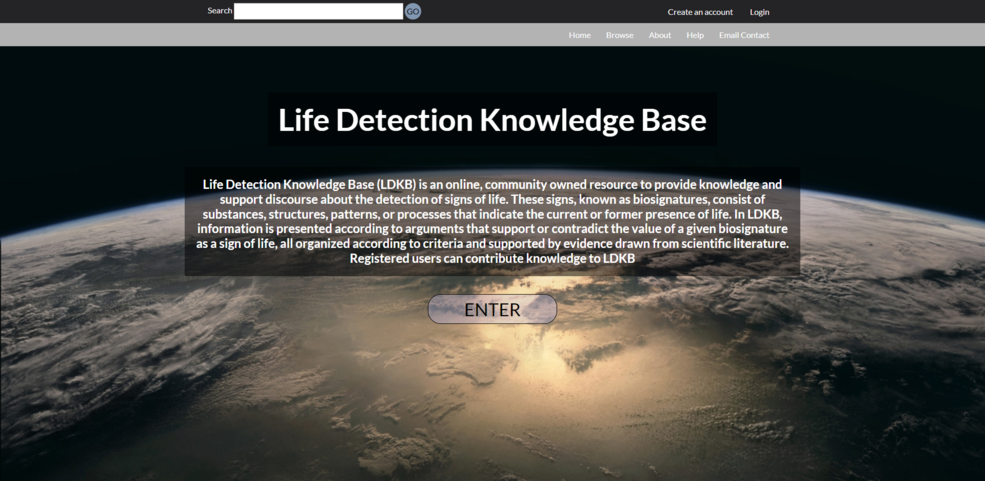
CLD-led Workshops
CLD has sought extensive community involvement in the development of LDF tools and in the seeding of content in the LDKB, through a series of workshops and hands-on community engagement activities. A brief timeline of CLD’s community input activities is below.
2025
Exploring the Abiotic Background for Life Detection Workshop (Spring 2025)
- Assessed the current understanding of the “abiotic background” in ocean worlds
- Identified risks and opportunities for future cross-disciplinary community input
2022
Life Detection Science and Technology Workshop (Spring 2022)
- Brought together scientists and technologists to discuss high-priority approaches to life-detection, define measurement requirements, and identify corresponding measurement technology gaps
2021
Standards of Evidence for Life Detection Community Workshop (Summer 2021)
- Discussed the process needed to increase scientific confidence in biosignature detections, and how to best convey this continuum of confidence to a broader audience.
LDKB Content Development Groups (Spring-Fall 2021)
- CLD-facilitated, community-based user groups (>100 participants)
- Content provision in specified biosignature theme areas, beta testing of LDKB, building, and training user base
The Life Detection Knowledge Base (January 2021)
- Rollout of LDKB at a community workshop of >150 participants
2020
Criteria for Life Detection Measurements (Fall 2020)
- Two community workshops, >60 participants
- Established/vetted the evaluative organizing basis for LDKB
2019
Introduction to the Life Detection Forum Project (Spring 2019)
- Special session with approximately 130 participants at the 2019 Astrobiology Science Conference
- Introduction to the LDF concept and a basic framework, with feedback from the community
Featured Publications
LDKB Two-Part Collection
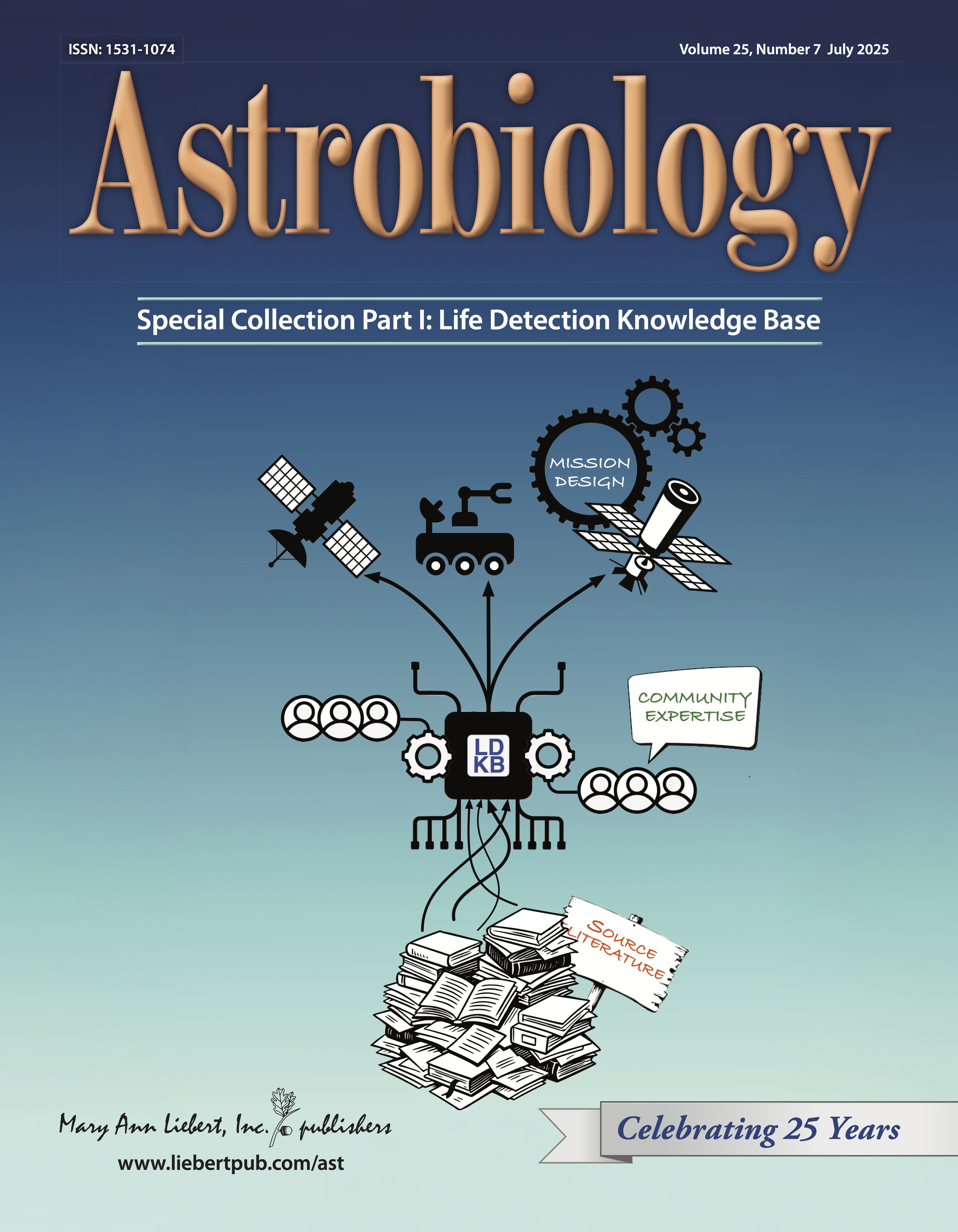
The concept of the LDKB as a community effort which streamlines the integration of astrobiology knowledge into the development of life detection mission concepts is illustrated on the cover of Astrobiology Journal’s July 2025 issue. In this two-part special collection on the LDKB, eight papers detail the LDKB’s structure, community involvement, criteria for categorizing arguments as true positive life detection results, and example cases of potential biosignature entries. The collection educates the community on the webtool and invites participation.
Read here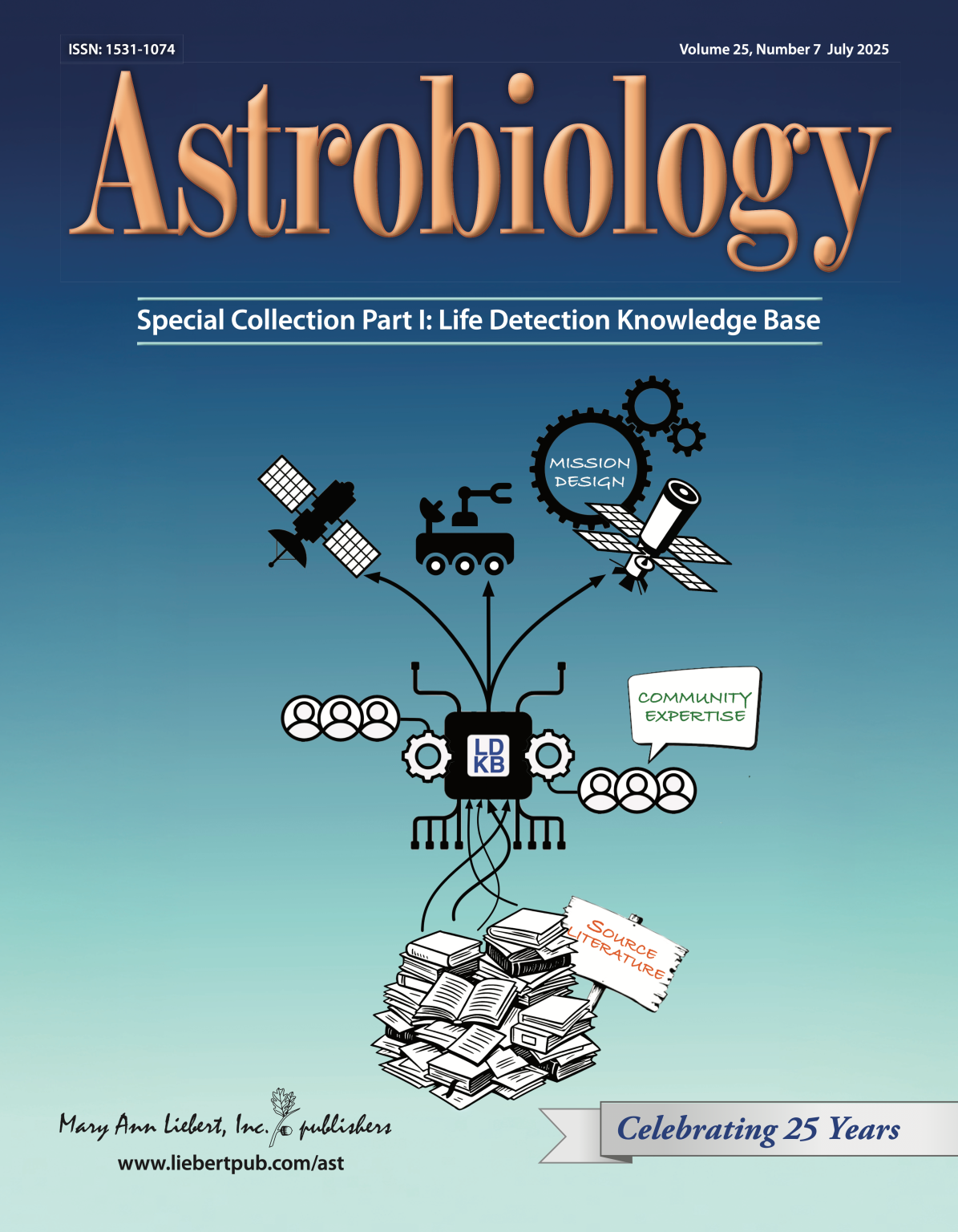
Team Members
CLD is a collaboration leveraging the expertise of scientists and technologists from NASA’s Ames Research Center and NASA Goddard Space Flight Center.