










NASA TechRise Student Challenge
This nationwide contest invites students in sixth through 12th grades attending U.S. public, private, or charter schools — including those in U.S. territories — to team up with their schoolmates to design an experiment under the guidance of an educator. Teams submit ideas for experiments to fly on a NASA-sponsored suborbital commercial flight test. Competition winners receive $1,500 and mentorship to build their payloads. No experience is necessary to join the NASA TechRise Challenge.
See below to learn more about the winners announced Jan. 20, 2026.
challenge status
2025–2026 winners announced
Flight Test Platforms
High-altitude balloon and suborbital spacecraft
number of students
370+
states/territories
52
2025-2026 Winners Announced | Bringing Experiments to the Launchpad | Developing a Nationwide Workforce | More about TechRise
NASA Selects Winners for the 2025-2026 TechRise
On Jan. 20, NASA announced 60 winning teams for its fifth TechRise Student Challenge. Each team will work together to turn their proposed science and technology experiments into reality ahead of NASA-sponsored flight tests in summer 2026. Their experiments will fly on a Suborbital-Spaceship operated by Virgin Galactic of Tustin, California or a high-altitude balloon operated by World View Enterprises of Tucson, Arizona.
After the challenge opened for submissions on Sept. 4, 2025, NASA received the highest number of entries representing the greatest geographic participation within a single year for TechRise. The winning teams include more than 370 students representing 52 states and territories. Students will use sensors and various types of hardware to gather data in stratospheric and microgravity environments to address a wide variety of challenges. They will study radiation, the behavior of electricity and magnetism, how dust/particles interact, the presence of volatile organic compounds, and more.
See the complete list of winning teams.
Bringing Experiments to the Launchpad
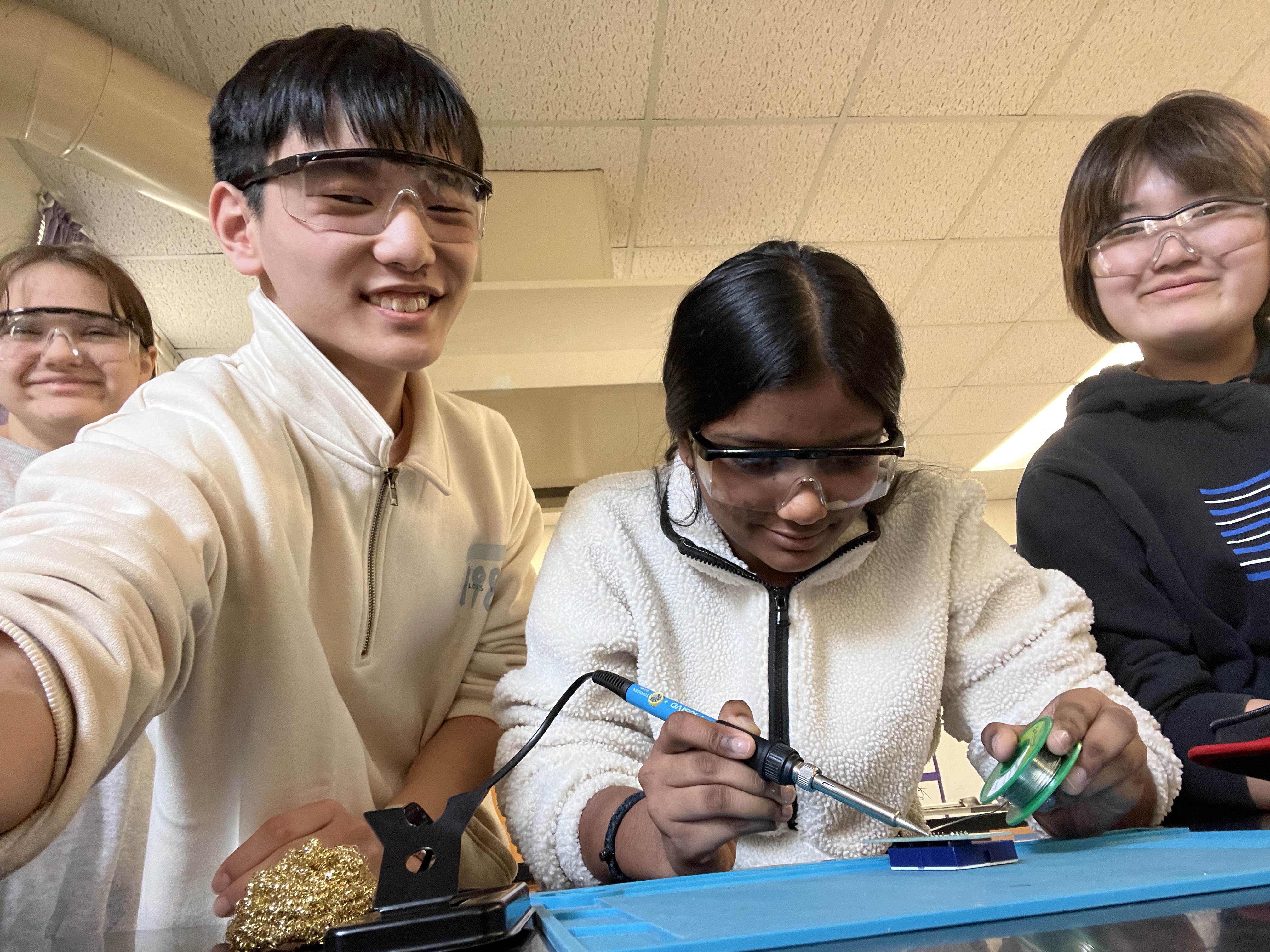
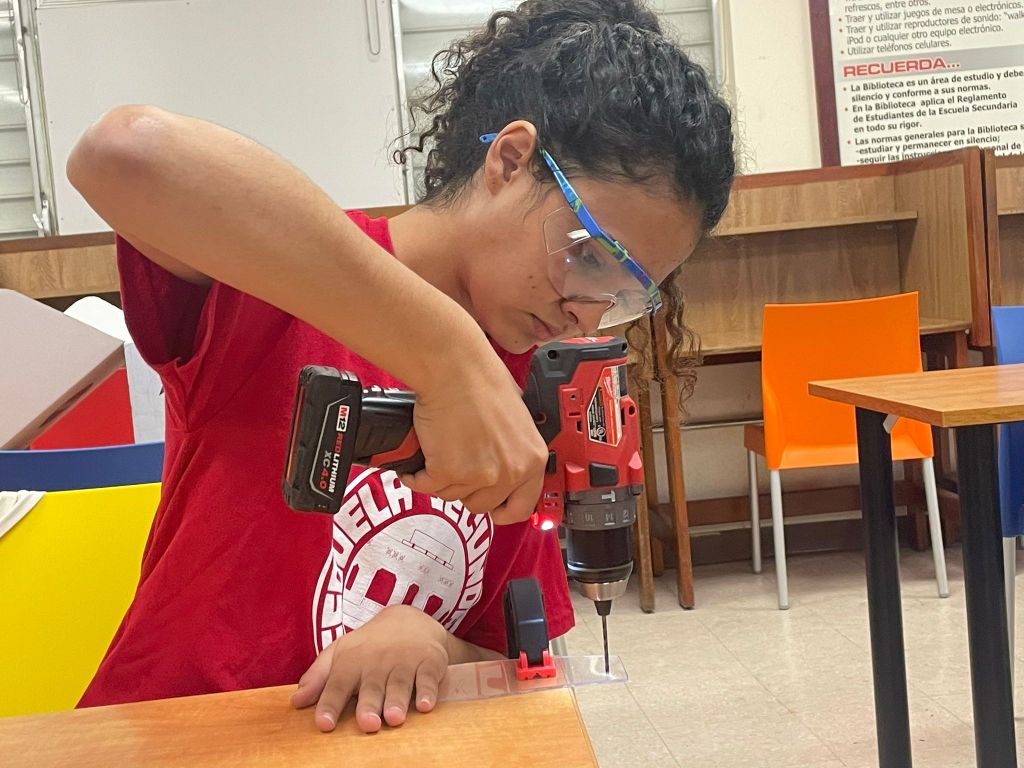
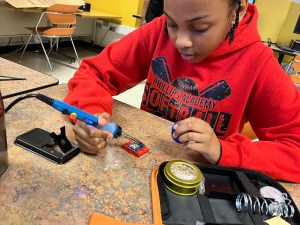
2024-2025 NASA TechRise team members at Auburn Junior High School in Auburn,
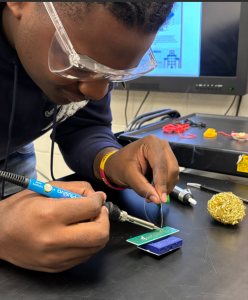
Alabama, work together to practice their soldering. Credits: Hayden KwonEach team will receive $1,500 to build their experiment, a flight box to house it, technical support and mentorship to bring their projects to life, and an assigned spot for their payloads on a suborbital spacecraft or high-altitude balloon flight test.
Flying a payload on a suborbital vehicle exposes it to the conditions of space, allowing researchers — and TechRise students — to collect the data they need to validate their hypotheses and advance their research.
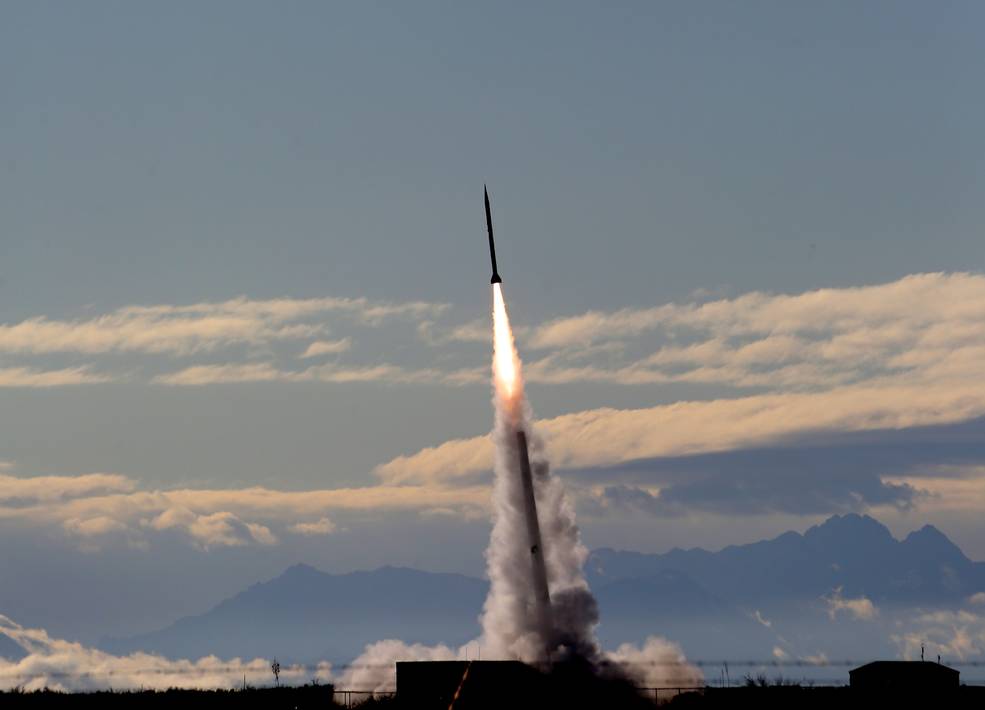
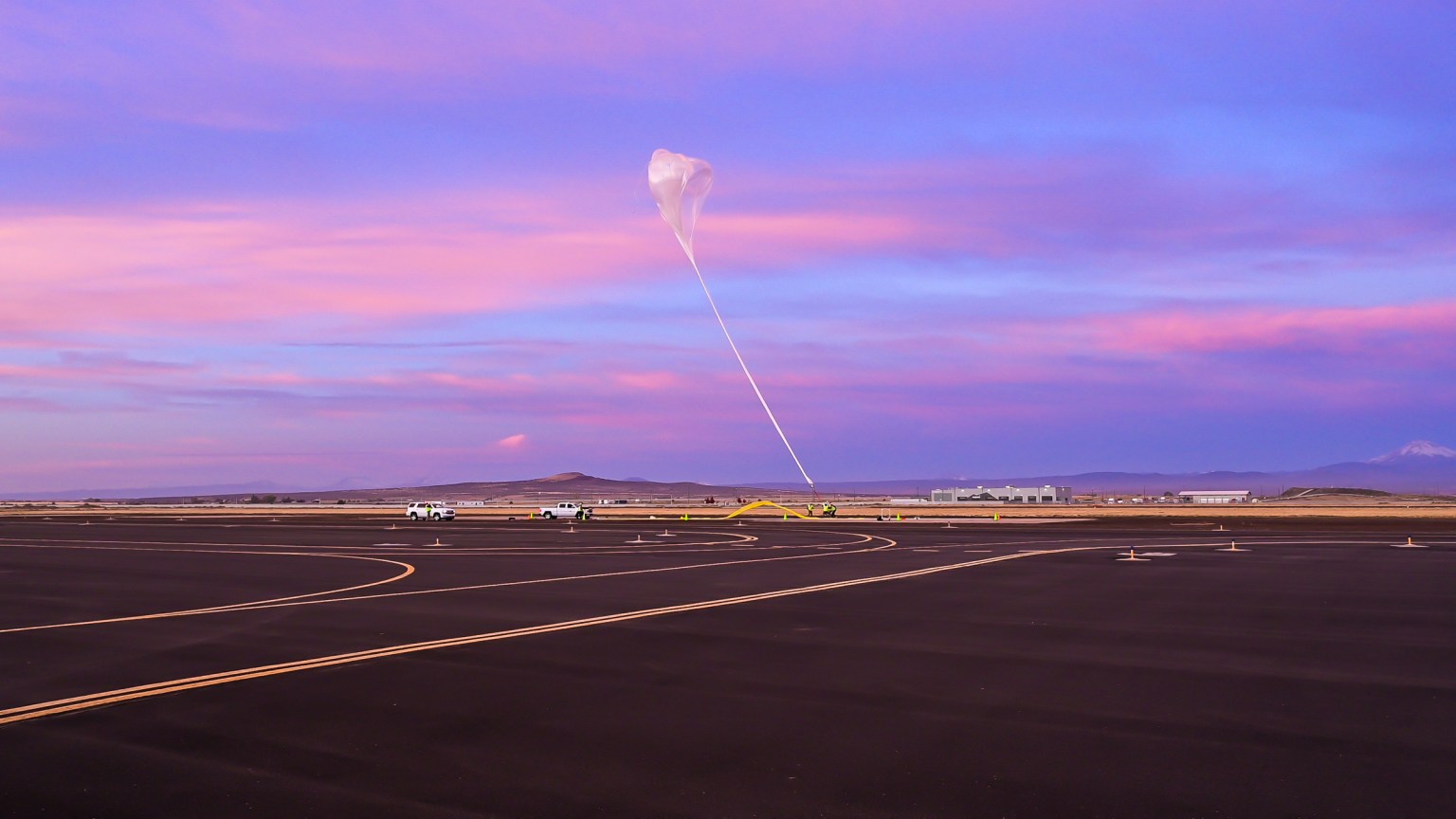
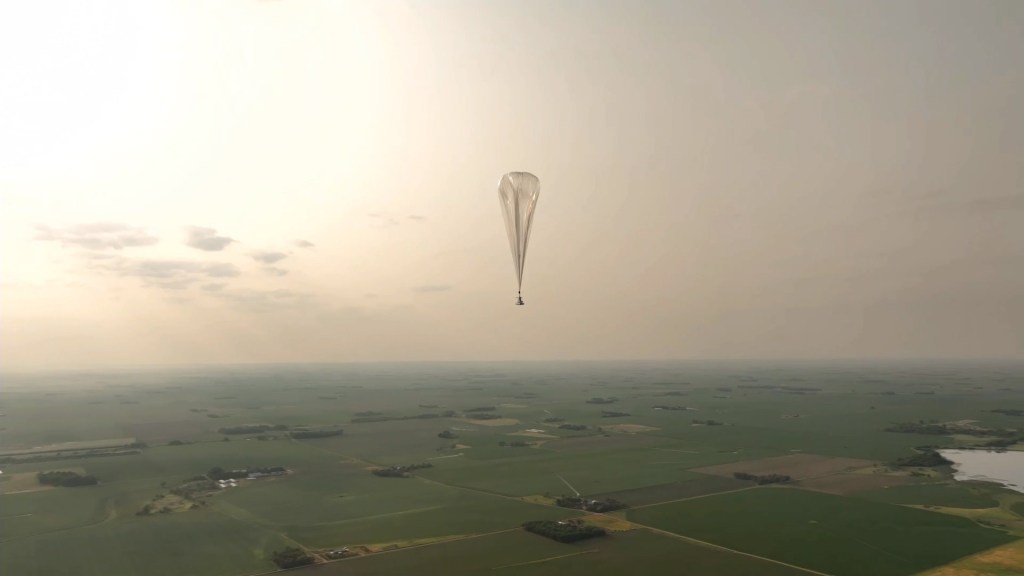
For experiments selected to fly on Virgin Galactic’s suborbital spacecraft, the flight test will provide approximately three minutes of microgravity as well as the opportunity to study the accelerations and conditions of the spaceflight. For experiments selected to fly on the high-altitude balloon, the flight test with World View will provide about four hours of flight time at 70,000 to 95,000 feet with exposure to Earth’s upper atmosphere, radiation, and perspective views of Earth.
“My students learned how to turn a broad scientific question into a clear, testable investigation,” said Jon Markus, TechRise educator lead for the winning team from Adel DeSoto Minburn Middle School in Iowa. “The most exciting part is knowing my students will collect data from the upper atmosphere, something scientists and engineers do in real environmental research. Few middle schoolers ever get the chance to conduct an experiment that leaves the ground, so the experience will be unforgettable for them.”
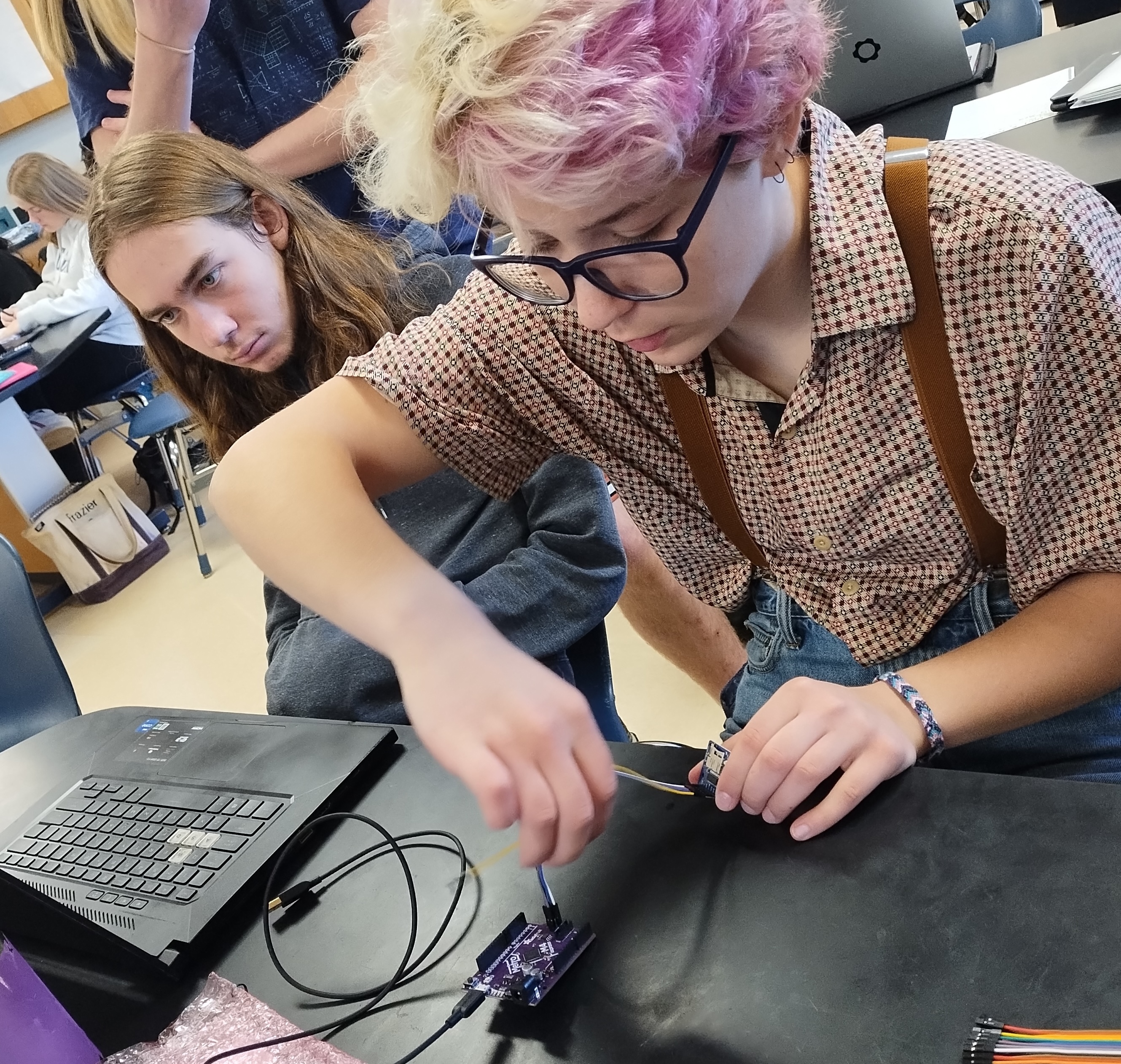
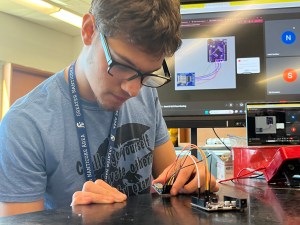
(left) A 2024-2025 NASA TechRise Student Challenge student from Decatur High School in Decatur, Georgia, tests a sensor using the flight simulator for their team’s project studying the correlation between ground and atmospheric conditions. Credits: Cassy Smith
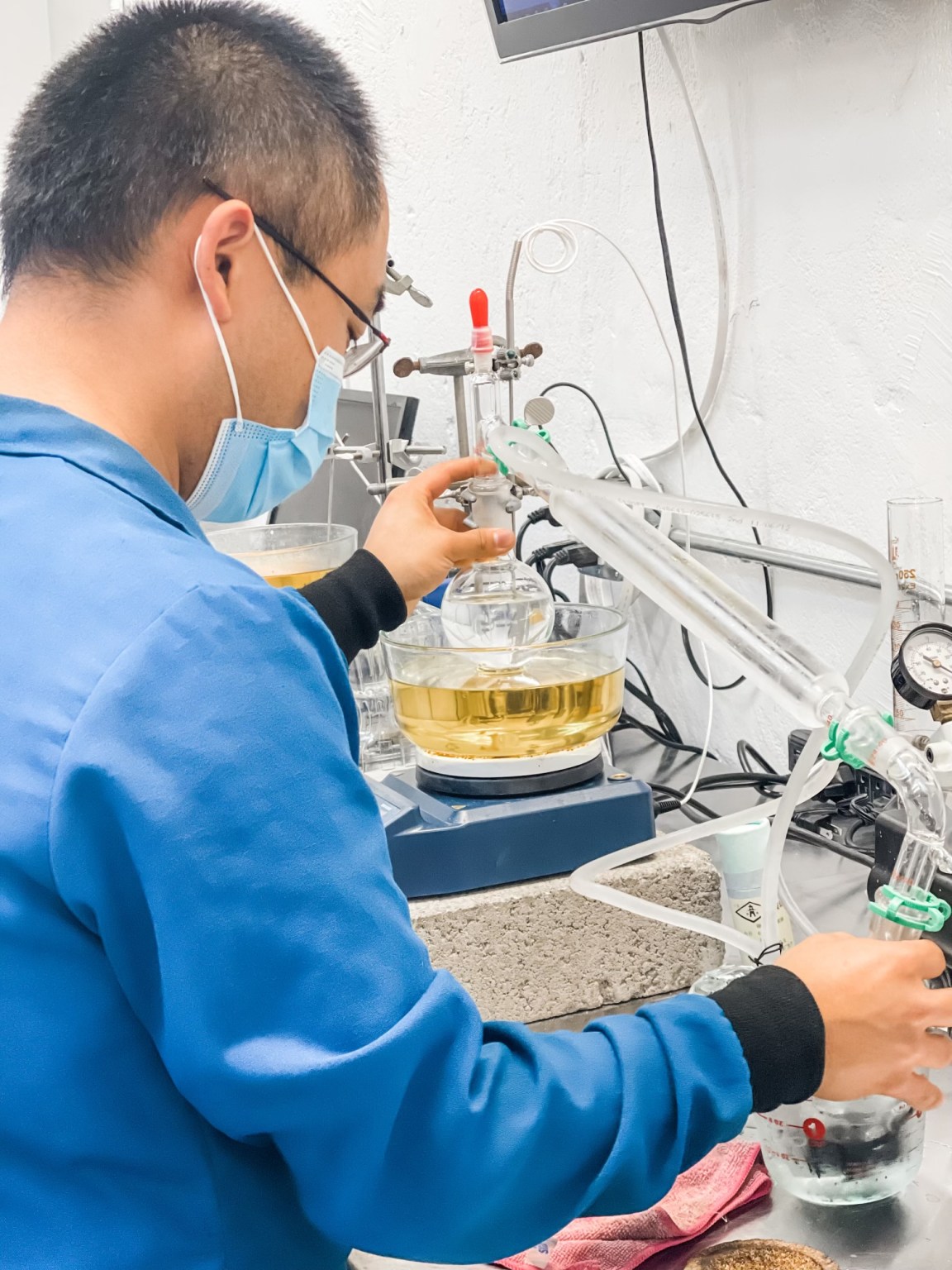
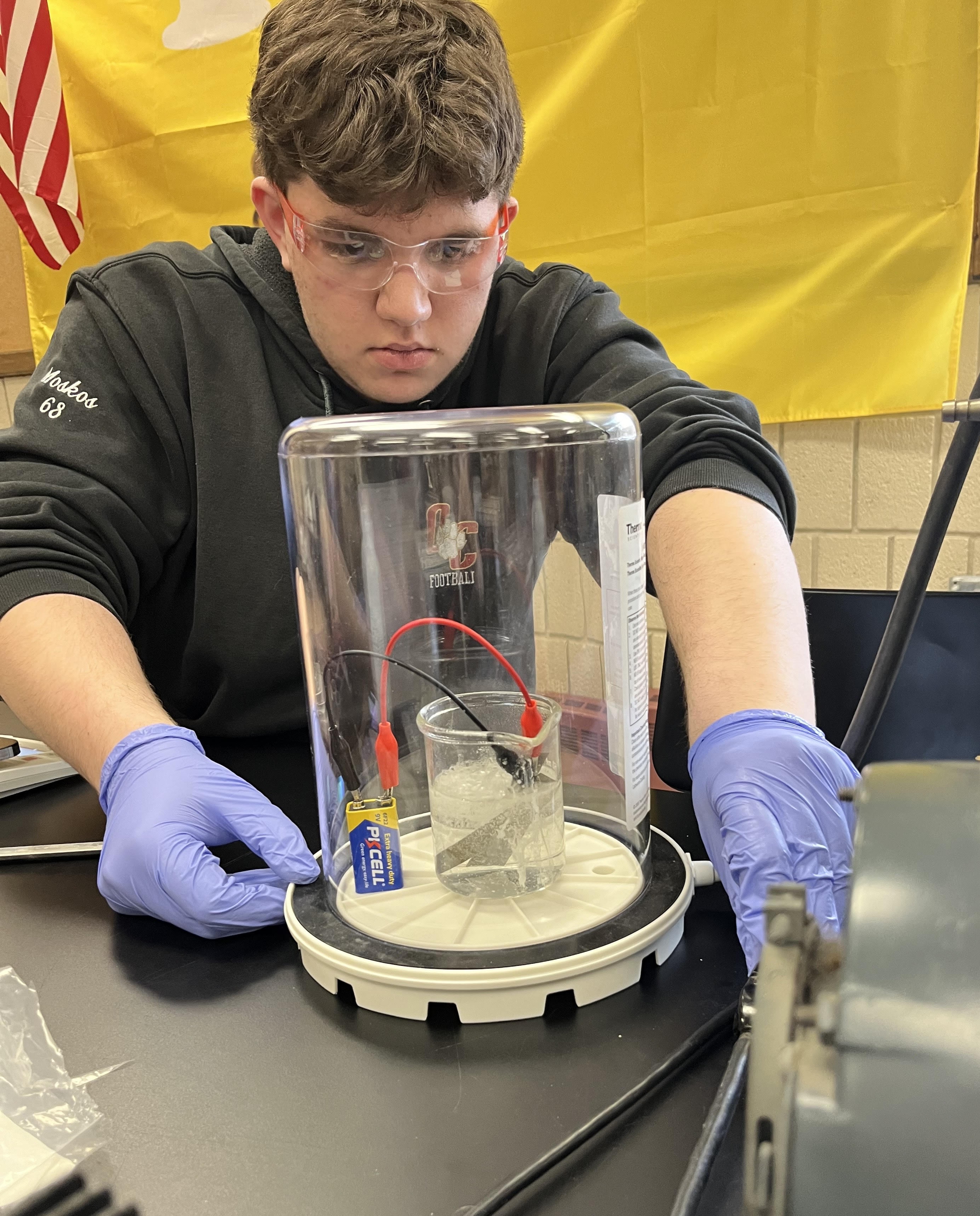
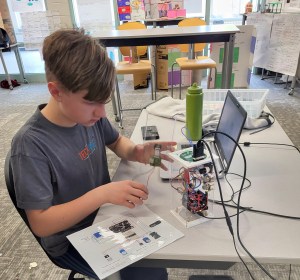
(right) A 2024-2025 NASA TechRise Student Challenge team member from Old Colony Regional Vocational Technical High School in Rochester, Massachusetts, tests an electrolysis apparatus for the team’s high-altitude oxygen diffusion project. Credits: Audrey Perkins
“Tomorrow’s workforce depends on the bright minds of today’s students. By engaging the next generation of our workforce with hands-on learning opportunities like TechRise, we aim to give them the skills they need to take our country forward in technology, science, and space exploration.”
Danielle McCulloch, program executive, NASA’s Flight Opportunities program
Developing a Nationwide Workforce
Now in its fifth year, TechRise seeks to equip America’s future workforce with the skills needed to advance the U.S. aerospace economy, giving students real-world experience with the same processes that professional researchers follow. Nearly 20,000 students from across all 56 U.S. states and territories have engaged in the experiment design and proposal process for TechRise.
Learn about the challengeMore About the TechRise Student Challenge
Managed by NASA’s Flight Opportunities program at the agency’s Armstrong Flight Research Center in Edwards, California, and administered by Future Engineers, the TechRise Student Challenge fosters the U.S. space industry through use of commercial vehicles for flight tests, while strengthening America’s space technology researcher community and enabling students across the country to engage directly with professional engineers. Flight Opportunities purchases flight testing services from its portfolio of commercial providers for the competition.
TechRise is one of many NASA Prizes, Challenges, and Crowdsourcing efforts within NASA’s Space Technology Mission Directorate offering opportunities for the public to contribute to America’s space program.
Visit the competition site
Media

TechRise News
Students Gain Real-World Experience in 2025
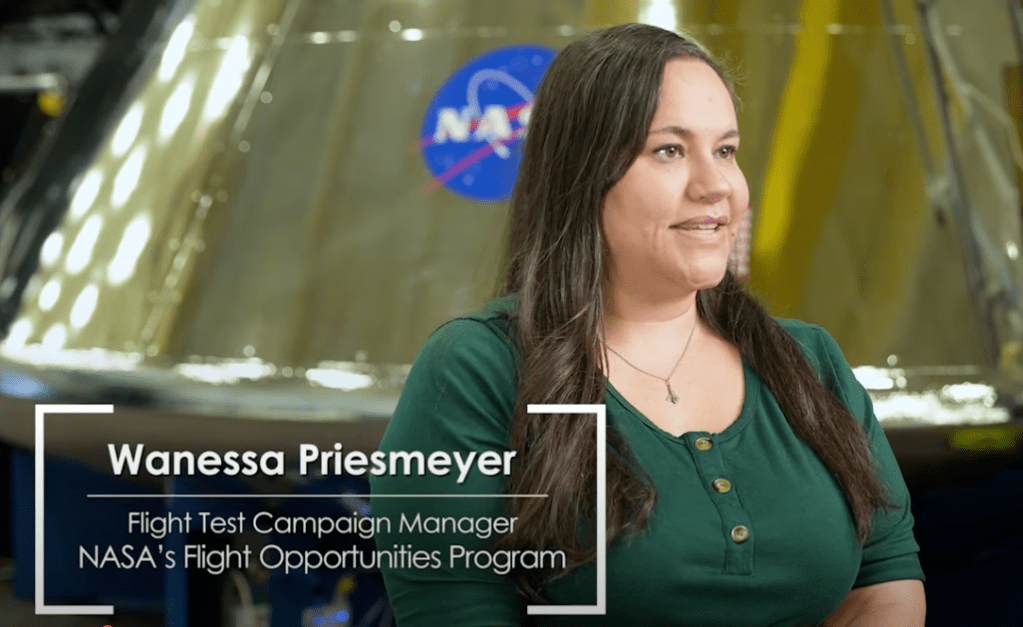
Faces of Technology: Meet Wanessa Priesmeyer
Wanessa Priesmeyer discusses her work as a flight test campaign manager as well as the TechRise Challenge.
Student Innovations Soar in 2024
NASA Selects Winners of Third TechRise Student Challenge
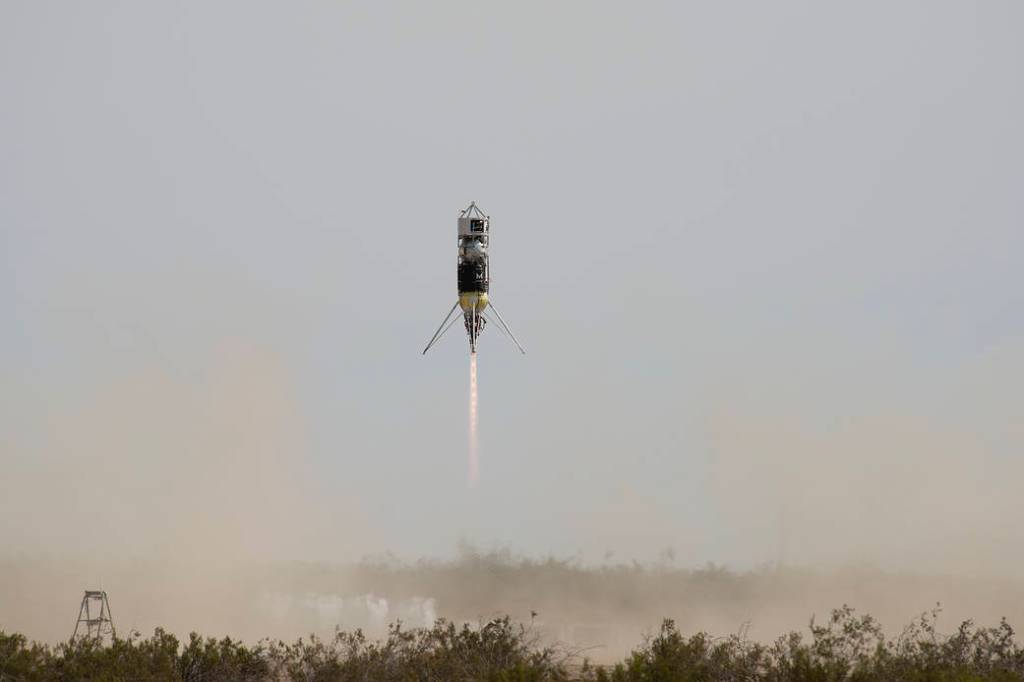
NASA Challenges Students to Fly Earth and Space Experiments
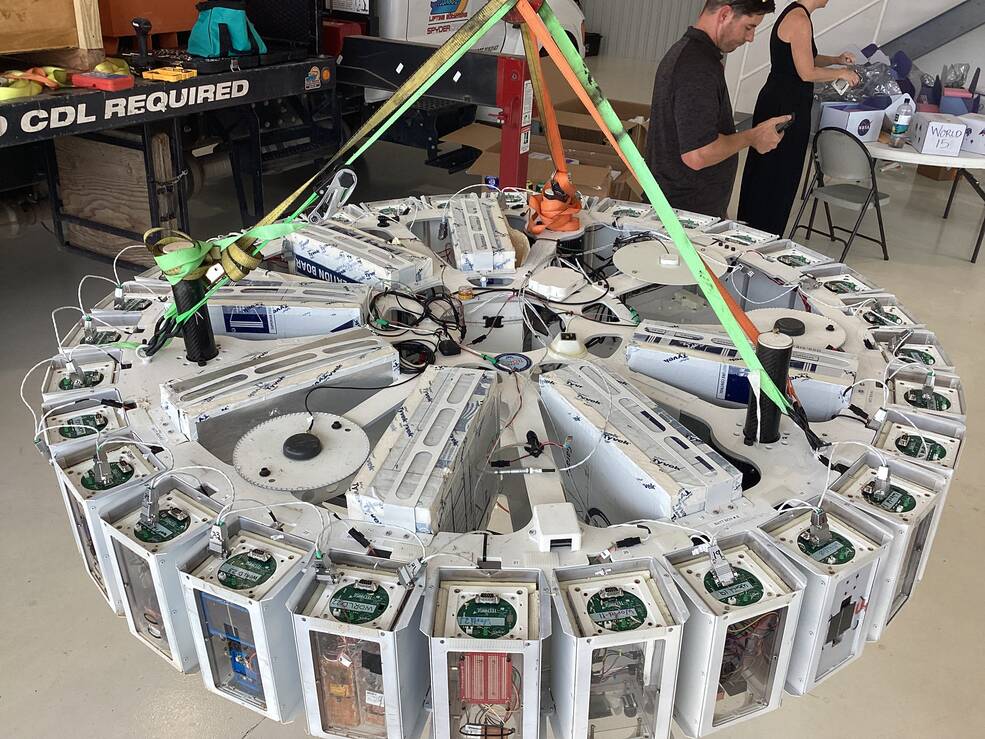
NASA TechRise Student Challenge Tests Experiments in Stratosphere

NASA TechRise Student Payloads Explore New Heights
Rising to the Challenge: NASA TechRise Student Teams Take Flight