

















It’s Fireball Season! Answering Your Meteor Questions
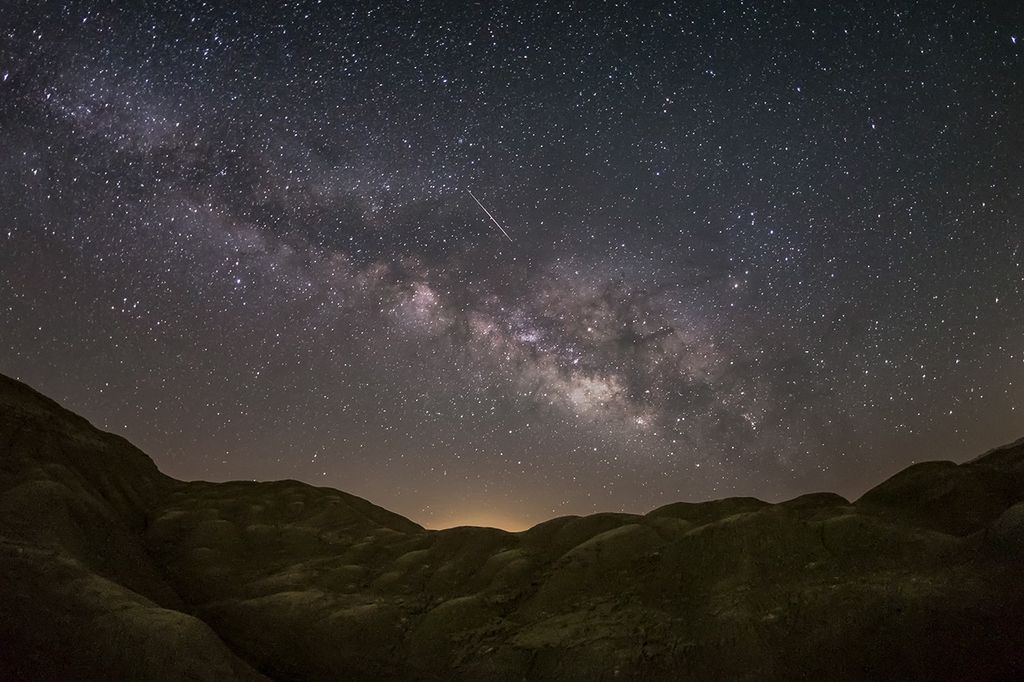
Sometimes, space comes to us! Texas, Ohio, California, Michigan – these are just a few of the states where folks have recently seen the skies illuminate with bright streaks of light. For those lucky enough to spot a fireball, or “shooting star,” the moment can feel awe-inspiring and exciting, and many of you have been sharing stunning visuals from these events. At NASA, where watching the skies is part of our everyday mission, we’ve noticed the excitement, and we’re here to answer some of the most common questions we’re seeing about these celestial celebrities.
There seem to be a lot of fireballs lighting up the sky lately – is this unusual?
While it may seem like meteor reports and sightings have been more frequent recently, it is not out of the ordinary. In the northern hemisphere, we’re in peak “fireball season.” From February through April, the appearance rate of these very bright meteors can increase by as much as 10% to 30%, especially around the weeks of the March equinox. Exactly why is not known. Some astronomers think the Earth passes through more large debris at this time of year, causing an uptick in fireball sightings.
Another likely reason it may feel like meteor sightings are increasing is that more of us have cameras at the ready — from smartphones to doorbell cameras to dashboard cameras — making it easier than ever to capture and share these fleeting cosmic events when they happen.
How common are meteor sightings on Earth?
Meteors are actually quite common. – They occur all the time, and fireballs can be seen on any given night. But they often occur over the ocean or unpopulated areas with no witnesses, or during the daytime, making them difficult to spot. Viewers who catch a clear view of one in the dark skies above are treated to a spectacular sky show – but one that is hardly rare.
Meteors, meteoroids, meteorites … what’s the difference?
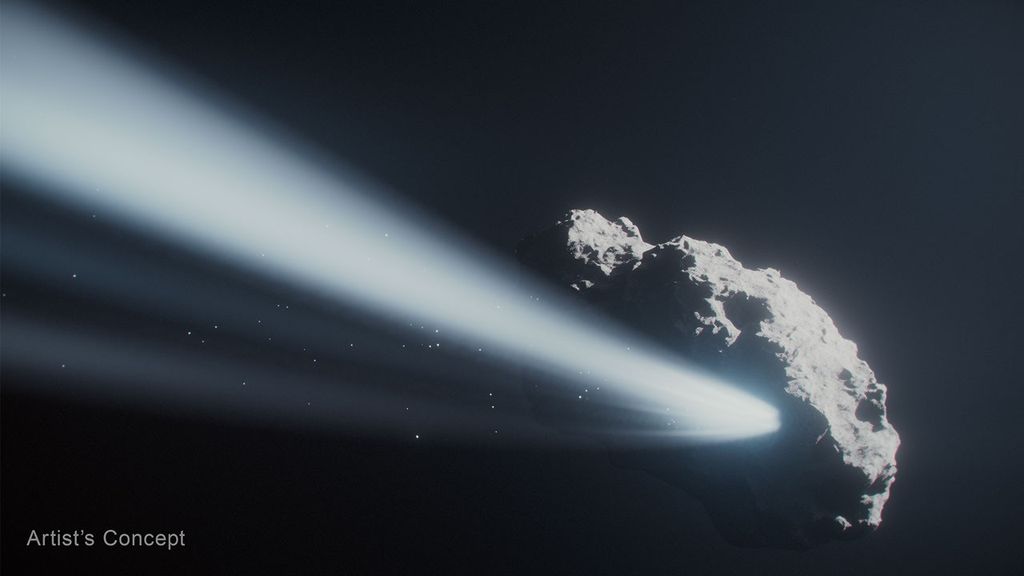
- A meteoroid is a small rock or particle traveling through space, usually a piece of a comet or asteroid.
- A meteor refers to the streak of light in the sky that appears when a meteoroid enters Earth’s atmosphere and disintegrates.
- A meteor shower occurs when meteoroids that have a common origin (like debris from a comet) and very similar orbits enter the atmosphere.
- A meteorite is a piece of space rock that survives the trip through the atmosphere and lands on the ground.
- A fireball – the brightest of them all – is a meteor that shines brighter than the planet Venus. They are caused by particles that are larger than the ones producing “normal” meteors. Sometimes fireballs are called bolides – the words are interchangeable and refer to the same phenomenon.
- Read more about these and other space rocks.
How does NASA watch for meteors? Can NASA predict when one will appear?
NASA watches the skies for objects of all sizes with a network of specialized telescopes across the United States. Its planetary defense network, for example, is specifically tasked by our government to find and track asteroids that are 140 meters and larger. These objects are big enough to penetrate Earth’s atmosphere and could cause widespread damage. Meteoroids are much smaller. Almost impossible to track in space, they cannot survive passage through the atmosphere intact and pose no real hazard to ground-dwellers.
Where do these meteors and meteorites come from?
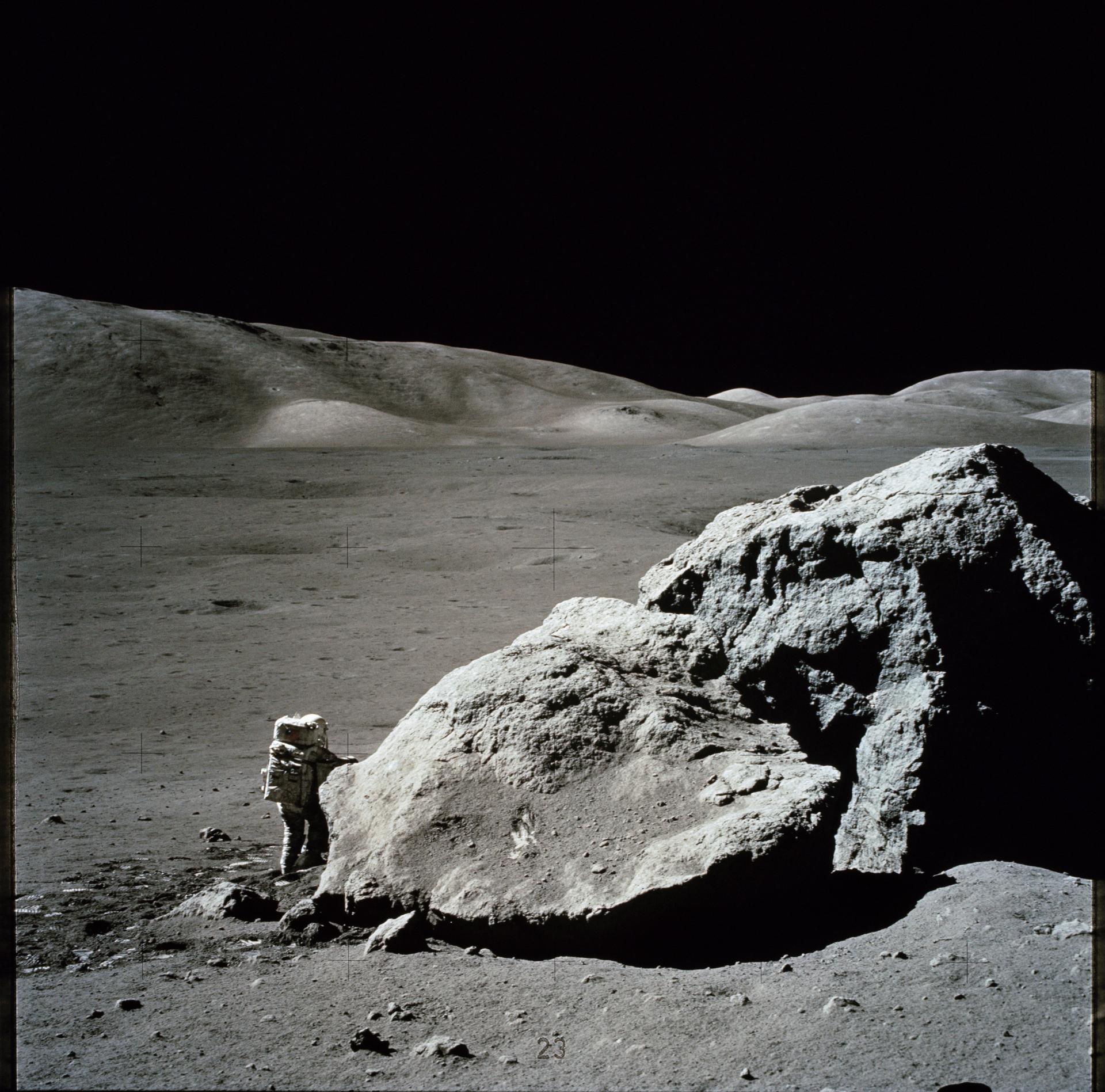
Most meteorites that make it to the ground here on Earth are pieces of small asteroids (or big meteoroids) that have fragmented on their way through the atmosphere. Through laboratory tests, scientists can determine the meteorite type, how long it was in space and its origin. Most meteorites come from the asteroid belt between Mars and Jupiter, but occasionally we will get some that clearly came from the Moon or Mars. These are extremely rare!
Why do some meteors make a “boom” noise?
Some meteors you can hear! Meteors travel through Earth’s atmosphere at hypersonic speeds – far exceeding the speed of sound. This immense speed creates a wave of pressure which, combined with the friction and heat that can cause the rock to fragment, can result in a loud, explosive sound, often called a sonic boom, that can be heard on the ground. Additionally, the fragmentation of the fireball unleashes large amounts of energy, which also generates a pressure wave that can produce a very loud boom, even shaking houses.
So, the next time you catch a streak of light traveling across the night sky, you’ll know more about how to identify what you’re looking at. As we continue on through fireball season, keep your cameras at the ready, your curiosity high, and your eyes on the skies!
