







Space Physics, Cardiac Research Kickoff Last Week in January
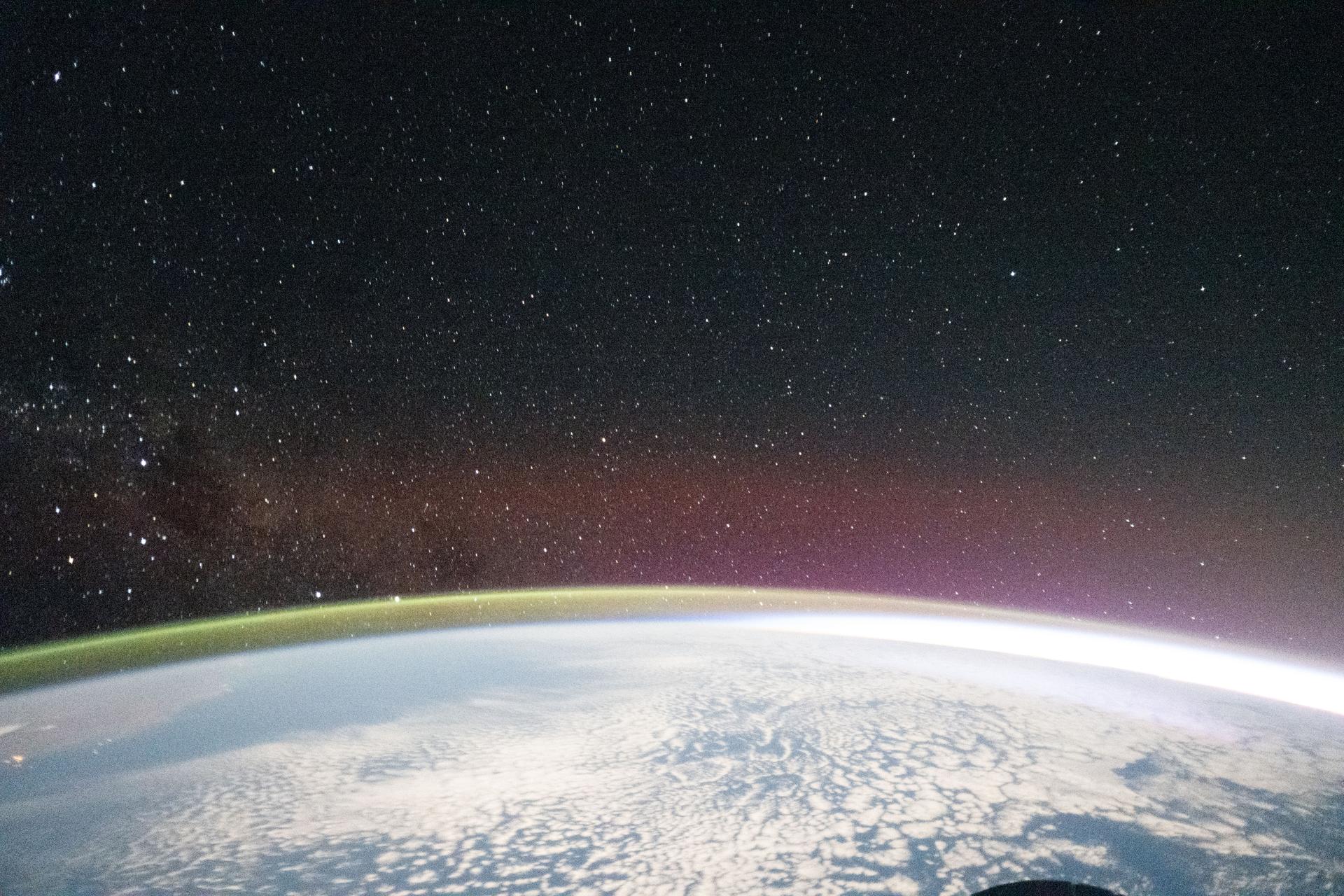
Space physics and cardiac research kicked off the week aboard the International Space Station for the three-person Expedition 74 crew. The orbital residents explored storing cryogenic fluids in space and how their cardiovascular system is adapting to weightlessness.
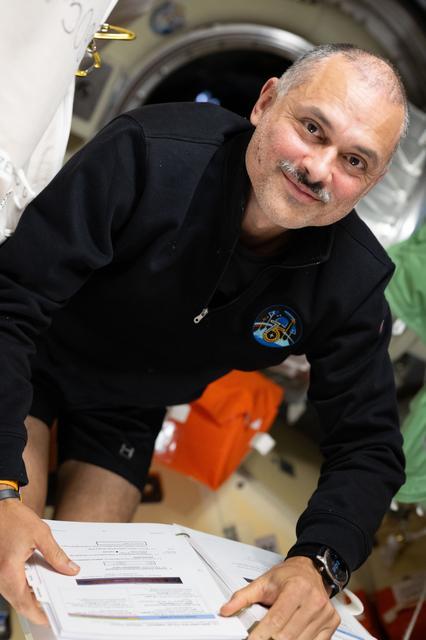
NASA Flight Engineer Chris Williams set up the Zero Boil-Off Tank investigation inside the Destiny laboratory module’s Microgravity Science Glovebox on Monday. He injected gas into the experimental hardware to test ways to control spacecraft tank pressure due to cryogenic fuel propellants evaporating as a result of the surrounding heat. Results may lead to lightweight, more efficient cryogenic storage facilities benefiting both Earth and space industries.
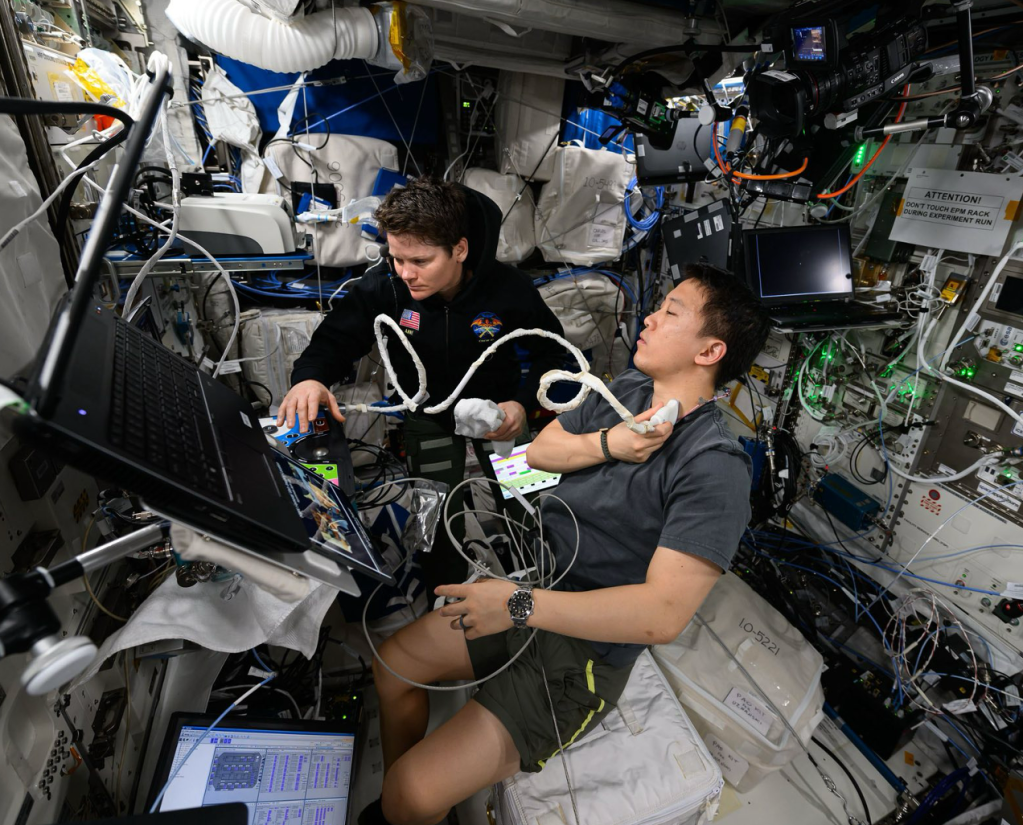
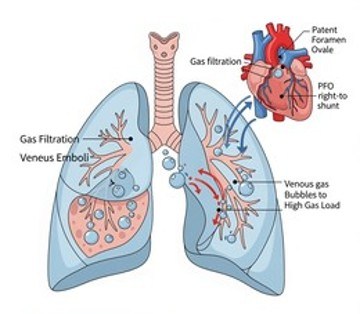
Williams later joined Roscosmos cosmonauts Sergey Kud-Sverchkov and Sergei Mikaev in the Columbus laboratory module for vein scans using the Ultrasound 2 device. The trio took turns scanning each other’s neck, shoulder, and leg veins, looking for potential space-caused blood clots with real-time assistance from doctors on the ground. Living in space long term induces fluid shifts in an astronaut’s body increasing the risk of blood clots—also called thromboembolism—that flight surgeons constantly monitor and seek to counteract.
Earlier in their shift, Kud-Sverchkov and Mikaev partnered together and explored vascular health in microgravity. The duo took turns wearing a series of electrodes and cuffs measuring blood pressure in the arm, wrist, and thumb to understand cardiovascular adaptation in space. Doctors are researching how endothelial cells—the cells that line the blood vessels—behave in weightlessness since they are responsible for blood flow, blood pressure regulation, clot prevention, and inflammation.
The International Space Station is orbiting the highest it ever has after a docked SpaceX Dragon fired two Draco engines, located in the spacecraft’s trunk and use an independent propellant system, for a regularly scheduled orbital reboost on Friday, Jan. 23. The space station is now orbiting Earth at an altitude of 269 by 255 miles statute miles.
Learn more about station activities by following the space station blog, @space_station on X, as well as the ISS Facebook and ISS Instagram accounts.
Get the latest from NASA delivered every week. Subscribe here.
