
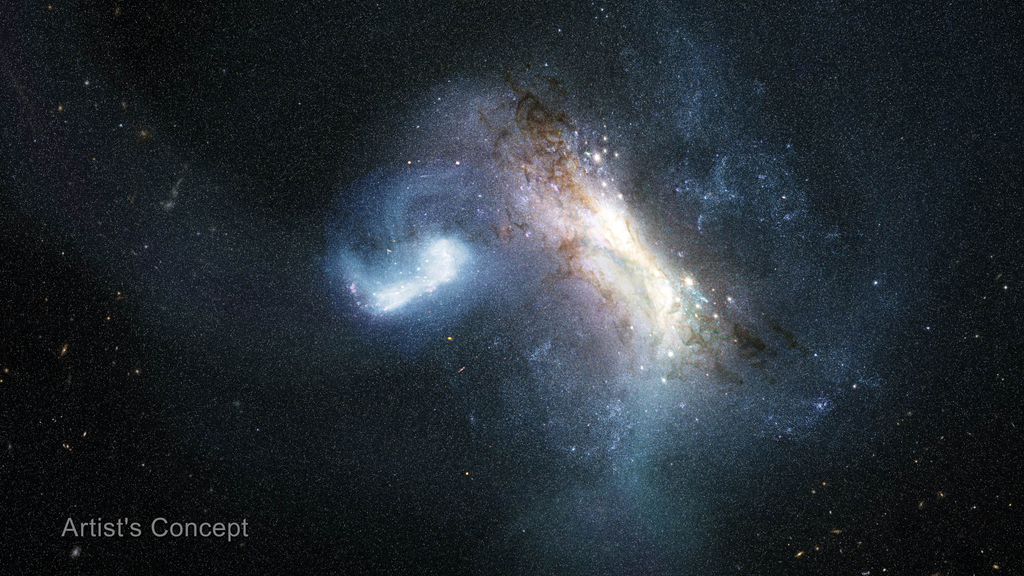

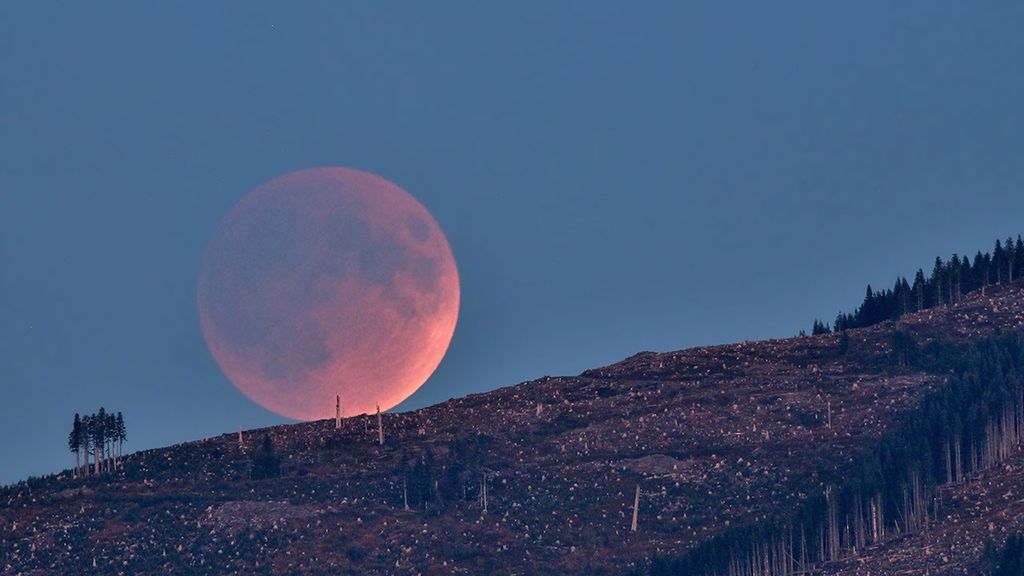
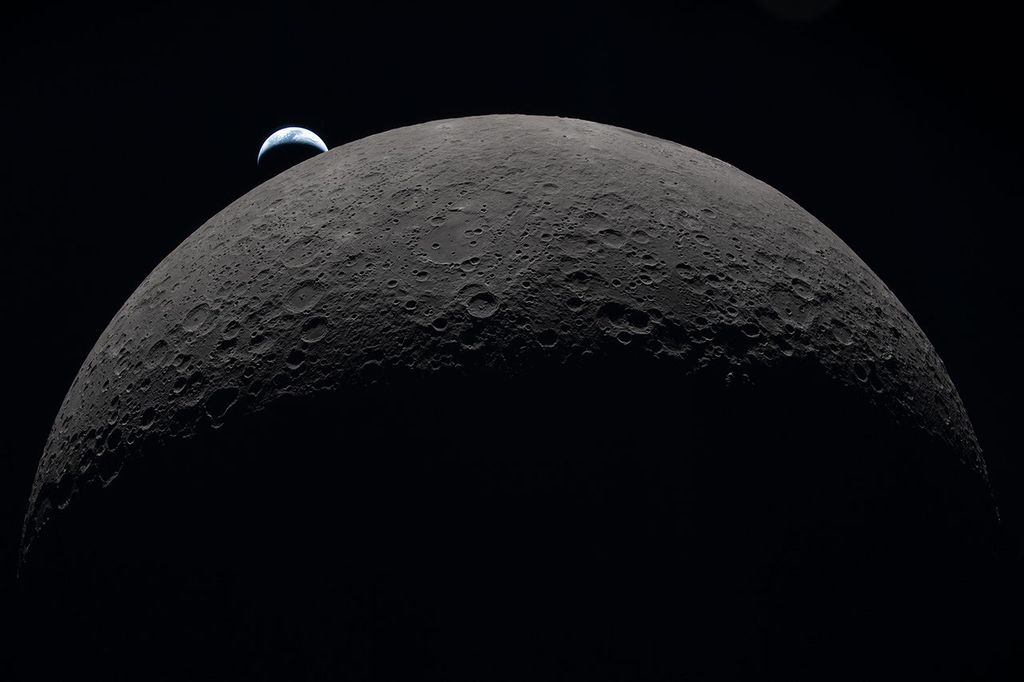
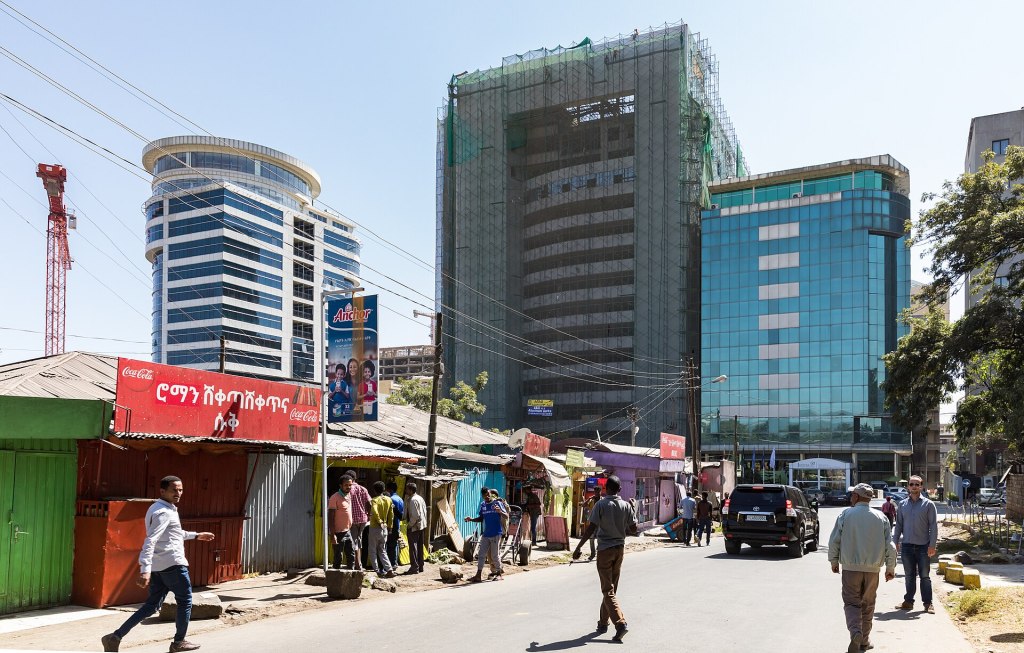
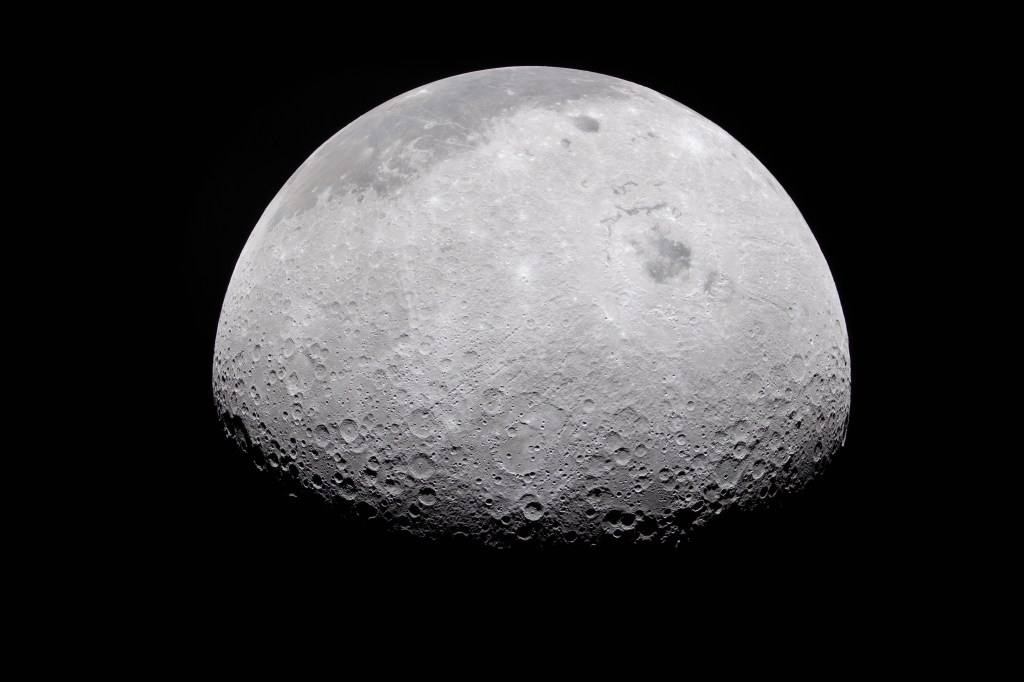


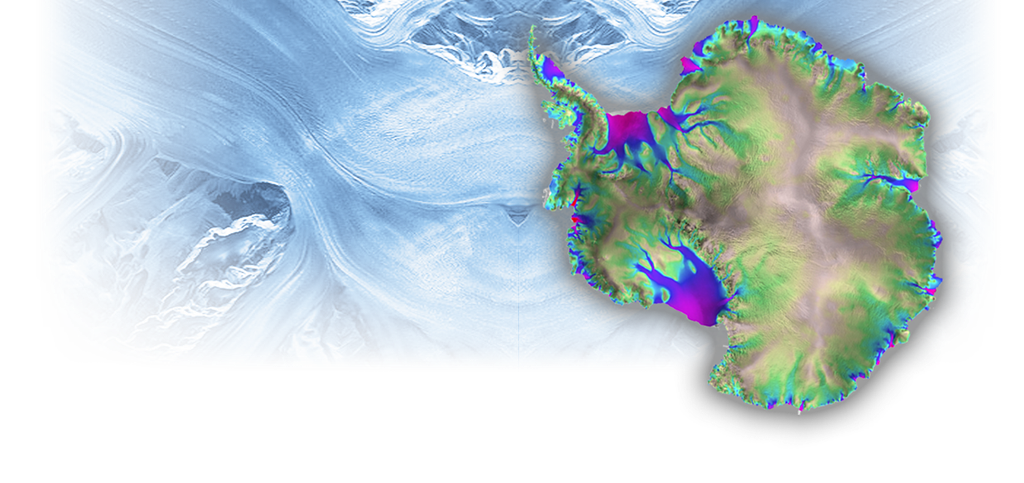
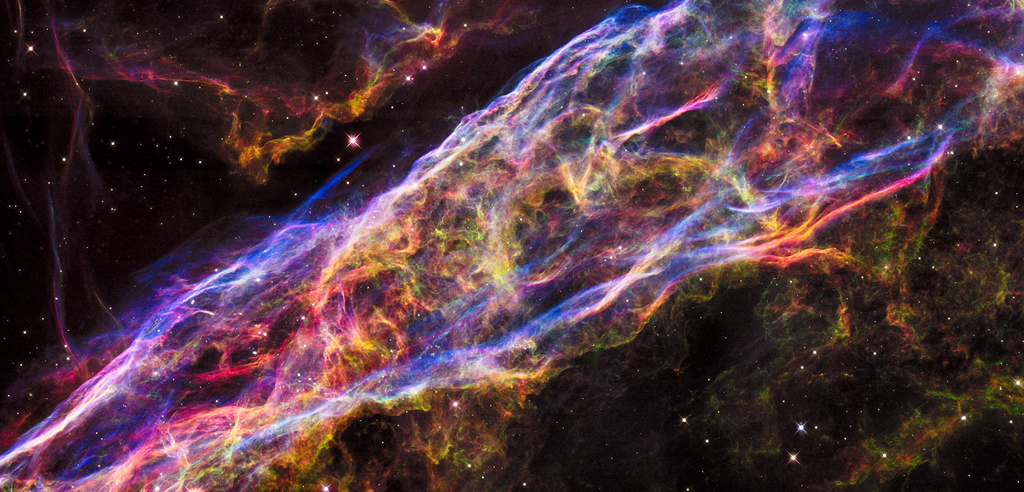


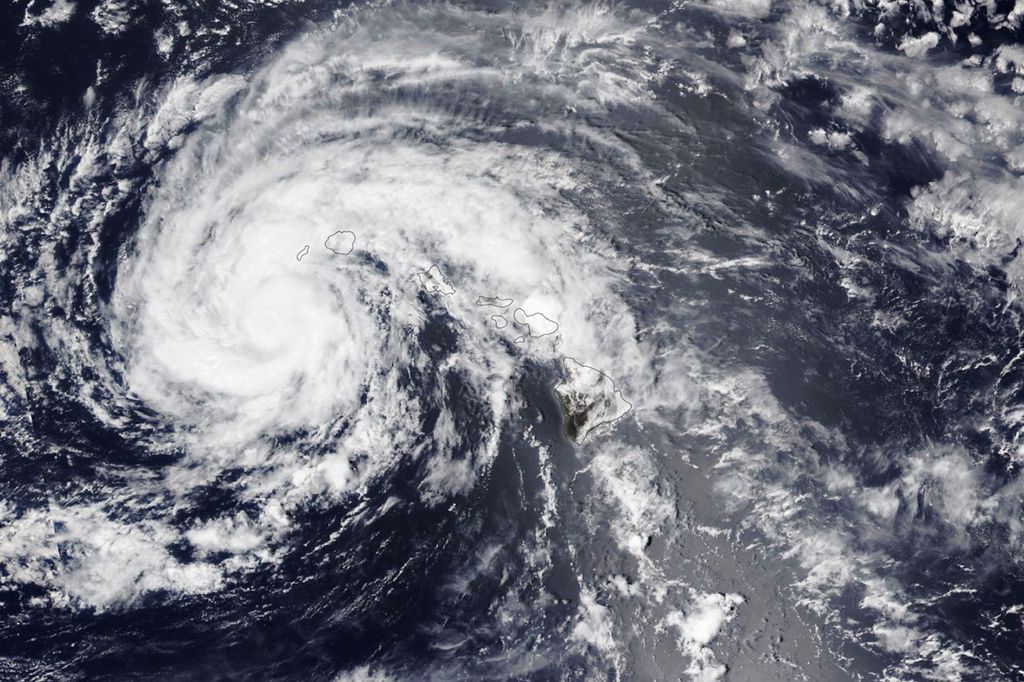
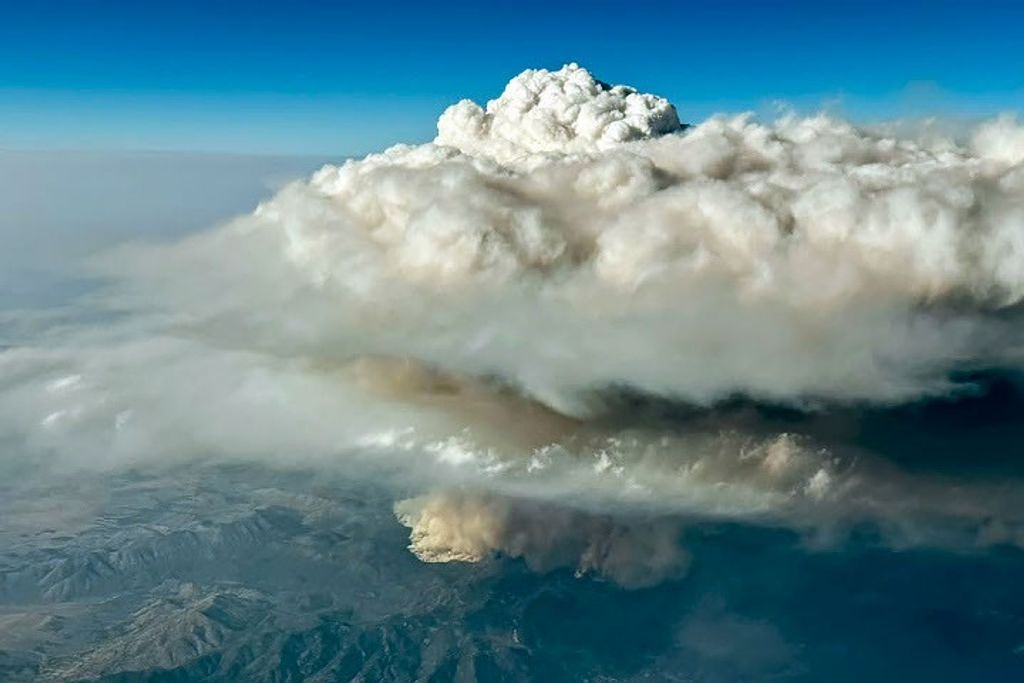



Your challenge is to tell us the location of the satellite image and why it is interesting.
ISS Daily Summary Report – 6/23/2023
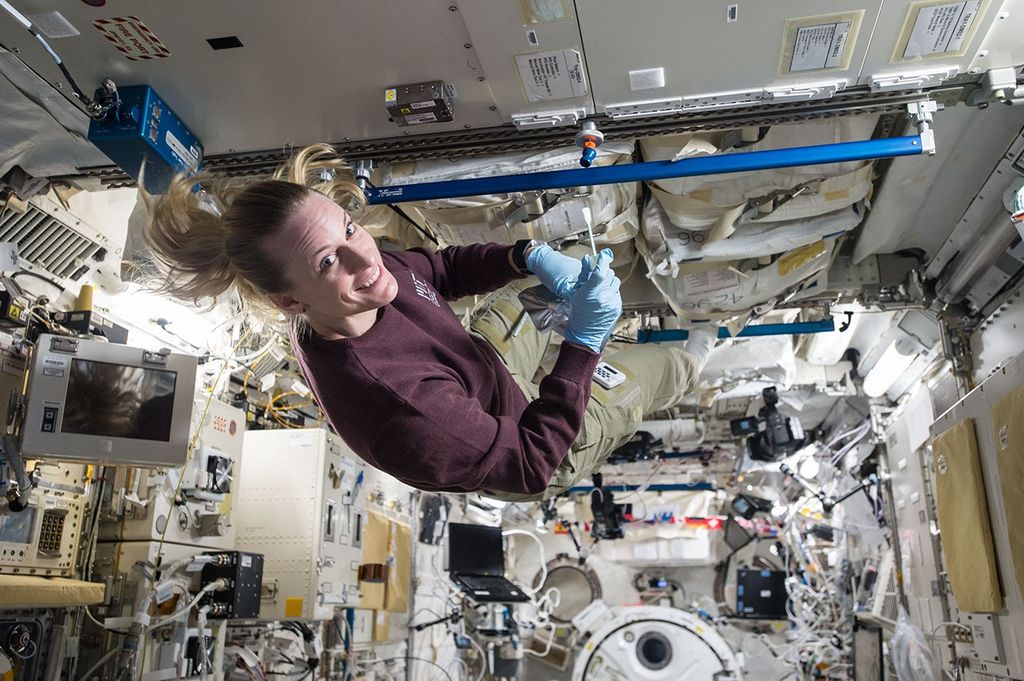
Payloads: Cold Atom Lab (CAL): Using a Grab Sample Container (GSC), the crew collected a sample of the cabin air around the lower quad area of LAB1P2. The CAL produces clouds of atoms that are chilled to about one ten billionth of a degree above absolute zero — much colder than the average temperature of …
Cargo Work, Robotics Competition End Week Following Spacewalk
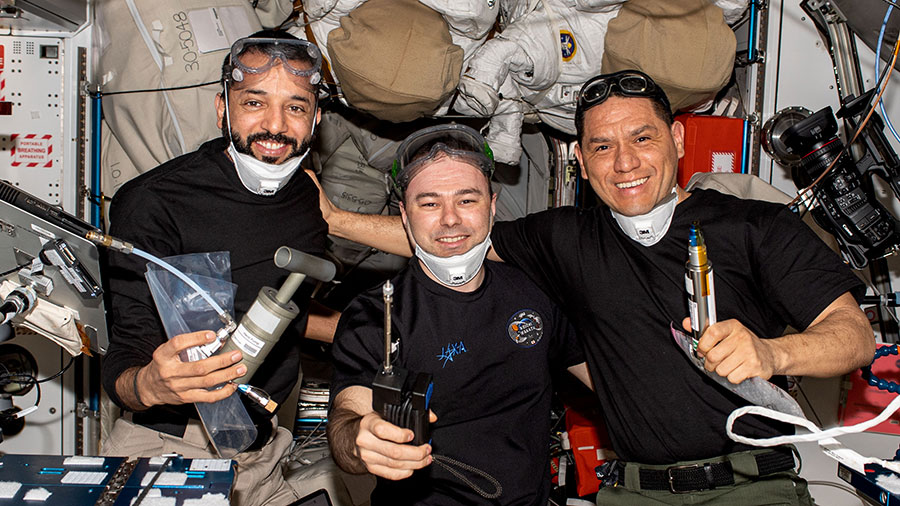
The Expedition 69 crew is wrapping its work week loading a cargo vehicle for its upcoming return to Earth and cleaning up following Thursday’s spacewalk. Other activities scheduled for the International Space Station residents on Friday included a robotics competition and life support maintenance. The SpaceX Dragon cargo vehicle will end its stay at the …
Cosmonauts Finish Spacewalk After Replacing Station Hardware
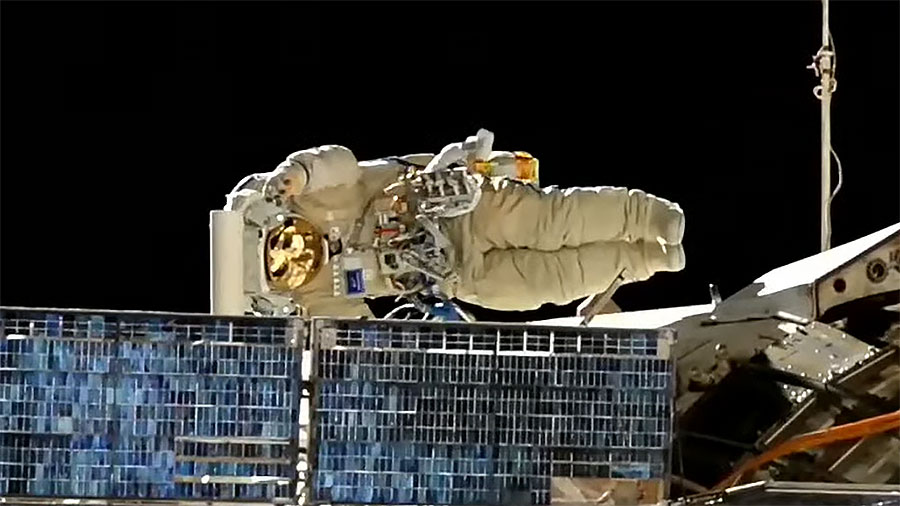
Roscosmos cosmonauts Sergey Prokopyev and Dmitri Petelin concluded their spacewalk June 22 at 4:48 p.m. EDT after 6 hours and 24 minutes. Prokopyev and Petelin completed their major objectives, which were to retrieve several experiment packages from the Zvezda and Poisk modules and install communications equipment outside the International Space Station. This was the seventh …
ISS Daily Summary Report – 6/22/2023
RS Extravehicular Activity (EVA) #59: Today, ISS CDR Sergey Prokopyev (EV1) and FE-2 Dmitry Petelin (EV2) performed RS EVA #59 with Andrey Fedyaev supporting as the Intravehicular (IV) operator. The trio performed a multitude of tasks in order to perform various external payload and system configuration updates, as well as take photos. The MRM2 hatch …
Cosmonauts Begin Spacewalk to Replace Station Hardware
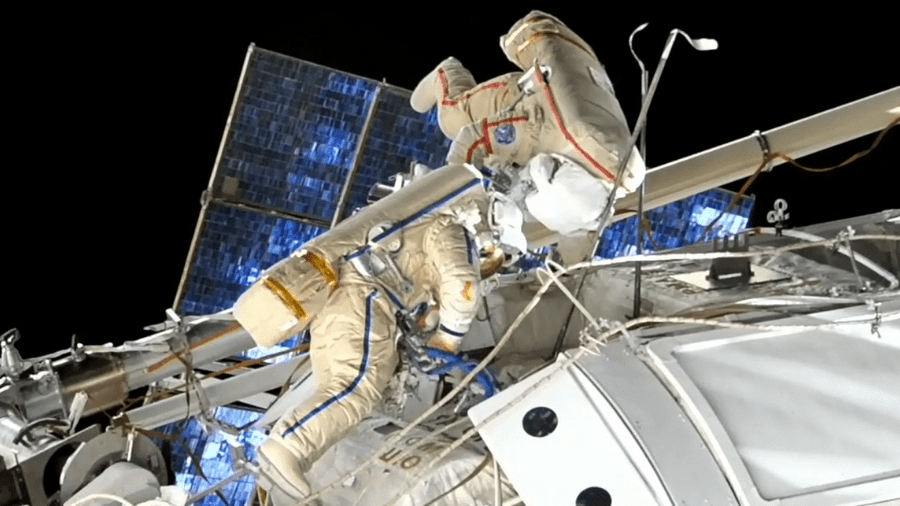
Roscosmos cosmonauts Sergey Prokopyev and Dmitri Petelin began a spacewalk at 10:24 a.m. EDT to retrieve several experiment packages from the Zvezda and Poisk modules and install communications equipment outside the International Space Station. Coverage of the spacewalk continues on NASA Television, the NASA app, and the agency’s website. Prokopyev is wearing an Orlan spacesuit with red stripes, while …
Cosmonauts Exiting Station for Spacewalk Live on NASA TV
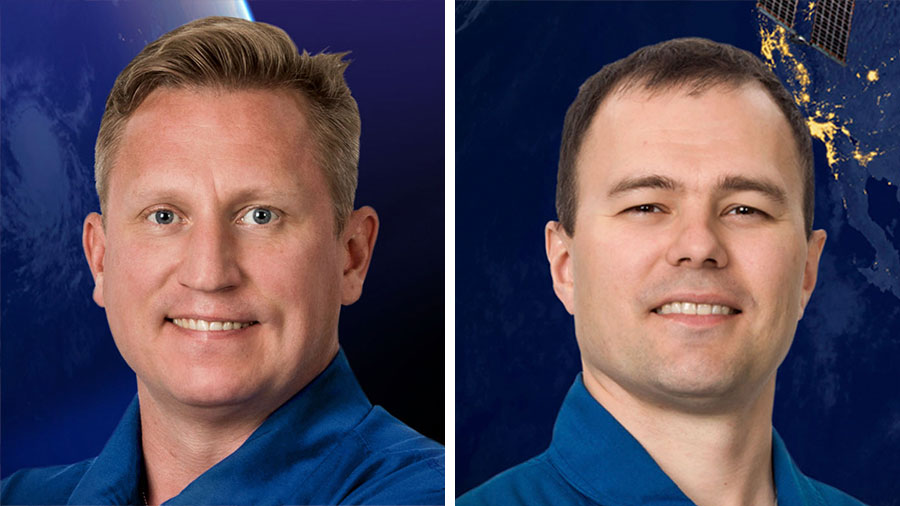
NASA coverage is underway for today’s spacewalk with Roscosmos cosmonauts Sergey Prokopyev and Dmitri Petelin. The duo will retrieve several experiment packages from the Zvezda and Poisk modules and install communications equipment. Coverage of the spacewalk is on NASA Television, the NASA app, and the agency’s website. Prokopyev and Petelin will exit out of the …
ISS Daily Summary Report – 6/21/2023
Payloads: Cardiobreath: The Bio-Monitor wearables were used prior to, after, and during a CEVIS exercise to record data for the Cardiobreath experiment. Astronauts experience changes in their cardiovascular, respiratory, and musculoskeletal systems during spaceflight, which can affect their capacity to exercise and to maintain blood pressure when standing after return to Earth. Causal Analysis of …
Cosmonauts Go for Spacewalk as Crew Works Cargo, Maintenance
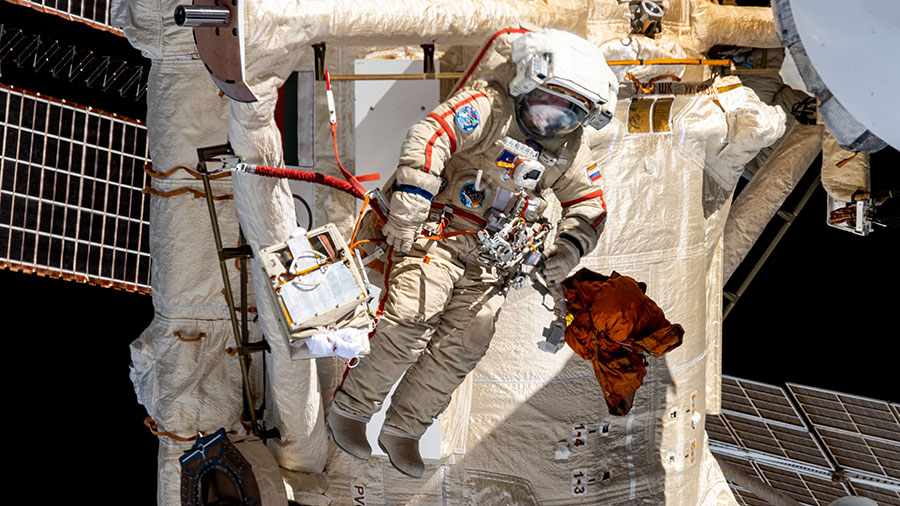
Preparations continue for Thursday’s spacewalk to replace hardware on the International Space Station. The Expedition 69 crew also stayed focused on ongoing cargo transfers while conducting a variety of lab maintenance on Wednesday. Two cosmonauts are completing their task reviews and spacesuit configurations ahead of a spacewalk set to begin about 10:20 a.m. EDT on …
ISS Daily Summary Report – 6/20/2023
Payloads: General Laboratory Active Cryogenic ISS Experiment Refrigerator (GLACIER): The Glacier trays (two), tray support structures, and desiccants were removed and stowed. The GLACIER refrigerators are ultra-cold freezers that will store samples at temperatures as low as -160°C (-301°F). ISS Ham Radio: An ISS Ham pass contact was made with Mohammad Bin Rashid Space Centre, …