










Suggested Searches

Blogs

  • NASA Science, Tech Launching to Moon in Mid-January

    Artemis Logo - red rocket trail, blue arch that represents earth, ARTEMIS text, gray half sphere on a white background

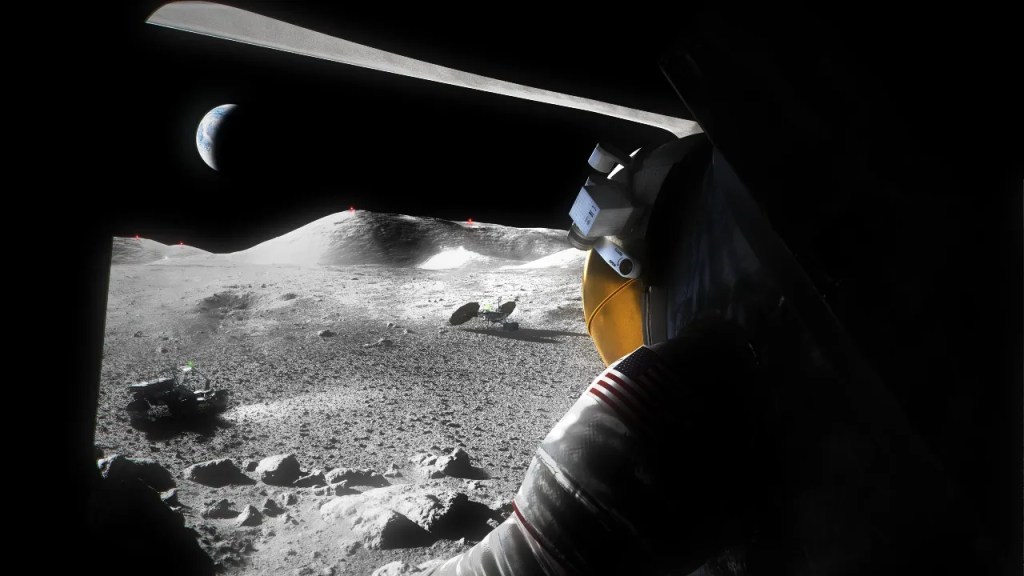
    NASA, SpaceX, and Firefly Aerospace are targeting 1:11 a.m. EST Wednesday, Jan. 15, for the launch of Firefly’s Blue Ghost Mission 1, the next delivery to the Moon through NASA’s CLPS (Commercial Lunar Payload Services) initiative. The Blue Ghost lander will launch on a SpaceX Falcon 9 rocket from Launch Complex 39A at the agency’s …

  • Spacewalk Preps, Science, and Cargo Work Kick Off New Year

    Astronauts (from left) Butch Wilmore and Don Pettit install futuristic exercise gear with advanced bicycling, rowing, and resistive capabilities inside the Columbus laboratory module.

    Expedition 72 is beginning the New Year preparing for an upcoming spacewalk to service science hardware and install communications gear. The International Space Station residents also conducted space agriculture and worked on cargo duties at the beginning of the week. Two NASA astronauts are scheduled to exit the orbital outpost’s Quest airlock this month for …

  • Strong Solar Flare Erupts from Sun

    The Sun emitted a strong solar flare, peaking at 7:48 a.m. ET on Jan. 4, 2025. The National Oceanic and Atmospheric Administration’s Solar Ultraviolet Imager, which watches the Sun constantly, captured an image of the event. Solar flares are powerful bursts of energy. Flares and solar eruptions can impact radio communications, electric power grids, navigation …

  • Sun Releases Strong Solar Flare

    The Sun emitted a strong solar flare, peaking at 5:41 p.m. ET on Jan. 3, 2025. The National Oceanic and Atmospheric Administration’s Solar Ultraviolet Imager, which watches the Sun constantly, captured an image of the event. Solar flares are powerful bursts of energy. Flares and solar eruptions can impact radio communications, electric power grids, navigation …

  • Strong Flare Erupts from Sun

    The Sun emitted a strong flare, peaking at 6:39 a.m. ET on Friday, Jan. 3. The National Oceanic and Atmospheric Administration’s Solar Ultraviolet Imager, which watches the Sun constantly, captured an image of the event. Solar flares are powerful bursts of energy. Flares and solar eruptions can impact radio communications, electric power grids, navigation signals, …

  • SAGE III/ISS Summer 2025 Internship Opportunity

    About this opportunity: Internships are educational hands-on opportunities that provide unique NASA-related research and operational experiences for educators and high school, undergraduate, and graduate students (age 16 and up). To learn more and apply, visit: SAGE III/ISS Mission Science Internship Application Deadline: February 28, 2025 This internship will involve analyses and problem solving related to […]

  • Sun Releases 3 Strong Solar Flares

    The Sun emitted three strong solar flares on Dec. 29, 2024, peaking at 2:18 a.m. ET, 11:14 p.m. ET, and 11:31 p.m. ET. The National Oceanic and Atmospheric Administration’s Solar Ultraviolet Imager, which watches the Sun constantly, captured images of the events. Solar flares are powerful bursts of energy. Flares and solar eruptions can impact radio …