






Suggested Searches

Blogs

    Day3: Sledding Down an Ice Cap (Sort Of)

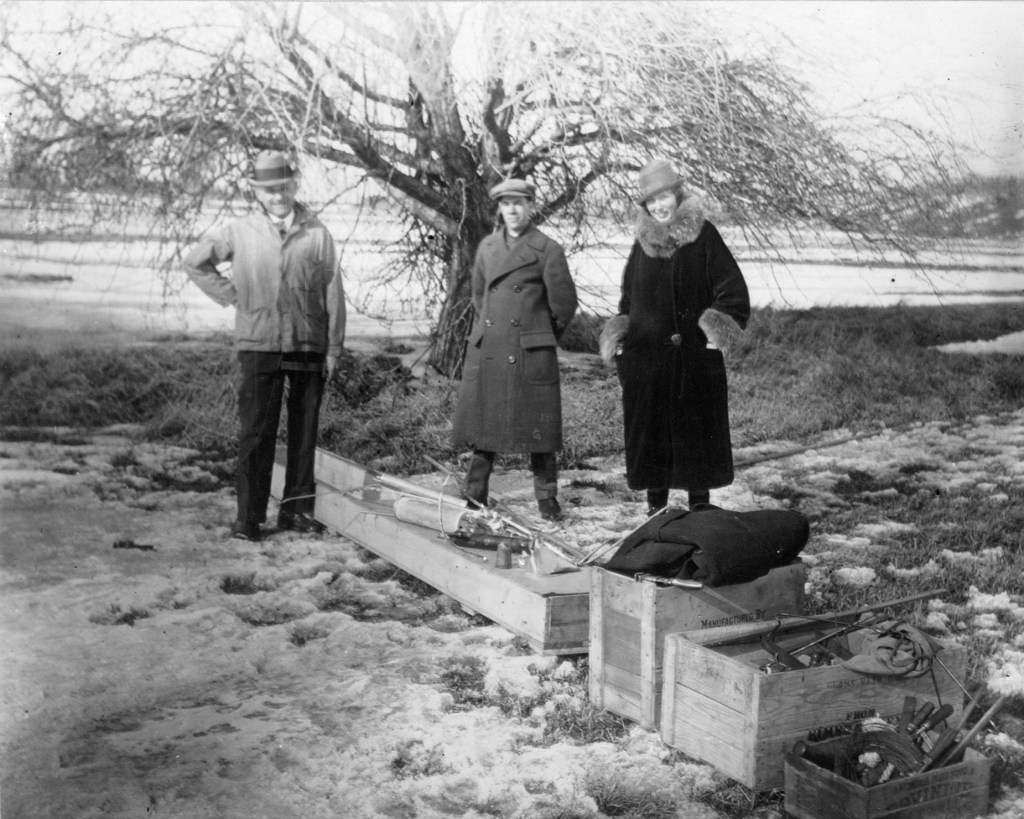
    March 12, 2o11 Saturday morning at Thule AFB is pretty slow paced. MIDN Brugler and I went to the gym around 0730, and we were the only ones there, except for a few Air Force guys. We had a lazy but productive morning (laundry, some research, email) in preparation for our sled ride trek in […]

    Read Full Post

    Day2: Exploring Thule and Surrounding Areas

    March 11, 2011 **We woke up to some horrible news about the Earthquake and subsequent Tsunami that struck Japan, and then threatened the Hawaiian Island and West Coast of the U.S. I taught the Intro to Oceanography course at USNA, and 2 of the core objectives are introducing the student’s to earthquakes and tsunamis. I […]

    Read Full Post

    How We Got Here: From the U.S. Naval Academy to Greenland

    March 10, 2011 LCDR John Woods is a Meteorology and Oceanography Officer (METOC) currently teaching in the Oceanography Department at the United States Naval Academy (USNA).  He is part of the Sea Ice Thickness Observation team joined NASA’s Operation IceBridge mission in the field for the Arctic 2011 campaign. (OIB 2011). Most midshipmen at USNA […]

    Read Full Post

    The Great Fireball Network

    Watching the skies is much more than a hobby with the Marshall Center’s Bill Cooke, lead of the Meteoroid Environment office — it’s an obsession. Each morning when Cooke logs on to his computer, he quickly checks email for the daily update from the fireball camera network. Groups of smart cameras in Cooke’s new Fireball network triangulate the …

    Read Full Post

    Map Projections Matter

    Poorly chosen map projections can be very misleading, as demonstrated by the claim that “most” of the Northern Hemisphere was covered in snow and ice in early February.

    Read Full Post

    The Moon and Its Core

    Dr. Renee Weber, a planetary scientist at NASA’s Marshall Space Flight Center, will participate in a live video webcast on Feb. 16 at 7 p.m. CST. Weber will discuss new research which definitively identified details about the moon’s core, as announced in a January issue of SCIENCE magazine.Details about the findings from Dr. Weber’s team can …

    Read Full Post

    Snooping on the Neighbor

    The moon is Earth’s nearest celestial neighbor. It’s the brightest object in the night sky and has profoundly influenced the course of human civilization. For early humans, the moon provided lighting for hunting and defined when crops should be planted and harvested. Markings of lunar phases appear in cave paintings in France and defined the …

    Read Full Post