


Suggested Searches

Blogs

    Out of the Fog

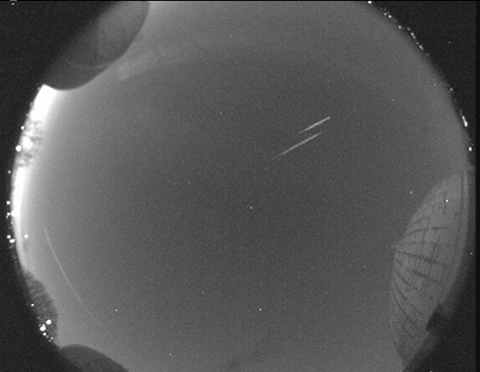
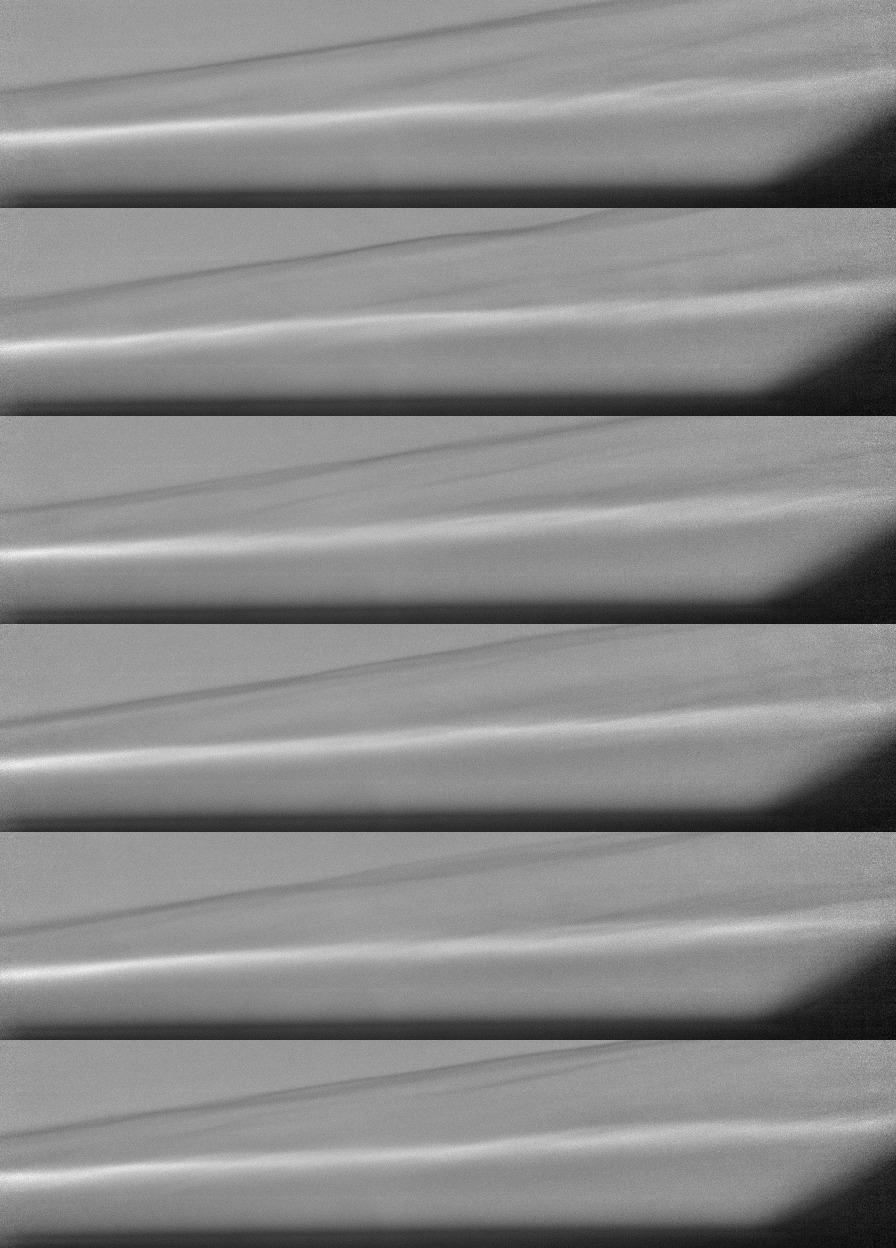
    Most years, the Swiss Air Force hosts an air show in the fall that sends planes roaring over the Axalp-Ebenfluh firing range near Brienz, Switzerland. Spectators often congregate at the Axalp, a resort area on a terrace that overlooks Brienz from an elevation of about 1,500 meters (4,900 feet). While waiting for the 2013 show […]

    Read Full Post

    An Unusual First Stage Photo

    SpaceX CEO Elon Musk released this photo yesterday of the first stage of the Falcon 9 rocket that will launch the SpaceX-3 mission to the International Space Station. The unusual feature is the landing legs on the side of the rocket. According to Musk, they are 60 feet in diameter. He said the booster will …

    Read Full Post

    ISS Daily Summary Report – 02/24/14

    Growth of Homogeneous SiGe Crystals in Microgravity by the TLZ Method (Hicari)  Experiment:  Flight Engineer (FE)-6 Wakata removed the Sample Cartridge Serial Number 004 from Sample Cartridge Automatic Exchange Mechanism (SCAM) holder #4. The materials science investigation Growth of Homogeneous Silicon-Germanium (SiGe) Crystals in Microgravity by the TLZ Method (Hicari) aims to verify the crystal-growth …

    Read Full Post

    February Puzzler

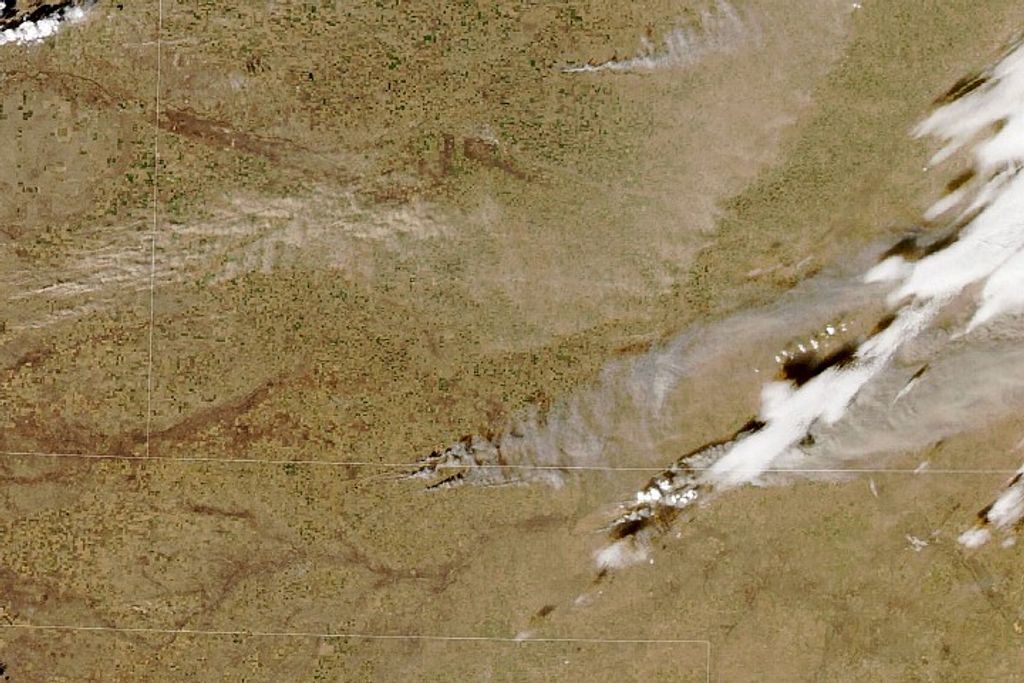
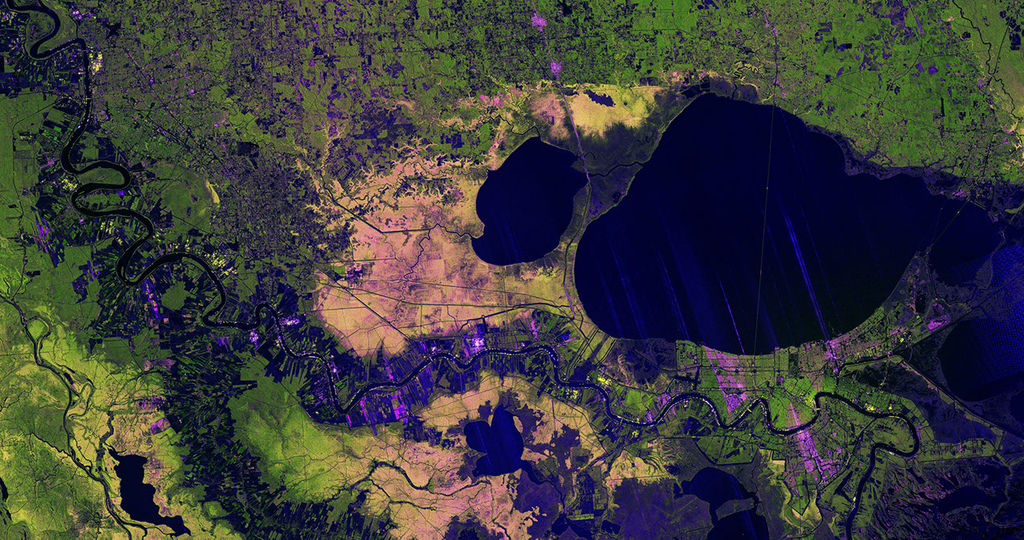
    Every month we offer a puzzling satellite image here on Earth Matters. The February 2014 puzzler is above. Your challenge is to use the comments section to tell us what the image shows, what part of the world we are looking at, when the image was acquired, and why the scene is interesting. How to answer. Your answer […]

    Read Full Post

    GPM’s Launch Rehearsal

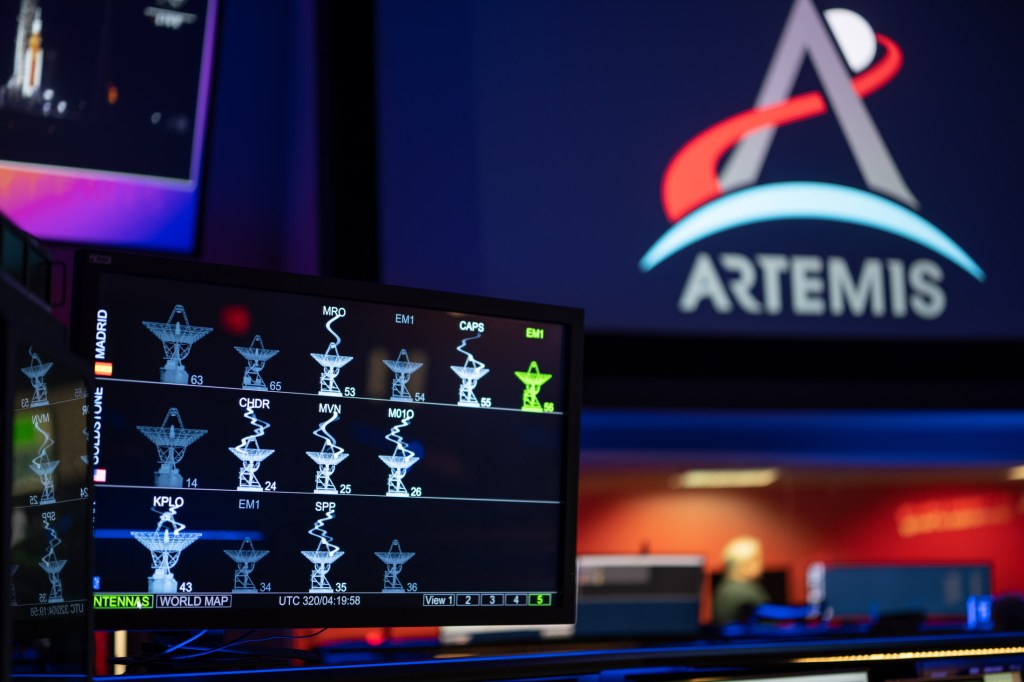
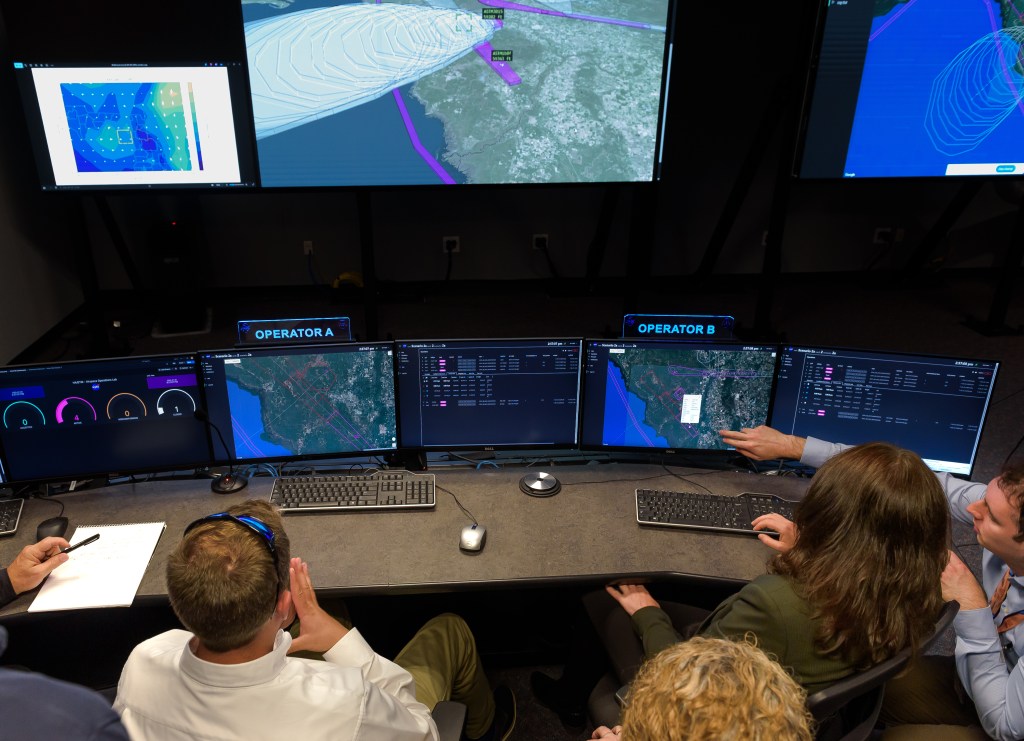
    When a satellite gets to space, the first thing it needs to do is check in with those who sent it there. NASA’s David Lassiter is the guy on the other end of the line. “My job is just to make sure E.T. can call,” he said. Responsible for radio frequency communications– RF comms–he’ll be […]

    Read Full Post

    Live from Tanegashima, a New Precipitation Satellite is Ready to Launch

    At the town line into Minamitane on Tanegashima Island, Japan, a giant billboard announces, “Global Precipitation Measurement / Launching of the rocket is coming soon!” Six days to be exact. I grinned when I saw it. Global Precipitation Measurement, or GPM, is why I’m in town. The launch window begins at 1:07 p.m. Feb. 27 […]

    Read Full Post

    ISS Daily Summary Report – 02/21/14

    Aniso Tubule Experiment Operations:  Today Flight Engineer (FE)-6 Wakata retrieved the Aniso Tublule sample from the Cell Biology Experiment Facility (CBEF) door where he had put it earlier this week, watered it, and placed it on the Multi-Purpose Small Payload Rack (MSPR) fluorescent microscope for 48 hours of observation.  He placed the remainder of the …

    Read Full Post

    A Quick Guide to NASA’s Newest Satellite

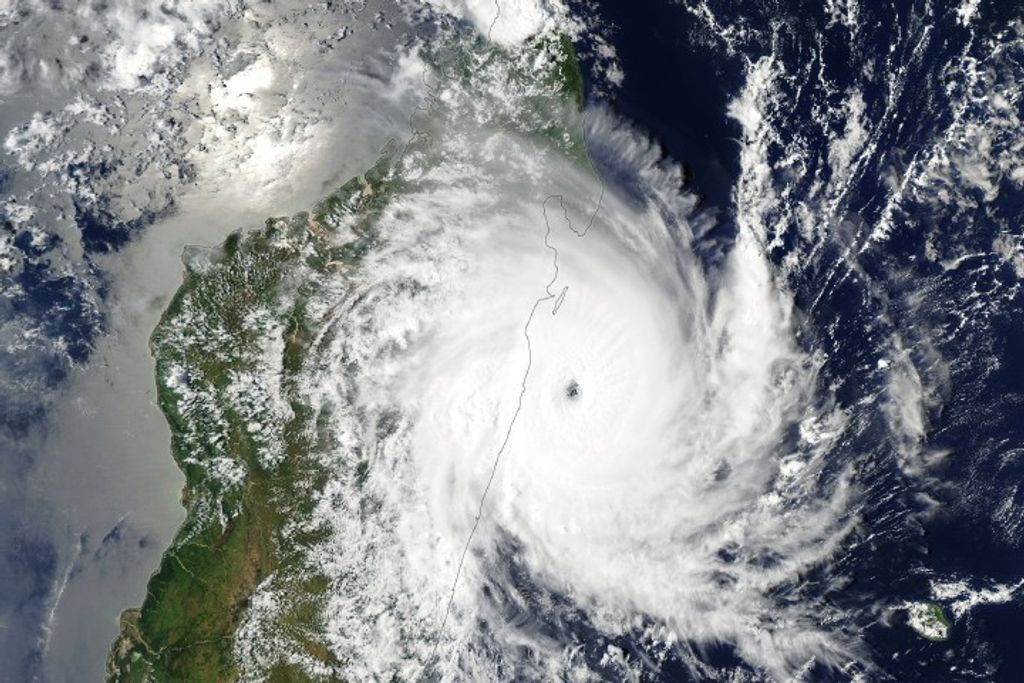
    Global Precipitation Measurement (GPM) is a name worth remembering. First of all, it’s a satellite.  On February 27, 2014, GPM’s Core Observatory is scheduled to rocket into space from Japan’s Tanegashima Space Center carrying a radar and radiometer capable of measuring precipitation in new ways. However, this joint NASA/JAXA mission is bigger than just one satellite. The scientists behind GPM are hoping that […]

    Read Full Post

    ISS Daily Summary Report – 02/20/14

    Spinal Ultrasound Scan Operations:  Flight Engineer (FE)-3 Hopkins, with assistance from FE-6 Wakata and ground experts, performed his Flight Day 150 Spinal Ultrasound session. This investigation aims to characterize microgravity-associated spinal alterations during and after spaceflight using in-flight ultrasound. Results from this research will provide data to enhance crew health for long duration space missions. Cube …

    Read Full Post

    ISS Daily Summary Report – 02/19/14

    Cygnus Re-Entry:   Cygnus completed its De-Orbit Delta-V (DDV)-1 burn at 7:24 am CST this morning.  The Re-Entry Delta-V (RDV) burn was initiated at 11:45 am CST.  The vehicle crossed the Entry Interface and destructively re-entered the atmosphere off the coast of New Zealand at approximately 12:20 pm CST.  The final loss of telemetry occurred at …

    Read Full Post