


















Ames Partnerships Office Annual Report 2025
Last year the Ames Agreements office brought in $133,011,050 from Reimbursable Agreements. The Ames Small Business Innovation Research / Small Business Technology Transfer (SBIR/STTR) program gave $321,190,616 in seed funding. The Ames Technology Transfer Office received $655,231 in Patent and Copyright Royalty.
Learn More about Ames Partnerships Office Annual Report 2025
Letter from Partnerships
NASA Ames strategic partnerships are fundamental to how we deliver NASA’s mission with speed, efficiency, and public value. In the heart of Silicon Valley, Ames leverages unmatched research capabilities, an entrepreneurial ecosystem, and flexible collaboration tools to drive innovation across industry, academia, government, and international organizations.
This year’s accomplishments reflect the growing importance of collaboration in addressing some of humanity’s most urgent challenges: from wildfire detection and climate resilience to orbital debris mitigation, space biology, and advanced air mobility. Partnerships at Ames don’t simply advance NASA’s strategic goals; they generate revenue, accelerate technology development, unlock new markets, and provide meaningful benefits here on Earth.
Join us in building a future where partnerships drive both exploration and public benefit, unlocking discoveries that serve the nation and inspire the world!


Agreements
The Ames Agreements Office collaborates with domestic corporations, startups, universities, international entities, and other government agencies to lead innovation and advancement. In 2025, this office executed 108 agreements and generated $133,011,050 reimbursable dollars and had a cost avoidance that cumulated to $4,963,625.
Reimbursable Value
~ $133M
Executed Agreeements
108
Cost Avoidance
~ $5M
Agreements Office
United States Forest Service's Wildfire Partnership
Wildfire Management with UAS Operations
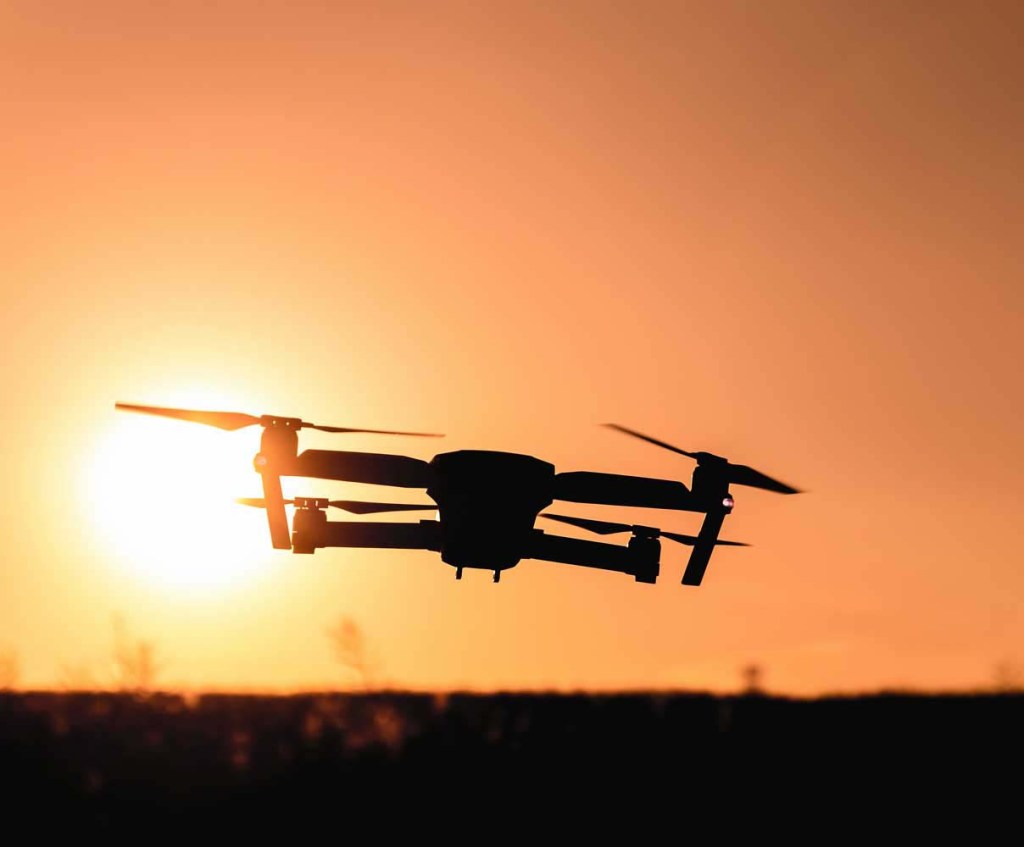
2025 marked the completion of a successful 5-year partnership between NASA ARC and the US Forest Service (USFS). Over the course of the agreement, ARC’s Human-Systems Integration Division led a portfolio of activities to better understand the complexities of situation awareness and decision-making for Uncrewed Aircraft Systems (UAS) operations in wildland firefighting.
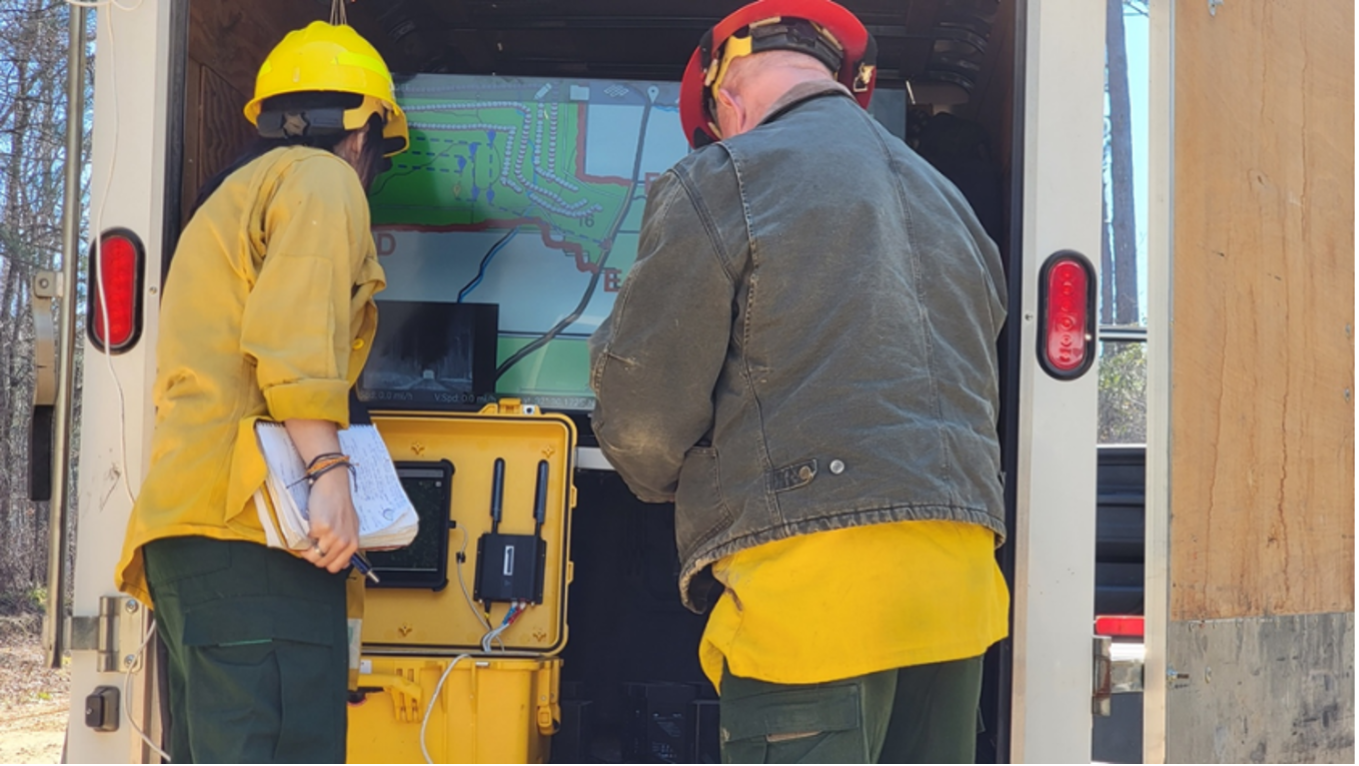
NASA Ames and USFS jointly designed a prototype system to alert operators of nearby aircraft. Known as the UASP-kit, the prototypes continue to be used by USFS pilots on wildfires and control burned fires today. Other areas of work explored radio communications, portable ground-based radar, and aerial ignition. Numerous field observations allowed researchers to properly understand the realities of USFS aviation, eventually supporting efforts to educate crewed aviation pilots about the USFS UAS program’s efforts to proactively strengthen the safety and professionalism of UAS.
Combining the operational expertise of the USFS with the research skillsets of NASA Ames was the key to identifying several opportunities related to a fundamental truth – communication, coordination, and deconfliction of airspace, as done in today’s aerial firefighting, is human-centric. Developing innovations that supplement those operations, rather than replace or disrupt, are well aligned with the core competencies of NASA Ames.
Agreements Office
Overwatch Aero's Wildfire Partnership
Wildfire Management with UAS Operations
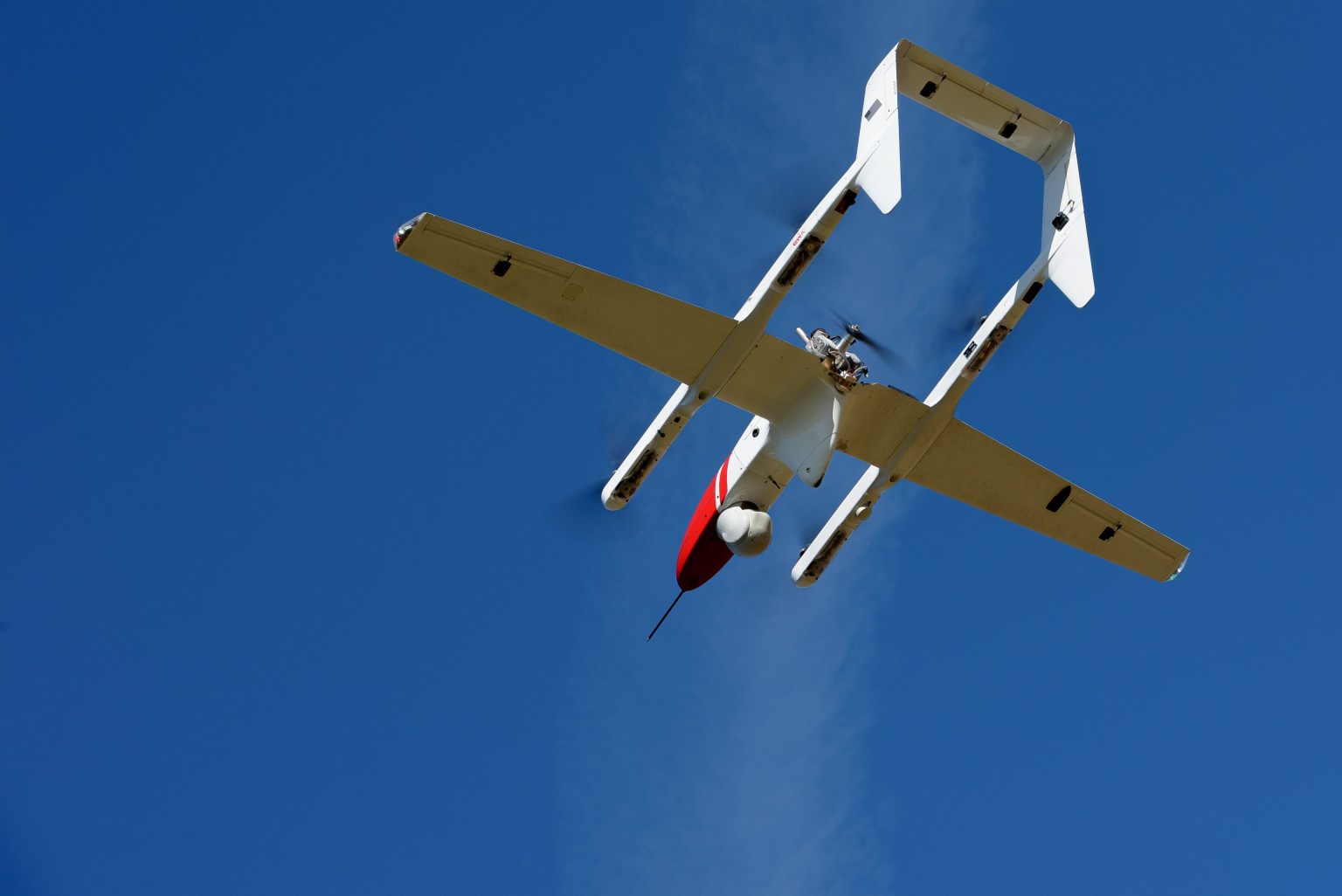
During a flight evaluation in the spring of 2025, NASA Ames leveraged the expertise and services of Overwatch Aero, a recognized leader in Uncrewed Aircraft Systems (UAS) operations for aerial data acquisition in complex environments. A trusted provider of UAS technologies to the interagency community of wildland firefighting (e.g., Department of Interior, US Forest Service, etc.), they routinely operate over wildfires, providing critical intelligence to support the decision-making of first responders.
NASA researchers were investigating novel ways to apply UAS Traffic Management (UTM) constructs to the dynamic operations typical of wildland firefighting. They validated prototype systems in mountainous terrain near Salinas, California – an area with unreliable cellular connectivity. Overwatch Aero’s aircraft established an aerial comms relay, allowing data to flow across a local network. Together, NASA Ames and Overwatch Aero are exploring how digital data exchanges can support the manual procedures used for coordinating today’s aerial firefighting activities. The success of the 2025 flight evaluation has led to subsequent testing events with Overwatch Aero planned in 2026 and 2027.
Agreements Office
Hollister Aerospace Ecosystems (HAE) Flight Tests
ATM-X and Partners Conduct Initial Hollister Aerospace Ecosystems (HAE) Flight Tests
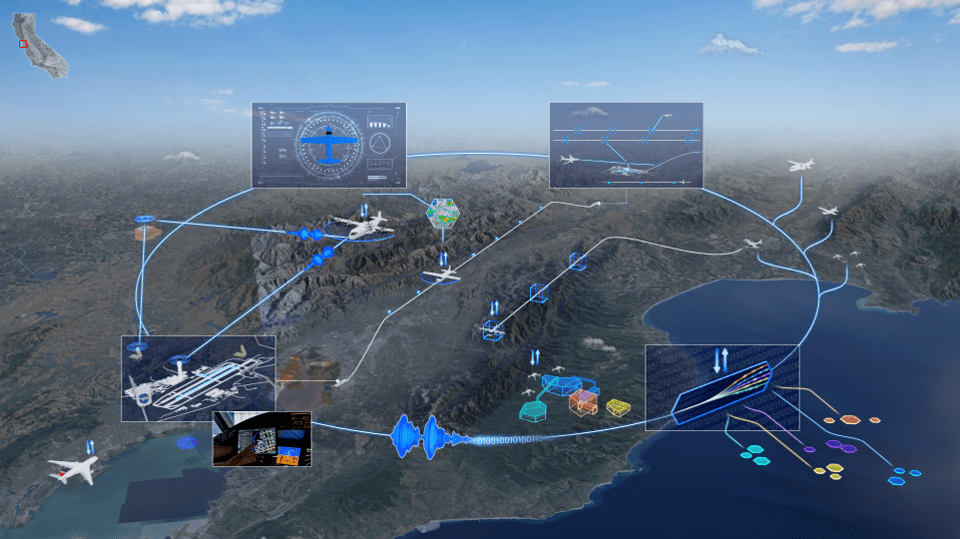
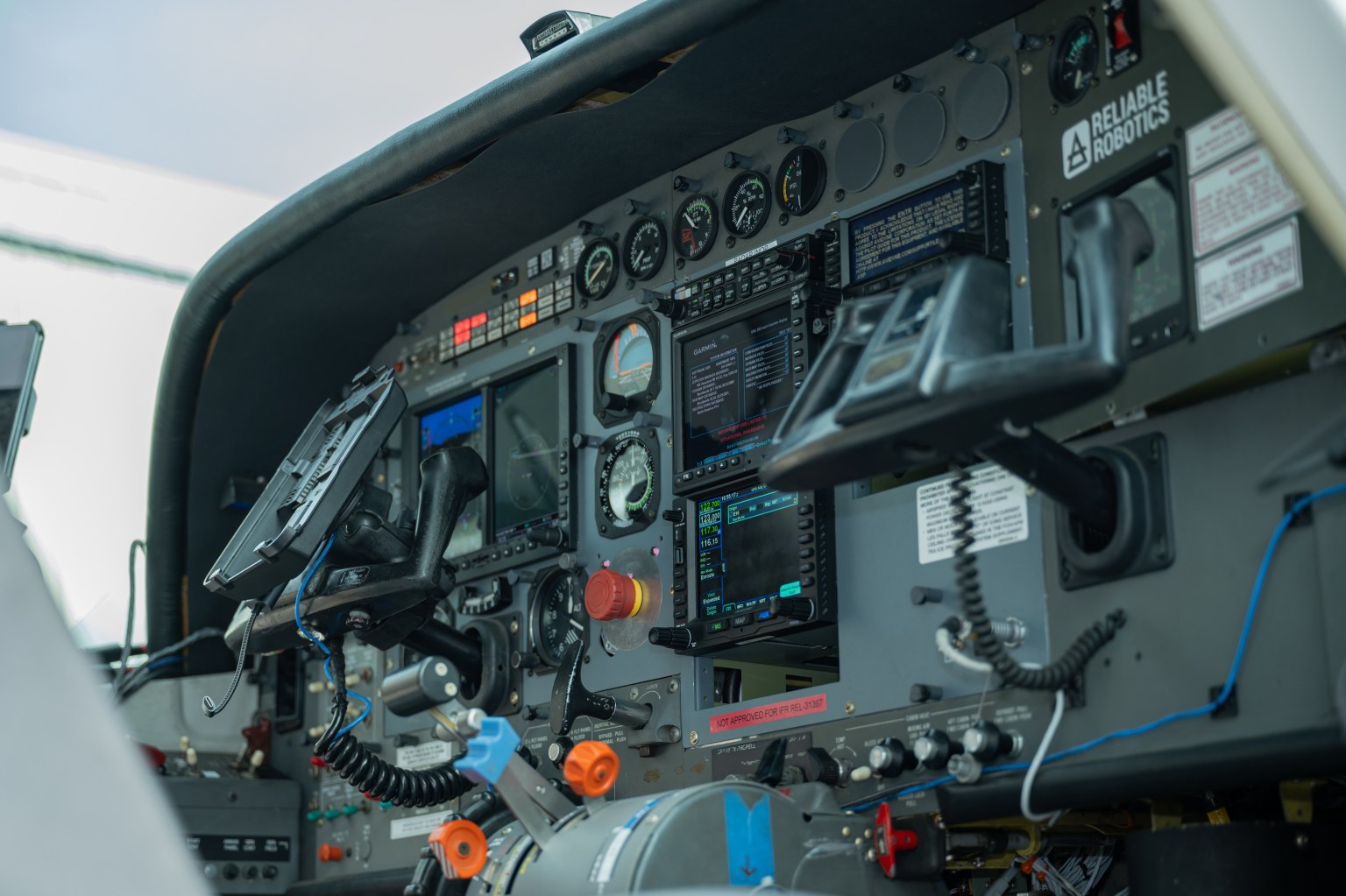
The Air Traffic Management eXploration (ATM-X) Project held a joint flight test with Reliable Robotics and Collins Aerospace in Hollister CA, on November 21, 2024. The effort was supported by the ATM-X Project’s Pathfinding for Airspace with Autonomous Vehicles (PAAV) Sub-project. The test was executed within the recently developed “Hollister Airspace Ecosystem” (HAE), which is expected to support recurring flight test activities between NASA and a variety of industry partners over the coming years. The November flight activity served as the first coordinated test event where these three groups exchanged live data between their various systems and facilities.
Reliable Robotics flew six different test cards (e.g., auto-takeoff, auto-landing, spiral climb maneuver) which were all scripted to occur within the expected range of Collins’s Skyler ground-based surveillance system (GBSS). The Skyler radar was deployed just north of the San Martin Airport and oriented to capture flights between the San Martin and Hollister airports that fall within its field of regard. All six flight cards were successfully flown by the Reliable Robotics aircraft and data from the Skyler radar was successfully routed to the Reliable Robotics ground control station in Mountain View CA. The Skyler radar feed was also successfully received by NASA Ames Research Center (ARC) and displayed within the new Mission Visualization and Research Control Center (MVRCC). The MVRCC also received a live video feed from Reliable Robotics, which allowed members of the PAAV team as well as observers from other programs and projects to view the HAE flight test with a consolidated view of multiple data feeds.
Data collected from this flight will be analyzed in order to assess the radar performance and provide input for further improvement. NASA leadership (Aeronautics Research Mission Directorate and Ames Aeronautics Research Directorate), congressional staff from Northern California, and executives from Collins Aerospace and Reliable Robotics also took the opportunity presented by the flight to visit Reliable Robotics (both its hangar in San Martin and its headquarters in Mountain View), and Wisk’s headquarters in Mountain View, CA. While Wisk did not participate in the initial HAE flight test, it will be engaged with ATM-X soon and begin participating in the HAE in 2025. The flight test and corresponding tours allowed the different groups to share their perspectives and further strategize on a course where these disparate organizations can work together to advance the state of remotely-piloted aircraft systems. [AOSP-PAAV]
Agreements Office
Wildfire, Ecosystem Resilience, & Risk (WERK) Assessment Initiative
Wildfire, Ecosystem Resilience, & Risk (WERK) Assessment Initiative
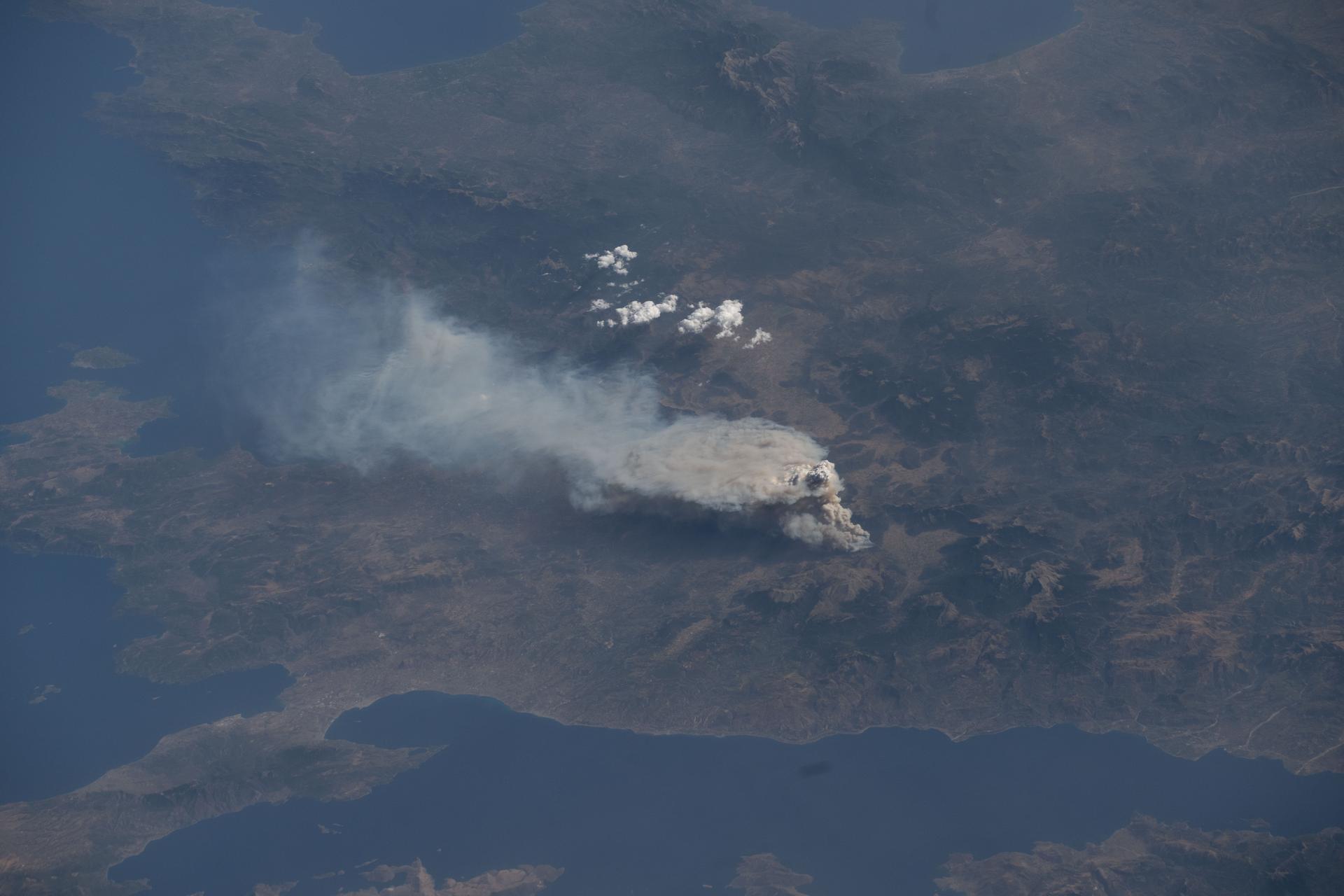
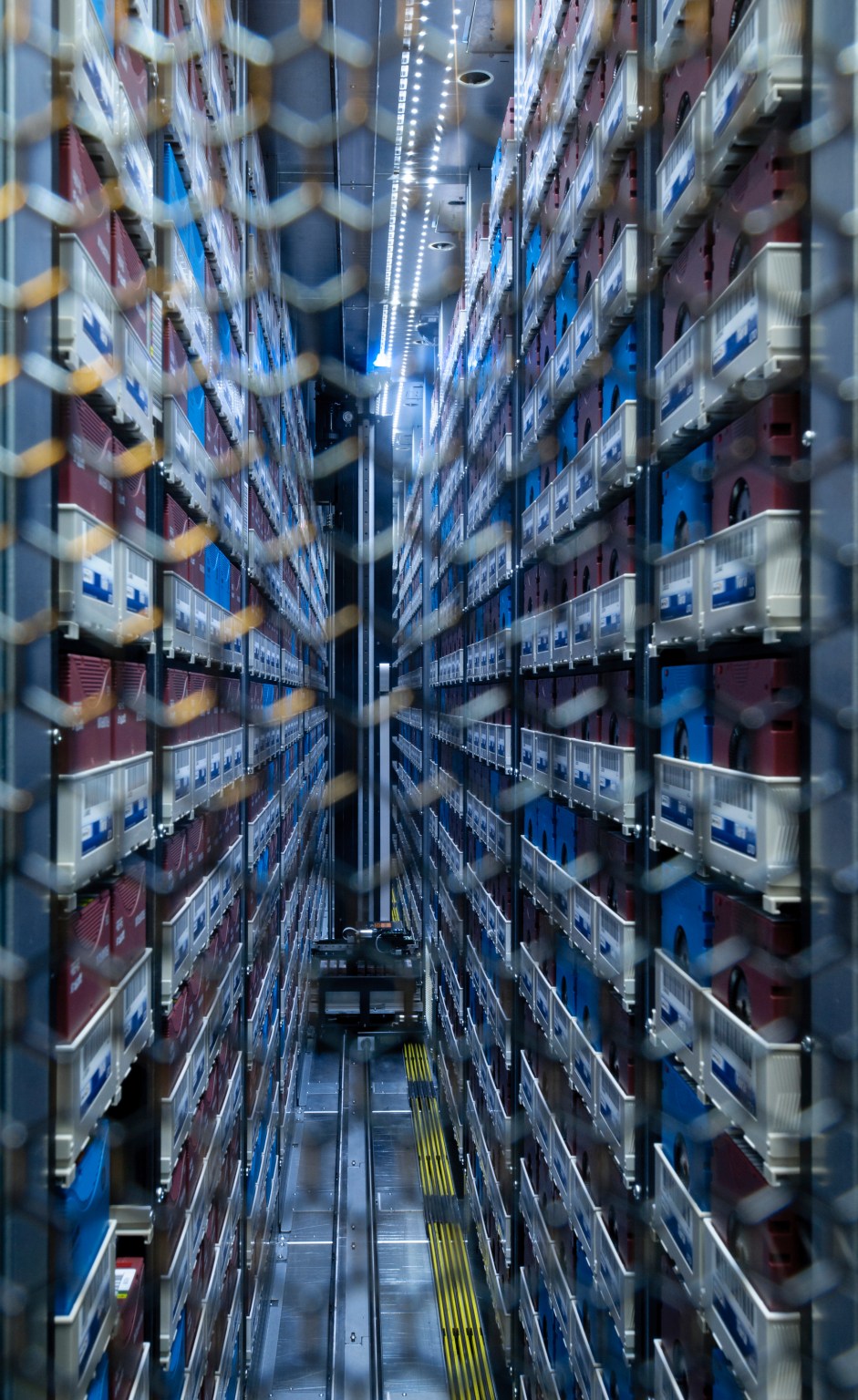
The California Air Resources Board and California Natural Resources Agency are working with Ames to to utilize the center’s supercomputing capabilities to develop cutting-edge remote sensing-based vegetation mapping products, tailored to California ecosystems. Using high-resolution data, this project will establish a thorough and up-to-date understanding of spatial and temporal ecosystem changes across California. The WERK project will create new metrics to monitor the state’s ecosystems and evaluate the impact management actions are having.
Leveraging the data as well as other datasets, the WERK project will integrate data on reported and remotely sensed management activity and ecosystem changes (water quality and supply, biodiversity, biomass, etc.) to develop comprehensive, updatable, and accurate accounting and contextualization of statewide ecological condition, disturbance, and recovery. This will include new wildfire severity metrics, improved biomass quantification, improved tree die-off detection and quantification, and impact and effectiveness assessments. Data will be aggregated within and across geographies (e.g., HUC 12, counties, ecoregions, etc.), and analyses will be performed to link drivers of change to disturbance events and outcomes, as well as broader ecosystem condition change.
These analyses will enable the State to better gauge how management (fuel reduction treatments, commercial timber harvest, etc.) interacts with wildfire and other ecosystem changes. These assessments will allow the State and federal agencies to evaluate how their programs have affected entire landscapes – not just within project boundaries.
Agreements Office
Heat Shield Technology for Artemis II
Thermal Protection System (TPS) Testing Partnerships for Entry Systems Modeling
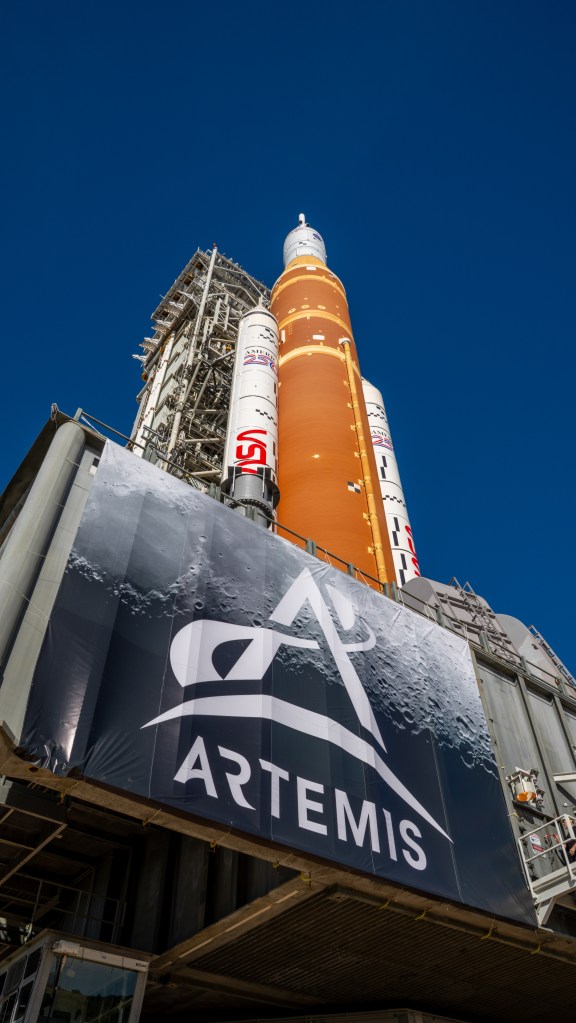
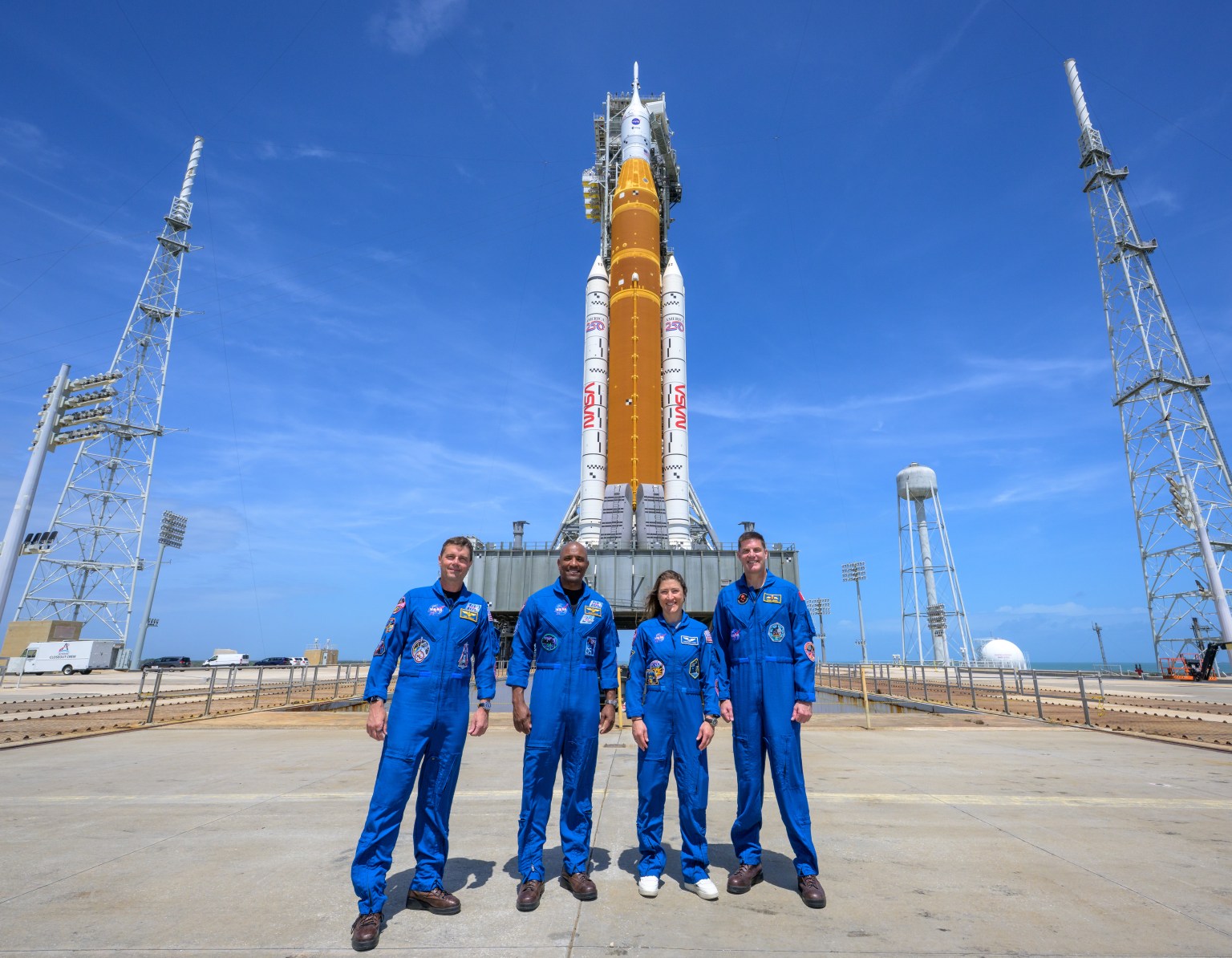
NASA’s Ames Research Center plays a vital role in protecting astronauts as spacecraft return safely to Earth. For the Artemis II mission, Ames engineers are helping develop and test the heat shield materials that protect the Orion spacecraft from the extreme temperatures of atmospheric re-entry and help ensure that future astronauts can travel to deep space, and return home, safely.
After carefully analyzing data from Artemis I, Ames specialists confirmed that the Orion heat shield design for Artemis II is safe, supporting minor trajectory adjustments to further reduce heating. Ames works closely with private industry, including companies like Canopy Aerospace and Varda Space Industries, to share heat-shield technology and help strengthen America’s growing space economy.
Ames experts pioneered advanced heat-shield materials such as Avcoat, currently used on Orion, and Phenolic-Impregnated Carbon Ablator (PICA), a lightweight thermal protection material now adopted by commercial space companies. Using powerful arc jet testing facilities, Ames simulates the intense heat of re-entry to ensure these materials perform reliably under the harshest conditions.

Technology Transfer
NASA Ames Research Center’s Technology Transfer Office ensures that technologies developed for missions in exploration and discovery are broadly available to the public, maximizing the benefit to the nation. In 2025, this office received $655K in patent & copyright royalties, executed 27 license agreements, issued 5 patents, and released 5 software packages.
Patent & Copyright Royalty Received
~ $655K
License Agreements Executed
27
Patents Executed
5
Software packages
5
Technology Transfer
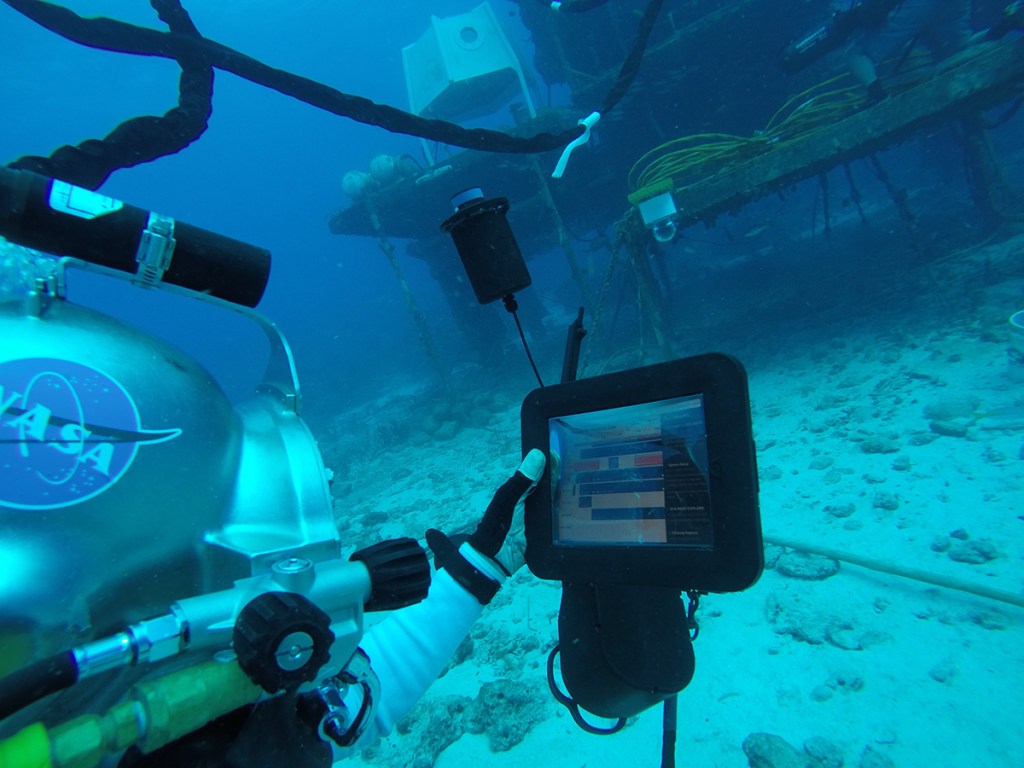
Playbook Collaborative Planning, Scheduling, and Execution Tool for Space Operations
Honorable Mention
NASA ARC was selected as the Honorable Mention for the 2025 Software of the Year Award. Playbook Collaborative Planning, Scheduling, and Execution Tool for Space Operations is a revolutionary web-based software tool designed to seamlessly integrate a comprehensive suite of capabilities in mission operations, adept in both real-time and communication-delayed environments. Playbook provides a collaborative planning, scheduling, and execution software platform for mission operations. Uniquely grounded in human-centered design principles from its inception, Playbook has evolved over thirteen years of development into a highly usable, operationally capable, and robust tool, enabling a diverse range of missions on Earth, the Moon, and Mars.
Explore the Playbook Collaborative Planning, Scheduling, and Execution Tool about Playbook Collaborative Planning, Scheduling, and Execution Tool for Space Operations
Technology Transfer
Condor Software
Software of the Year
NASA Ames’ Condor Software was selected as the Co-Winner of the 2025 Software of the Year. Condor is a mathematical modeling framework in Python that revolutionizes the way engineers can perform analysis and design using numerical models. Condor uses a metaprogramming paradigm to allow users to define system models just like they would in an engineering memo, significantly reducing the software development burden for deploying models and increasing engineering efficiency. Condor also has a modular architecture making it easy to use off-the-shelf solvers and other NASA tools. Condor has been used to solve a variety of challenging problems in both aeronautics and space exploration, including allocation for hybrid-electric aircraft propulsion and robust-safe orbital trajectory design.
Condor Software about Condor Software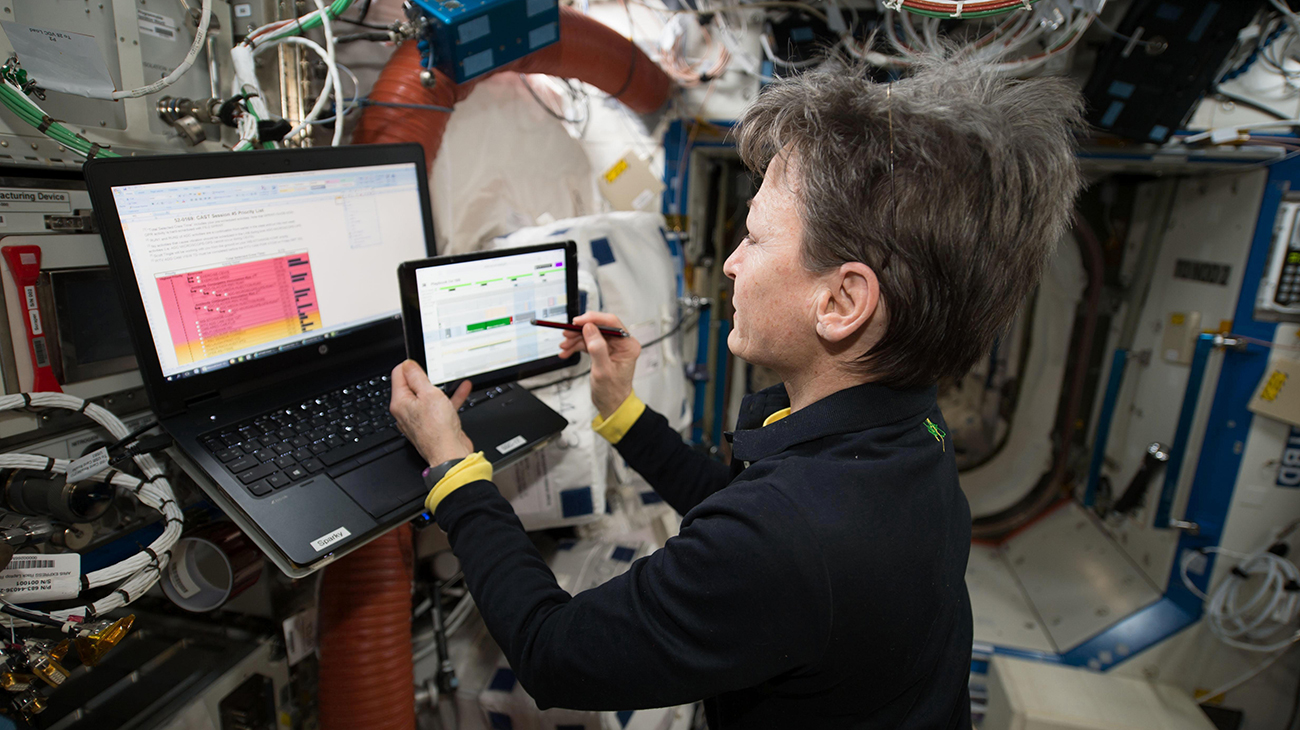


SBIR/STTR Program Office
The NASA Small Business Innovation Research / Small Business Technology Transfer (SBIR/STTR) program is part of America’s Seed Fund, the nation’s largest source of early-stage non-dilutive funding for innovative technologies. In 2025, NASA Ames SBIR/STTR office awarded 593 contracts with a total of $321 million of seed funding to small businesses.
seed funding for small business contracts
~ $321 M
Small business contracts awarded
593
Space Portal
Advancing a National Microgravity Manufacturing Capability
InSPA and SBIR/STTR Partnerships
InSPA, is led by the ISS Payload Utilization Office at NASA Johnson Space Center and implemented in partnership with the Space Portal and the ISS National Lab, with support and guidance from NASA’s Biological and Physical Sciences Division and the Space Technology Mission Directorate. The portfolio is designed to help U.S. innovators traverse the technology “Valley of Death” by proving and de-risking in-space manufacturing concepts that are transitioning toward scalable production on Commercial Low Earth Orbit Destinations (CLDs) and free-flying platforms to serve terrestrial markets.
InSPA-funded teams produced unprecedented scientific and technical results across multiple domains, including historic firsts in cancer biology and therapeutics, stem cell research, semiconductor crystal growth, optical fiber manufacturing, drug discovery, RNA-based therapeutics, and the space-enabled production of artificial retinas. These achievements demonstrate that microgravity processing can generate superior biological, chemical, and solid-state materials and data streams with direct economic and societal value—often faster and with higher fidelity than is possible on Earth. The scale and quality of these results catalyzed national recognition that microgravity manufacturing is strategically important for U.S. competitiveness in advanced medicine, semiconductors, quantum-enabled materials, and next-generation medical devices.
These results are shaping U.S. national microgravity strategy and demonstrating that space-enabled manufacturing is no longer speculative, but a proven pathway to superior products, new medical solutions, and sustained American leadership in industries of the future.

Stay at Ames Real Property
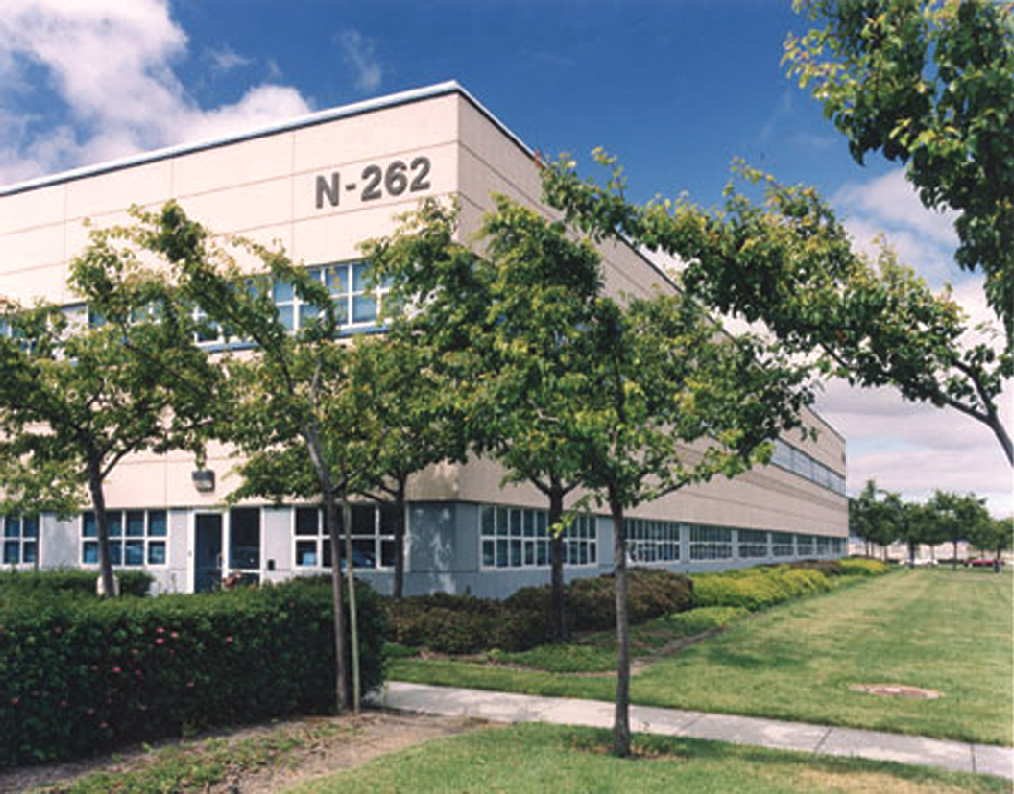
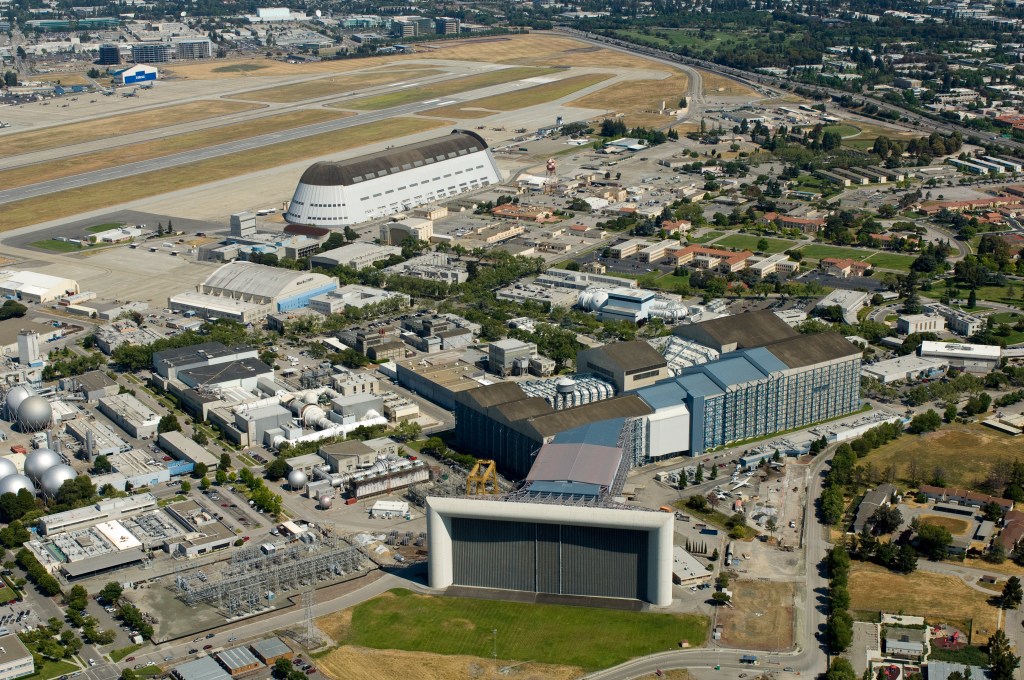
Ames offers leasing options to domestic corporations, startups, universities, international entities, and other government agencies.