


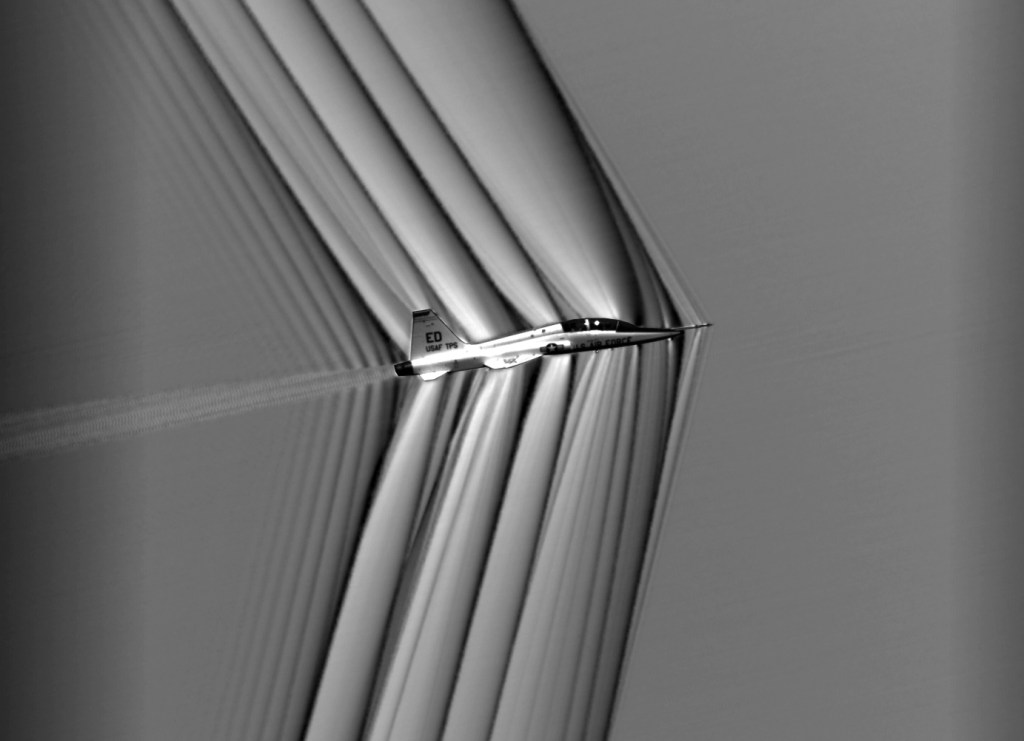











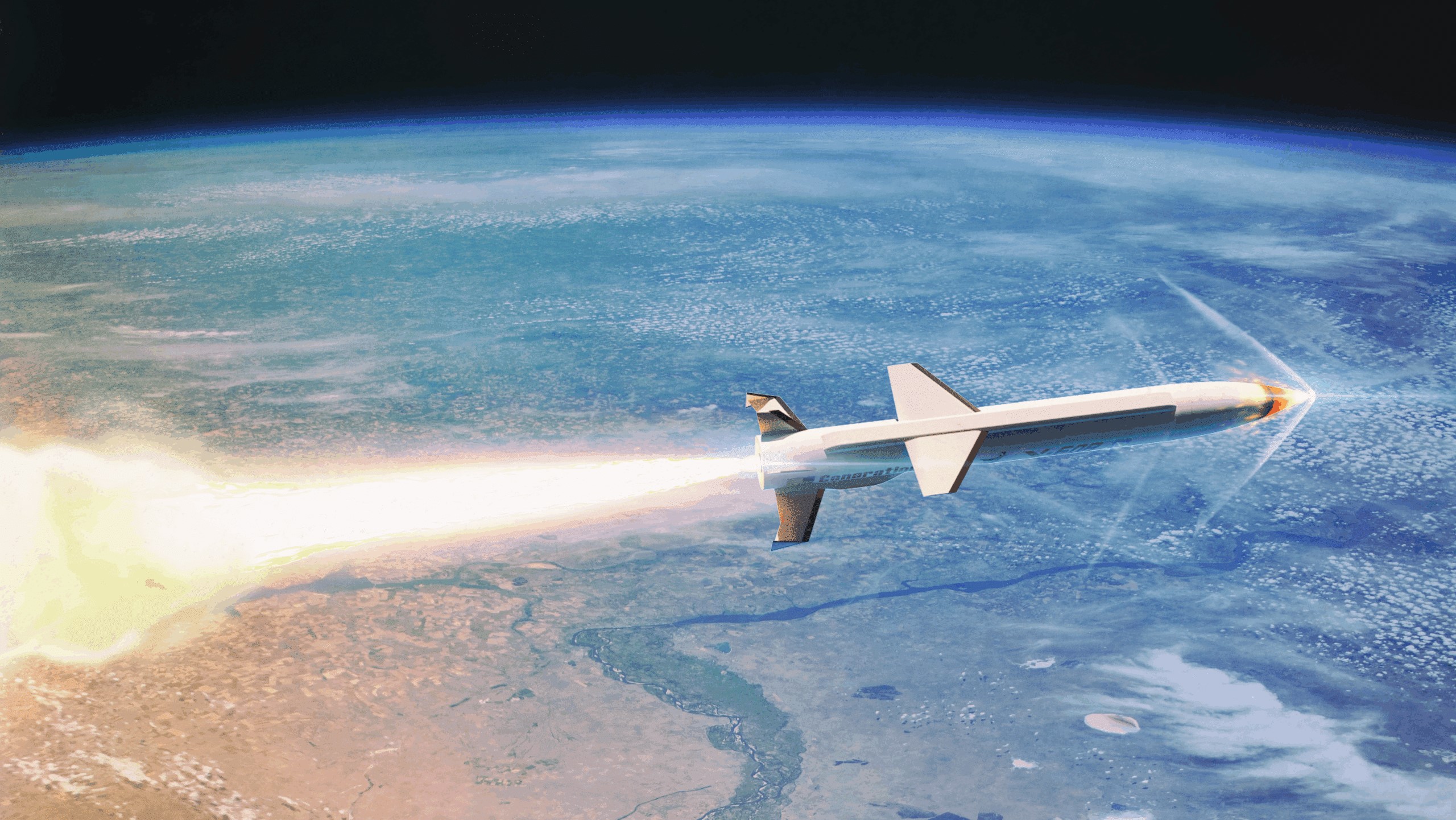
While NASA is working with U.S. aviation to explore commercial supersonic technologies, the agency is also looking forward to an even faster era of flight – one of vehicles that can fly hypersonic, or five times the speed of sound. And to further that vision, NASA has issued two awards for studies into vehicle concepts.
Some types of vehicles – such as rockets – achieve hypersonic speeds by carrying supplies of oxygen to allow their fuel to burn, instead of using the surrounding air. In contrast, NASA’s Hypersonic Technology Project works to advance “airbreathing,” reusable hypersonic aircraft, which take in air as they fly, allowing for much longer sustained cruising at hypersonic speeds.
Given commercial interest in finding applications for airbreathing hypersonic vehicles, the Hypersonic Technology Project is looking to find ways to make testing and development easier. Two contract awards the project made in August are aimed at helping to provide an affordable bridge between hypersonic ground and flight tests.
“With these awards, NASA will collaborate with the commercial hypersonics industry to identify new ways to evaluate technologies through flight tests while we address the challenges of reusable, routine, airbreathing, hypersonic flight,” said Dr. Nateri Madavan, director of NASA’s Advanced Air Vehicles Program.
The new awards went to SpaceWorks Enterprises, of Atlanta, Georgia, and Stratolaunch of Mojave, California, both of which will support a six-month NASA study exploring how current vehicles could be modified to meet the need for reusable, high-cadence, affordable flight-testing capabilities. SpaceWorks, which received $500,000, will focus on the X-60 platform. Stratolaunch, which received $1.2 million, will focus on its Talon-A platform.
Through these awards, NASA wants industry to help define the capabilities needed to achieve flight test requirements. The work will also potentially support a future NASA Making Advancements in Commercial Hypersonics (MACH) project focused on advancing commercial hypersonic vehicles through the development of infrastructure such as cost estimates and schedule requirements for a potential flight vehicle.
NASA advances U.S. hypersonic research through the Hypersonic Technology Project under the agency’s Advanced Air Vehicles Program. NASA intends for these projects to help lead the way in enabling revolutionary advancements in fundamental airbreathing hypersonic technologies.