









Office of Data Science and Informatics
Advancing NASA science through innovative data science and informatics.

Latest ODSI News

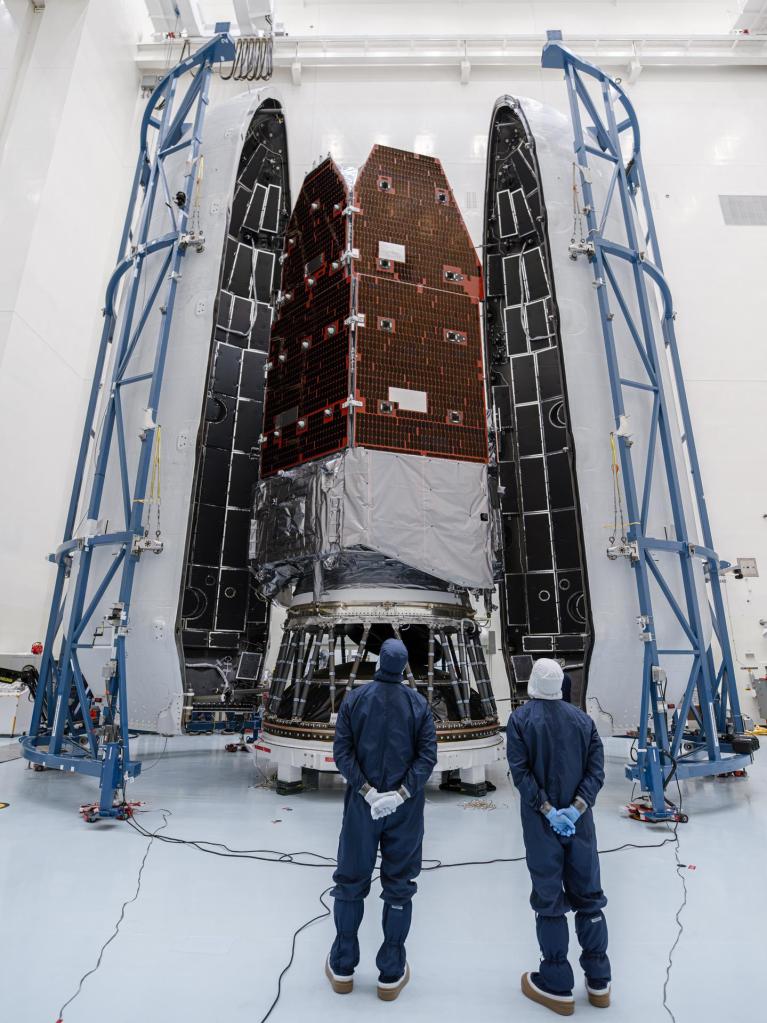
NASA’s Prithvi Becomes First AI Geospatial Foundation Model In Orbit
Revolutionizing Scientific Discovery with AI: Inside the Science Discovery Engine
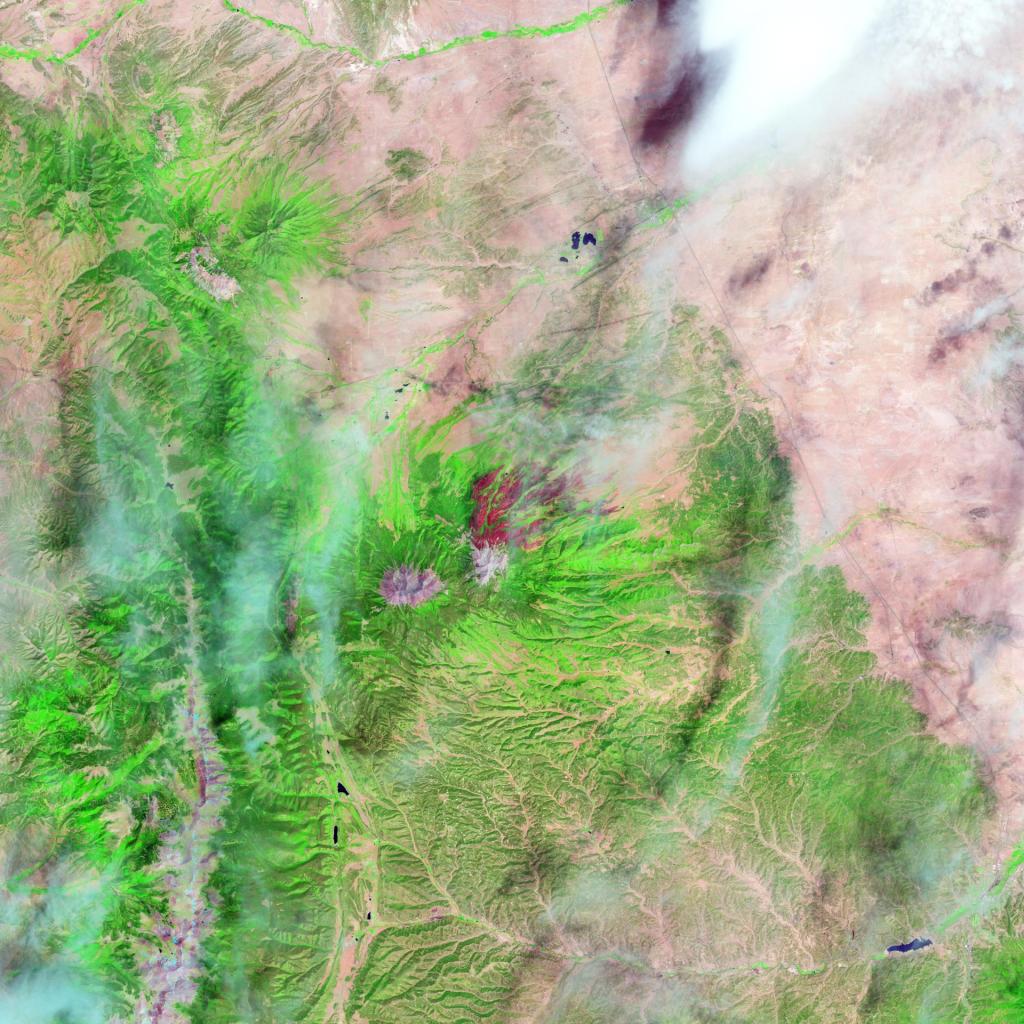
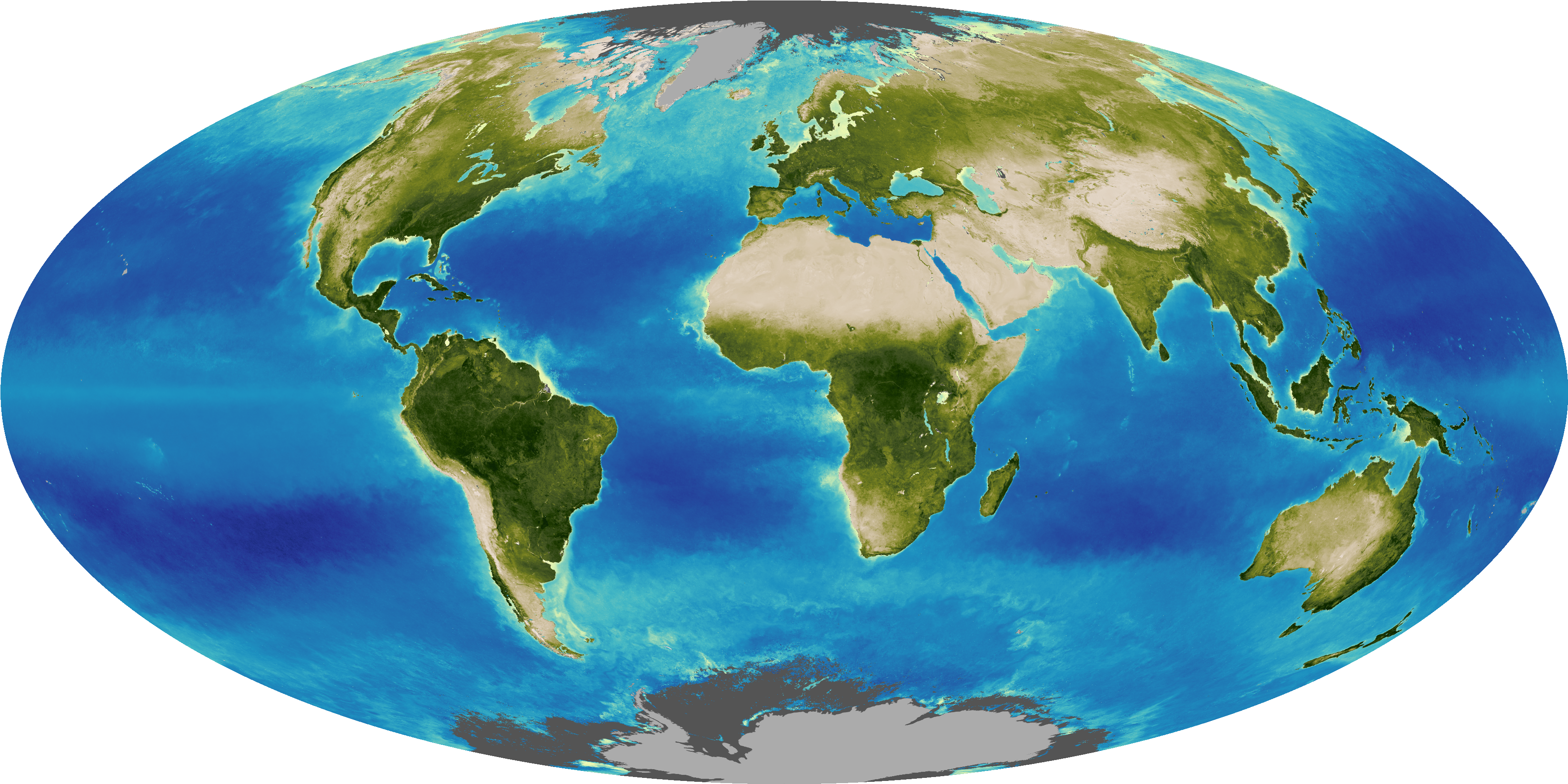
Expanded AI Model with Global Data Enhances Earth Science Applications
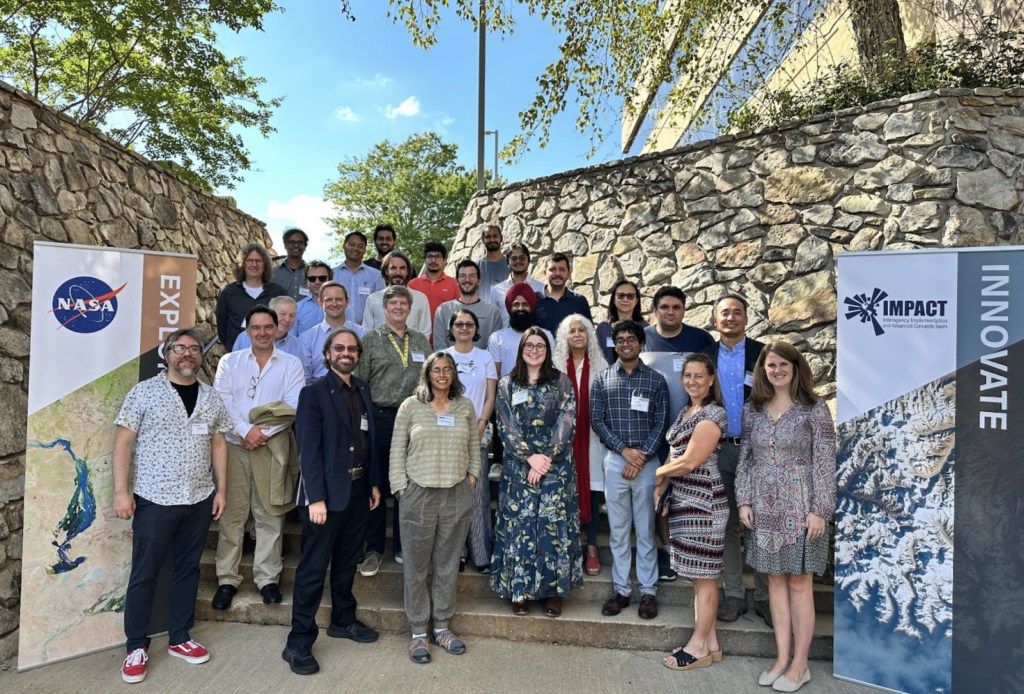
Inside Surya: The Team and Technology Behind NASA’s Solar AI Model
Large Language Models Catalyze Open Science Essentials Course Development

NASA AI, Open Science Advance Disaster Research and Recovery
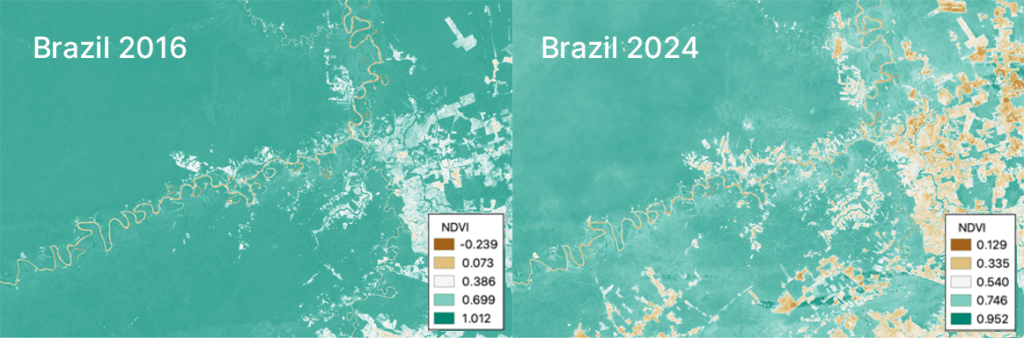
The Harmonized Landsat Sentinel-2 Project Releases Vegetation Indices
Analysis and Review of CMR Project Checks NISAR Metadata
Focus Areas

ODSI Leadership
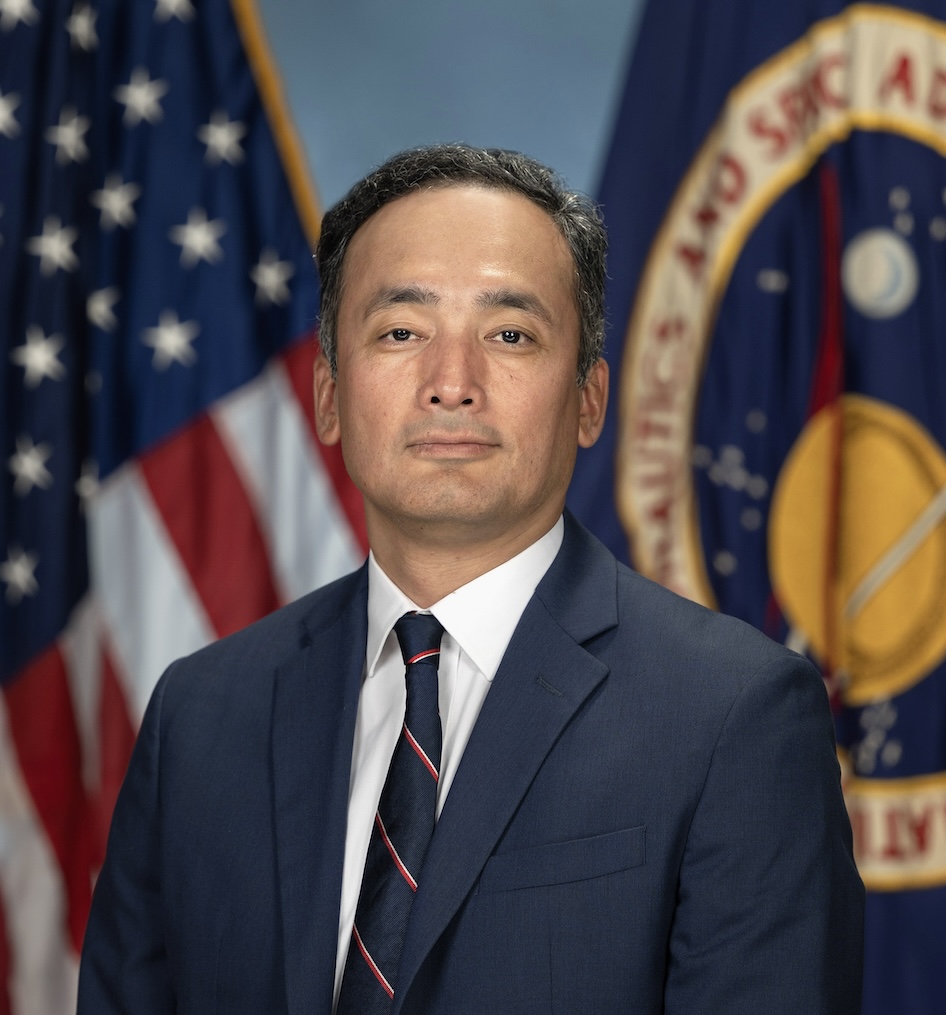






Pontus Oloffson
NASA's Satellite Needs Working Group Implementation Team, Lead and Project Scientist