














NASA Moves Steps Closer to Artemis II Fueling Test Ahead of Launch
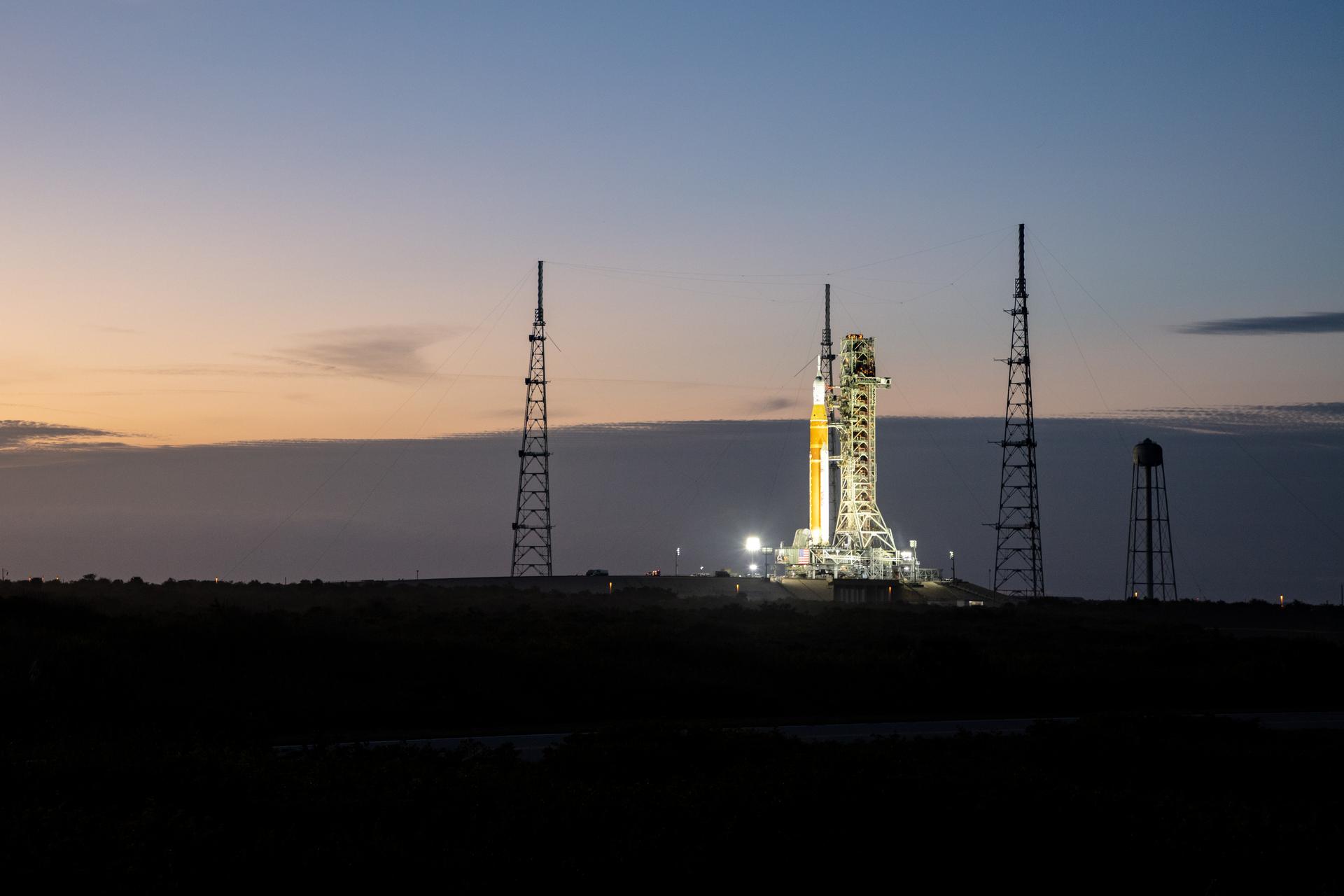
Teams at NASA’s Kennedy Space Center in Florida continue to prepare the SLS (Space Launch System) rocket, Orion spacecraft, and ground infrastructure in advance of the Artemis II test flight. Engineers have remained on track or ahead of schedule as they work through planned activities at the launch pad and are getting ready to conduct a wet dress rehearsal, leading up to a simulated “launch” as early as Saturday, Jan. 31.
The upcoming wet dress rehearsal is a prelaunch test to fuel the rocket. During the rehearsal, teams demonstrate the ability to load more than 700,000 gallons of cryogenic propellants into the rocket, conduct a launch countdown, and practice safely removing propellant from the rocket without astronauts inside the spacecraft.
During several “runs,” the wet dress rehearsal will test the launch team’s ability to hold, resume, and recycle to several different times in the final 10 minutes of the countdown, known as terminal count. The rehearsal will count down to a simulated launch at 9 p.m. EST, but could run to approximately 1 a.m. if needed.
The first run will begin approximately 49 hours before launch when launch teams are called to their stations, to 1 minute 30 seconds before launch, followed by a planned three-minute hold and then countdown resumption to 33 seconds before launch – the point at which the rocket’s automatic launch sequencer will control the final seconds of the countdown. Teams then will recycle back to T-10 minutes and hold, then resume down to 30 seconds before launch as part of a second run.
If needed, NASA may rollback SLS and Orion to the Vehicle Assembly Building for additional work ahead of launch after the wet dress rehearsal.
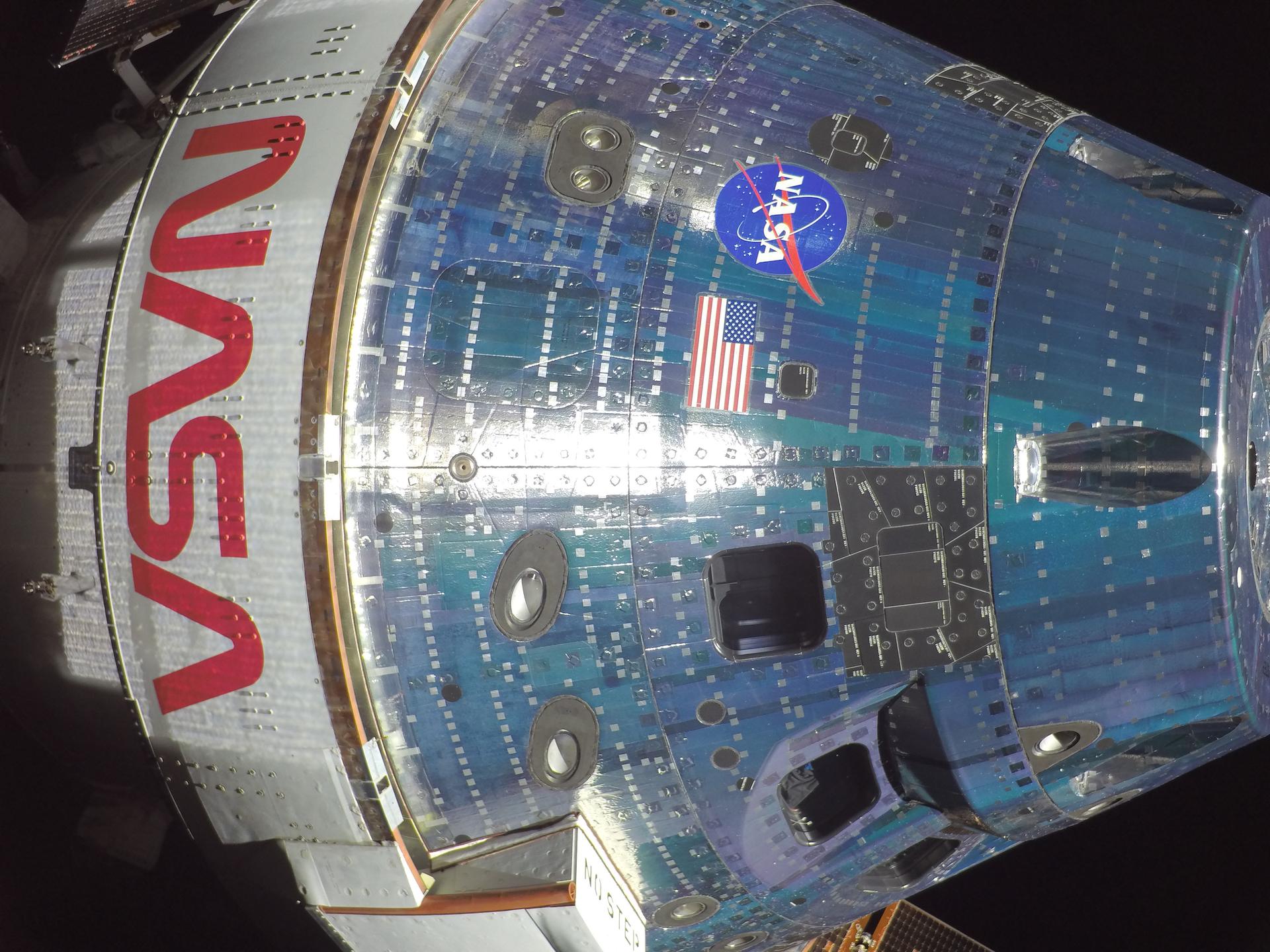
Over the weekend, teams successfully serviced the SLS rocket boosters, which involved loading hydrazine into the booster aft skirts. The team continues operations to prepare Orion for flight, including stowing items inside the spacecraft and performing planned pyrotechnic work on the launch abort system. Technicians performed checkouts of core stage’s four RS-25 engines and pressurized a tank in the spacecraft propulsion system used for fueling, called the composite overwrapped pressure vessel.
With cold weather sweeping the country and lower than normal temperatures expected in Florida Tuesday, Jan. 27, technicians are taking steps to ensure environmental control systems keeping Orion and SLS elements at the proper conditions are prepared for the cold.
Engineers and scientists also are addressing issues that cropped up during operations in preparation for crewed flight. During an evaluation of the emergency egress system, the baskets used to transport the crew and other pad personnel from the mobile launcher in an emergency stopped short of the terminus area located inside the pad perimeter. Since then, the brakes of the system have been adjusted to ensure the baskets fully descend. In the coming days, technicians also will take additional samples of Orion’s potable water system to ensure the crew’s water is drinkable. Initial samples showed higher levels of total organic carbon than expected.
Crew also remain in quarantine in Houston, which they entered on Jan. 23.
