









Office of Communications
NASA Stennis Media Resources
For interviews or other media inquiries, please contact the NASA Stennis Office of Communications at (228) 688-3333.
General Information About NASA Stennis
Explore NASA's Stennis Space Center.

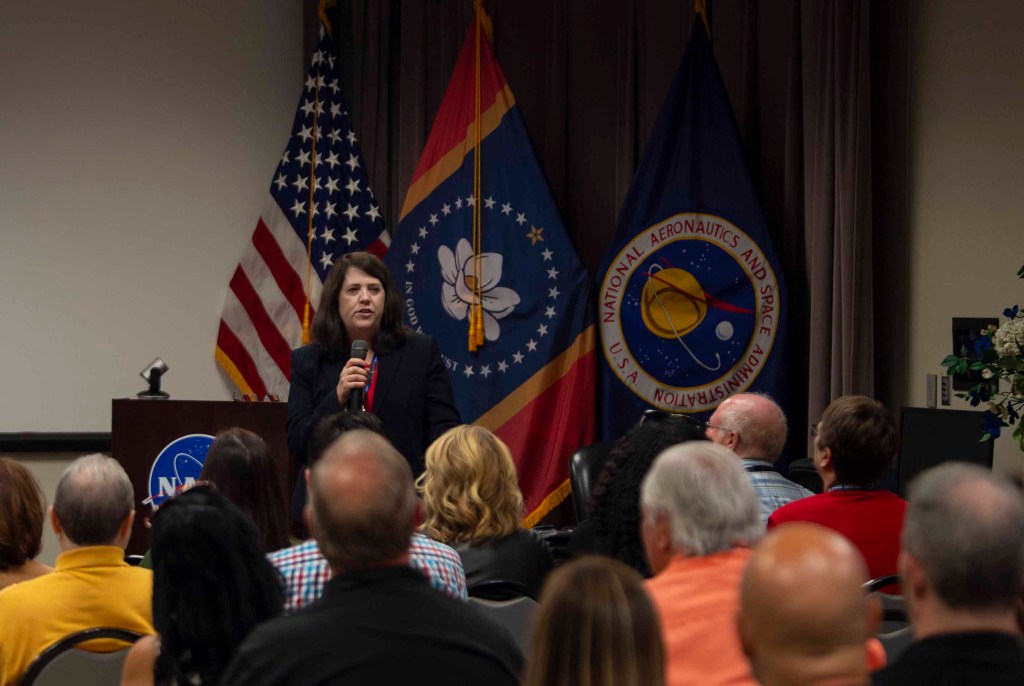
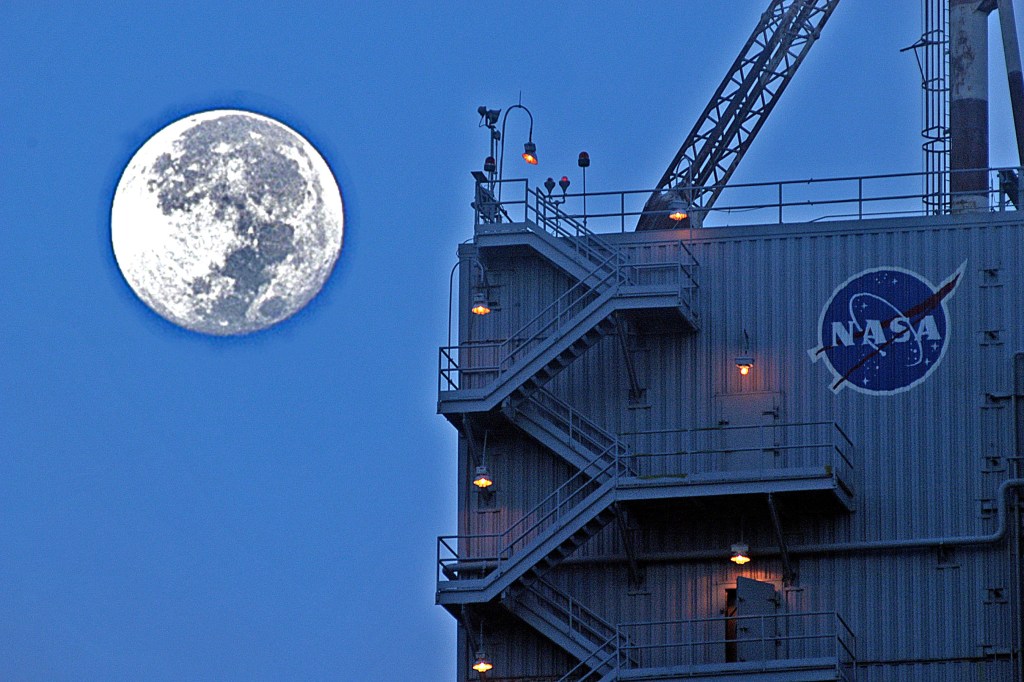
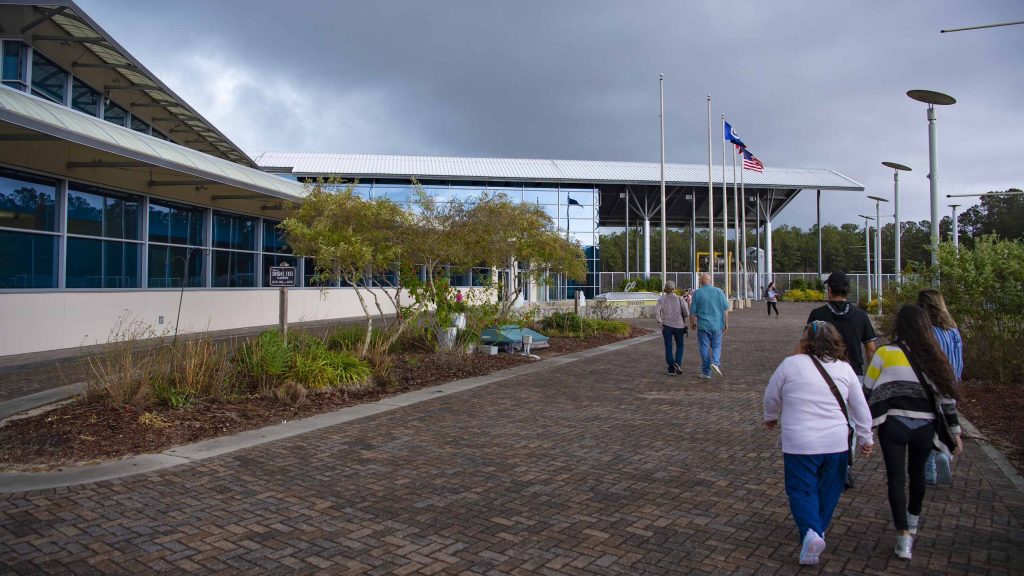
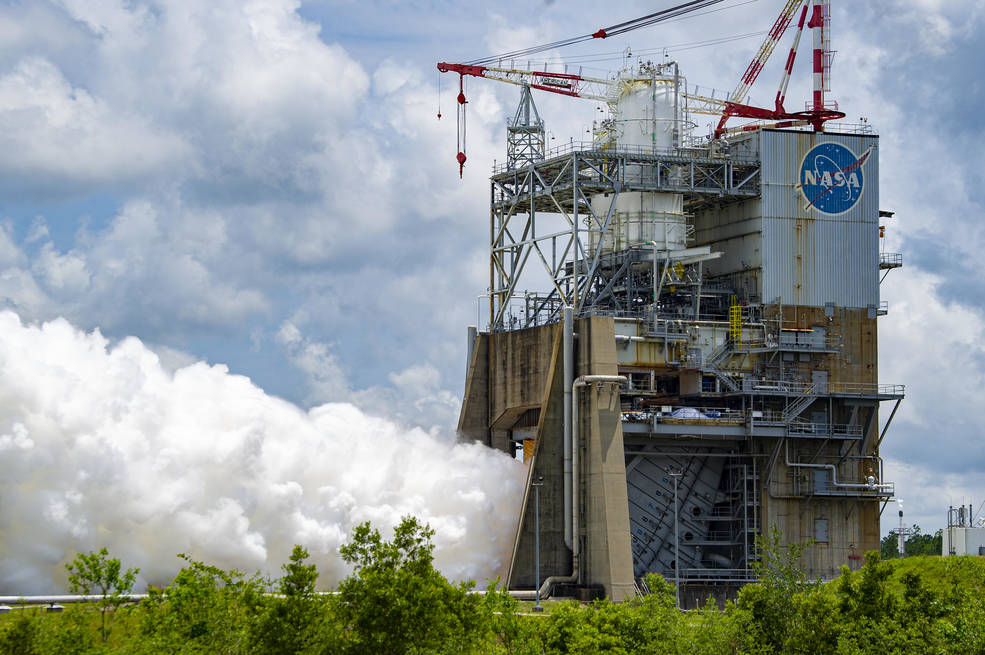

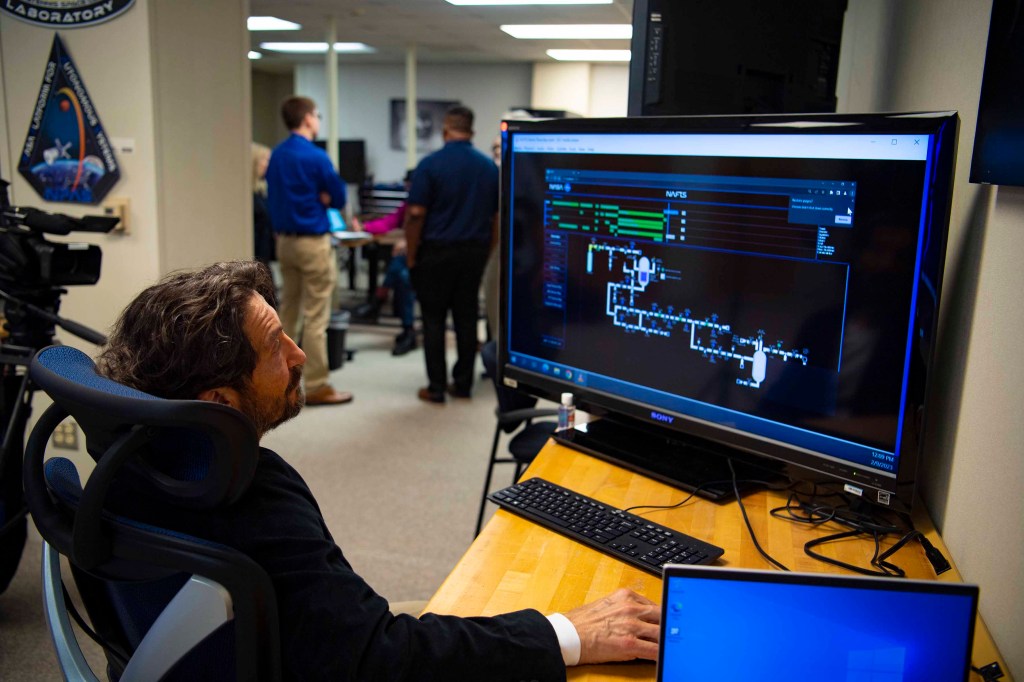

NASA Stennis News
Explore our latest news releases and monthly newsletter.

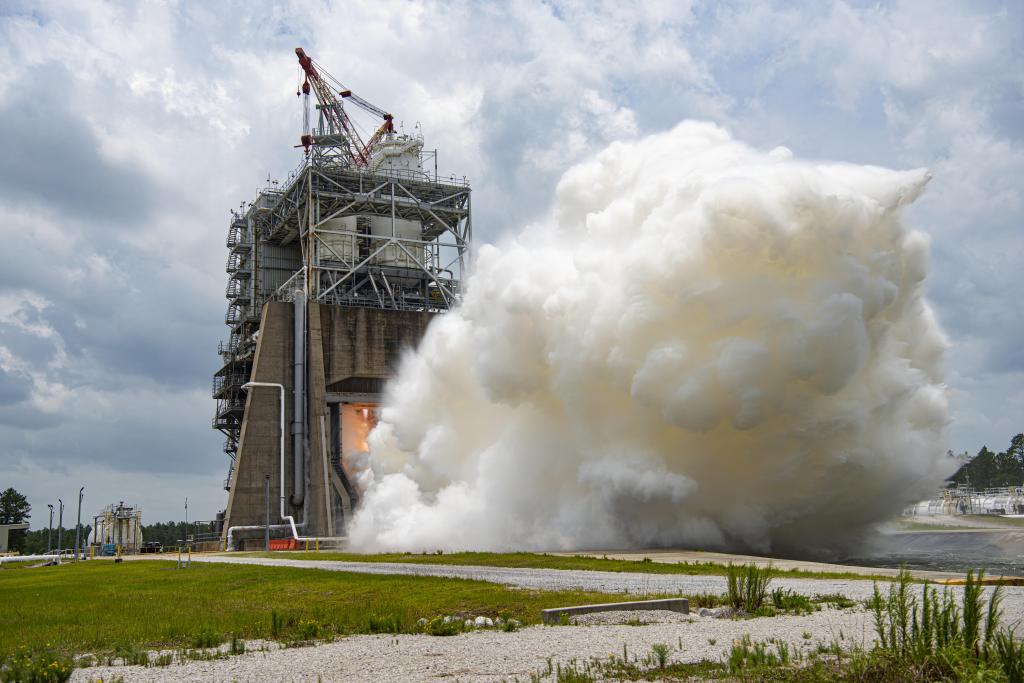
Photos and Videos
Press Kits
Follow Us on Social Media
Contact Information
Stennis Office of Communications
Phone: (228) 688-3333
Hours: 8 a.m.-4:30 p.m. Central
Email: ssc-office-of-communications@mail.nasa.gov
Mailing Address:
NASA OFFICE OF COMMUNICATIONS
Mail code IA00
Building 1111 Room 173
Stennis Space Center, MS 39529
Featured Video
Going Further
NASA’s Stennis Space Center near Bay St. Louis, Mississippi, has come a long way since it was established in 1961 – and it is marshalling its workforce, resources, and capabilities to go even further as it grows into the future.
Watch Going Further on YouTube