
















We help Americans respond to challenges and societal needs.
We conceive, build, and fly cutting-edge satellites and instruments; harvests data from those tools and from commercial partners; combine it with expert insights and the world’s most advanced models — all to advance solutions for society.
Quick Facts
The Science Directorate at NASA’s Langley Research Center provides essential science leadership to NASA with decades of intellectual expertise and capabilities that support Earth science, planetary science and heliophysics.
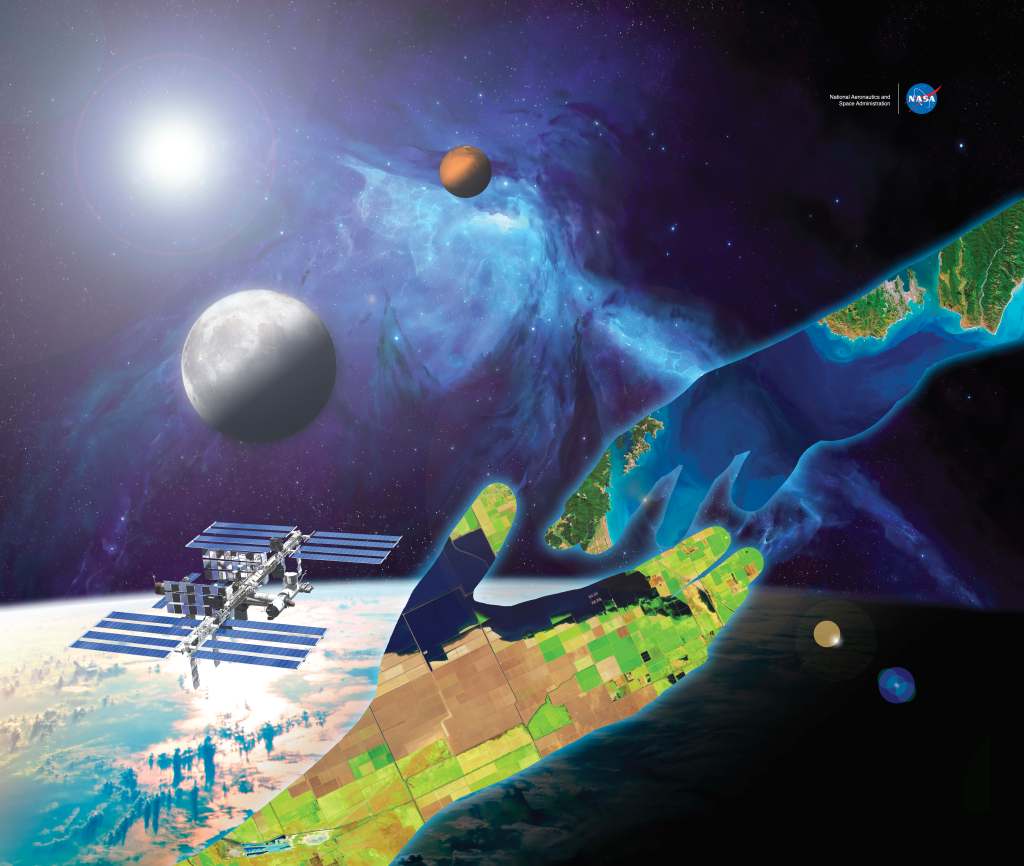
We study atmospheres and ocean ecosystems using active and passive remote sensing and in-situ measurements.
Langley has built a capability in suborbital and ground-based research that has been in high demand since the Science Directorate’s initiation in the late 1960s.

Langley’s Flight Projects enable ground-breaking science through spaceflight platforms with a 100% instrument success rate for on-orbit operations..

We are committed to delivering science that is balanced between Research & Analysis, technology development, airborne science and flight development.

We create essential, global data records utilized by the international science community.

Capabilities and Focus Areas
From innovation to impact, Langley's scientific contributions in the following areas helps to protect human health, support market stability, strengthen food security, and advance America's space exploration goals.

Science Data in Action
We use NASA's science data to meet real-world challenges for disasters response, coastal resilience, weather predictions and forecasting, energy efficiency and agriculture.
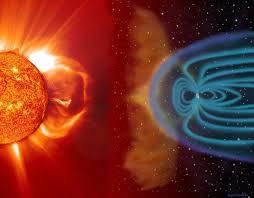
Investigation of Space Weather
We work to make space weather a user-friendly topic that helps data users explore new models to predict space weather activities and to understand space weather effects on Earth’s infrastructure, technology, and people.

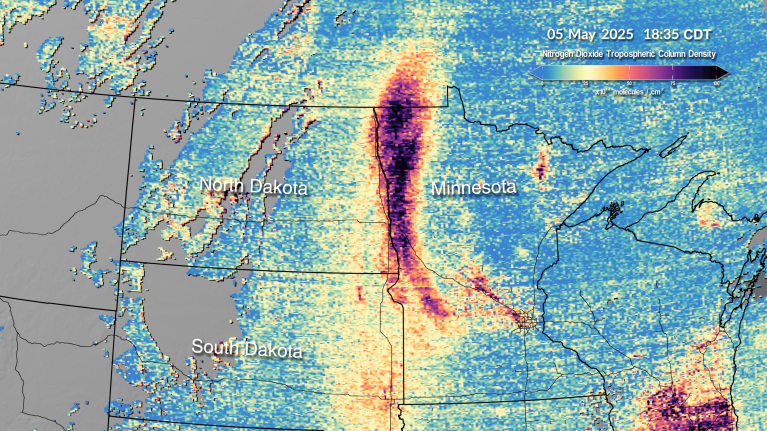
Atmospheric Composition
From the Earth's surface to the stratosphere, we study changes in the atmosphere that could affect habitability, and we apply that knowledge to explore other planetary atmospheres.

Earth's Energy Budget
We study Earth’s absorbed solar and outgoing thermal infrared radiant energy which will eventually increase or decrease Earth's temperature as the Earth-atmosphere system constantly works to maintain a balance.
Science at NASA’s Langley Research Center
Advanced Lidar Science
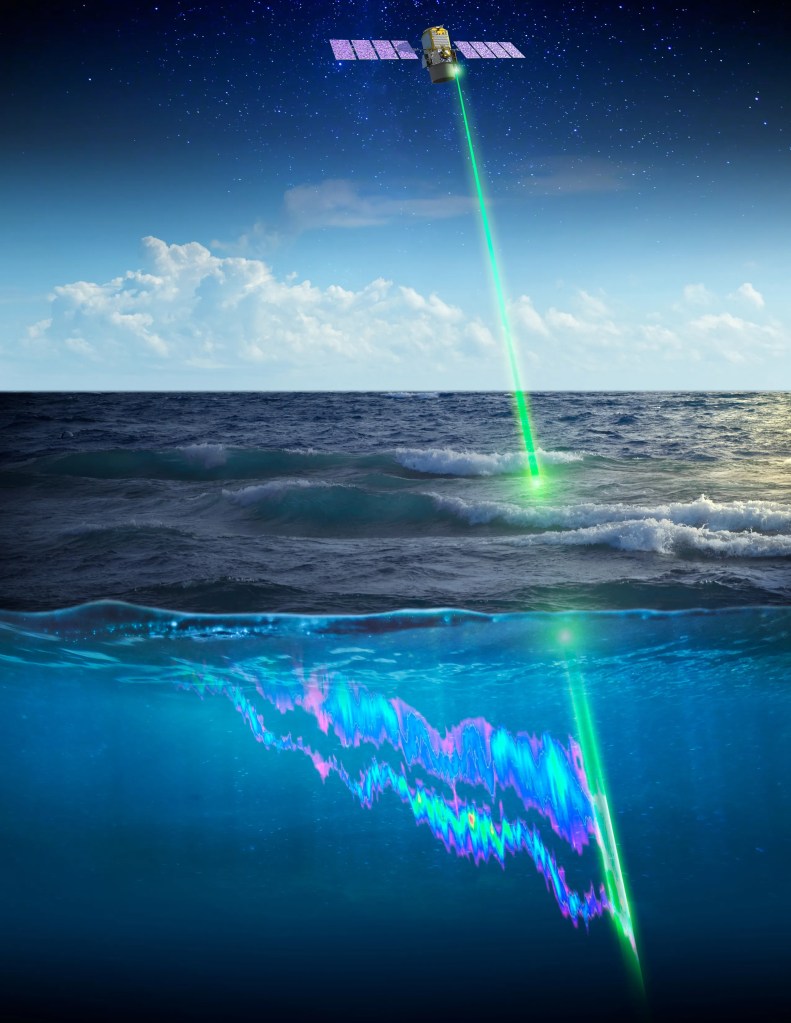
NASA’s Langley Research Center is renowned for the development and use of lidar remote sensing technologies and is recognized worldwide for its expertise in lidar techniques.
Langley’s lidar capabilities are used for ocean profiling, atmospheric measurements, algorithm development, geophysical data retrievals and satellite validation. We provide small to medium end-to-end implementation of advanced lidar technology on spacecraft and aircraft, leveraging in-house expertise and partnerships with industry and academia.
Learn More about Advanced Lidar Science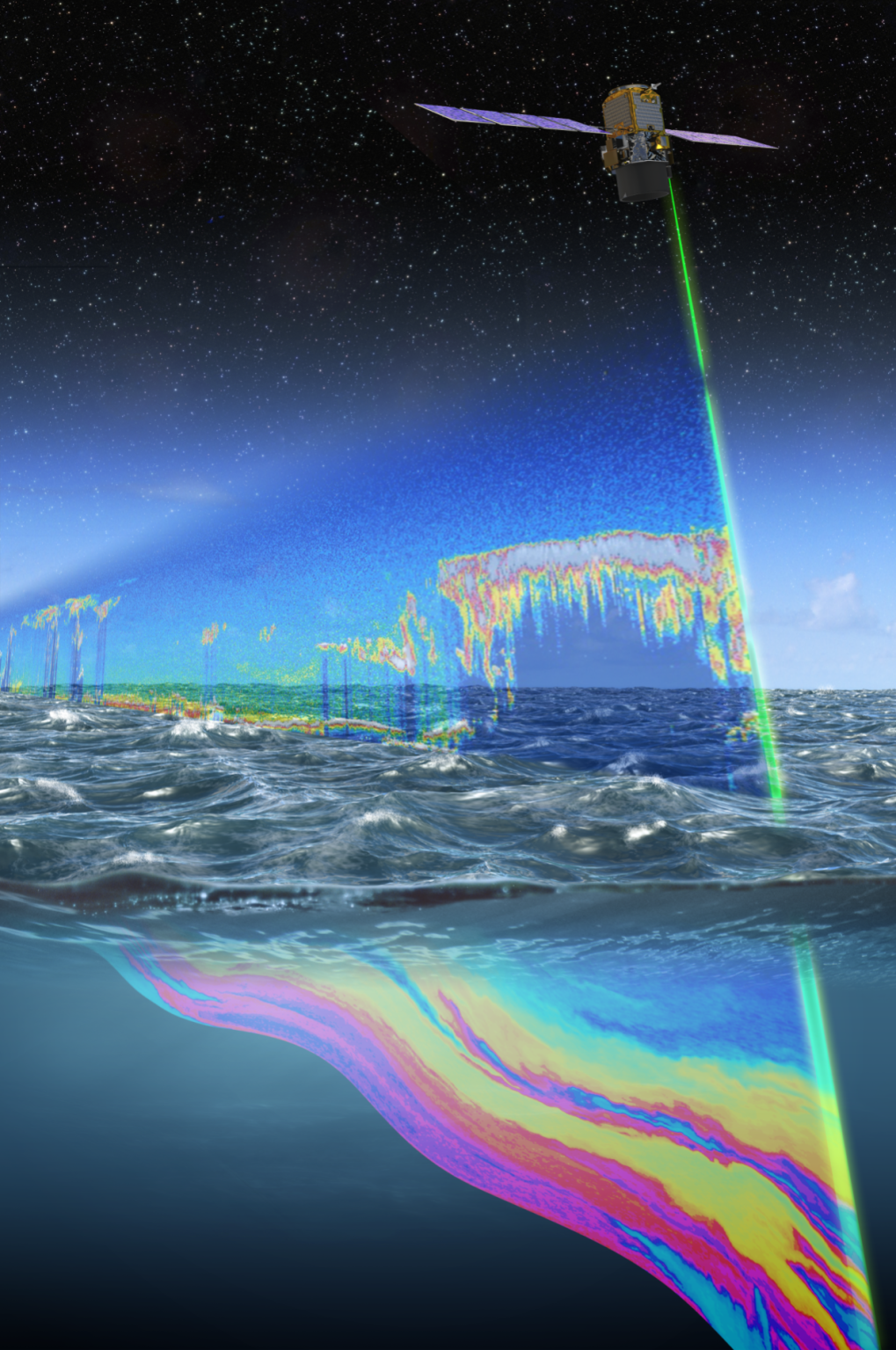
Science Data in Action for Society

Disasters Response Coordination
Federal and state agencies requested support from the Disasters Response Coordination System (DRCS) team when Hurricane Helene battered Florida’s Big Bend region. Using NASA’s Black Marble technology, the DRCS analyzed nighttime lights imagery to pinpoint extensive power outages and potential infrastructure damage. These insights enabled the Federal Emergency Management Agency (FEMA) and local responders to prioritize resources and respond quickly in the hardest-hit and most vulnerable communities.
Weather Predictions and Forecasting
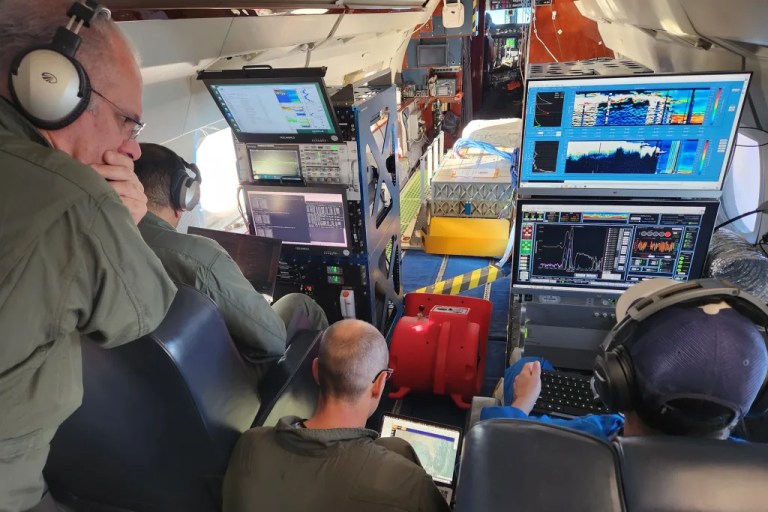
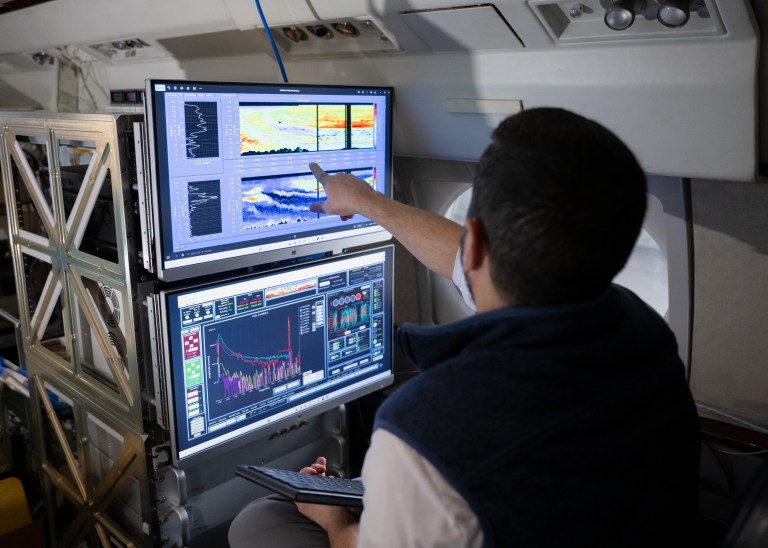
We flew into Hurricane Helene with the Aerosol Wind Profiler (AWP) to create ultra-detailed wind measurements that could be the key to unlocking better storm predictions. AWP uses the Doppler effect to create real-time, 3D maps of wind patterns above the Earth’s surface, which historically has been difficult to capture.
Energy Efficiency
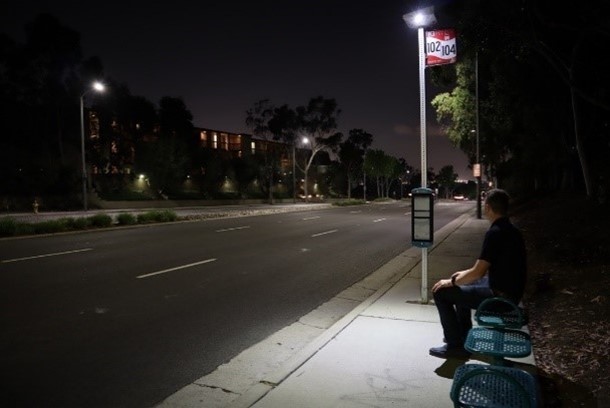
Urban Solar, a North American private company that manufactures solar energy systems, uses POWER data and services to acquire solar irradiance data to optimize and design solar-powered lighting solutions for bus stops, bus shelters, and bus signage. They have installed over 25,000 solar lighting solutions across North America. King County Metro, a customer of Urban Solar, in Seattle, Washington has installed 1,300 solar-powered lights since 2013.

Coastal Resilience
NASA’s Hampton Roads Coastal Resilience Project uses NASA data to build resilience for extreme flooding and heat events in the Hampton Roads region of Southeast Virginia. Results will be integrated into Virginia Commonwealth plans and will provide data to help 17 communities to advance the resiliency of their populations, ecosystems and infrastructure.
NASA’s 777 Aircraft Returns Home with Science Flights on the Horizon
NASA’s Boeing 777 has returned to the agency’s fleet after undergoing heavy structural modifications as it transforms from a giant…
Read the Story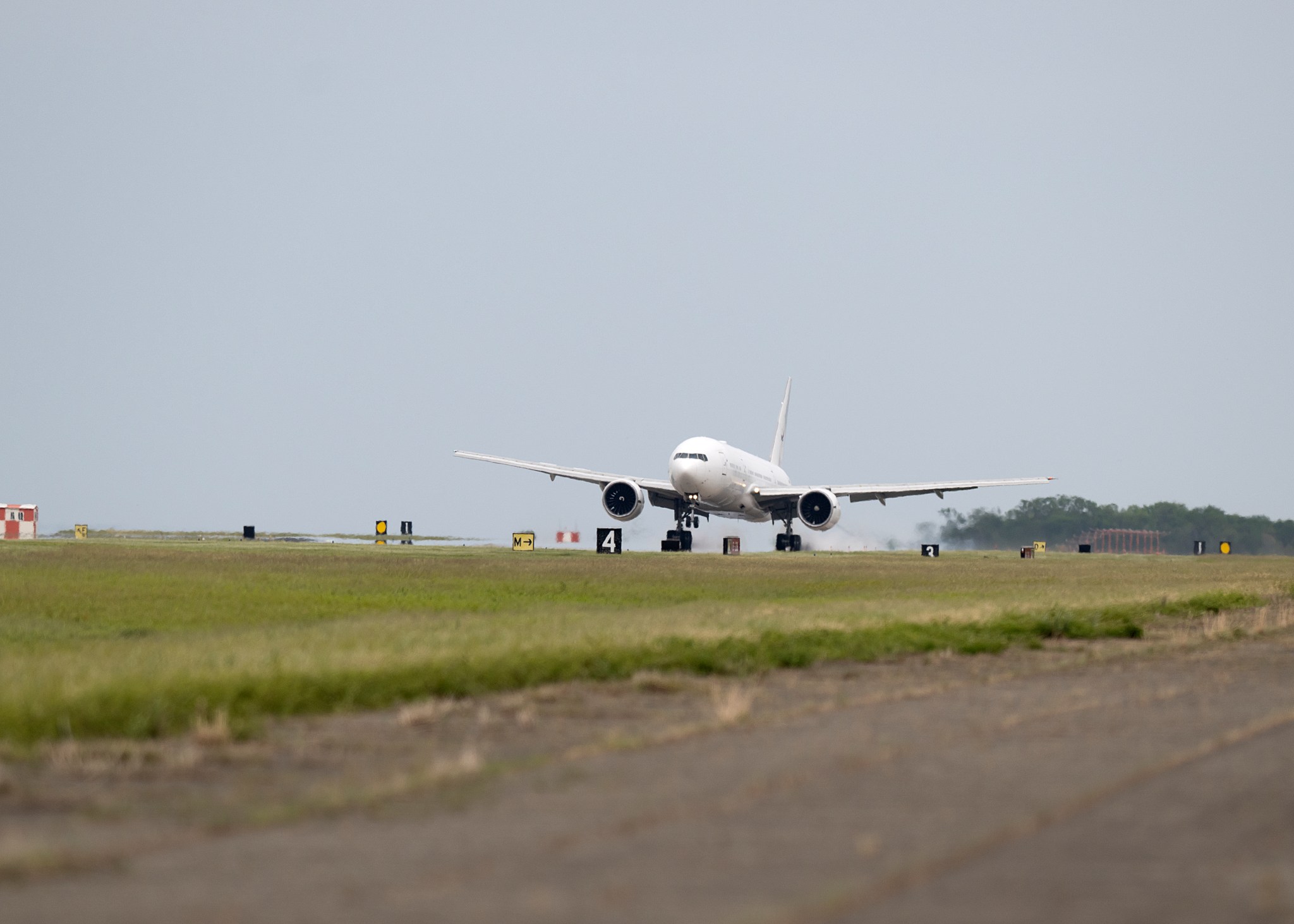
Learn More About Langley Science
NASA’s Dragonfly Mission Sets Sights on Titan’s Mysteries
When it descends through the thick golden haze on Saturn’s moon Titan, NASA’s Dragonfly rotorcraft will find eerily familiar terrain.…
Read the Story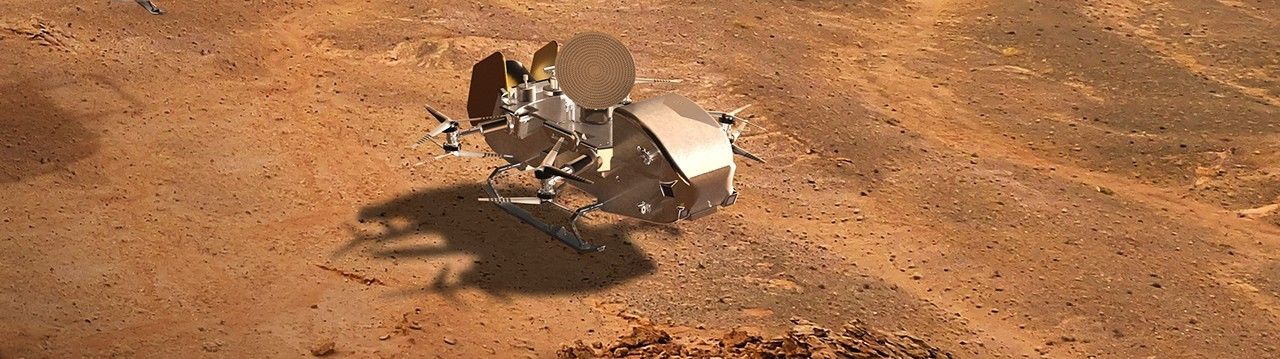
NASA's Curious Universe
An official NASA podcast bringing you mind-blowing stories you won’t find anywhere else. What does it take to launch a rocket? What happens when we go looking for life beyond Earth? And what can the universe teach us next? With extraordinary access to the people and places behind NASA’s exploration of space, Curious Universe brings you closer to the discoveries shaping what we know about our universe. Don’t forget your curiosity.
View Series