
















Data Analysts: Pitch Your Ideas to Evaluate Operational Mission and Health Data from Artemis II

NASA seeks information on existing methods and capabilities to analyze and interpret operational and health data collected from the Artemis II mission.
Quick Background on the Artemis II Mission
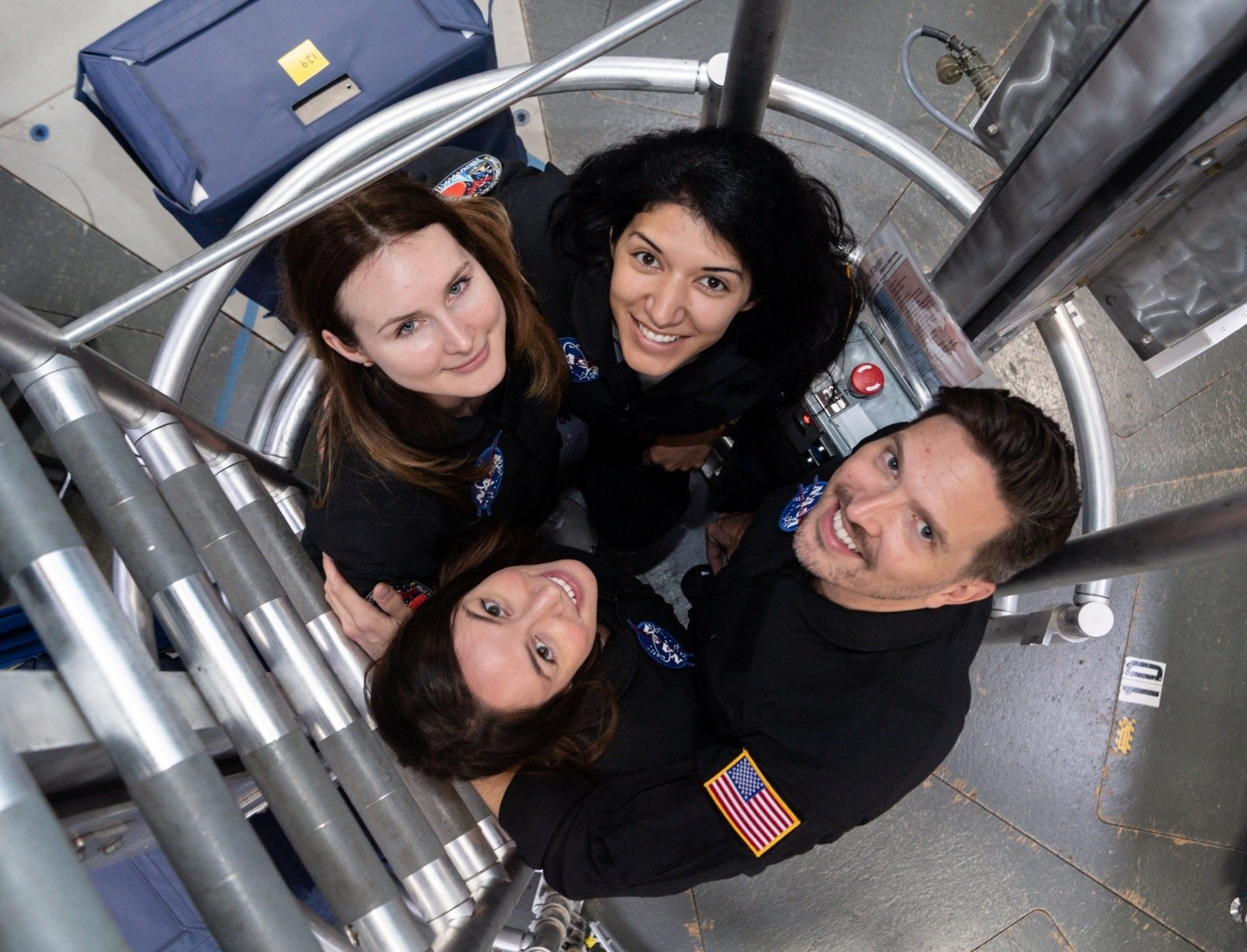
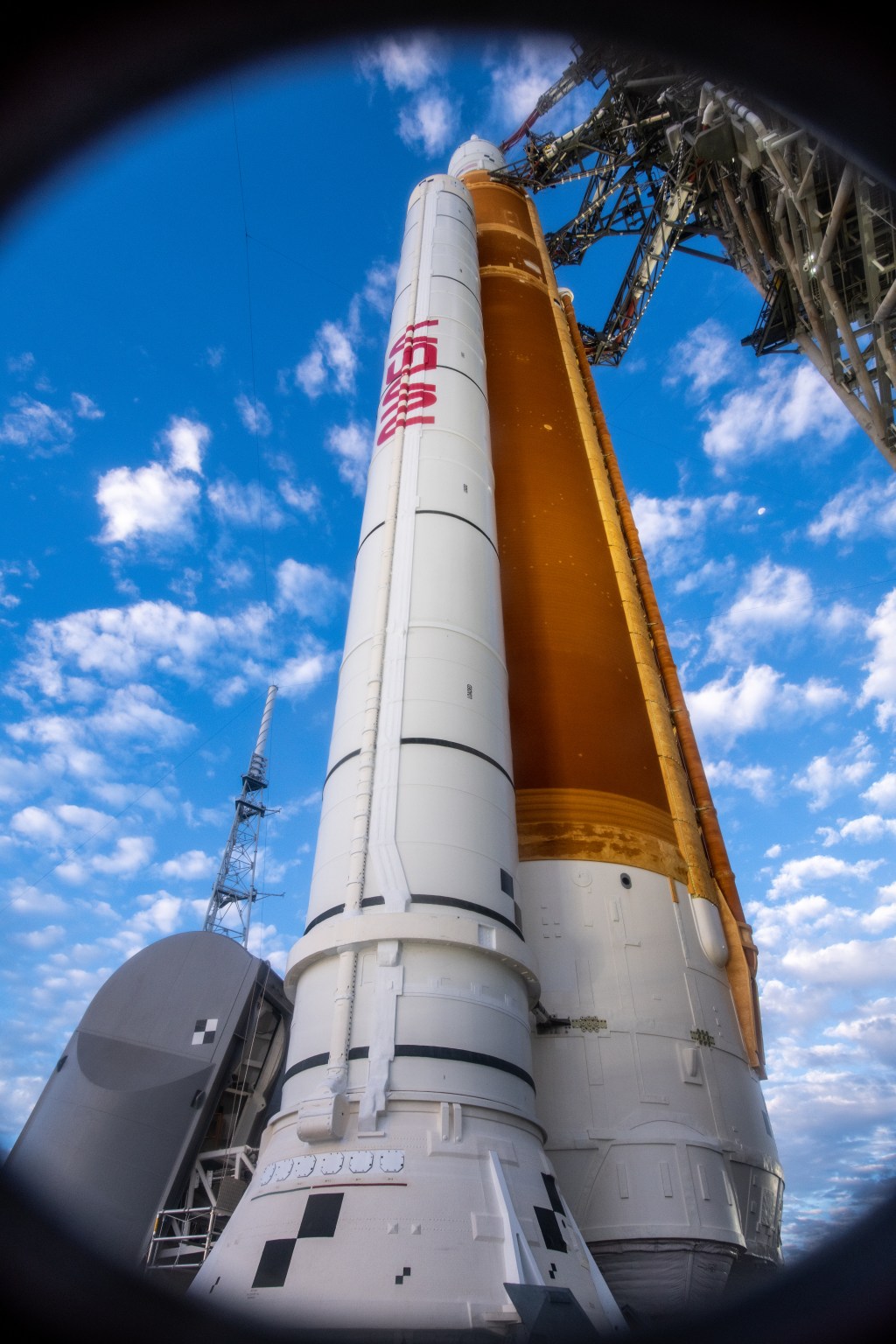
Four astronauts will venture around the Moon during the Artemis II mission, marking the farthest humans have traveled into space in more than 50 years. The mission will include:
- 1 day in Earth orbit after launch and before transit
- 4 days in outbound transit to the Moon
- 4 days of return transit to Earth
Operational mission and health data collected from crew members before, during, and after flight will shed light on how the human body and mind respond to deep space travel, helping to prepare for future Artemis missions. While NASA scientists will rely on standard medical practices in aerospace medicine to review the data, novel or experimental approaches could provide additional insights.
What We Are Seeking
Suggestions on how to analyze/interpret Artemis II health data should address:
- Current methodologies for analyzing and interpreting datasets with small sample sizes from the Artemis II mission.
- Recommendations for additional clinically-relevant measures on future Artemis
missions that may augment existing data collections. - Recommendations for comparison to historical data from previous missions of similar duration (i.e., Apollo or Shuttle).
Responses to this request for information (RFI) will be used by NASA to inform planning and development without attribution. Please note that NASA does not intend to grant an award on the bases of responses. Rather, this represents a formal opportunity to share ideas.
Resources
The following are data potentially available from up to four Artemis II crewmembers:
- Imaging – MRI and ultrasound
- Ocular measures
- Clinical markers
- Radiation dosimetry
- Environmental monitoring
- Behavior and performance
- Skeletal physiology
- Exercise and muscle physiology
- Cardiovascular physiology
- Neuroscience
- Other clinical medical measures
Respondents can find more details about the potential types of information available here. Environmental data from the vehicle or other flight systems, such as atmosphere composition, radiation exposure, noise level, light cycles, may be considered if these data could help inform health-related questions.
How to Submit Your Ideas
Responses must be submitted electronically using the NSPIRES website. To submit a response:
- Log into NSPIRES using your username and password.
- Access Proposals/NOIs in the NSPIRES Options Page.
- Click on the “Create NOI” button on the right-hand corner of the screen.
- Select “Request for Information (RFI) on Capabilities to Characterize Astronaut Health Risks from Artemis II Data”.
- Follow the step-by-step instructions provided in NSPIRES to complete your RFI.
Deadline: Feb. 3, 2026.
Questions: email js-hrp-chief-science-office@nasa.gov