















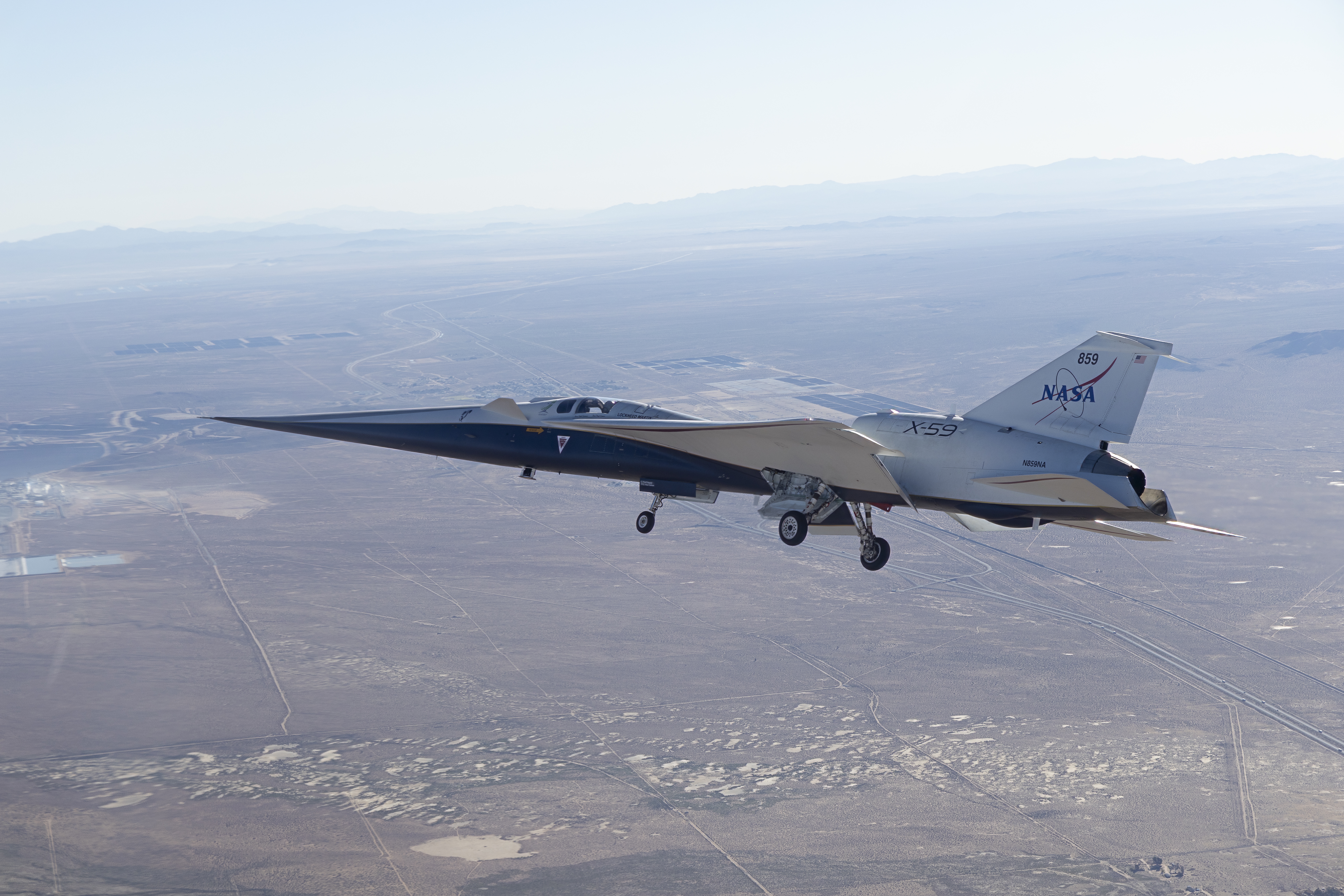
The Low Boom Flight Demonstrator project (LBFD) is part of NASA’s effort to help enable new aircraft noise standards that are required to open the market to commercial supersonic flight over land.
The federal government banned all civilian supersonic flights over land more than fifty years ago due to sonic boom noise. If new standards are established, the U.S. aviation industry can position itself to lead the commercial supersonic market, and passengers will benefit from significantly shorter travel times.
Over the past decade, fundamental research and experimentation have demonstrated the possibility of supersonic flight with greatly reduced sonic boom noise – one of several key areas needed to transform commercial supersonic flight.
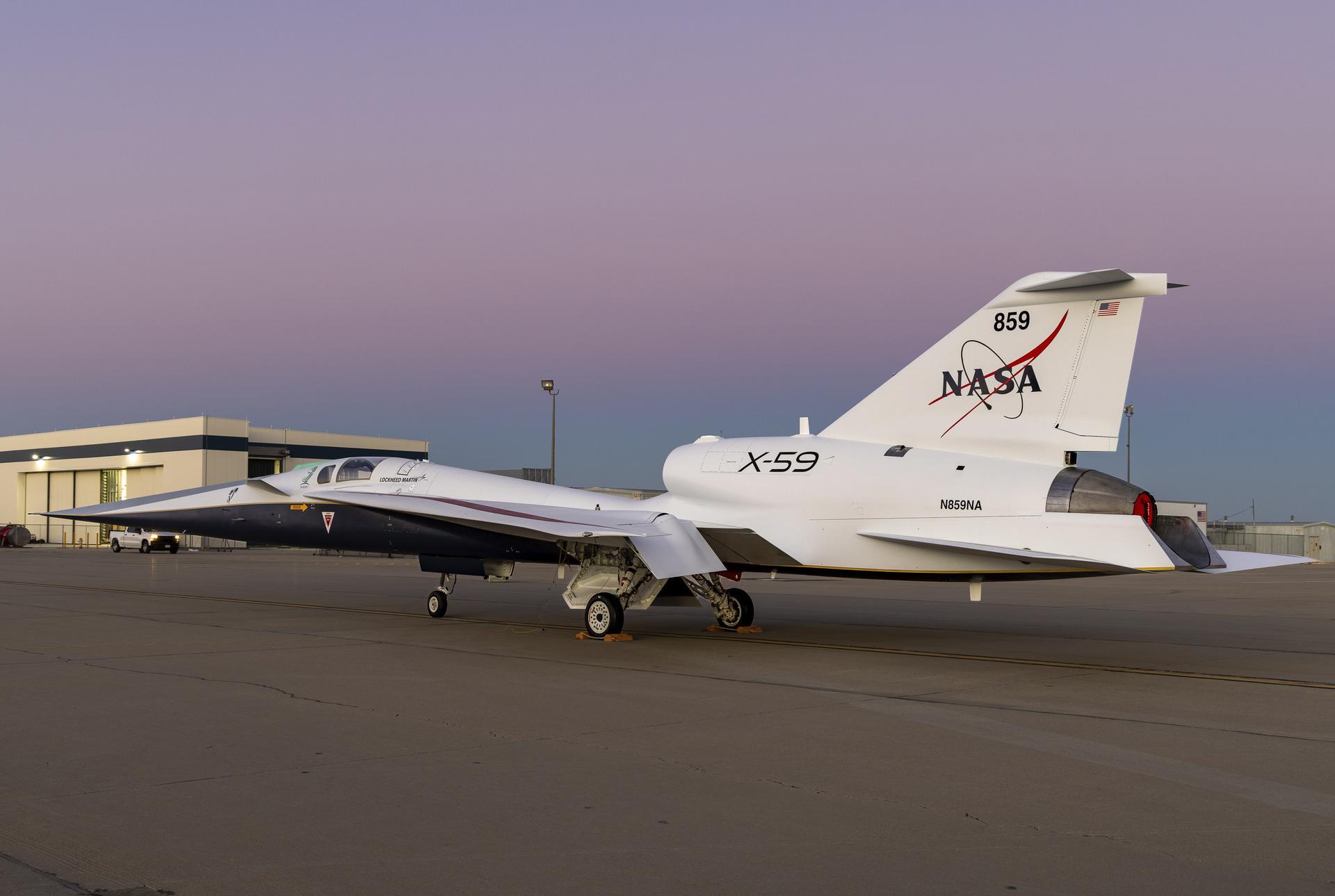
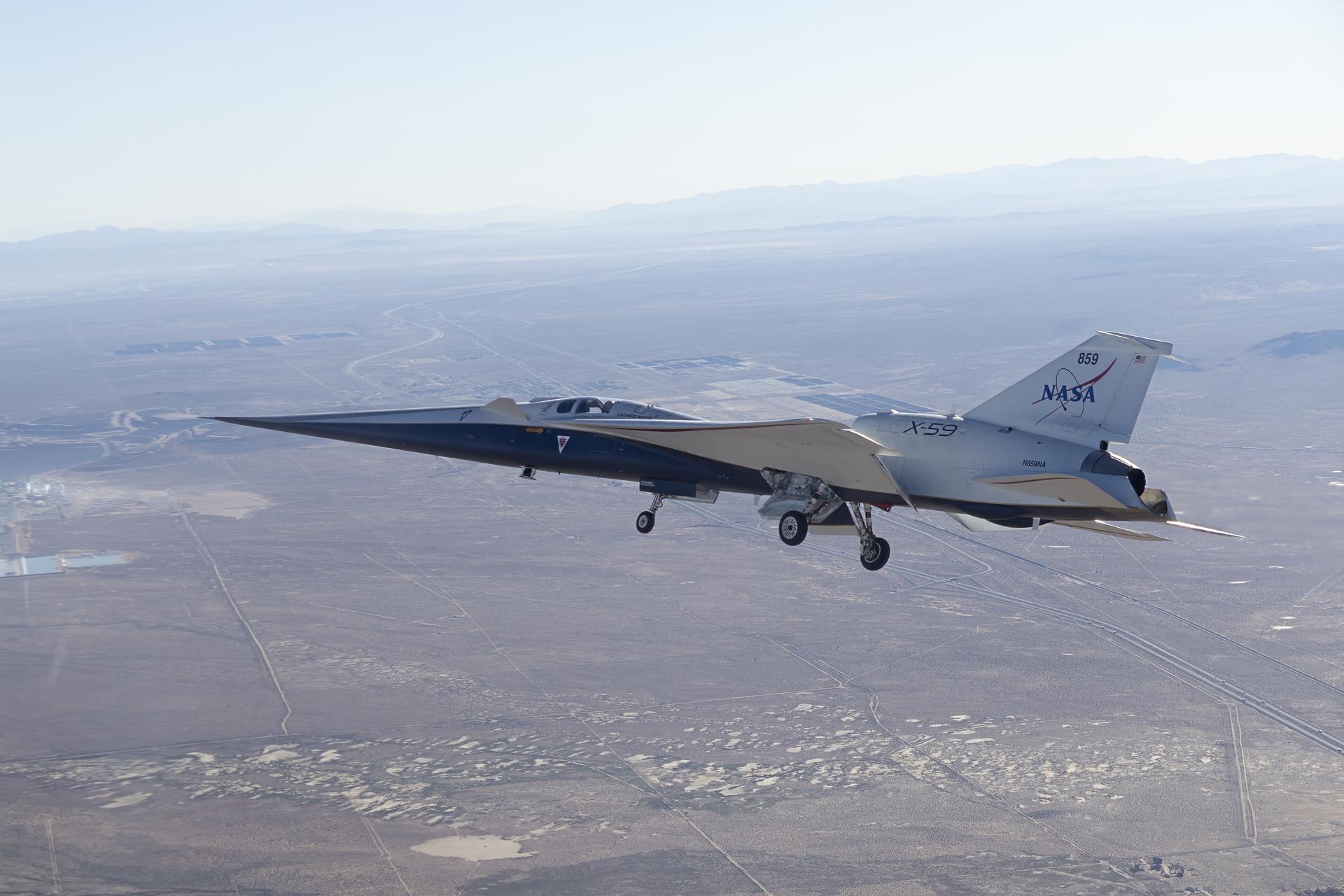
The LBFD project will demonstrate a reduced sonic boom by utilizing a purpose-built experimental aircraft designated the X-59.
The LBFD project supports a multi-phase effort aimed at demonstrating the X-59’s ability to fly supersonic without generating loud sonic booms. The LBFD project leads Phase 1 of the Quesst mission, involving the design, fabrication, ground tests, and checkout flights of the X-59.
After ensuring the aircraft is safe and performing as expected, the LBFD project will support the rest of the mission team during Phase 2 to prove the aircraft is producing a quiet sound to people on the ground and is safe for operations in the National Airspace System.
At the conclusion of Phase 2, the X-59 aircraft will transfer to the Integrated Aviation Systems Program’s Flight Demonstrations and Capabilities project.