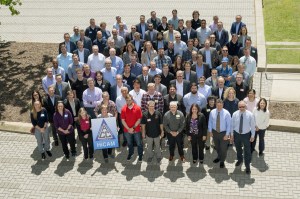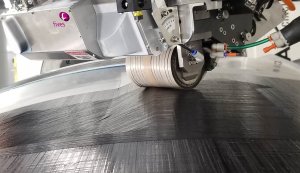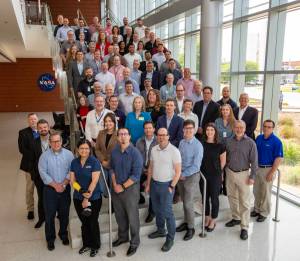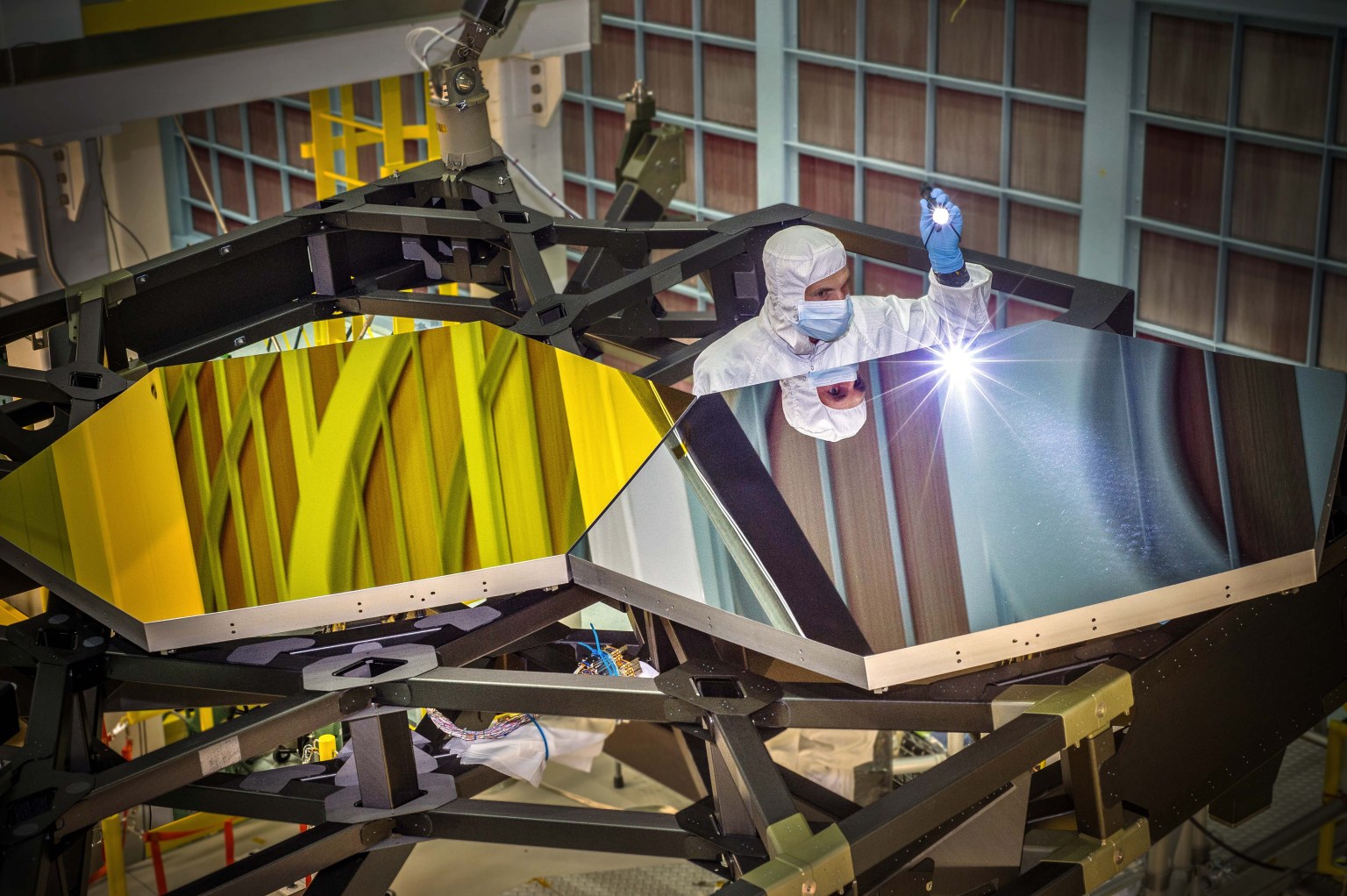



















NASA and its partners in the Advanced Composites Consortium are working to increase the production rate of composite aircraft to meet the growing demand for air travel and to reduce aircraft weight which improves fuel efficiency, lowering costs for aircraft operators. Doing so is essential to maintaining U.S. competitive advantage in the commercial aircraft industry.
To understand the full extent of the challenge, the team defined the requirements for improved production systems and developed a process for determining which technologies have the greatest impact on manufacturing rate.
Areas under evaluation include:
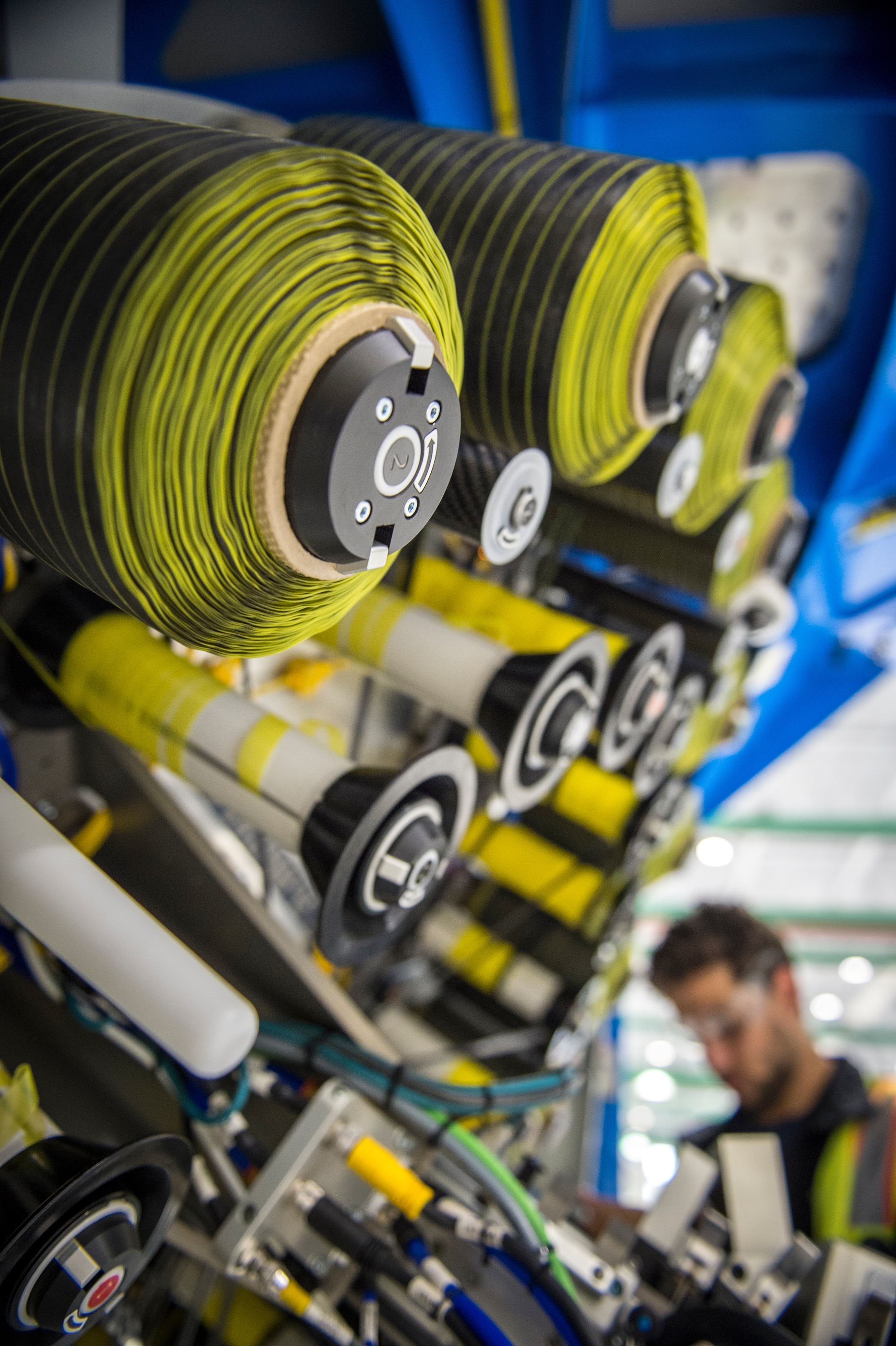
- Thermoplastics – High-performance materials that can be melted and welded for rapid joining
- Advanced Thermosets – Next-generation epoxy-based systems designed for faster curing cycles
- Resin Infusion – Liquid molding techniques that allow for the creation of large, integrated structures with fewer fasteners
- Automated Inspection – robotic systems to identify defects during the build process, reducing the number of time-consuming post-production quality checks and repairs
- Digital Engineering – High-fidelity modeling to predict structural performance and manufacturing defects before physical assembly begins
Technologies and concepts have been developed, evaluated, competed, and down-selected for further study. Testing will culminate in structural demonstrations of large-scale fuselage and wing components.
Through partnership and shared investment, HiCAM is capitalizing on the collective expertise of aerospace manufacturers, material suppliers, and academic research institutions to ensure relevance and increase the likelihood of technologies being adopted for next generation U.S. transports.

Advanced Composites Consortium
HiCAM
AAVP
ARMD