




















Communications Services Project
NASA is commercializing satellite relay communications for science missions in low Earth orbit.
The Communications Services Project is leading agency efforts by investing in the U.S. satellite communications industry to develop and demonstrate powerful services for future missions in low Earth orbit.
NASA plans to validate a variety of commercial services for science missions, ranging from near-instant delivery of high-rate science data over optical networks to critical support for launch operations and reliable exchanges of telemetry, tracking, and command information.
NASA Taps SpaceX’s Starlink to Deliver Artemis III Imagery from Orion
NASA has selected SpaceX to deliver laser communications capabilities for next year’s Artemis III mission, enabling the agency to provide a front row seat for viewers from the Orion spacecraft as four…
Read the Story
NASA's Satellite Communications Transition
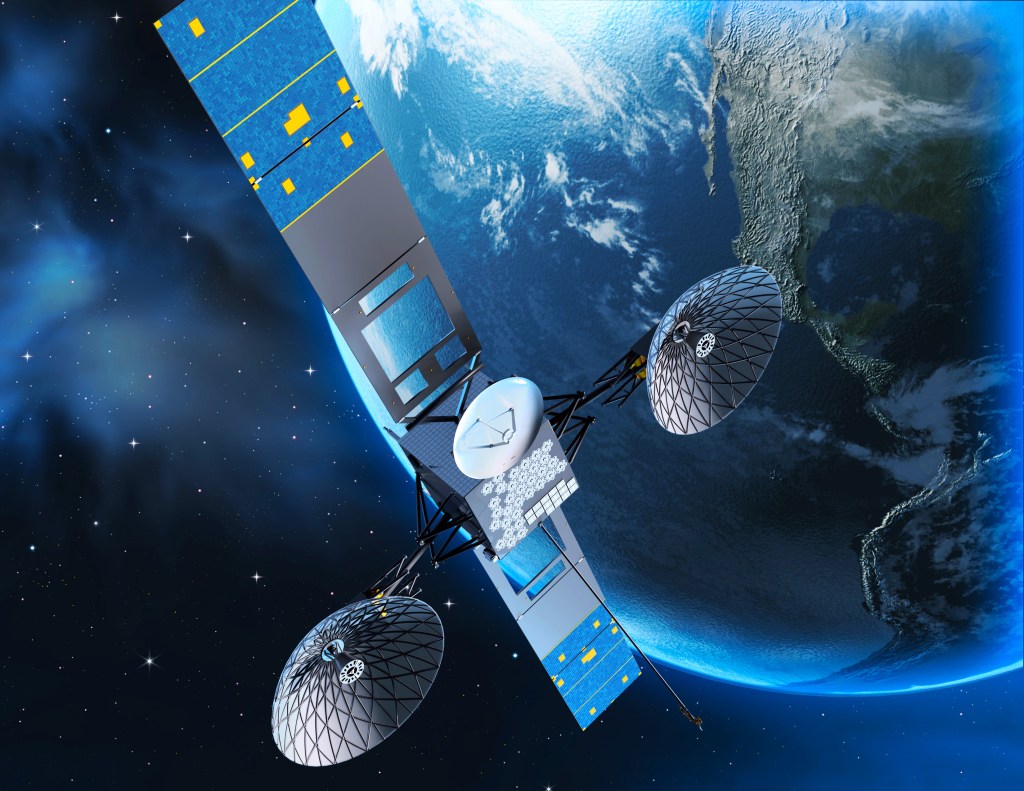
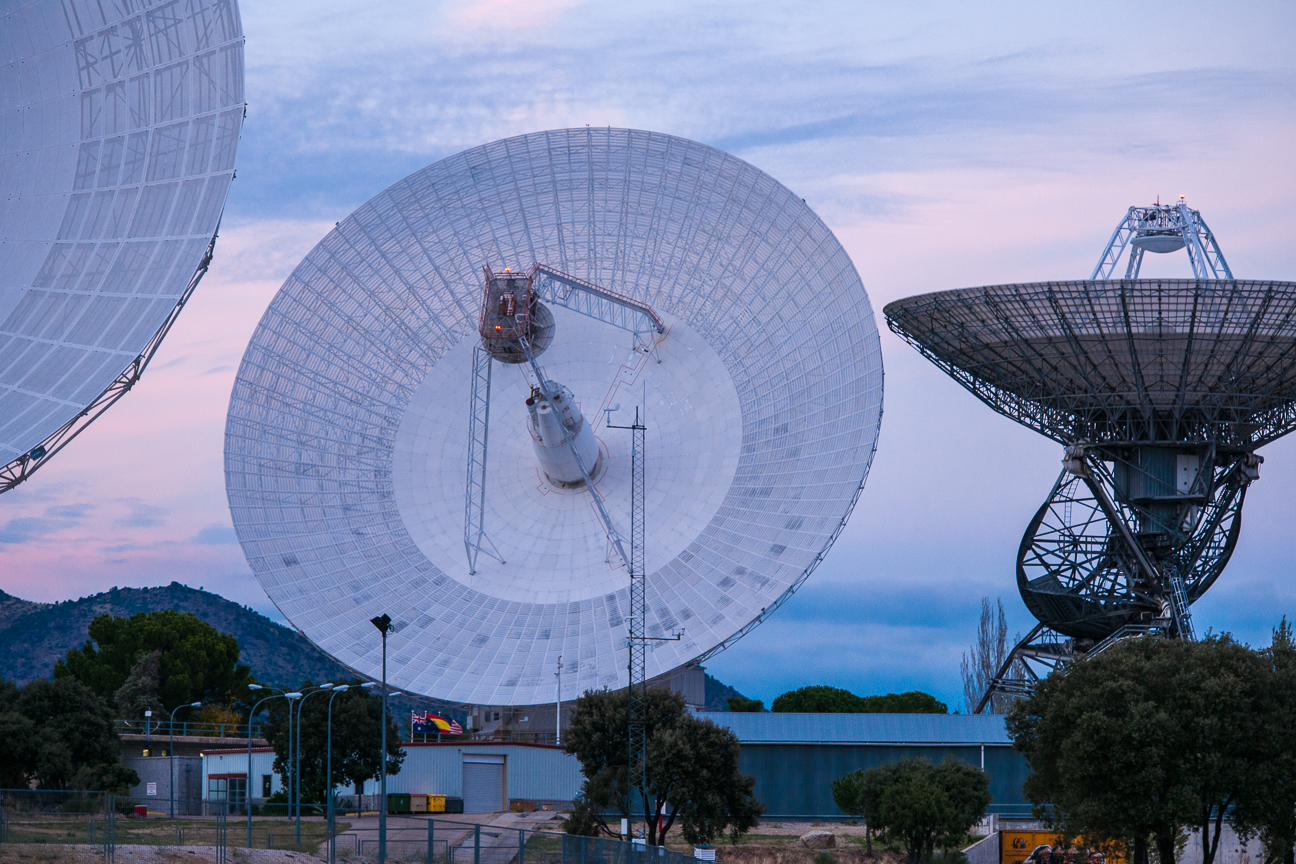
Historically, missions have relied on the TDRS (Tracking and Data Relay Satellite) fleet for continuous connections to Earth. Now in a new era of exploration, NASA is gradually retiring TDRS and transitioning future robotic science missions operating near-Earth to commercial services.

Past
For over forty years, spaceflight missions in low Earth orbit have relied on NASA’s TDRS constellation to provide near-continuous communications, connecting humanity to the stars.
Present
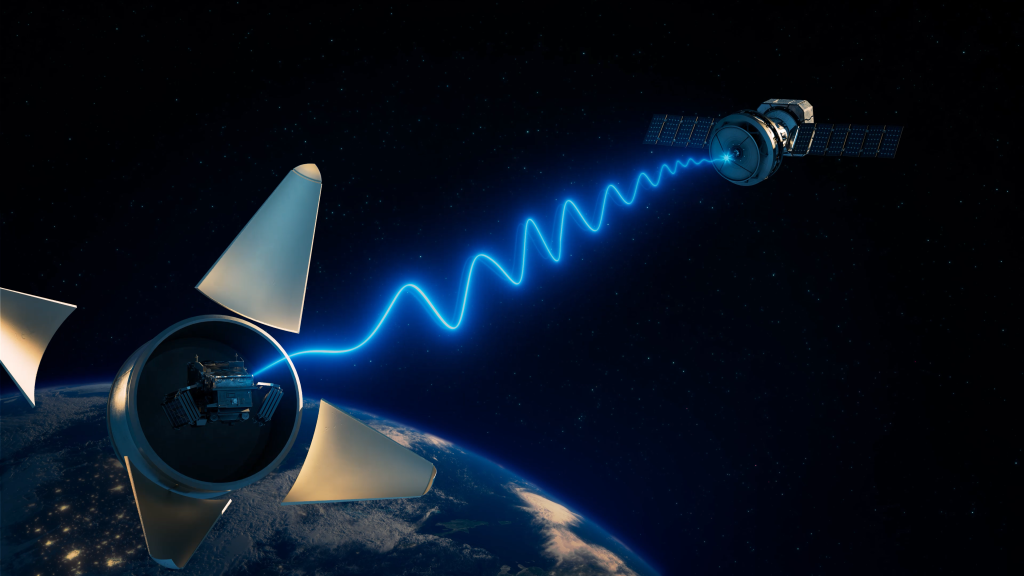
Now, NASA is working with the U.S. satellite communications industry to expand existing services used by millions on Earth into powerful services for spaceflight missions.

Future
NASA missions will utilize commercial services and capabilities for near-Earth communications, bolstering the United States space sector as the agency continues to drive scientific exploration.
Commercial Partnerships
In 2022, the project awarded $278.5 million across six American companies to accelerate the development and demonstration of satellite relay services for customers in low Earth orbit. Since then, the project has formed additional commercial partnerships using nonreimbersable Space Act Agreements to empower information sharing, combining government and commercial resources to build a competitive, sustainable market.
Learn More about Commercial Partnerships
NASA’s Push Toward Commercial Space Communications Gains Momentum
NASA’s commercial partners are actively demonstrating next-generation satellite relay capabilities for spaceflight missions, marking a significant step toward retiring the agency’s Tracking and Data Relay Satellite (TDRS) system and adopting commercial services.
Learn More about NASA’s Push Toward Commercial Space Communications Gains Momentum
Learn More About NASA’s Commercial Satellite Relay Demonstrations





Viasat
Viasat Inc. and Inmarsat Government Inc. were each awarded $53.3 million and $26.6 million, respectively. In 2023, Viasat completed an acquisition of Inmarsat, combining the resources of both companies to demonstrate one unified portfolio of launch, tracking, telemetry, command, and high-rate science data delivery services using the HaloNet system.
Learn More About NASA’s Nonreimbursable Commercial Partnerships

Advancing Discovery
Unlocking New Capabilities for Future Missions
NASA is forming strategic public-private partnerships to develop powerful, reliable commercial space communications and navigation services, enabling the exchange of more data and discoveries than ever before.
Learn More about Unlocking New Capabilities for Future Missions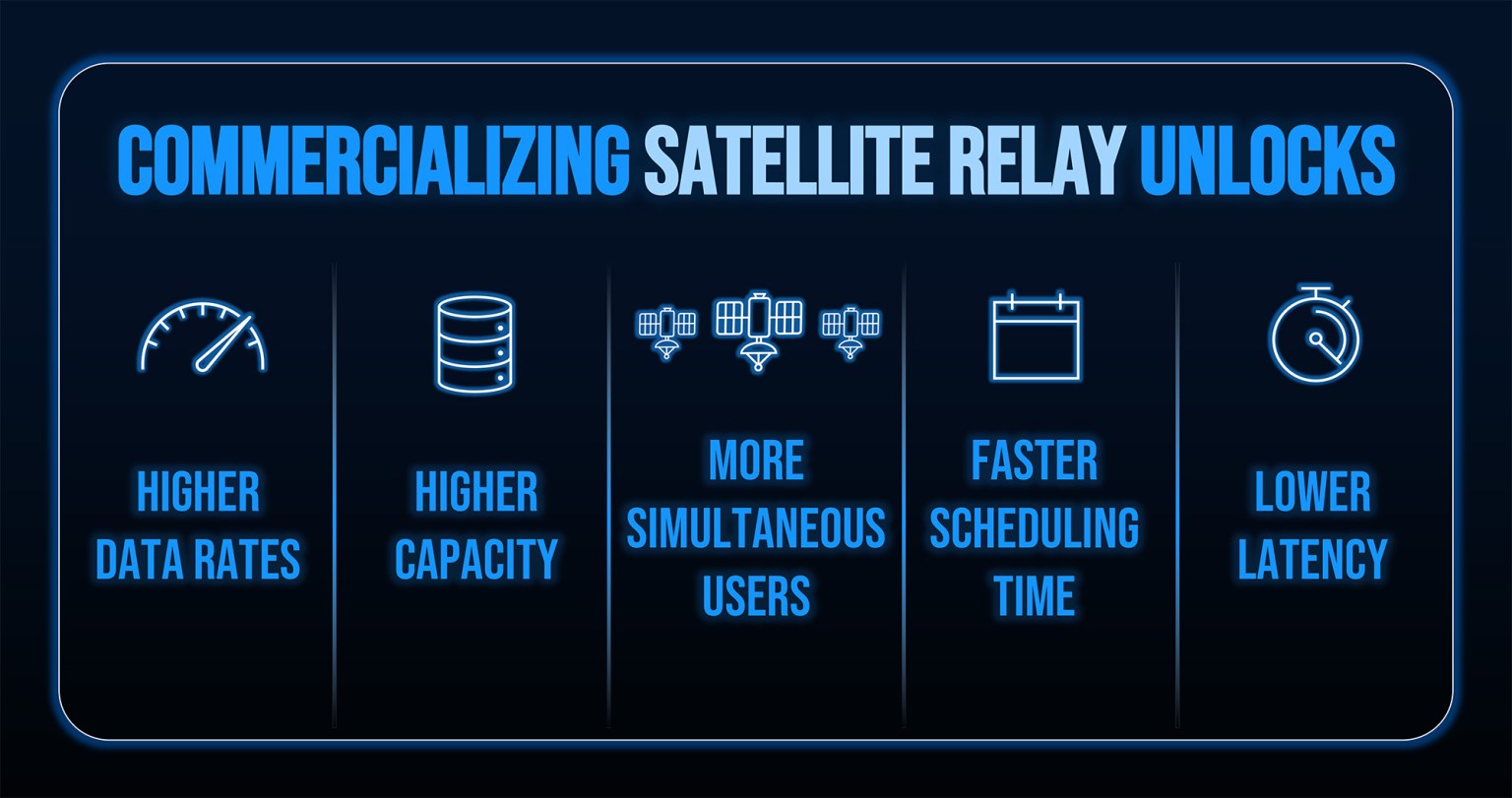
How We Engage
Connecting with Science Missions
The Communications Services Project works closely with NASA’s Science Mission Directorate to ensure commercial service requirements align with the evolving needs of future science mission.
To speak with the project about mission engagement, contact scan@nasa.gov