


















Biology and Astrobiology
Understanding biological changes in space and searching for life beyond Earth.

About Life Sciences and Astrobiology at NASA
Understanding how Earth life responds to space and searching for life on other worlds are central to many of NASA’s future missions. NASA’s return to the Moon and future missions to Mars require a thorough understanding of how spaceflight impacts biology off-world. Life scientists at NASA address the question of what happens when life from Earth journeys into space, while astrobiologists investigate the origin and potential for undiscovered life in the universe. Both are fundamental to the future of space exploration, as humans seek to venture further out into the stars and learn more about our place in the cosmos.
- Visit our Science webpage
- Visit our Astrobiology webpage
- Visit our Space Biosciences webpage
Ames’ Role and Facilities
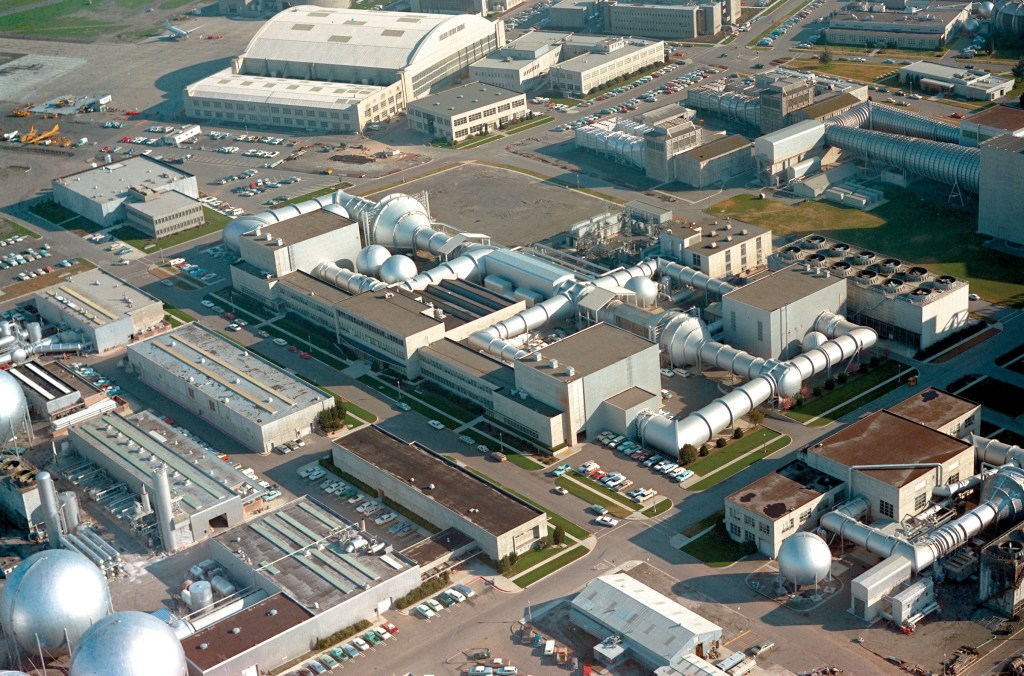
NASA is internationally recognized as a leader in space exploration, and its Ames Research Center has led the agency in conducting world class space biology, astrobiology, and bioengineering research for more than 50 years. Located in California’s Silicon Valley, NASA Ames draws some of the nation’s top interdisciplinary expertise and is uniquely suited to tackle the scientific questions integral to NASA’s missions.
Biology in Space
The evolution of our bodies has been driven by the diverse conditions found on our planet. Every aspect of our biology has been shaped by the world we live on, from our bone structure to the wavelengths of light our eyes are sensitive to. Putting humans in space changes the environment our body has adapted to. The microgravity environment of space found in low Earth orbit subjects the human body to weightlessness. Moving further out into deep space, without Earth’s protective atmosphere and magnetic field, exposes astronauts to radiation. The long-term effects of these conditions are an ongoing field of study. Space biology is the scientific discipline that studies the effects of the space environment on biology, often through model organisms, and develops solutions to enable humans to live in space. Scientists also investigate how naturally occurring systems can address space mission challenges. The discipline of synthetic biology yields sustainable solutions that can be applied to the closed systems of the International Space Station, future space habitats, and the Earth alike.
Astrobiology and the Search for Life
Astrobiology studies life in the universe – its origins, evolution, distribution, and future. The field is inherently interdisciplinary, involving astronomy, planetary science, astrochemistry, microbiology, and many adjacent areas. By learning more about how life originated and evolved on Earth – the only example of life we currently have to study – scientists can design and test tools to search for life on other worlds. These tools are deployed across Earth’s land, oceans, and atmosphere as well as around our solar system and applied to the interpretation of data from distant exoplanets.
Since the inception of modern astrobiology, a discipline conceived at Ames, our center has played a key role in NASA’s search for life. As the field has matured within the agency and the scientific community, the center continues to drive cutting-edge developments and discoveries.
Facilities for Apollo to Artemis
With a state-of-the-art bioscience building to foster collaboration between scientists and engineers of many disciplines, Ames continues to pave the way for humans to live beyond Earth and discover the potential for life in the universe. The space science facilities first constructed to support the Apollo mission’s lunar sample analysis now examine meteors and, in the near future, materials from Mars.
Example: Biosciences Collaborative Facility
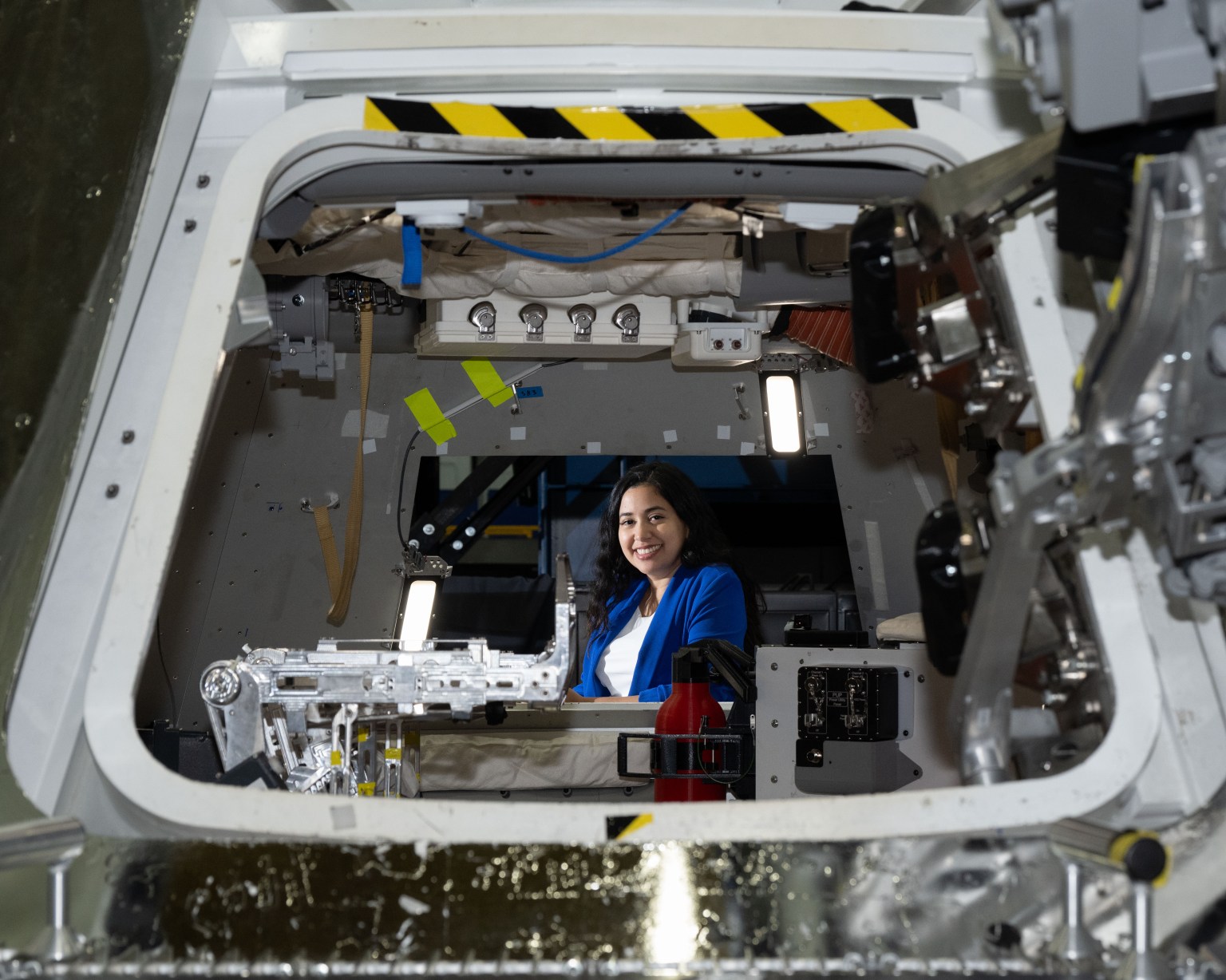
The Biosciences Collaborative Facility at Ames brings together technical competencies in chemistry, microbiology, cellular biology, and organismal biology to advance interdisciplinary research across the biological sciences. Although these fields have distinct research objectives, they share some scientific instruments and techniques. The facility’s open-concept design co-locates bench scientists, flight project developers, and engineers to accelerate the pace of discovery and instrument maturation.
Featured Examples
Open Science Data Repository (OSDR)
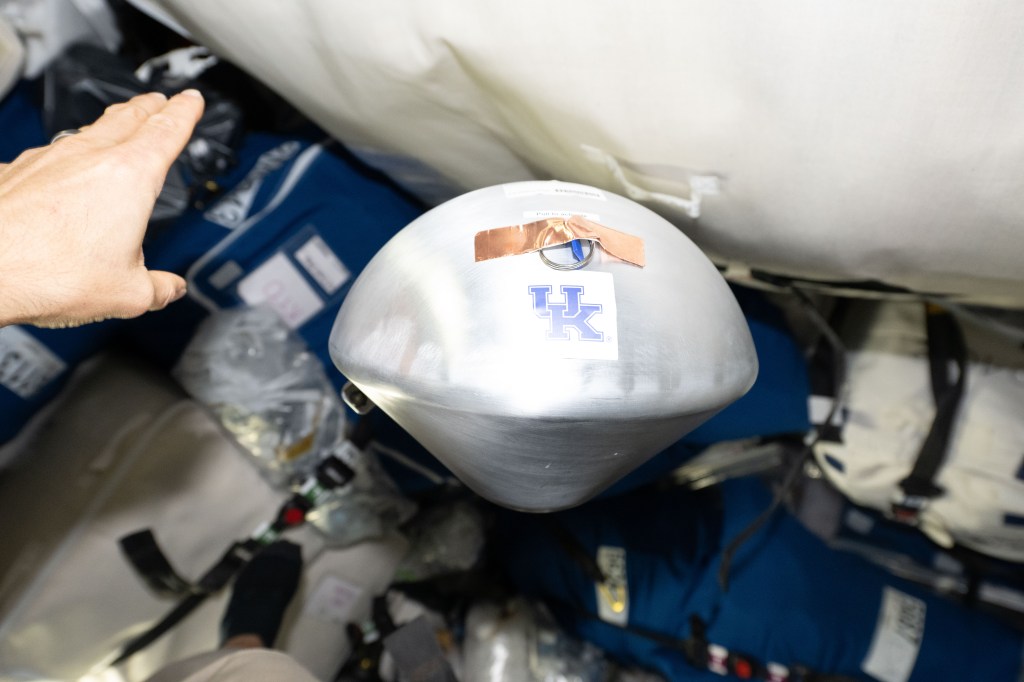
Since NASA’s first astronaut, Alan Shepard, launched into space over 60 years ago, the agency has learned how human bodies behave differently in space. The stressors of the space environment, including radiation and microgravity, can lead to health risks for astronauts, which must be understood and solved for astronauts to live and work in space for long periods of time. NASA’s Open Science Data Repository (OSDR) project captures large amounts of space biology data from the human, animal, microbial, and plant biology experiments conducted on the International Space Station. This precious data is available to scientists and students at no cost, and they can use it to study the effects of spaceflight on living things. Studying samples exposed to radiation, closed environments, and microgravity can help improve healthcare practices in space and on Earth.
- Learn more about OSDR.
- Explore related projects from the Space Biosciences Research Branch.

LEIA: Studying Genes in Space
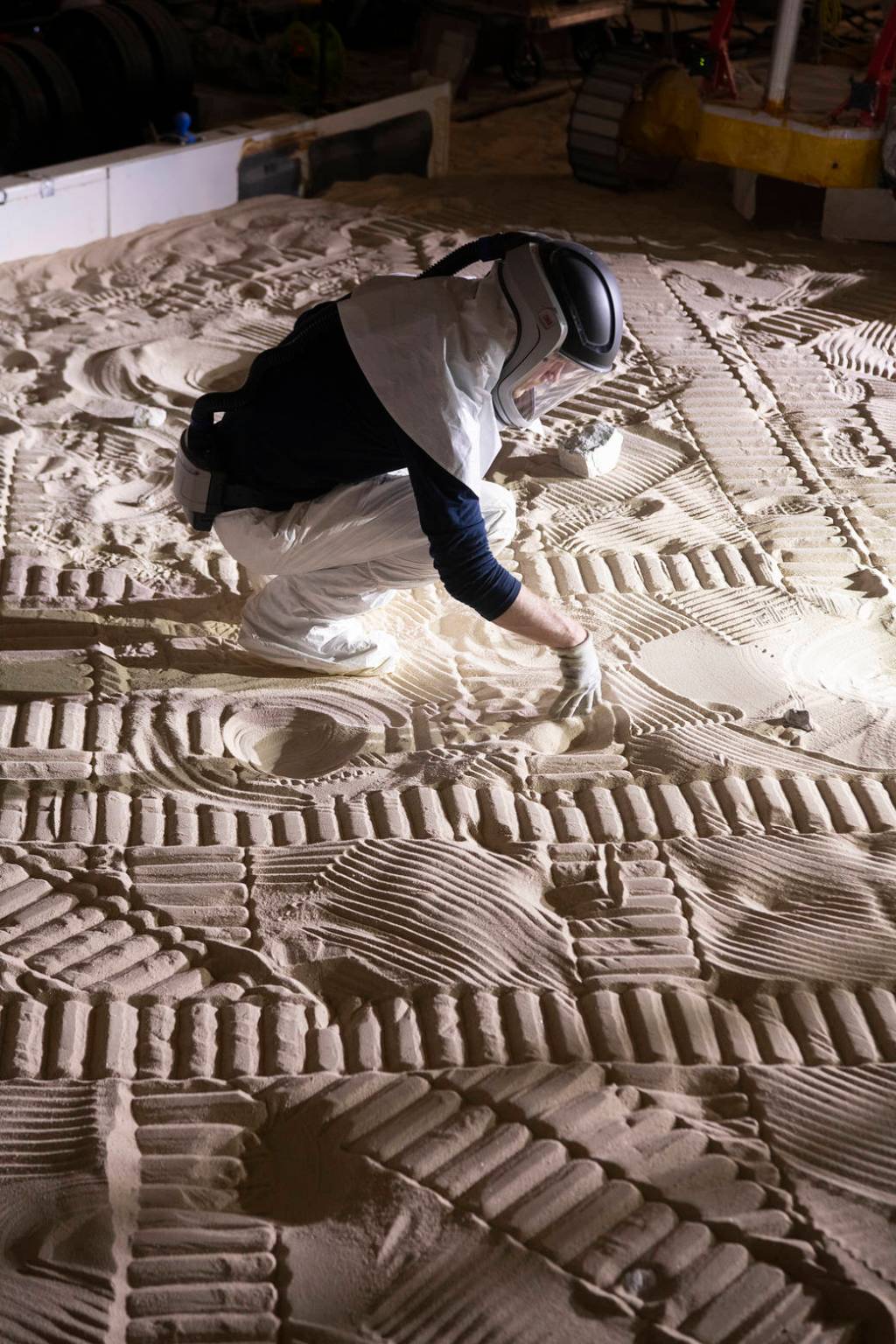
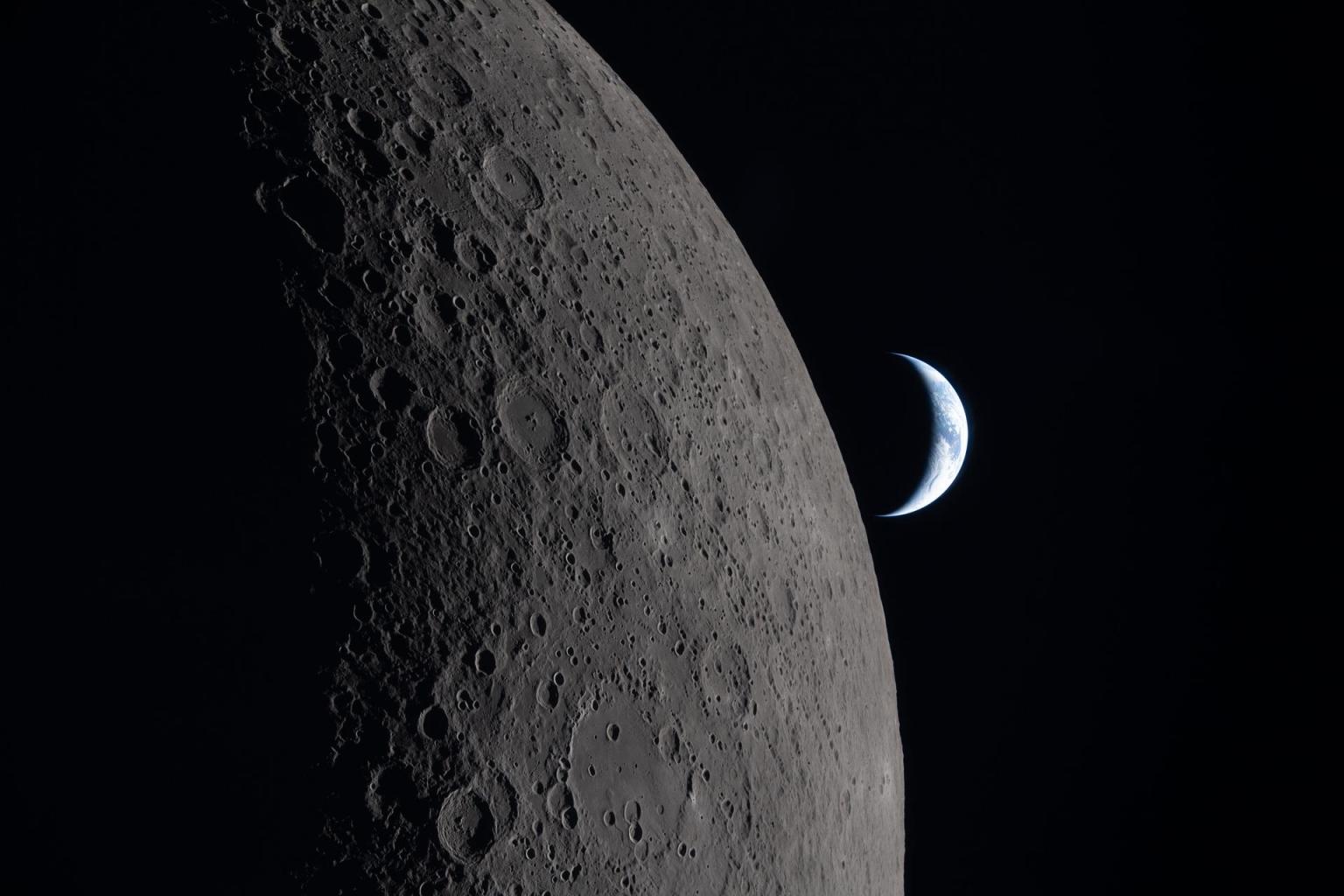
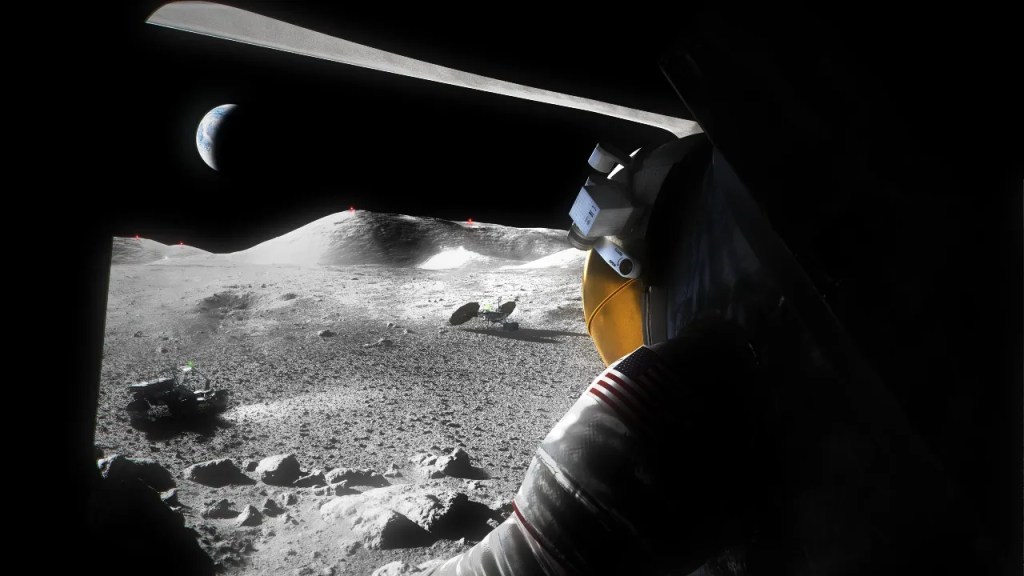
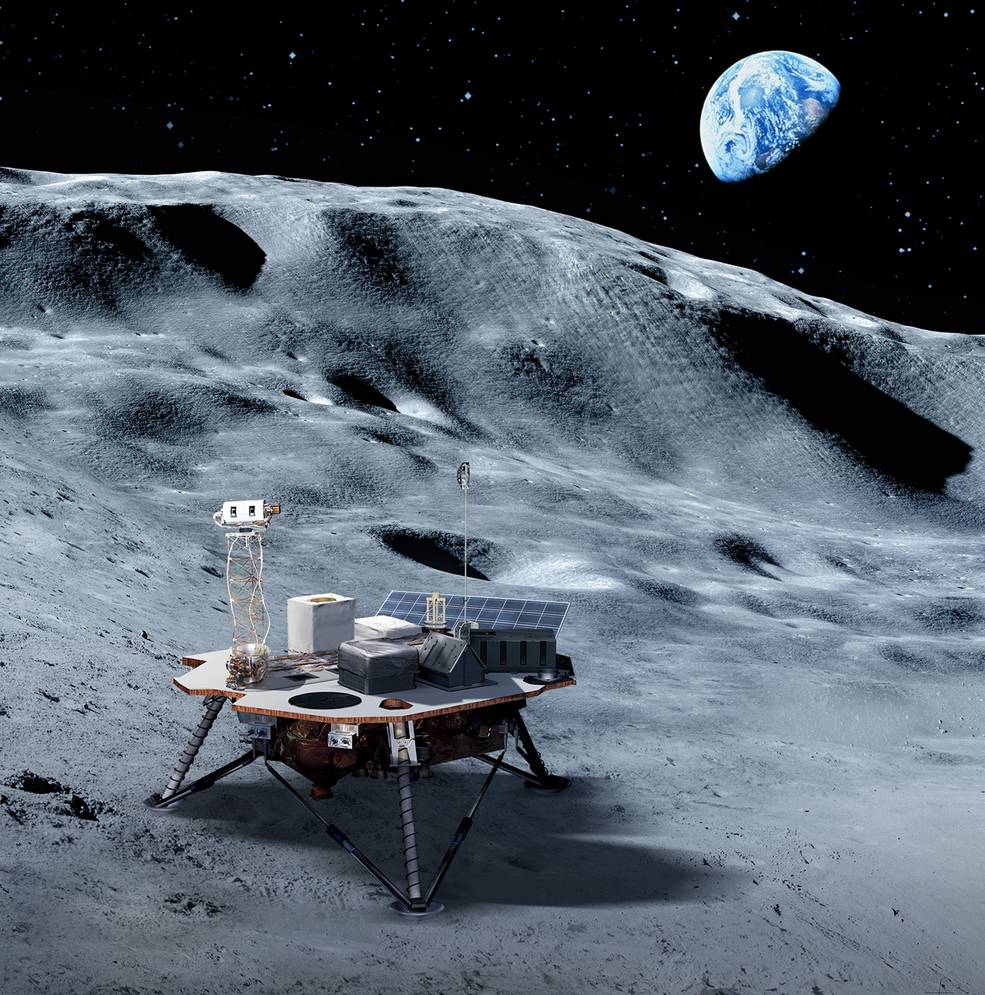
LEIA, the Lunar Explorer Instrument for Space Biology Applications, will land on the Moon’s south polar region to study the biological response of yeast to the lunar environment. This will help determine how partial gravity and deep space radiation influence biological processes such as cellular and DNA damage response and bioproduction. Results will inform our understanding of how the space environment affects the health of astronauts and other living things. This information is critical to protecting astronauts on long-term missions on the Moon and beyond.
- Learn more about LEIA.
- Explore related projects from the Flight Systems Implementation Branch.
Technology to Enable the Search for Life Beyond Earth
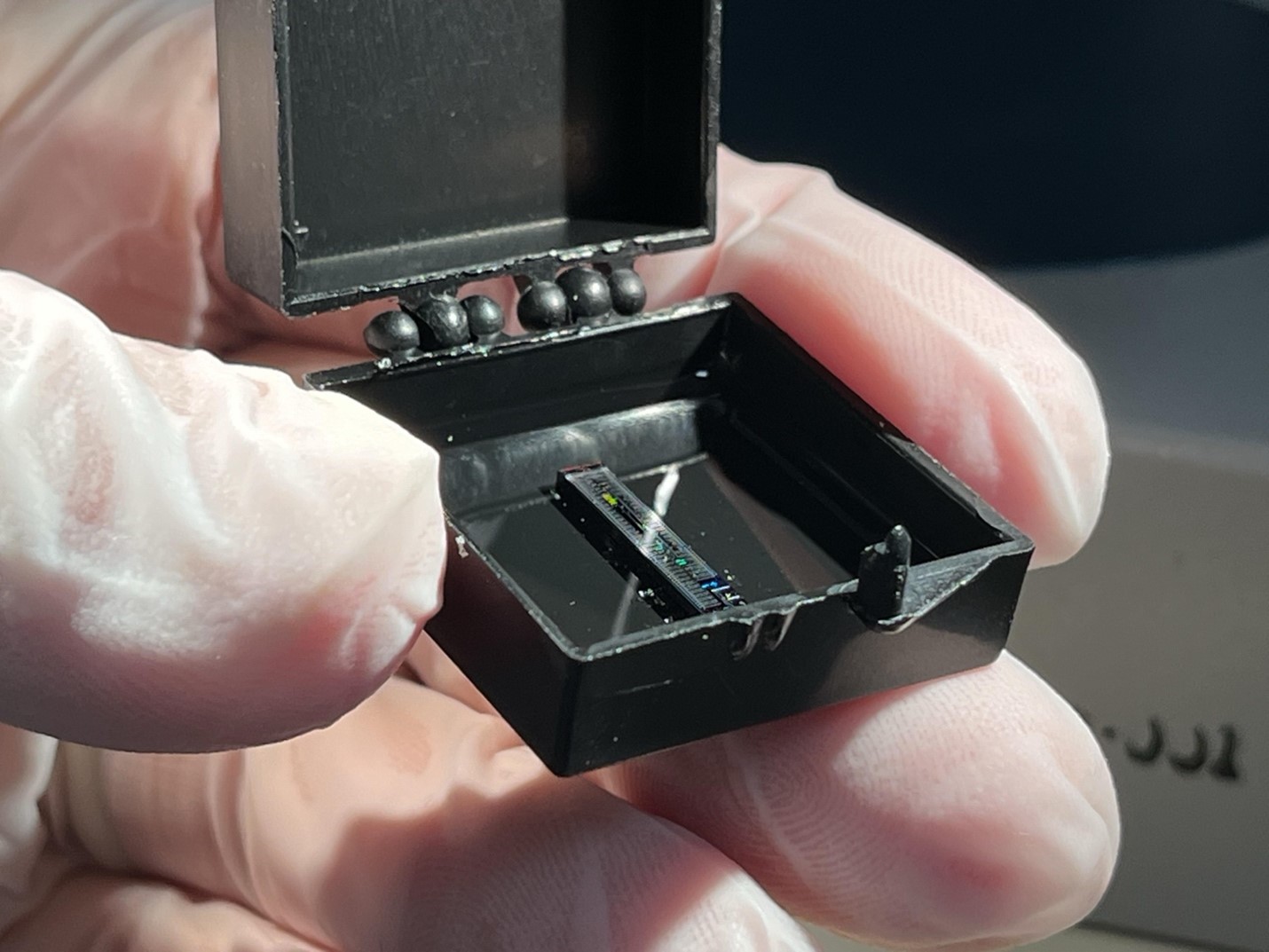
Spaceborne telescopes use coronagraphs to block the light from a bright star, enabling them to see much fainter planets that are very close to the star. Ames scientists in the Exoplanet Technologies Group are developing innovative coronagraph technologies for the Habitable Worlds Observatory (HWO). For instance, photonic integrated circuits will potentially expand the range of planets HWO will detect and the level of detail that can be observed about those planets. They also are miniaturizing the coronagraphic instrument, and developing multi-star wavefront control technology, enabling the study of habitable planets in binary star systems such as Alpha Centauri.
- Explore related projects from the Astrophysics Branch.