










VIPER Moon Rover’s Instruments Tested for Early Lunar Flight
by Gianine Figliozzi
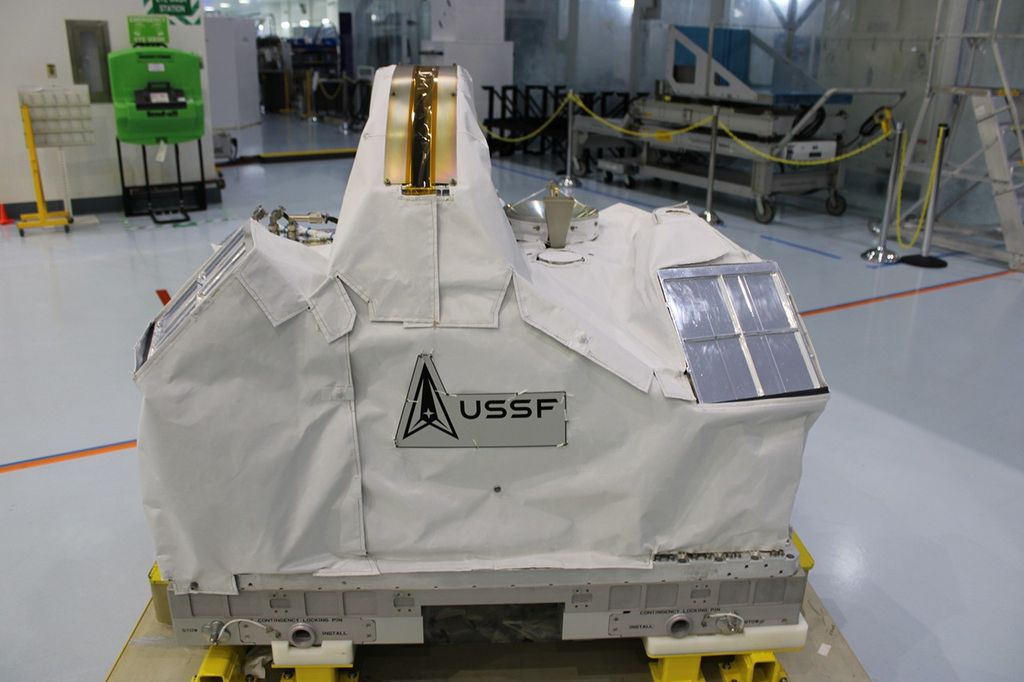
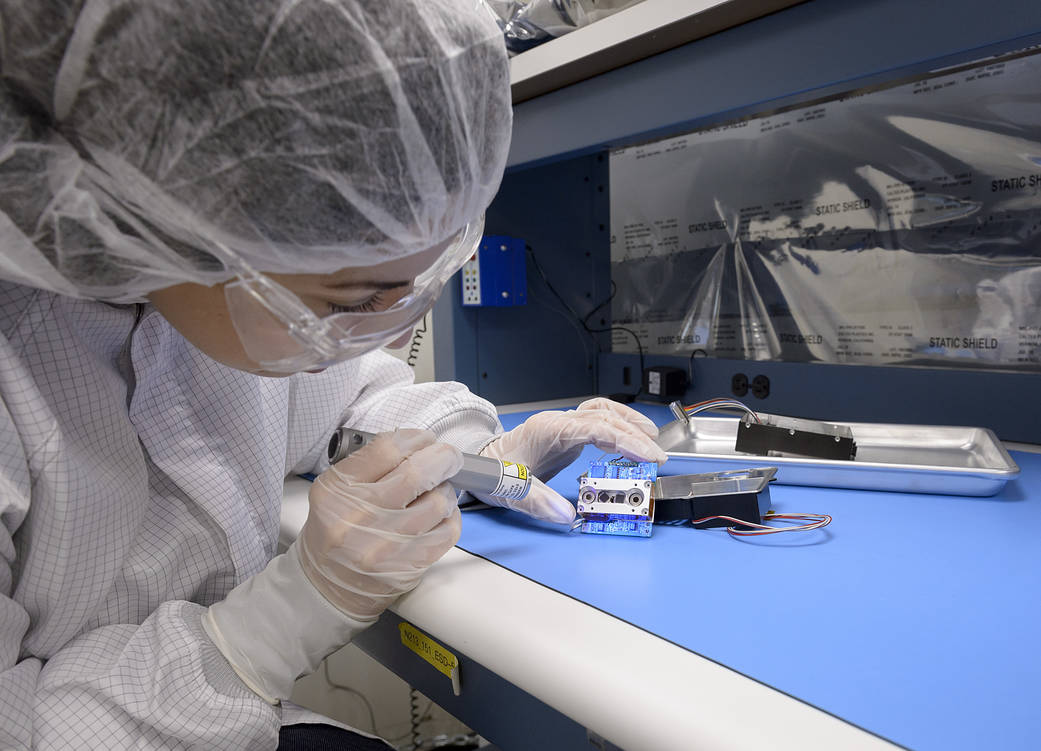
When NASA’s new Moon rover, VIPER, lands on the lunar surface to begin its hunt for water ice at the poles, it will be equipped for the job with instruments that have already been battle-tested in this harsh environment.
Prior to the launch of VIPER, the Volatiles Investigating Polar Exploration Rover, versions of these instruments will have flown as payloads on two earlier deliveries to the Moon by commercial providers under NASA’s Commercial Lunar Payload Services initiative. The goal of these CLPS deliveries is to perform science experiments, test technologies and demonstrate capabilities to help NASA explore the Moon and prepare for human missions beginning in 2024.
“These payload deliveries under CLPS give us a ‘sneak peek’ of the instruments’ performance in the very challenging environment of the Moon. We will study the instrument’s performance carefully in order to best prepare for our own use of them on the VIPER mission, greatly reducing our own mission risk,” said Dan Andrews, VIPER’s project manager at NASA’s Ames Research Center in California’s Silicon Valley.
For full story, see: ViperRover
NASA Supercomputers Power COVID-19 Research
by Ellen Gray
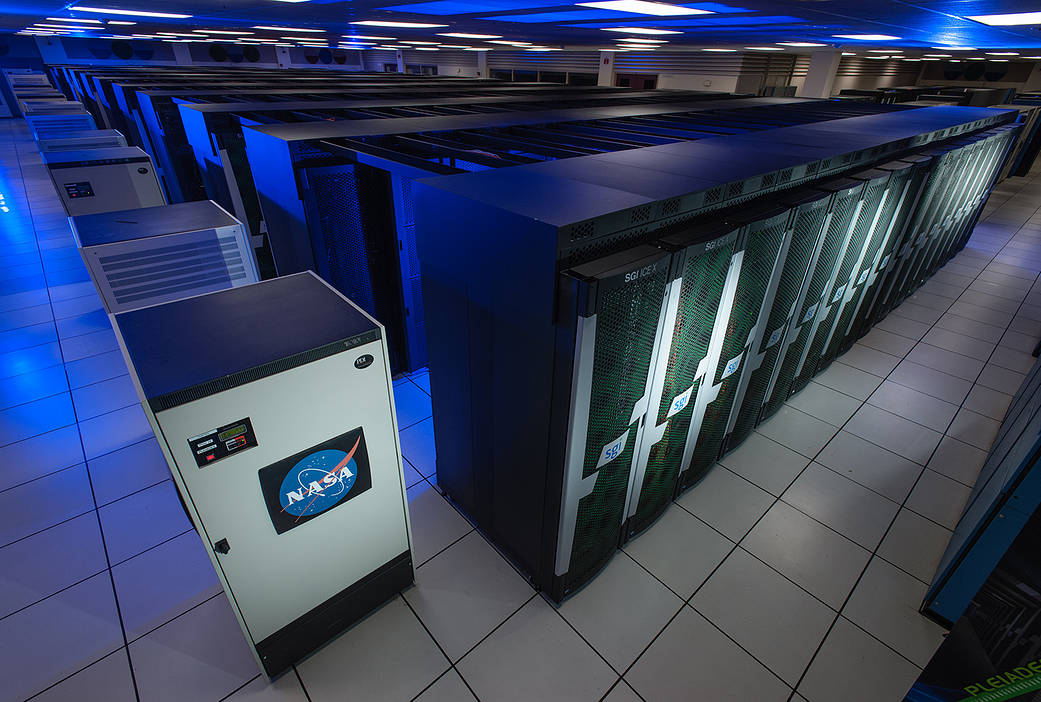
NASA is flexing its supercomputing muscle to help crack some of the most pressing questions surrounding COVID-19, from basic science on how the virus interacts with cells in the human body to genetic risk factors to screening for potential therapeutic drugs.
In addition to its support of Earth, planetary, aerospace, heliophysics and astrophysics projects, the agency’s supercomputer at NASA’s Ames Research Center in California’s Silicon Valley, also has an allocation of time on it reserved for national priorities.
For full story, see: Supercomputer/COVID-19
Ames Contributions to SpaceX Commercial Crew Missions
by Gianine Figliozzi
A new era of human spaceflight is set to begin as American astronauts once again launch on an American rocket from American soil to the International Space Station as part of NASA’s Commercial Crew Program – the first time since the retirement of the Space Shuttle Program in 2011.
Commercial crew partner SpaceX will carry humans to the space station, like a taxi or a rideshare service, shuttling people to their destination and home again. NASA’s goal is to become one customer of many customers in a robust low-Earth orbit economy, enabling the agency to realize the next generation of human space exploration through the Artemis program to the Moon and on to Mars.

For full story, see: AmesSpaceX
Top Ten Discoveries from the Stratospheric Observatory for Infrared Astronony (SOFIA)
by Kassandra Bell
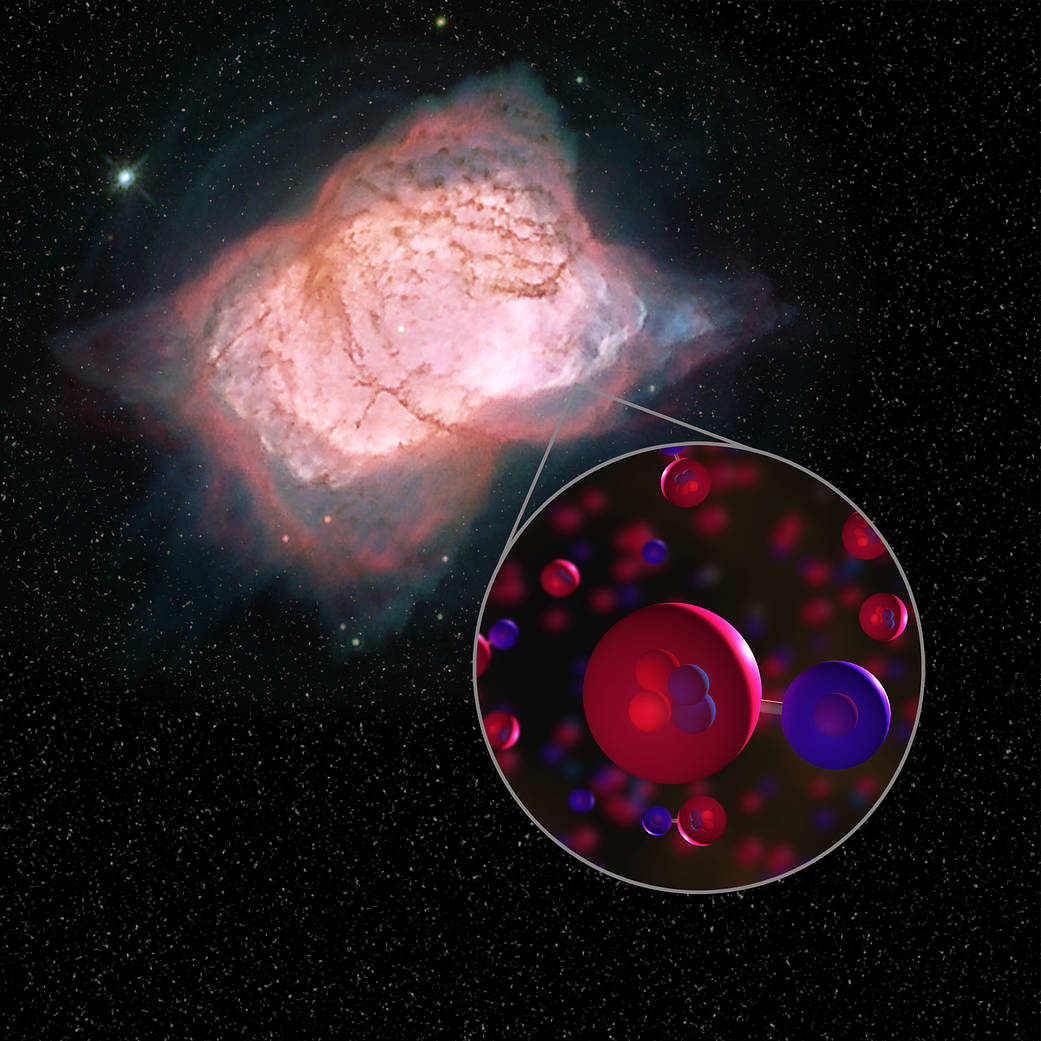
Ten years ago, NASA’s telescope on an airplane, the Stratospheric Observatory for Infrared Astronomy, or SOFIA, first peered into the cosmos. Since the night of May 26, 2010, SOFIA’s observations of infrared light, invisible to the human eye, have made many scientific discoveries about the hidden universe.
SOFIA’s maiden flight, known as “first light,” observed heat pouring out of Jupiter’s interior through holes in the clouds and peered through the dense dust clouds of the Messier 82 galaxy to catch a glimpse of tens of thousands of stars forming. The observatory was declared fully operational in 2014 — the equivalent to the launch of a space telescope — but it began making discoveries even while completing the testing of its instruments and telescope.
For full story, see: SOFIAdiscoveries
NAS Researchers Bring Asteroid Simulation Down to Earth
by Michelle Moyer
This is first of a two-part series on the NAS Division’s latest research supporting U.S. asteroid threat assessment efforts.
If you were standing on the southern coast of Spain just after midnight on February 22, 2020, you would have been dazzled by a brilliant fireball a hundred times brighter than Venus streaking across the night sky. Disappearing harmlessly 30 kilometers above the Mediterranean Sea, the meteor was one of millions that burn up in Earth’s protective atmosphere every day—most as small as dust particles.
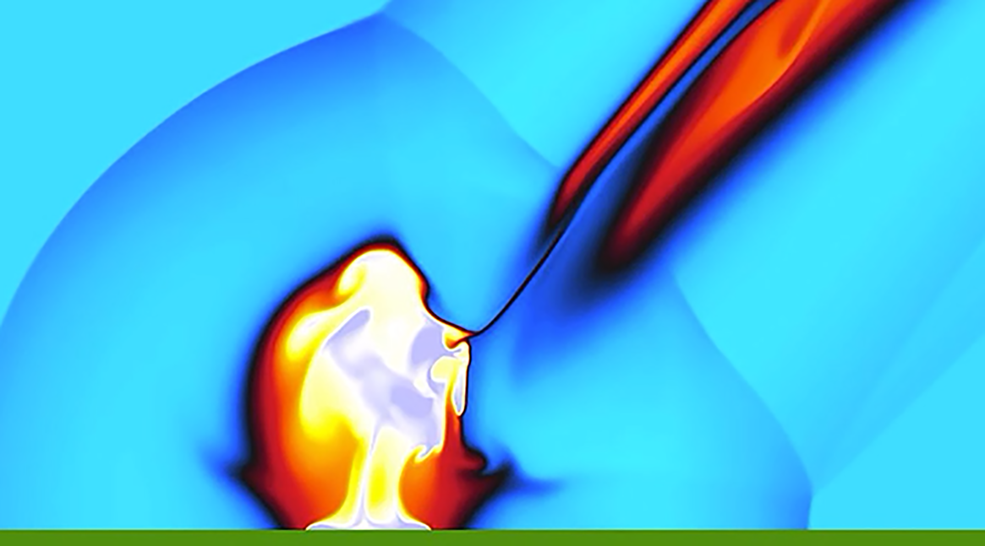
Once in a while, a larger one gets far enough through the atmosphere to affect the planet’s surface, either explosively breaking up in the air, creating a blast wave that propagates to the ground, or impacting the ground itself. Predicting what happens next is where researchers working in the NASA Advanced Supercomputing (NAS) Division come in. As part of NASA’s Asteroid Threat Assessment Project (ATAP) team, these researchers run millions of hypothetical airburst and impact scenarios on supercomputers at the NAS facility, located at NASA’s Ames Research Center in Silicon Valley. Using their Probabilistic Asteroid Impact Risk (PAIR) model, they estimate the effects of blast waves, thermal radiation, tsunamis, and global climatic effects that could result from such impacts.
For full story, see: NASAsteroidSimulation
Chemist Audrey Miyamoto Prepares Apollo 11 Sample for Analysis
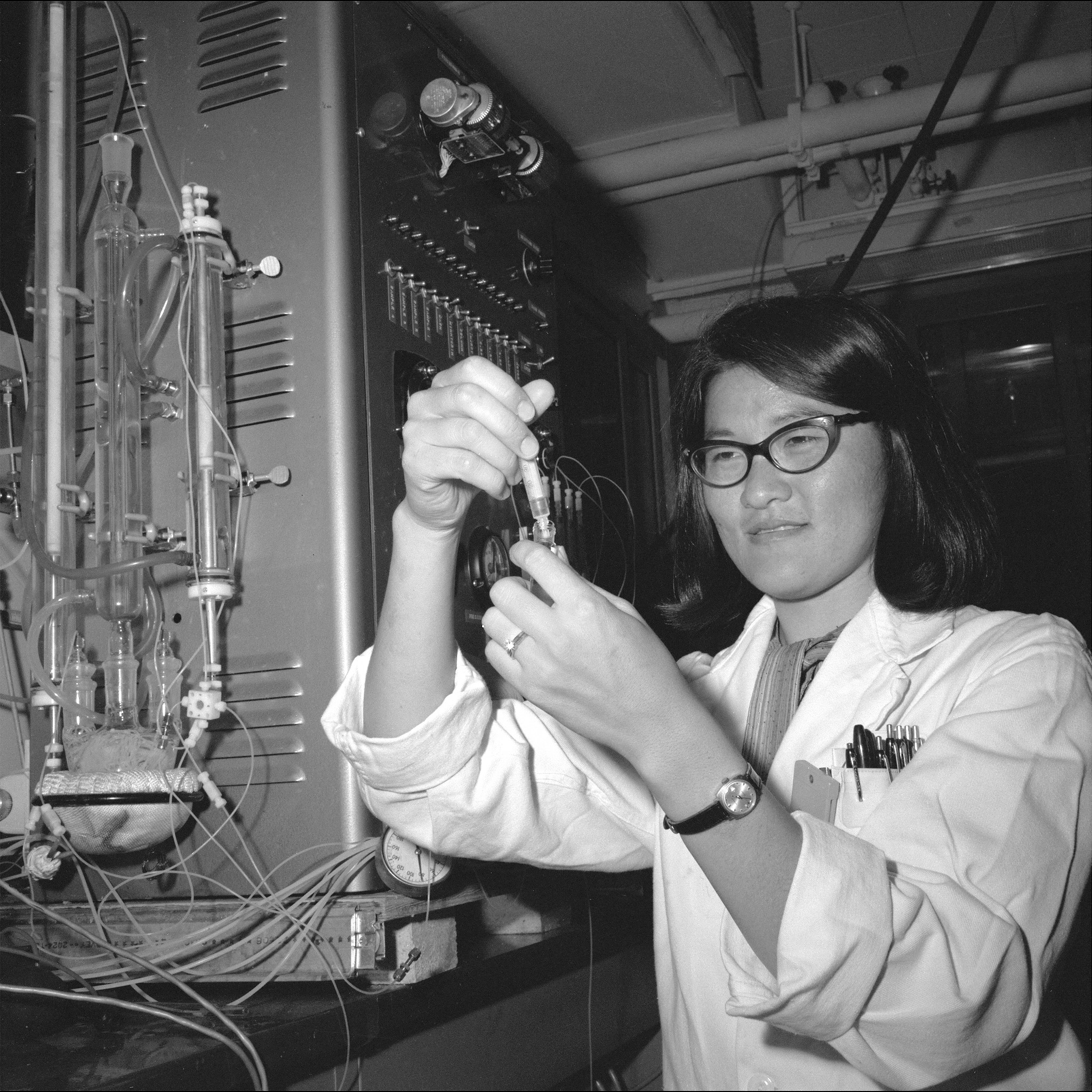
This is one of a series of photos from 1969 that shows researchers at NASA’s Ames Research Center examining samples of Moon rocks and soil and that astronauts brought back from the Apollo 11 mission. The researchers are looking for signs of life endemic to the Moon, as well as organic compounds that are the basic building blocks of life. Of course, no lunar life was found in these samples, and we now know that the Moon does not harbor life. Nevertheless, these tests became the first time that NASA looked for the possibility of life existing on another world using samples from that world.
Learn more about the Lunar Biological Lab at NASA Ames.
NASA Builds on Investments in US Small Business’ Beneficial Technologies
by Tiffany Blake
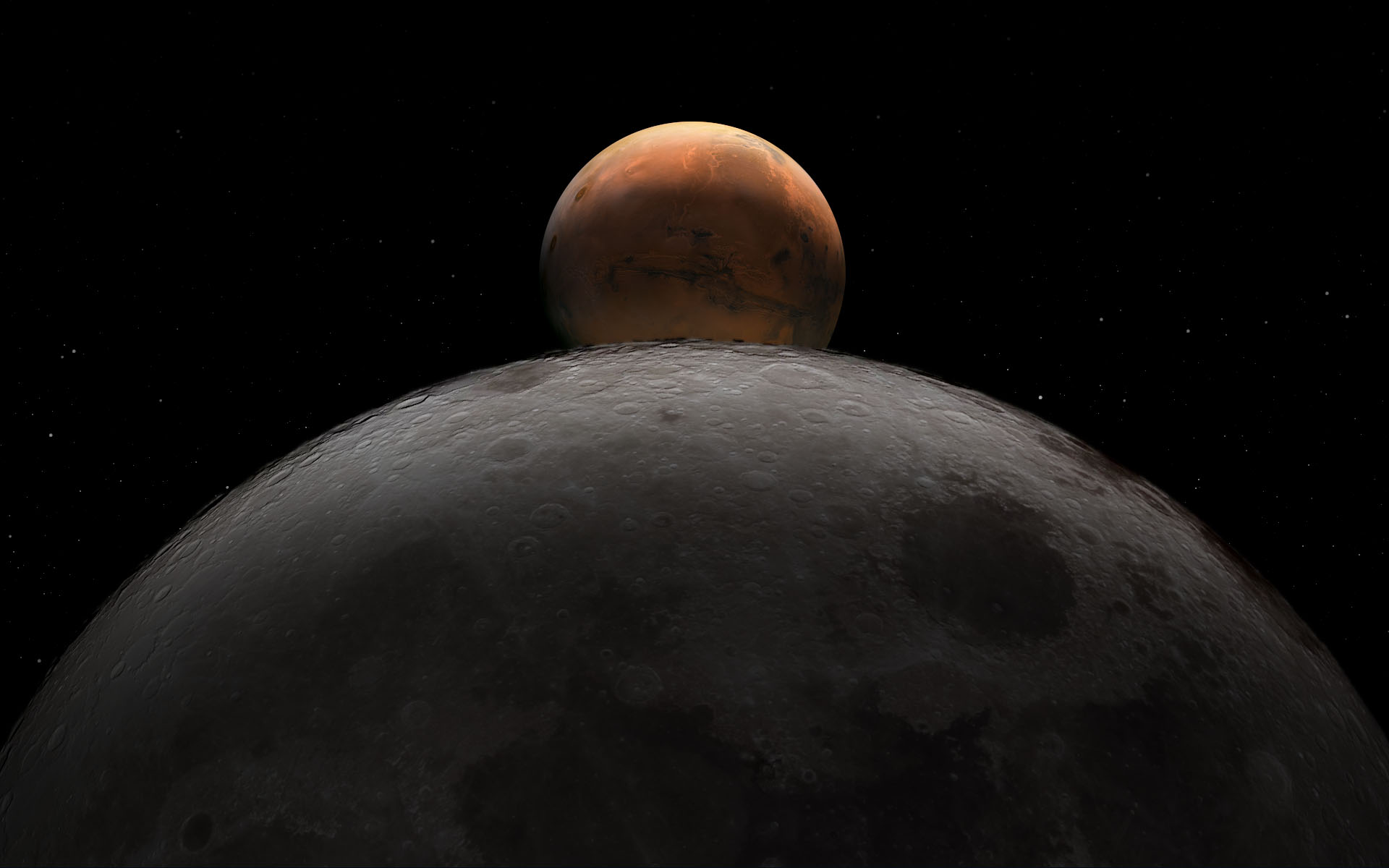
NASA has selected 139 proposals for follow-on funding though the agency’s Small Business Innovation Research (SBIR) program. The Phase II awards will provide approximately $104 million to 124 small businesses located across 31 states.
NASA annually invests in U.S. small businesses with promising new technologies – companies developing better batteries, virtual assistants, lightweight materials and more. These technologies can benefit space missions, as well as improve life on Earth.
“Small businesses offer innovative solutions that benefit every area of NASA and often find applications outside of the agency,” said Jim Reuter, associate administrator for NASA’s Space Technology Mission Directorate in Washington. “This announcement is another step forward in NASA’s Moon to Mars exploration approach. The agency continues to invest in and support small businesses, as they continue to mature important technologies for future missions that can also benefit us on Earth.”
For full story, see: BeneficialTech
SOFIA Finds Clues Hidden in Pluto’s Haze
by Kassandra Bell
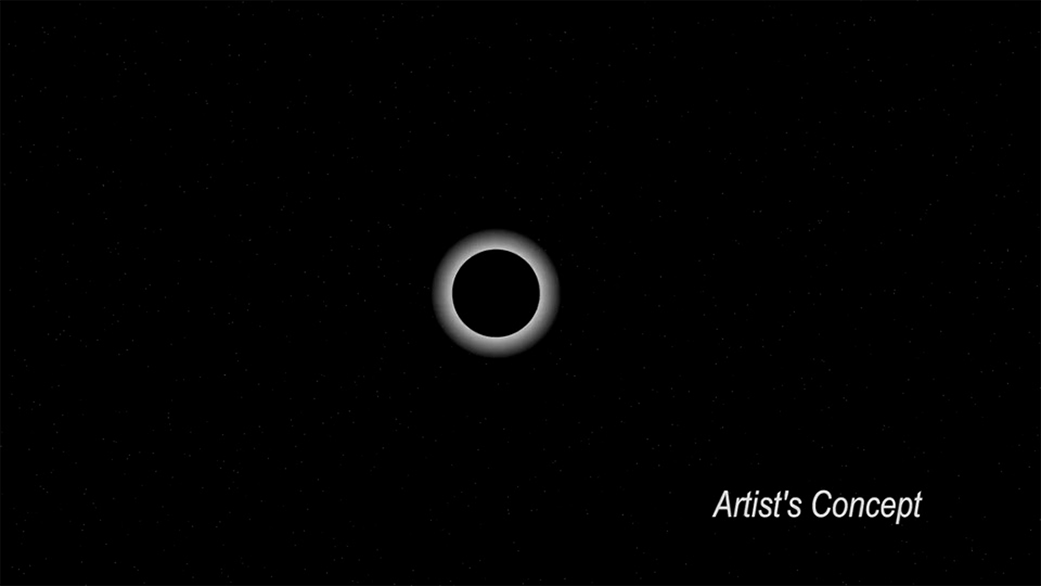
When the New Horizons spacecraft passed by Pluto in 2015, one of the many fascinating features its images revealed was that this small, frigid world in the distant solar system has a hazy atmosphere. Now, new data helps explain how Pluto’s haze is formed from the faint light of the Sun 3.7 billion miles away as it moves through an unusual orbit.
Remote observations of Pluto by NASA’s telescope on an airplane, the Stratospheric Observatory for Infrared Astronomy, or SOFIA, show that the thin haze enshrouding Pluto is made of very small particles that remain in the atmosphere for prolonged periods of time rather than immediately falling to the surface. SOFIA’s data clarify that these haze particles are actively being replenished – a discovery that is revising predictions on the fate of Pluto’s atmosphere as it moves into even colder areas of space on its 248-Earth-year orbit around the Sun. The results are published in the scientific journal Icarus.
For full story, see: SOFIAPluto
Testing on the Ground Before You Fly: Wind Tunnels at NASA Ames
by Abigail Tabor
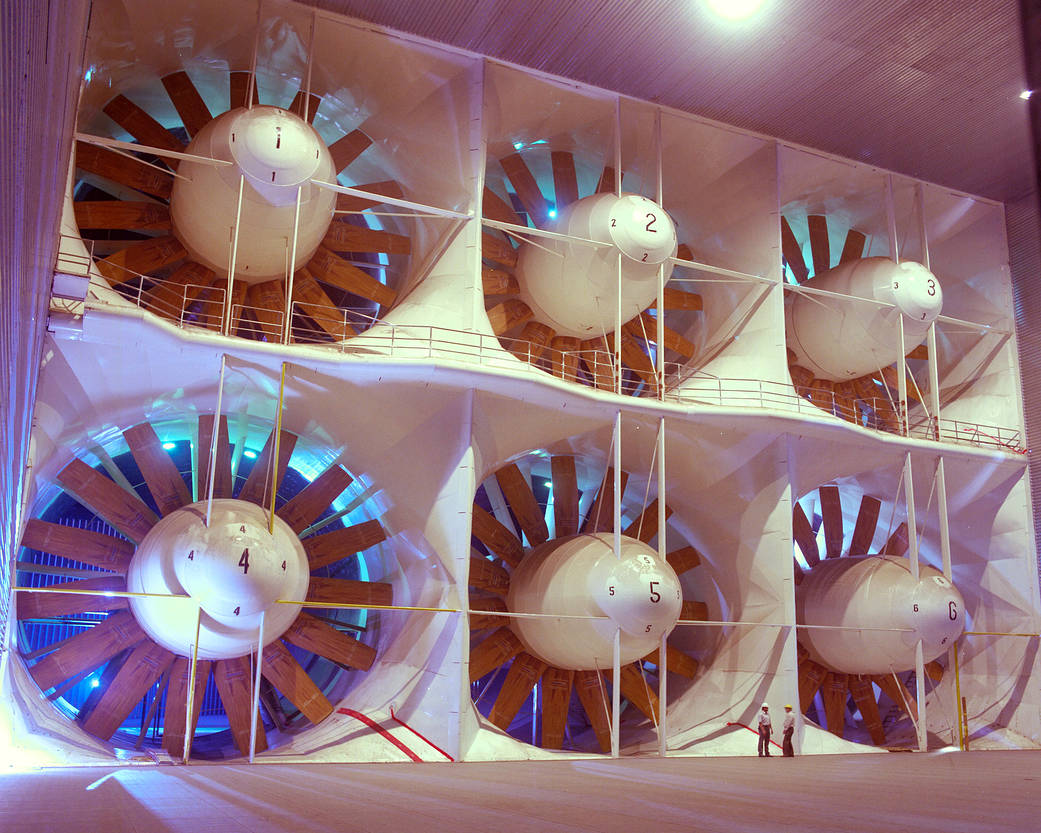
What is a wind tunnel? If you’ve ever flown on a plane, you’ve probably been in a vehicle that NASA helped develop. Because before something can fly in the sky, it needs to “fly” on the ground – and for that you need a wind tunnel. Several of these often huge and essential facilities are found at NASA’s Ames Research Center in California’s Silicon Valley – including the biggest (two!) in the world.
A wind tunnel works by moving air past a stationary object, making it seem like the object is flying. The tunnel is essentially a giant tube with air flowing through it, usually moved along by fans. Important studies of aircraft, spacecraft and related components take place in the test section, a narrower part of the tube where the air flows very smoothly over a test object. This is usually a scaled-down model, but can even be a full-size vehicle. During a test, wind tunnel engineers measure how the design responds “in flight,” observing its stability, aerodynamic performance and more.
For full story, see: AmesWindTunnels
Astronauts Leave “Microbial Fingerprint” on Space Station
by Abigail Tabor
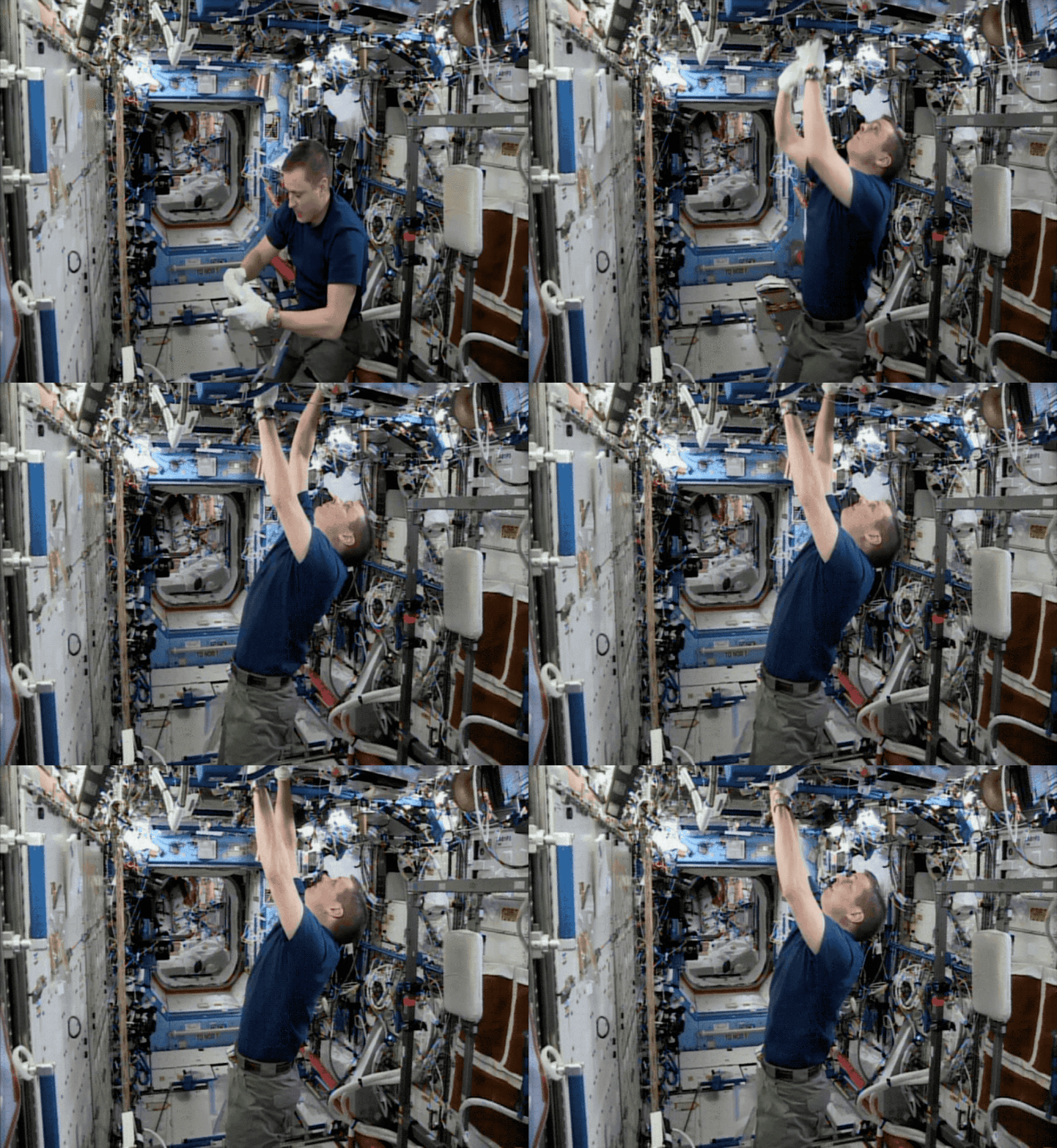
When a new crew member arrives on the International Space Station, the population of humans living in space changes – of course. But so, too, does the population of microbes. Countless types of microorganisms inhabit our bodies, inside and out, and when an astronaut arrives on the station, they bring their specific collection of microbial “hitchhikers” with them. A new study shows that the microorganisms living on surfaces inside the space station so closely resembled those on an astronaut’s skin that scientists could tell when this new crew member arrived and departed, just by looking at the microbes left behind. The findings show how keeping an eye on the tiniest space station residents will be important for protecting the health of astronauts and the spacecraft they occupy. It could even tell us something about relatively closed environments on Earth, like hospitals, where understanding the presence of microbes is key.
For full story, see: MicrobialFingerprint
Drones for Disaster Response: NASA STEReO Project Kicks Off
by Abigail Tabor
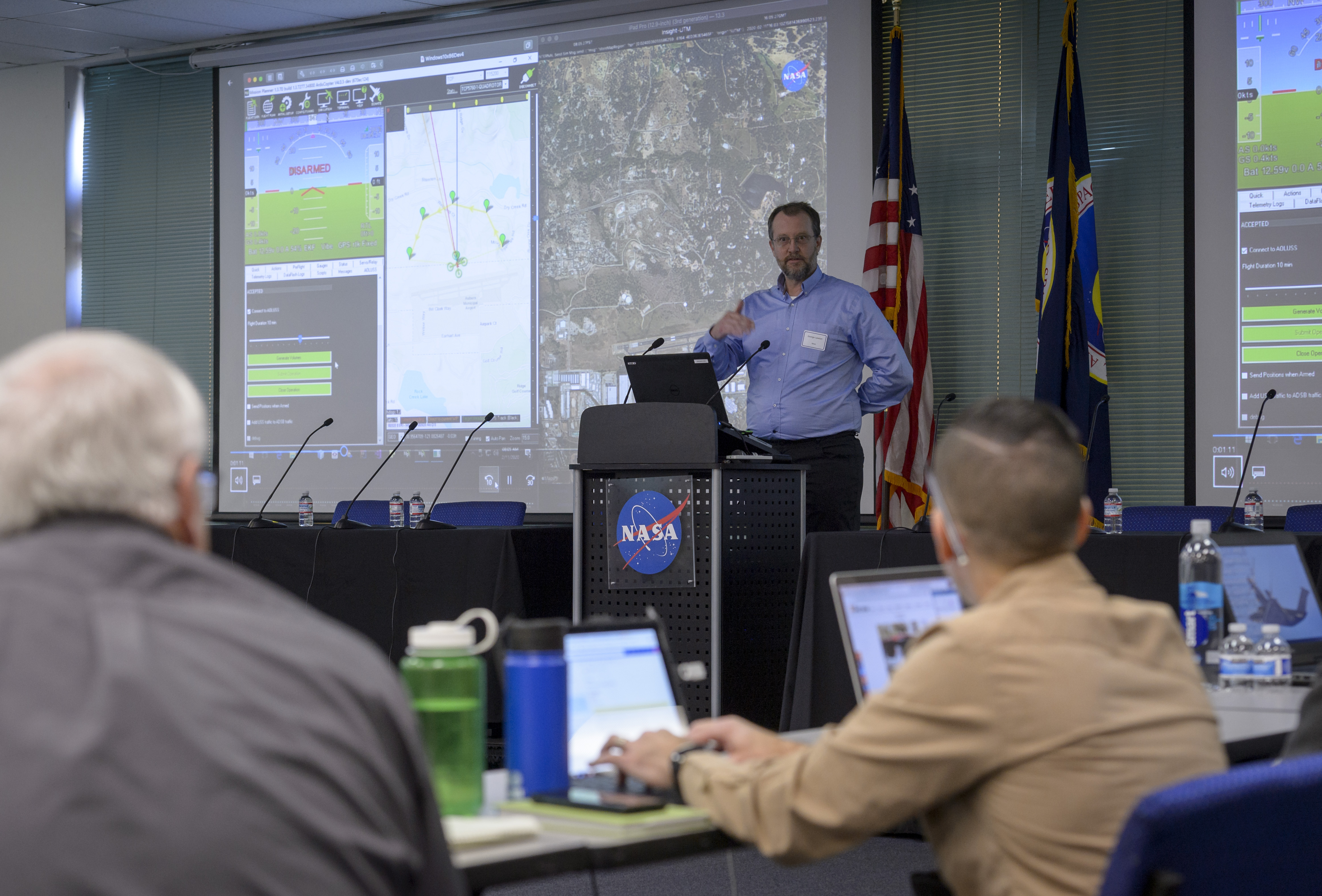
Natural disasters, like wildfires and hurricanes, can lead to many lives lost and billions of dollars in costs across the U.S. each year. To help reduce that impact, drones have great potential to assist emergency responders by making their interventions even faster, more targeted and better able to adapt to changing circumstances. Also known as unmanned aircraft systems, or UAS, these vehicles and the systems that support them could multitask in unique ways, for instance by using software to track firefighters on the ground before dropping forest fire retardant a safe distance away. A new NASA project, called Scalable Traffic Management for Emergency Response Operations, or STEReO, is working on the tools needed to make this a reality. The team and its many collaborators kicked the project into gear with a workshop in February 2020.
While STEReO is conceived and led by NASA’s Ames Research Center in California’s Silicon Valley – and builds on NASA’s research in drone traffic management, human factors, vehicle autonomy and communications – a variety of partners will be essential to making it work.
For full story, see: STEReO
NASA Airborne Science Interns Garthering Data at Home
by Emily Schaller
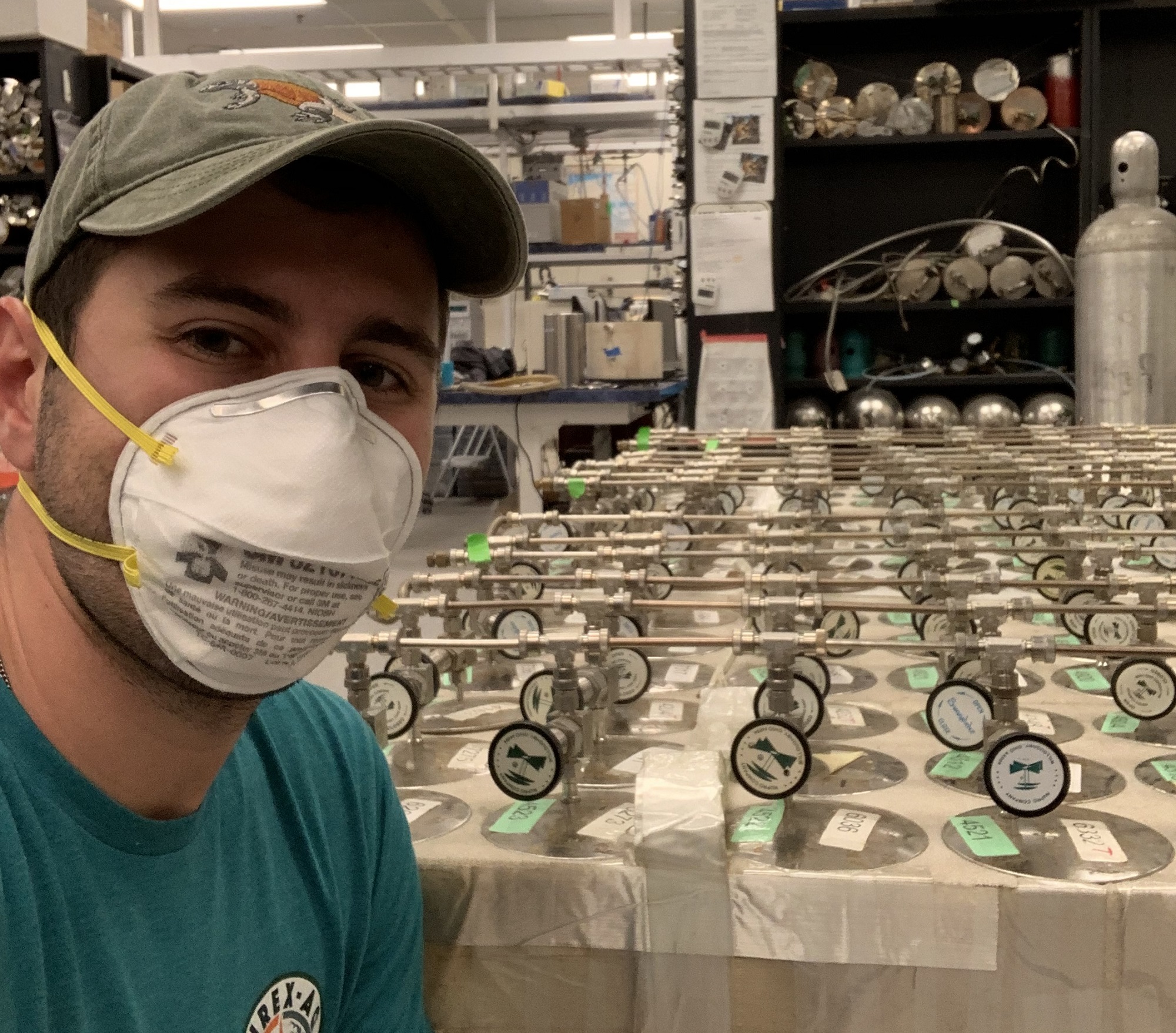
Every summer since 2009, the NASA Student Airborne Research Program (SARP) has brought about 30 undergraduate STEM students from across the United States to California for an internship experience with NASA Earth Science research that includes flights on a research aircraft. This year with COVID-19 travel and social distancing restrictions in place, SARP might be grounded but the internship continues with new at-home data collection as well as the analysis of previously collected aircraft, ground and satellite data.
In February, 28 undergraduates were selected for the SARP class of 2020 from hundreds of applicants from U.S. educational institutions. In the weeks after their selection, it became clear that the ability of the students to travel to California and participate in the airborne research was uncertain due to the COVID-19 pandemic.
For full story, see: ScienceInterns
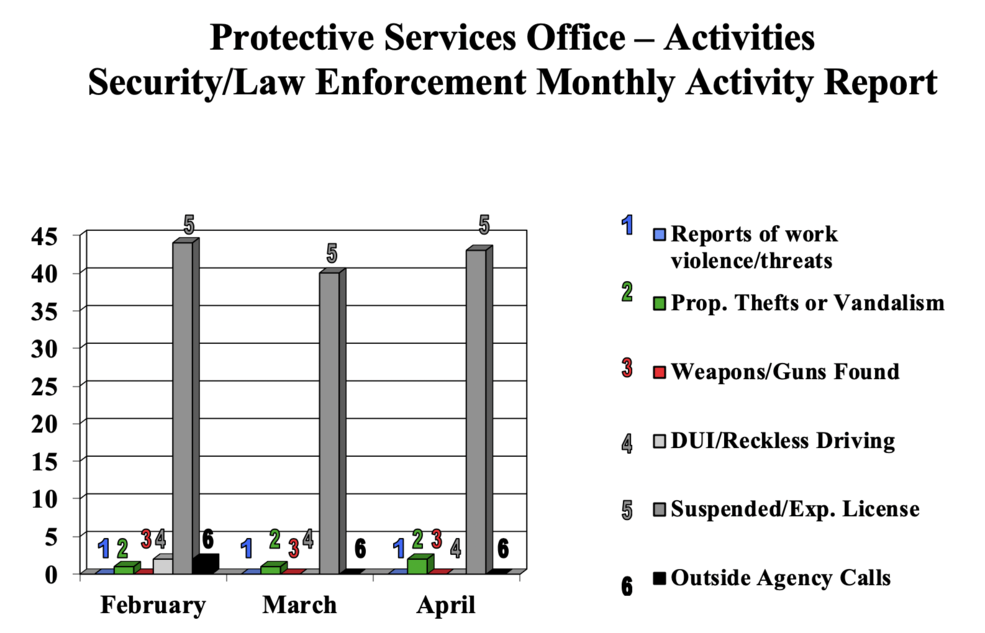
Statistical Summary of Activities of the Protective Service Division’s Security/Law Enforcement and Fire Protection Services Units for Period Ending April 2020