






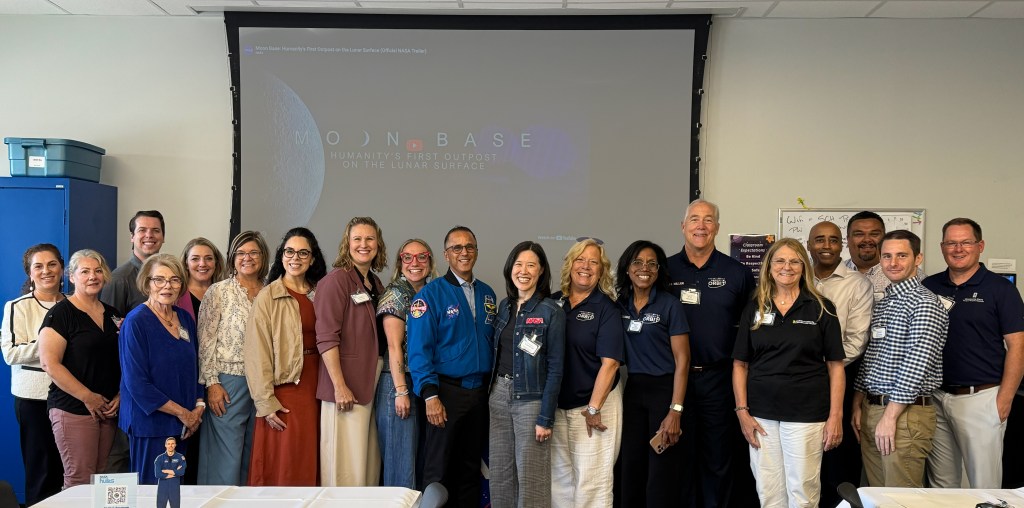
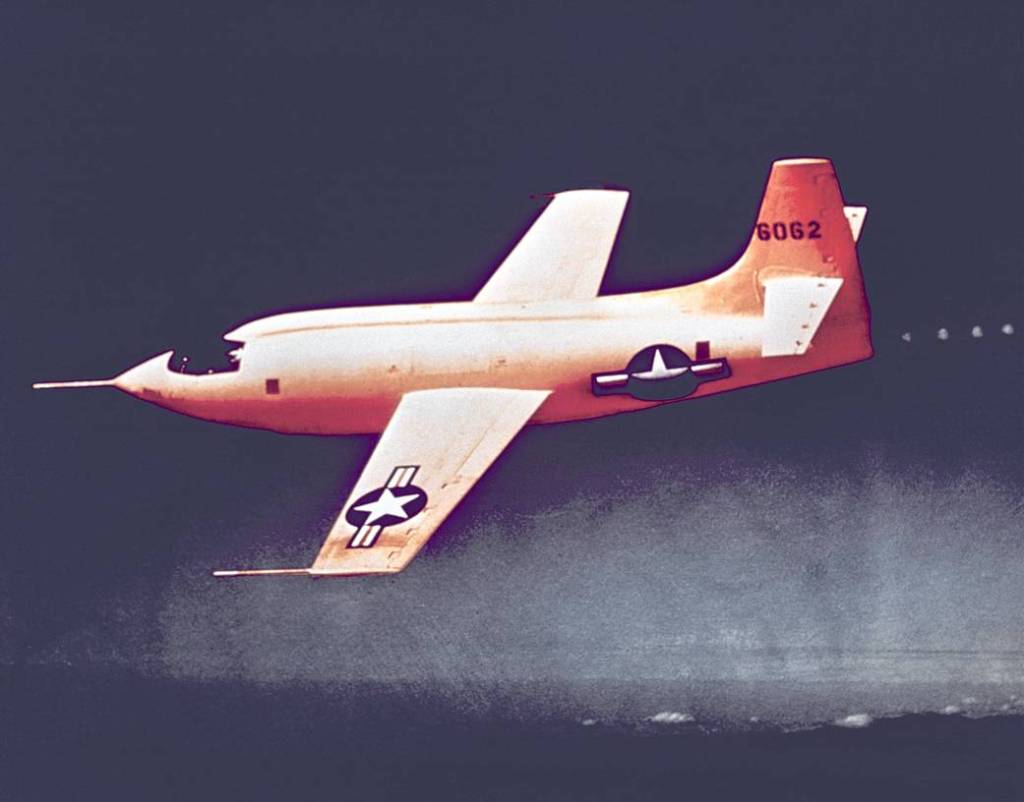





Town Hall Held to Welcome Back Ames Employees After Government Shutdown

Day of Remembrance Observed at Ames
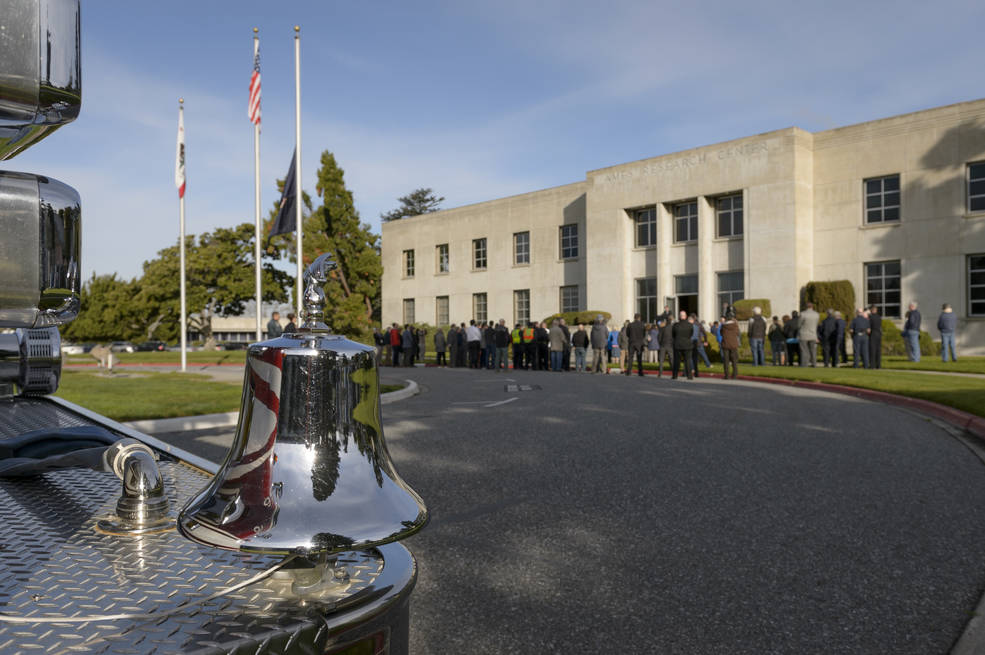
High School Science Teachers Will Fly on SOFIA
by Kassandra Bell
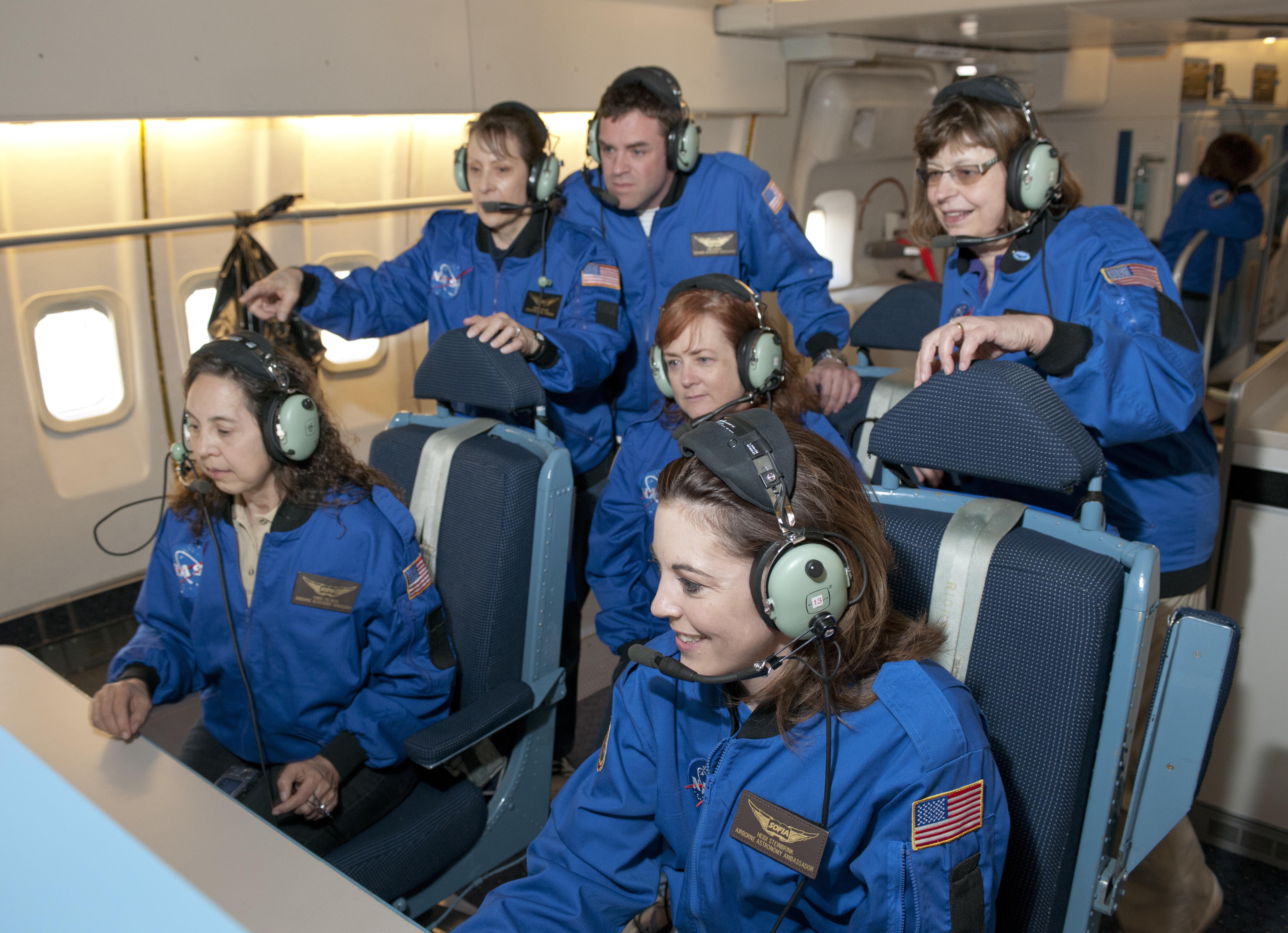
The SETI Institute partnered with 14 school districts in eight states for the 2019 NASA Airborne Astronomy Ambassadors (AAA) program. The AAA program is a professional development opportunity for high school science teachers designed to improve science teaching and learning and increase student engagement in Science Technology Engineering and Math (STEM).
Participating teachers receive training in astrophysics and planetary science, content and pedagogy. Their training includes a week-long immersion experience at NASA’s Flight Research Center Hangar 703 in Palmdale, California, with participation in research flights aboard NASA’s Stratospheric Observatory for Infrared Astronomy (SOFIA). The program culminates in classroom delivery of a SOFIA science-oriented curriculum module. Impact on student STEM learning and engagement will be measured by WestEd education evaluators.
For full story, see: TeachersSOFIA
SOFIA Uncovers Clues to the Evolution of Universe and Search for Life
by Kassandra Bell
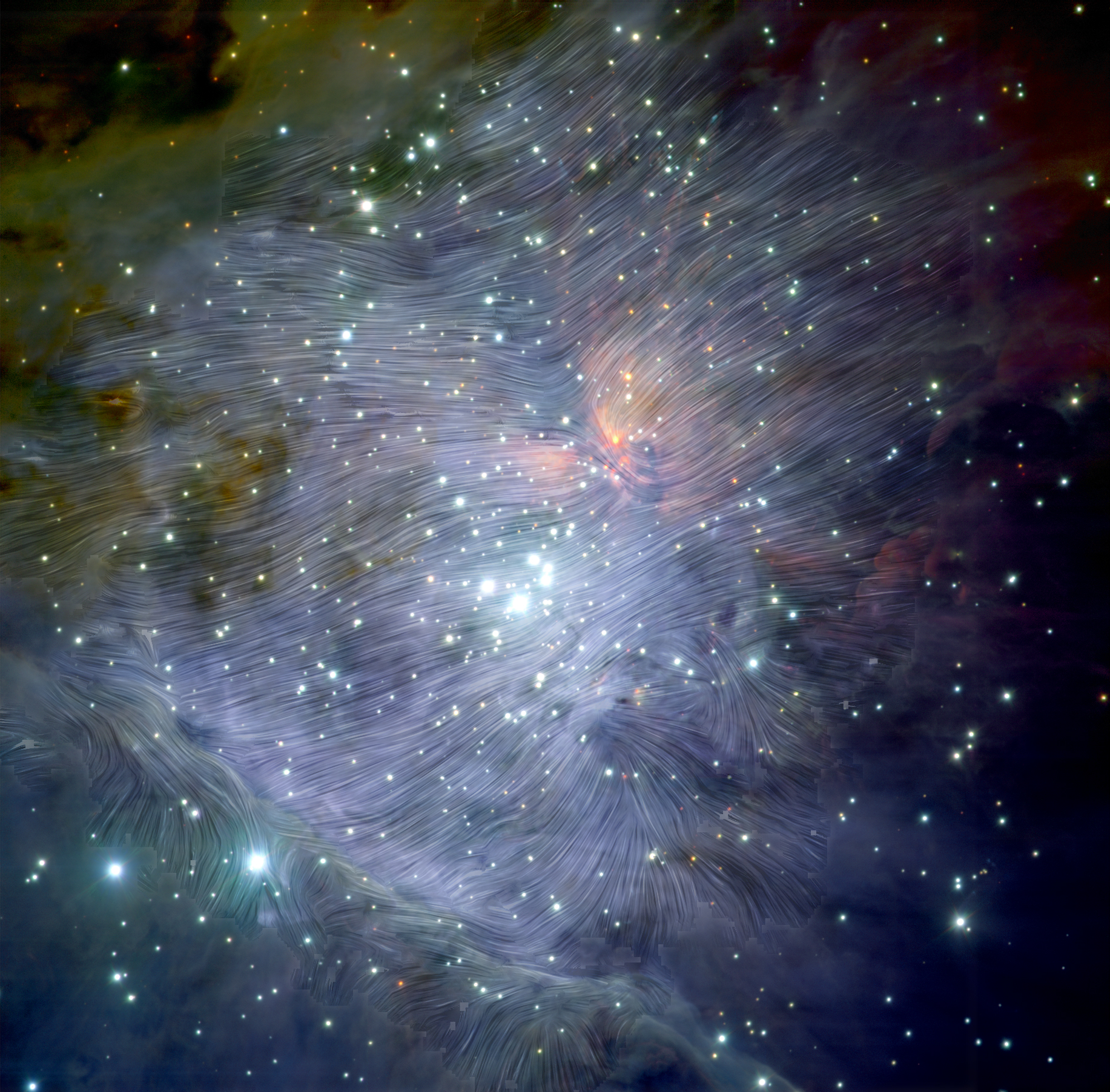
A compilation of scientific results from The Stratospheric Observatory for Infrared Astronomy, SOFIA, reveal new clues to how stars form and galaxies evolve, and closer to understanding the environment of Europa and its subsurface ocean. The airborne observatory carries a suite of instruments, each sensitive to different properties of infrared light, that gives astronomers insights into the flow of matter in galaxies.
“Much of the light in the universe is emitted as infrared light that does not reach Earth’s surface,” said Bill Reach, chief science advisor at the University Space Research Association’s SOFIA Science Center. “Infrared observations from SOFIA, which flies above most of the atmosphere, let us study what’s happening deep inside cosmic clouds, analyze celestial magnetic fields and investigate the chemical universe in ways that are not possible with visible light.”
For full story, see: SOFIAClues
NASA Tests Urban Drone Traffic Management in Nevada, Texas
by Darryl Waller
NASA has selected two organizations to host the final phase of its four-year series of increasingly complicated technical demonstrations involving small Unmanned Aircraft Systems (UAS), commonly known as drones.
The Nevada Institute for Autonomous Systems in Las Vegas and the Lone Star UAS Center for Excellence & Innovation in Corpus Christi, Texas, will host demonstrations to confirm NASA’s UAS Traffic Management (UTM) system can safely and effectively manage drone traffic in an urban area.
The drone flights will take place in and around downtown Reno, Nevada between March and June, and Corpus Christi during July and August.

For full story, see: DroneTrafficMgt
Human Activity in China and India Dominates the Greening of Earth, NASA Study Shows
by Abby Tabor
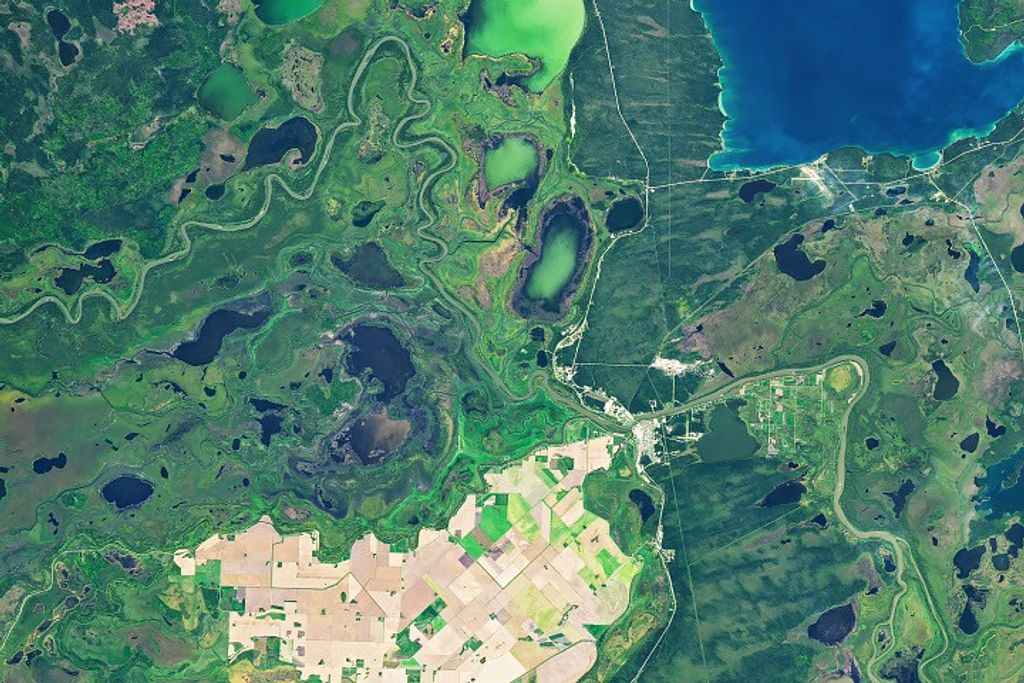
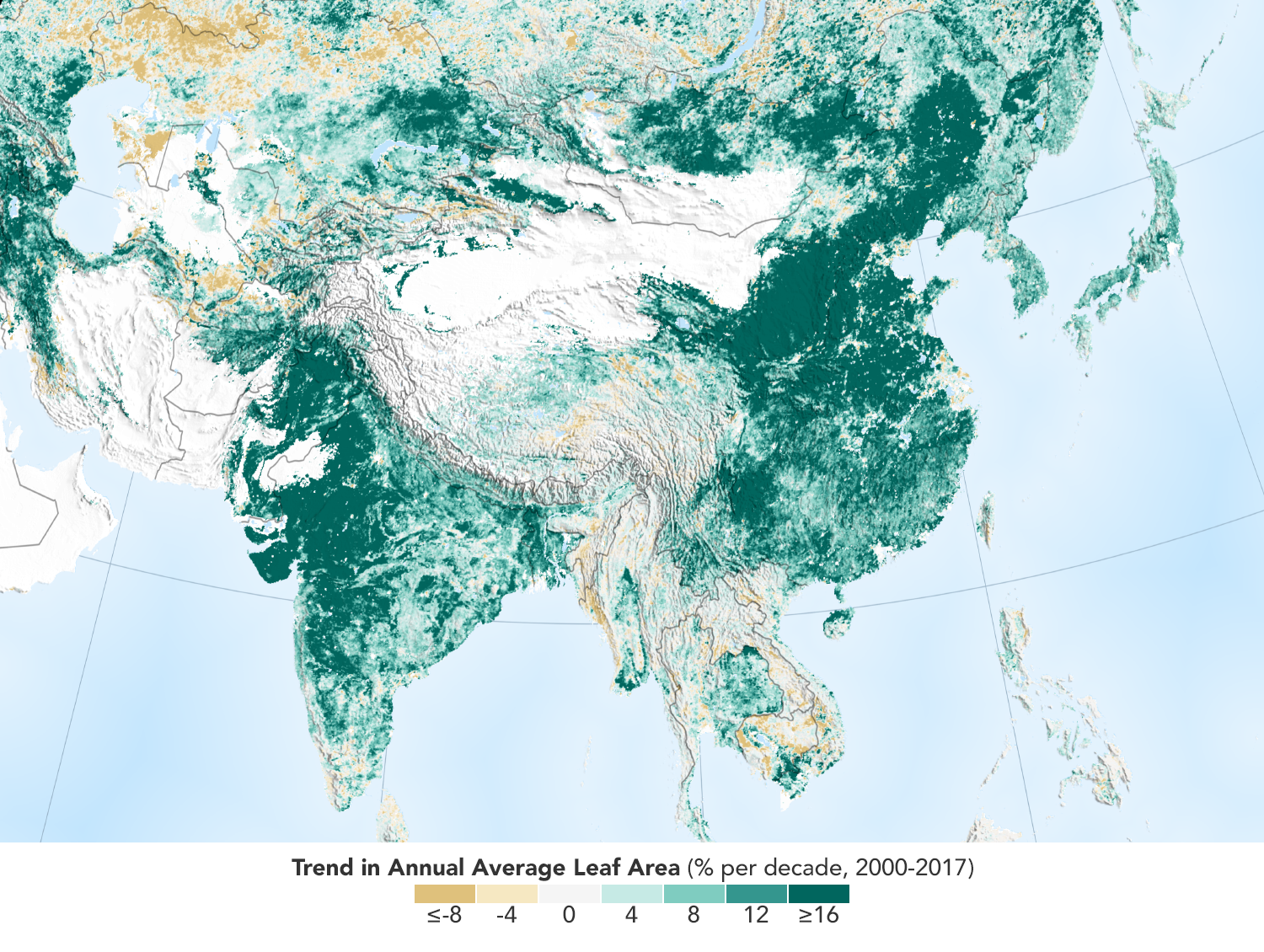
The world is literally a greener place than it was 20 years ago, and data from NASA satellites has revealed a counterintuitive source for much of this new foliage: China and India. A new study shows that the two emerging countries with the world’s biggest populations are leading the increase in greening on land. The effect stems mainly from ambitious tree planting programs in China and intensive agriculture in both countries.
The greening phenomenon was first detected using satellite data in the mid-1990s by Ranga Myneni of Boston University and colleagues, but they did not know whether human activity was one of its chief, direct causes. This new insight was made possible by a nearly 20-year-long data record from a NASA instrument orbiting the Earth on two satellites. It’s called the Moderate Resolution Imaging Spectroradiometer, or MODIS, and its high-resolution data provides very accurate information, helping researchers work out details of what’s happening with Earth’s vegetation, down to the level of 500 meters, or about 1,600 feet, on the ground.
For full story, see: GreenerEarth
New NASA Team Tackles Next Challenges in Detecting Life Beyond Earth
by Alison Hawkes
The question, “Are we alone?” has been a subject of speculation for centuries. The answer may soon lie within the grasp of science.
Decades of research have led scientists to look deeply into the nature of life itself — what it is, how it began on Earth, and what other worlds might also support it. A shift in focus is now emerging as scientists recognize that with a strategic push the possibility of detecting life beyond Earth could be on the horizon.
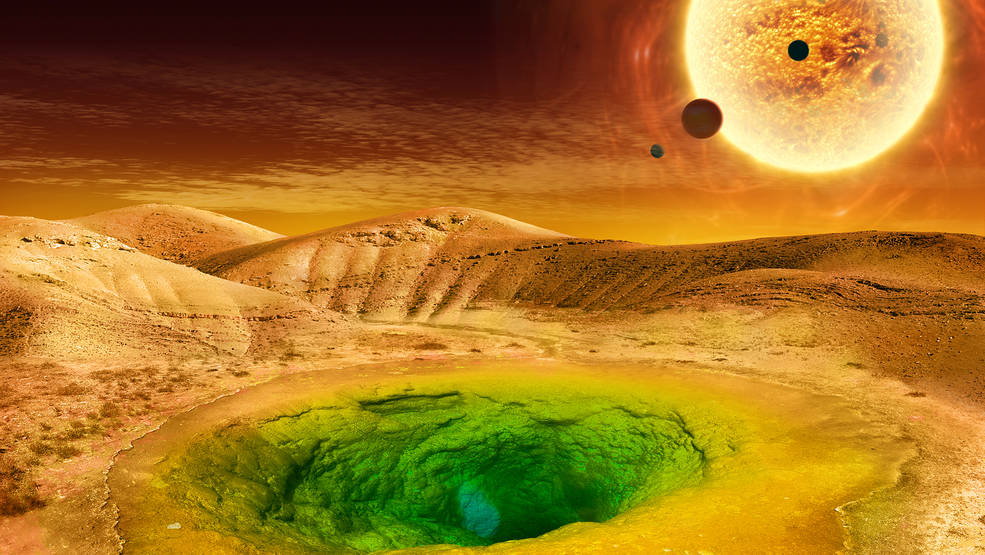
To support NASA’s growing emphasis on detecting life beyond Earth, NASA Ames has established the Center for Life Detection Science (CLDS). CLDS brings together a diverse group of researchers at Ames and NASA’s Goddard Space Flight Center in Greenbelt, Maryland to tackle the next set of challenges science must overcome to be able to one day detect life beyond Earth.
For full story, see: LifeDetection
Kepler’s Final Image Shows A Galaxy Full Of Possibilities
by Alison Hawkes
NASA’s Kepler space telescope may be retired, but the discoveries continue to rack up for this historic planet-hunting mission. Kepler rang in the new year with several new planet discoveries, including a previously overlooked planet of an unusual size, as well as a super Earth and a Saturn-sized world orbiting a Sun-like star.
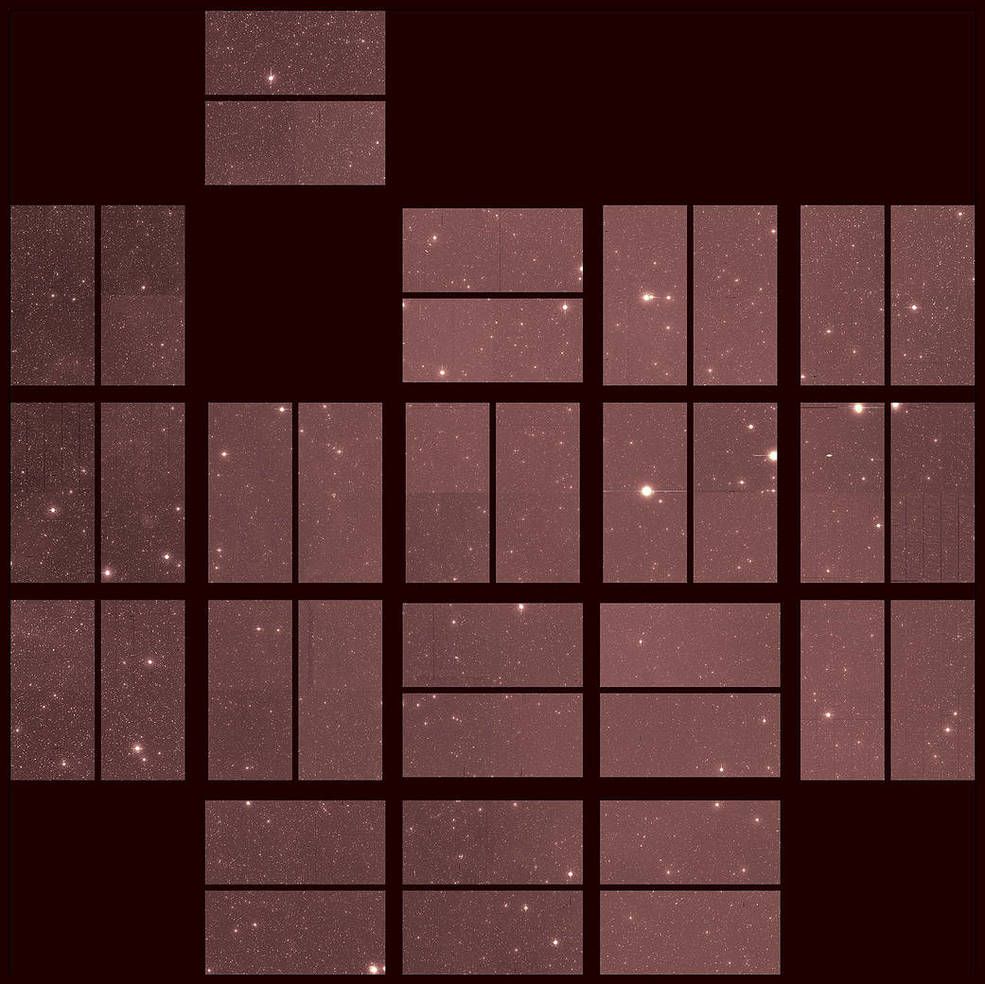
In the meantime, the Kepler mission has released its final record of the spacecraft’s full field of view before the depletion of fuel permanently ended its work. NASA retired the spacecraft on Oct. 30, 2018, to a safe orbit.
For full story, see: KeplerFinalImage
SOFIA Finds Dust Survives Obliteration in Supernova 1987A
by Kassandra Bell
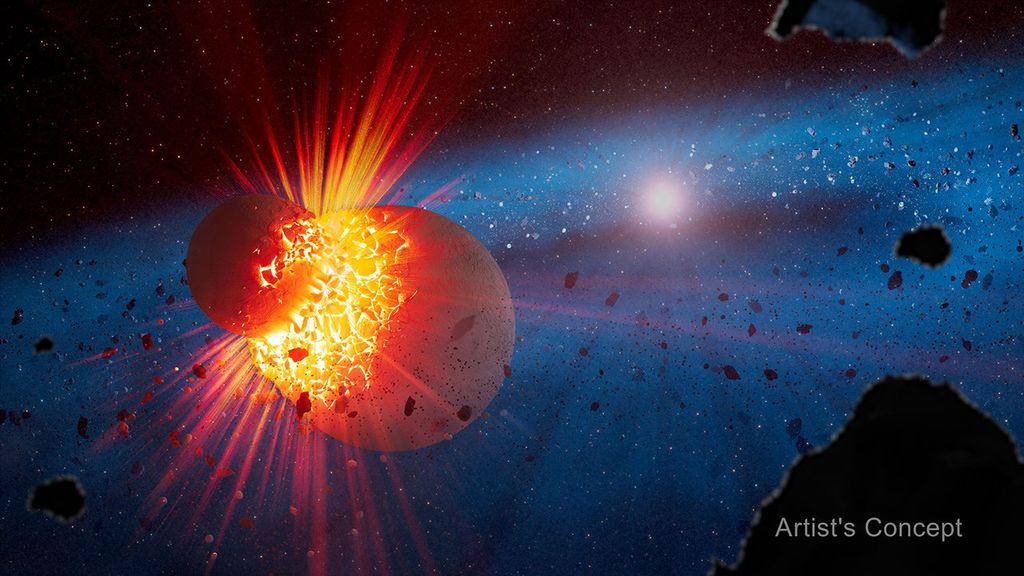
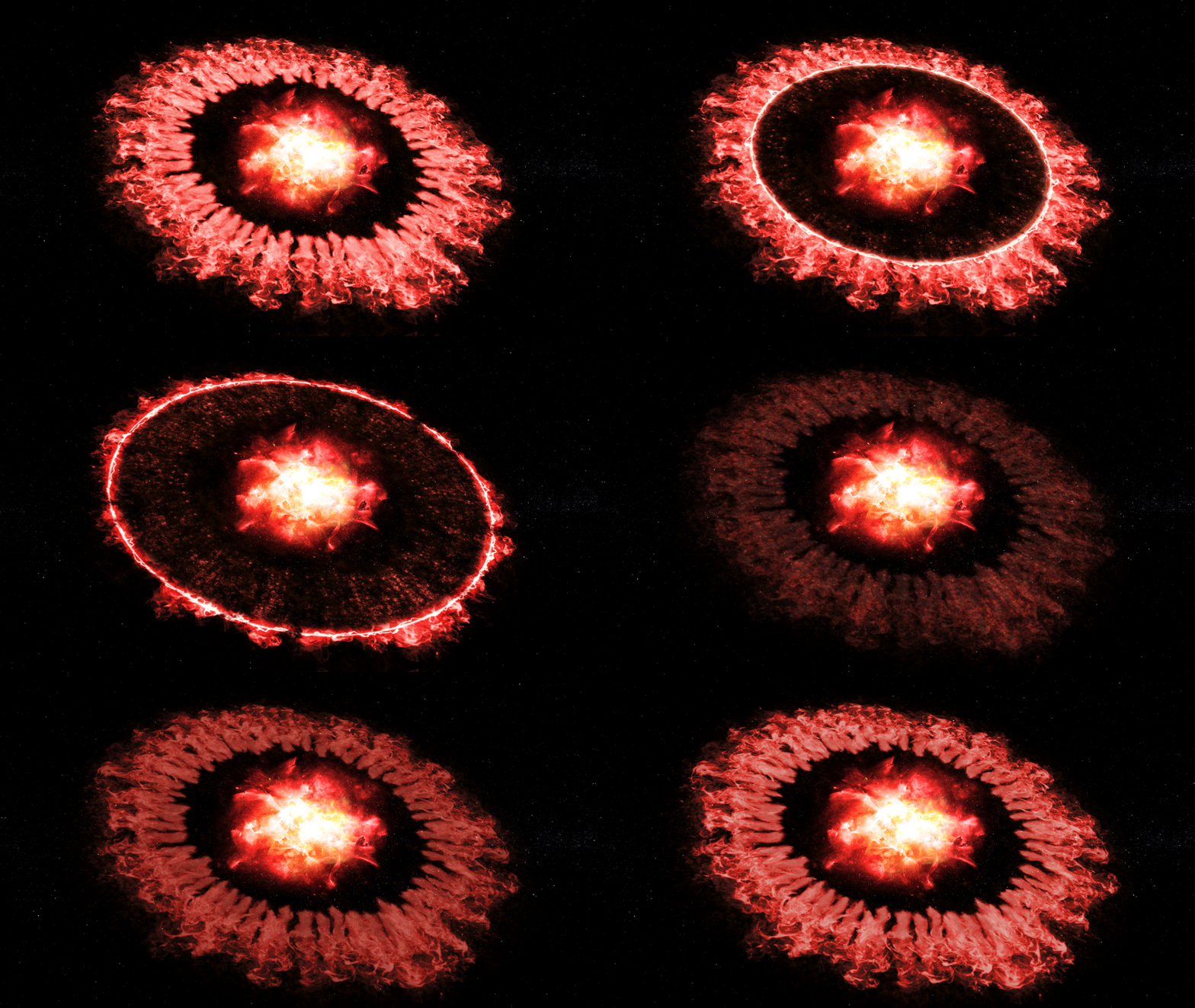
Dust particles form as dying red giant stars throw off material and become part of interstellar clouds of various sizes, densities and temperatures. This cosmic dust is then destroyed by supernova blast waves, which propagate through space at more than 6,000 miles per second (10,000 km/sec)!
Supernova explosions are among the most powerful events in the universe, with a peak brightness equivalent to the light from billions of individual stars. The explosion also produces a blast wave that destroys almost everything in its path, including dust in the surrounding interstellar medium, the space between the stars. Current theories predict when a supernova blast sweeps through a region of space, much of the dust would be destroyed, so there should be little dust left.
Observations with SOFIA, however, tell a different, mysterious story — revealing more than 10 times the dust expected. This suggests that dust is much more abundant in the wake of a blast wave than theories estimate.
For full story, see SOFIASupernova
Lifting the Veil on Star Formation in the Orion Nebula
by Kassandra Bell
Researchers used the GREAT instrument on SOFIA (Stratospheric Observatory for Infrared Astronomy) to measure the spectral line – which is like a chemical fingerprint – of ionized carbon. Because of SOFIA’s airborne location, flying above 99 percent of the water vapor in the Earth’s atmosphere that blocks infrared light, researchers were able to study the physical properties of the stellar wind.
“Astronomers use GREAT like a police officer uses a radar gun,” explained Alexander Tielens, an astronomer at Leiden Observatory and a senior scientist on the paper. “The radar bounces off your car, and the signal tells the officer if you’re speeding.”

For full story, see: OrionNebula
Ames’ Wild Turkey Flock Spotted at SSERVI Building

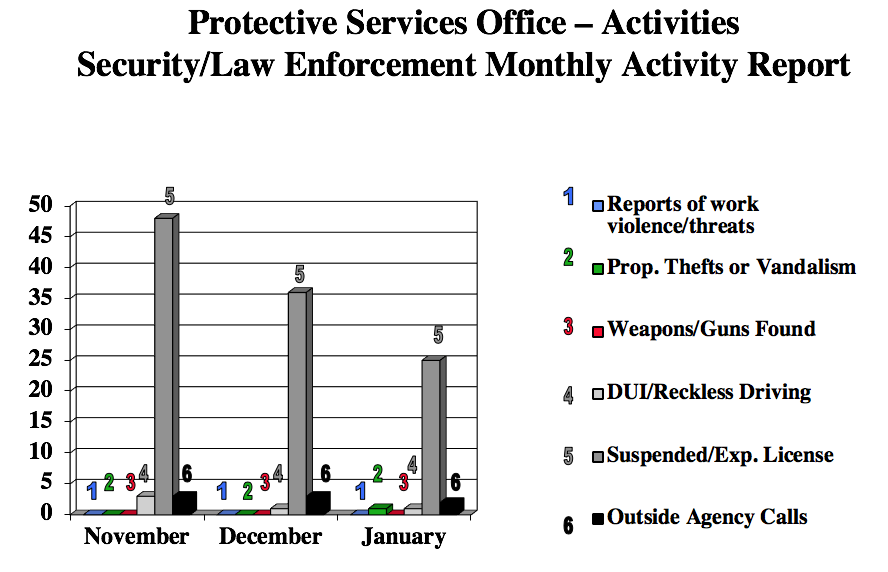
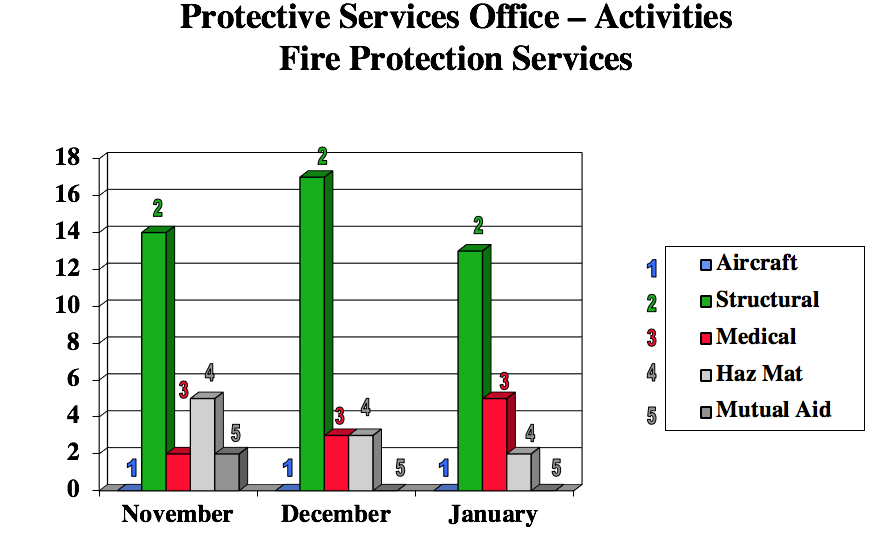
Statistical Summary of Activities of the Protective Service Division’s Security/Law Enforcement and Fire Protection Services Units for Period Ending January 2019