








Suggested Searches

Wallops Flight Facility

Launch updates from NASA's Wallops Flight Facility.

Viewing Posts from September 2026

View All Posts
  • Two More NASA Balloons Remain for Fall Campaign

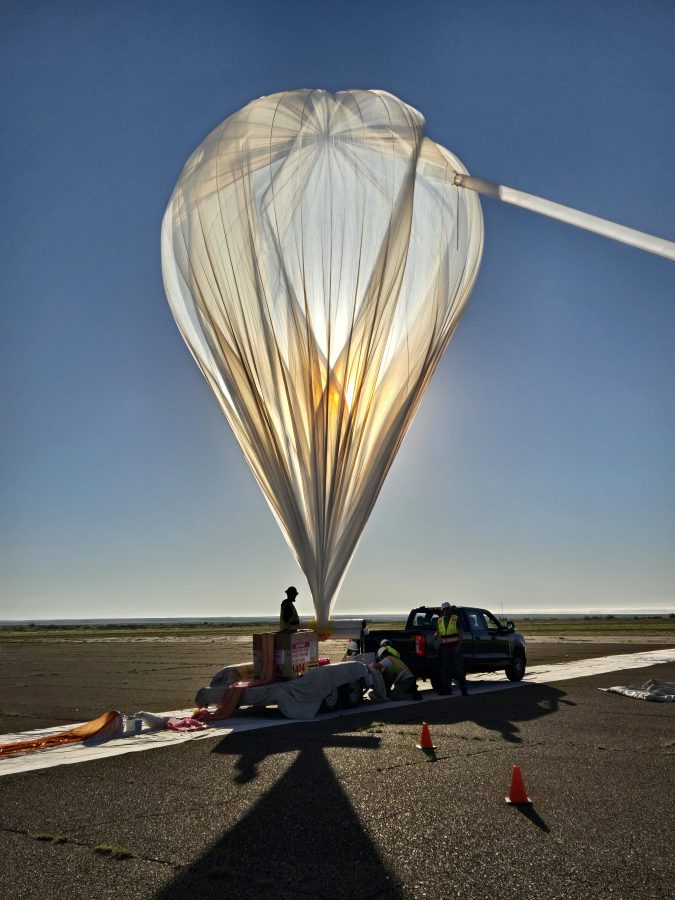
    A large scientific balloon being inflated with helium during launch preparations, with ground crew and support vehicles visible below against a clear blue sky

    NASA’s Balloon Program is past the halfway point for the fall campaign in Fort Sumner, New Mexico. Four missions have successfully launched from the launch site, with two more lined up in the coming weeks. Hurricane Polo is affecting the upper-level winds near the launch site and the team is evaluating launch opportunities for the […]

  • Fourth Balloon of NASA Scientific Balloon Campaign Launches

    The BOOP! mission was launched on a scientific balloon from NASA's launch facility in Fort Sumner, New Mexico, at 8:03 a.m. MDT (10:03 a.m. EDT) on Sept. 13, 2026. This is the second year for NASA’s Balloon Program Office’s Balloon Optimization Opportunity Payload, or BOOP!, which allows multiple technology instruments to be tested during flight for future missions.  The mission carried experiments to test compact tools for future planetary exploration, map high-energy space radiation, and evaluate a newly developed flight camera system.

    The balloon and payload reached a float altitude of around 123,000 feet, and flew for a total of 4 hours, 29 minutes. 

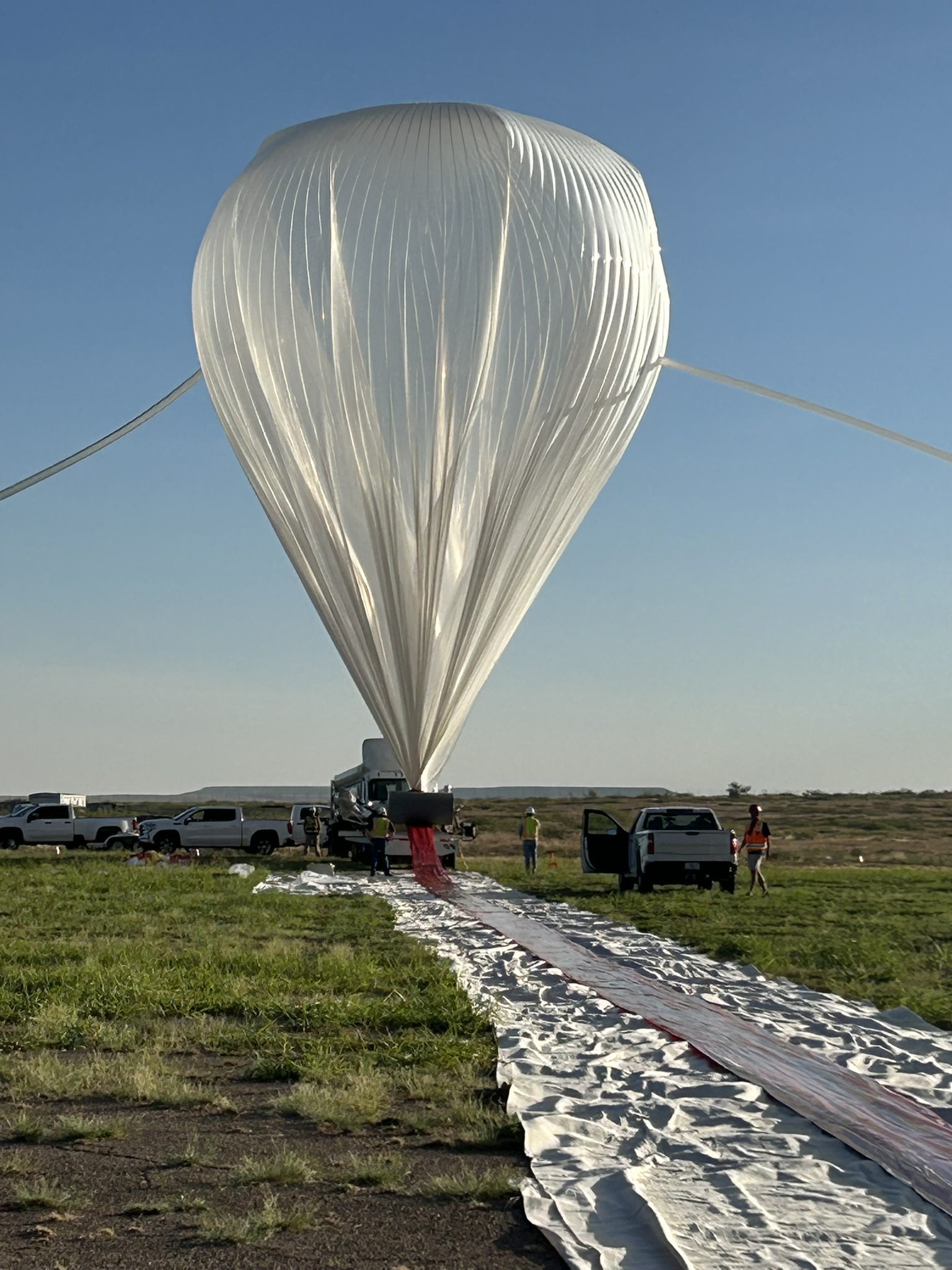
    A scientific balloon partially inflated before flight. The balloon is clear plastic in the shape of an upside down teardrop. The rest of the ballon trails behind it on the ground.
    The BOOP! scientific balloon mission is prepared for flight Sept. 13, 2026.
    NASA/Todd Lankford
  • NASA’s HASP Scientific Balloon Launches from Fort Sumner

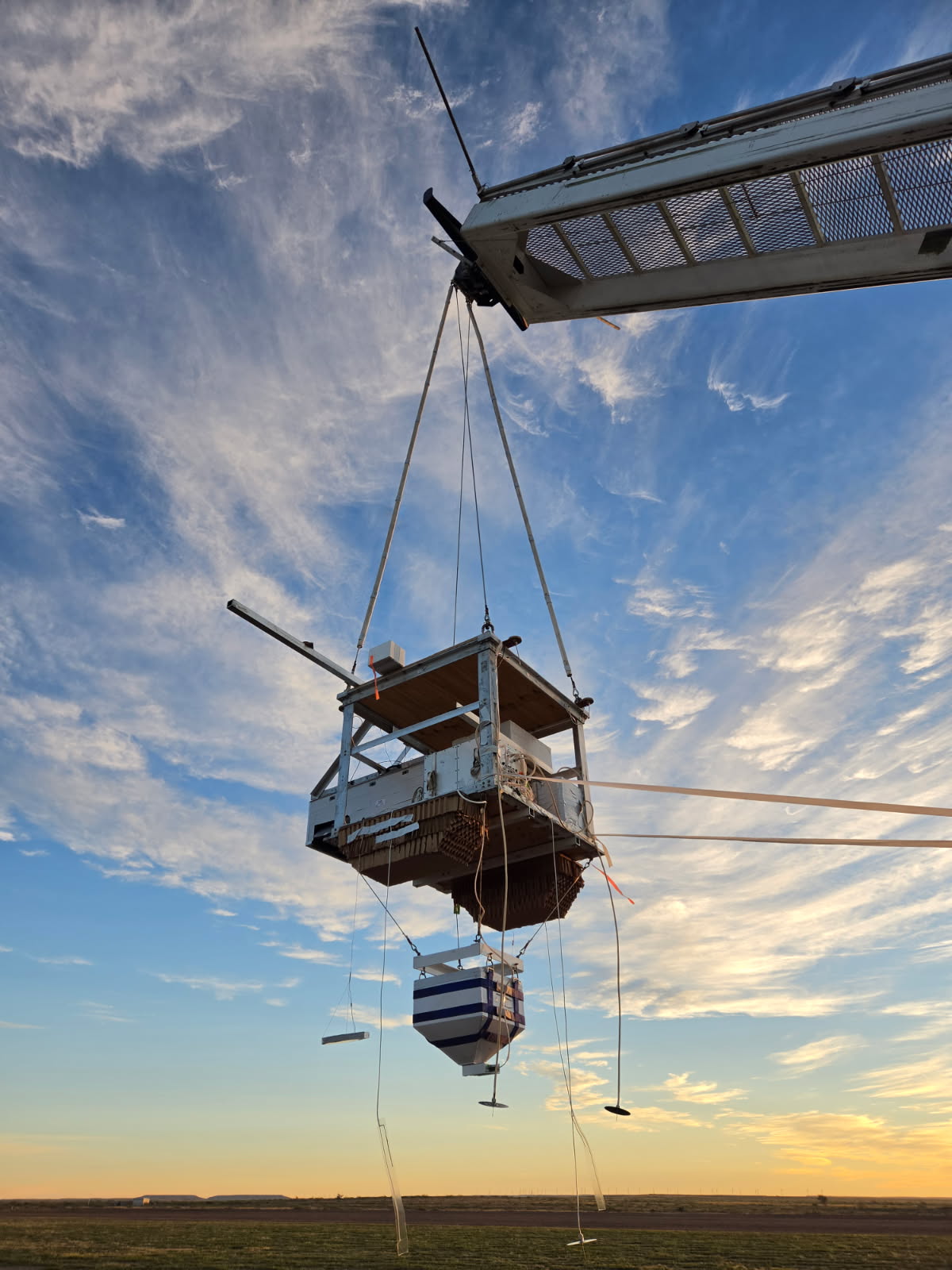
    The HASP mission was launched on a scientific balloon from NASA's launch facility in Fort Sumner, New Mexico, at 8:05 a.m. MDT (10:05 a.m. EDT). The balloon and payload reached a float altitude of around 122,000 feet and flew for a total of 6 hours, 45 minutes.

    This year’s campaign marks the 20th flight for the High-Altitude Student Platform carrying payloads developed by student teams. Over the course of two decades, more than 1,900 students from about 25 institutions across the United States have participated in flying experiments on the balloon platform.

    The High-Altitude Student Platform program is a partnership among the Louisiana Space Grant Consortium, the Astrophysics Division in the Science Mission Directorate at NASA Headquarters, and the agency’s Balloon Program Office and Columbia Scientific Balloon Facility in Palestine, Texas.