
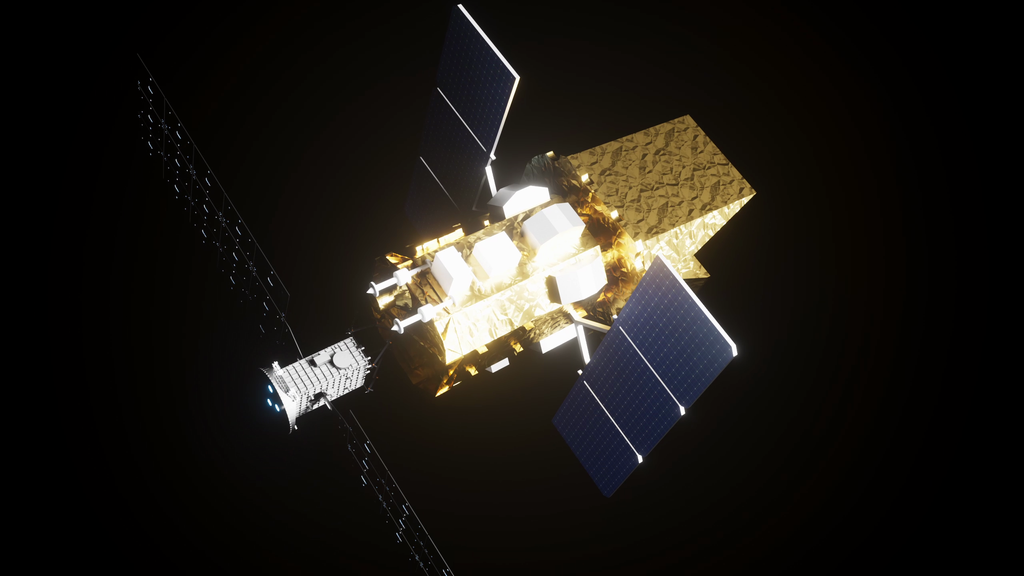
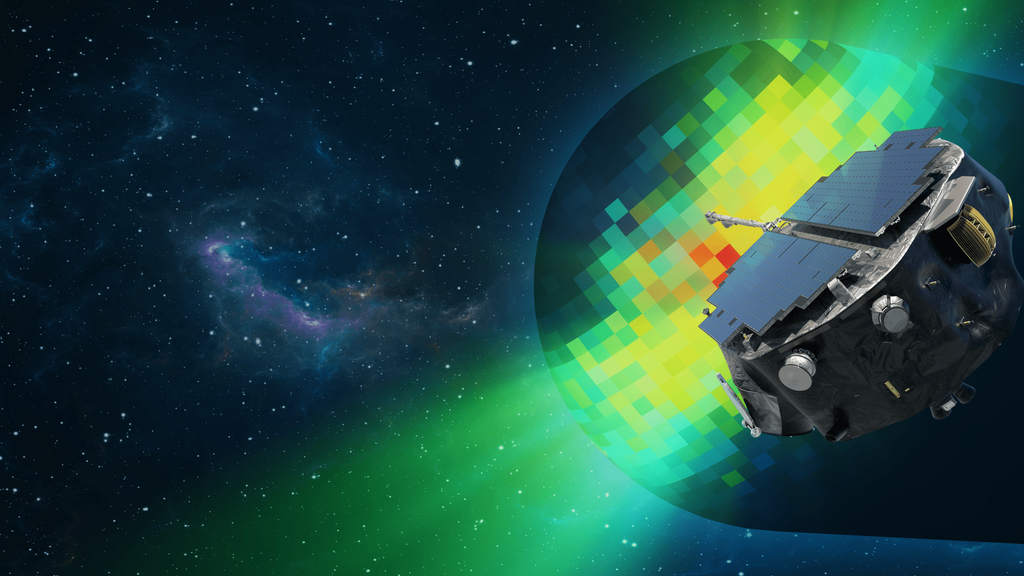



Weather officials with Rocket Lab predict a 70% chance of favorable weather for launch of NASA’s PREFIRE (Polar Radiant Energy in the Far-InfraRed Experiment) mission. The launch team is monitoring the space weather as there has been a coronal mass ejection partially directed toward Earth that may induce a geomagnetic storm, though predictions are that …
NASA’s New Climate Mission to Launch Second Satellite
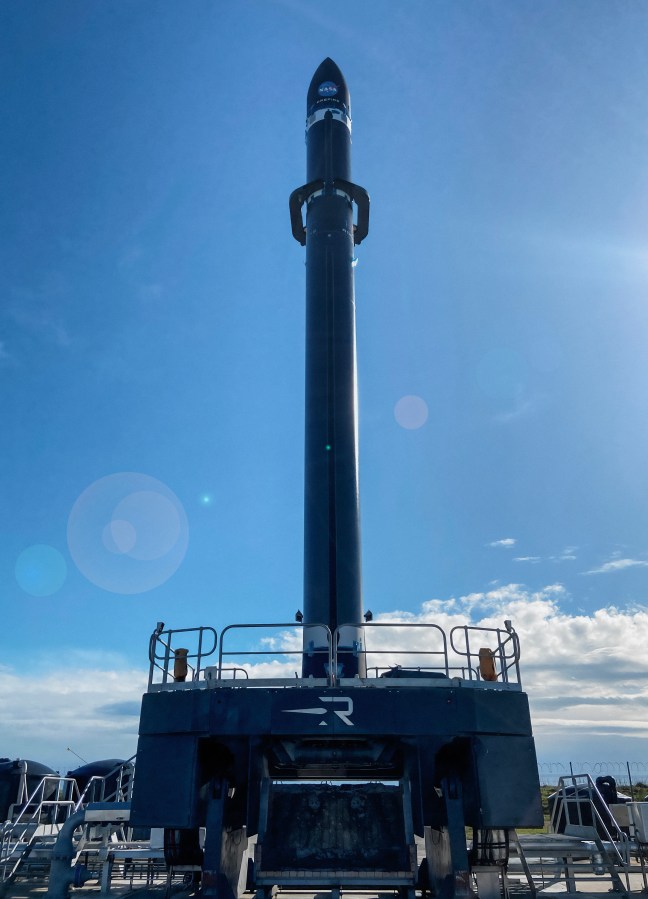
Launch day is here for NASA’s PREFIRE (Polar Radiant Energy in the Far-InfraRed Experiment) mission. After the first PREFIRE CubeSat launched from Launch Complex 1 in Māhia, New Zealand on May 25, a second satellite about the size of a shoebox waits on a Rocket Lab Electron rocket for liftoff on the mission’s second and …
Strong Solar Flare Erupts from Sun
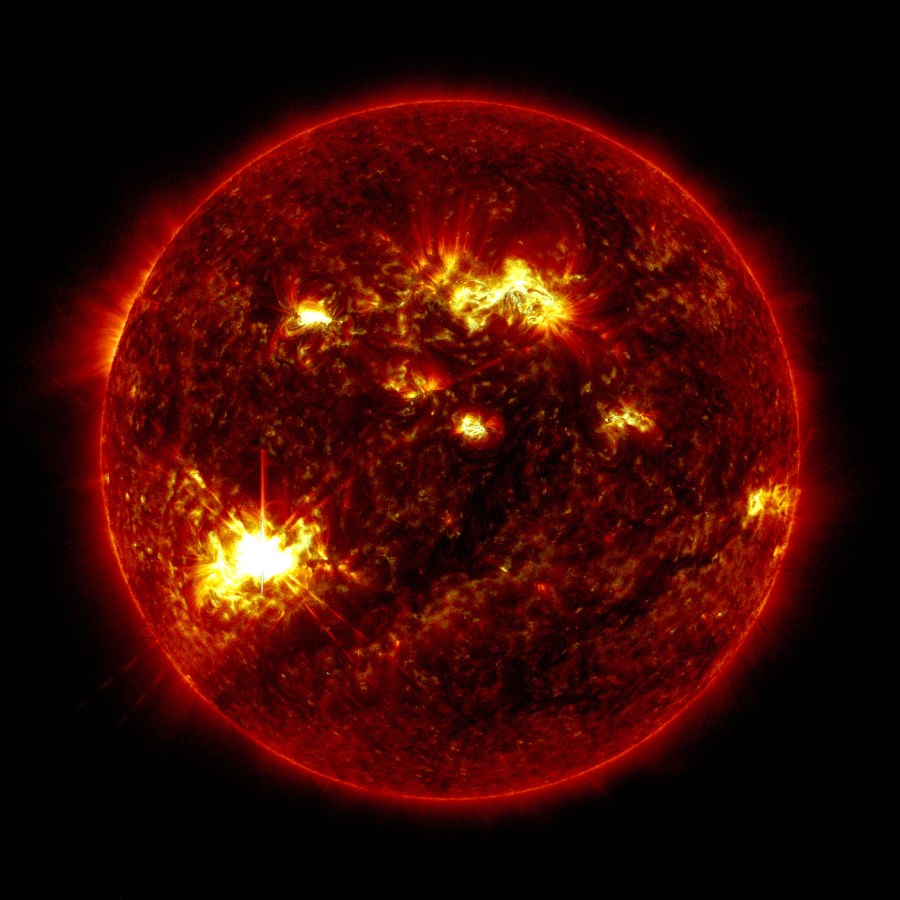
The Sun emitted a strong solar flare, peaking at 6:03 p.m. ET on May 31, 2024. NASA’s Solar Dynamics Observatory, which watches the Sun constantly, captured an image of the event. Solar flares are powerful bursts of energy. Flares and solar eruptions can impact radio communications, electric power grids, navigation signals, and pose risks to …
ISS Daily Summary Report – 5/31/2024
Payloads: Astrobee/Integrated System for Autonomous and Adaptive Caretaking-15 (ISAAC-15): The crew assisted with the Astrobee ISAAC mapping activities in the US Lab. These maps support vision-based navigation used by the Astrobee free-fliers. More information on ISAAC can be found here. Cardiobreath: The crew performed a Cardiobreath science session using the Bio-Monitor wearable garment and Cycle …
NASA, Mission Partners Ready for Starliner Launch
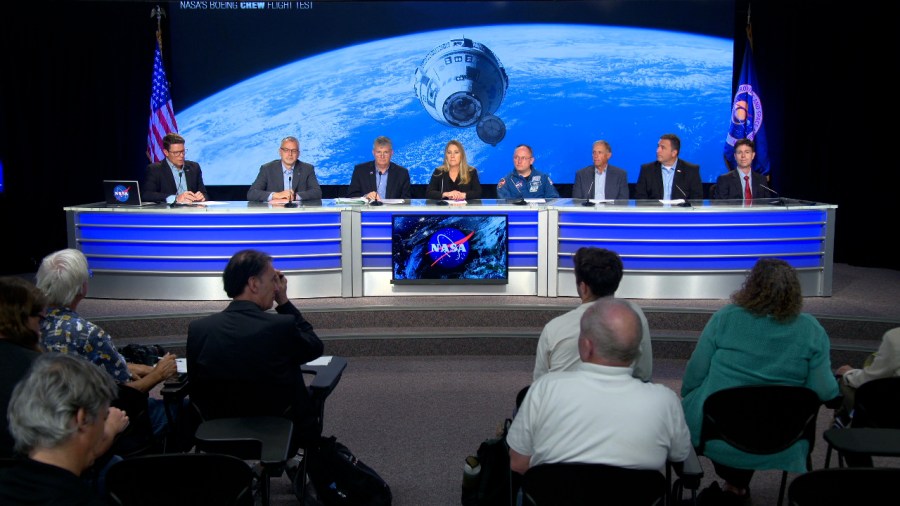
In less than 24 hours, NASA astronauts Butch Wilmore and Suni Williams will be the first to launch aboard Boeing’s Starliner spacecraft to the International Space Station as part of the agency’s Commercial Crew Program. NASA, Boeing, and ULA (United Launch Alliance) are ready for the Saturday, June 1, launch of the agency’s Boeing Crew …
NASA, Mission Partners Ready for Starliner Launch
In less than 24 hours, NASA astronauts Butch Wilmore and Suni Williams will be the first to launch aboard Boeing’s Starliner spacecraft to the International Space Station as part of the agency’s Commercial Crew Program. NASA, Boeing, and ULA (United Launch Alliance) are ready for the Saturday, June 1, launch of the agency’s Boeing Crew …
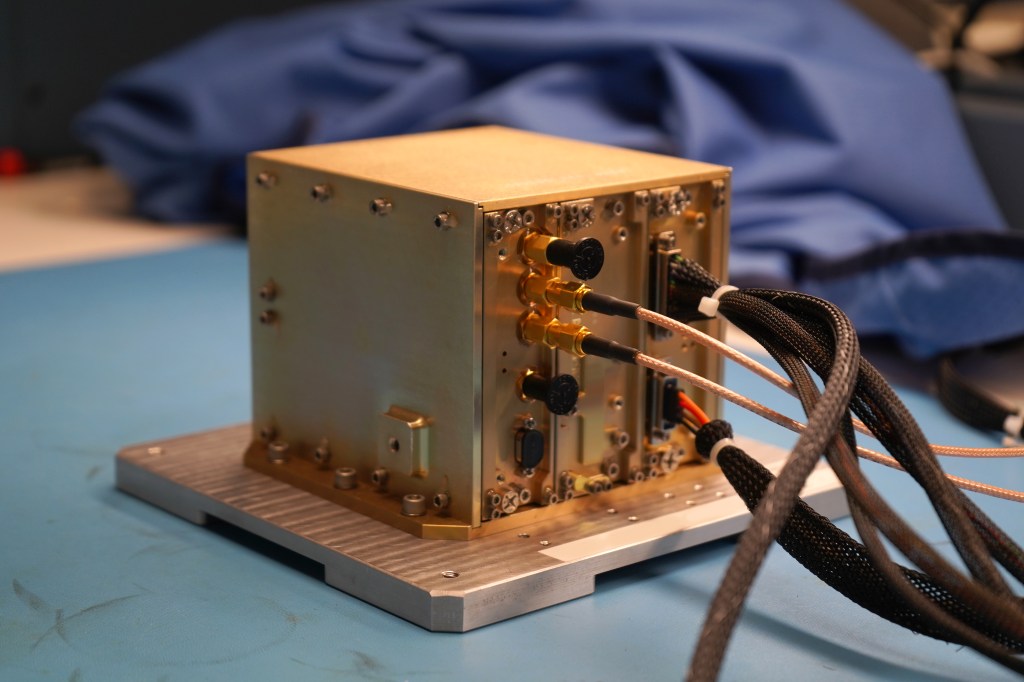
NASA Examines Electrical Switches on Europa Clipper Spacecraft
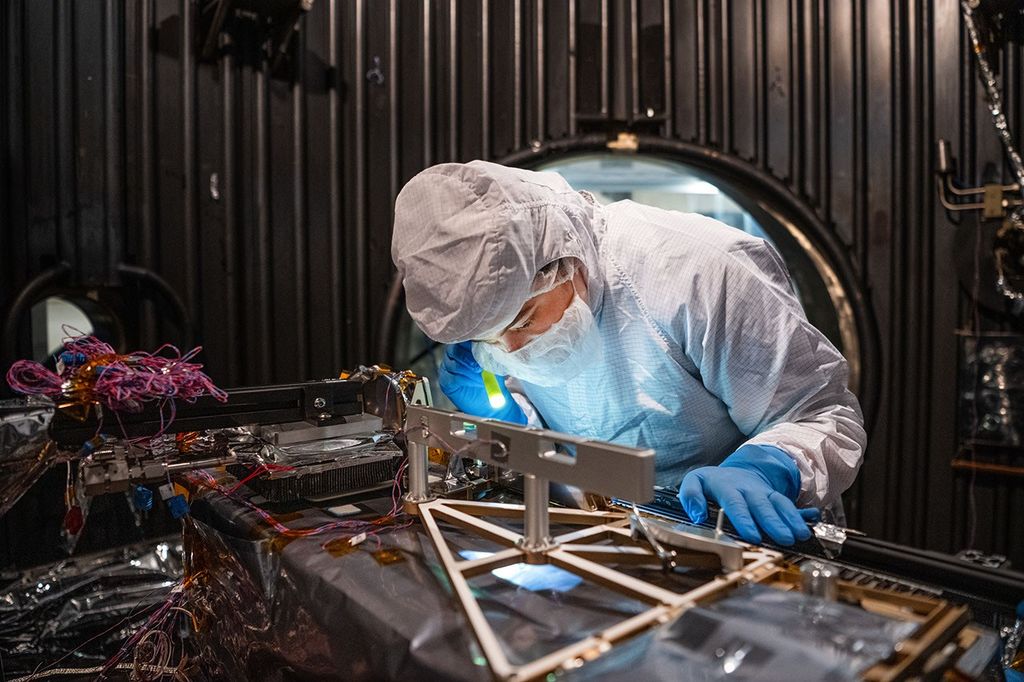
As NASA’s Europa Clipper continues preparations in advance of its launch period — opening Oct. 10 — the mission team is assessing whether transistors on the spacecraft can withstand the intense radiation the probe will encounter at Jupiter. These transistors are used as electrical switches in many digital electronics. The particular versions used by Europa …
NASA, Partners Host Boeing Crew Flight Test Prelaunch Media Briefing
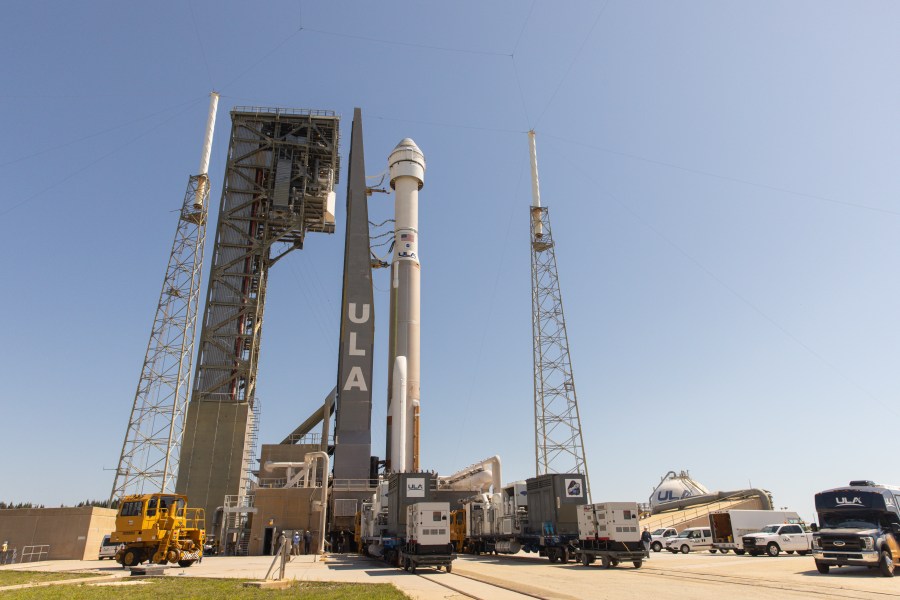
Prelaunch operations continue ahead of NASA’s Boeing Crew Flight Test launch. NASA astronauts Butch Wilmore and Suni Williams are ready, and the Boeing Starliner spacecraft, attached on the ULA (United Launch Alliance) Atlas V rocket, rolled out to the launch pad at Space Launch Complex-41 at Cape Canaveral Space Force Station in Florida on May …
NASA, Partners Host Boeing Crew Flight Test Prelaunch Media Briefing
Prelaunch operations continue ahead of NASA’s Boeing Crew Flight Test launch. NASA astronauts Butch Wilmore and Suni Williams are ready, and the Boeing Starliner spacecraft, attached on the ULA (United Launch Alliance) Atlas V rocket, rolled out to the launch pad at Space Launch Complex-41 at Cape Canaveral Space Force Station in Florida on May …
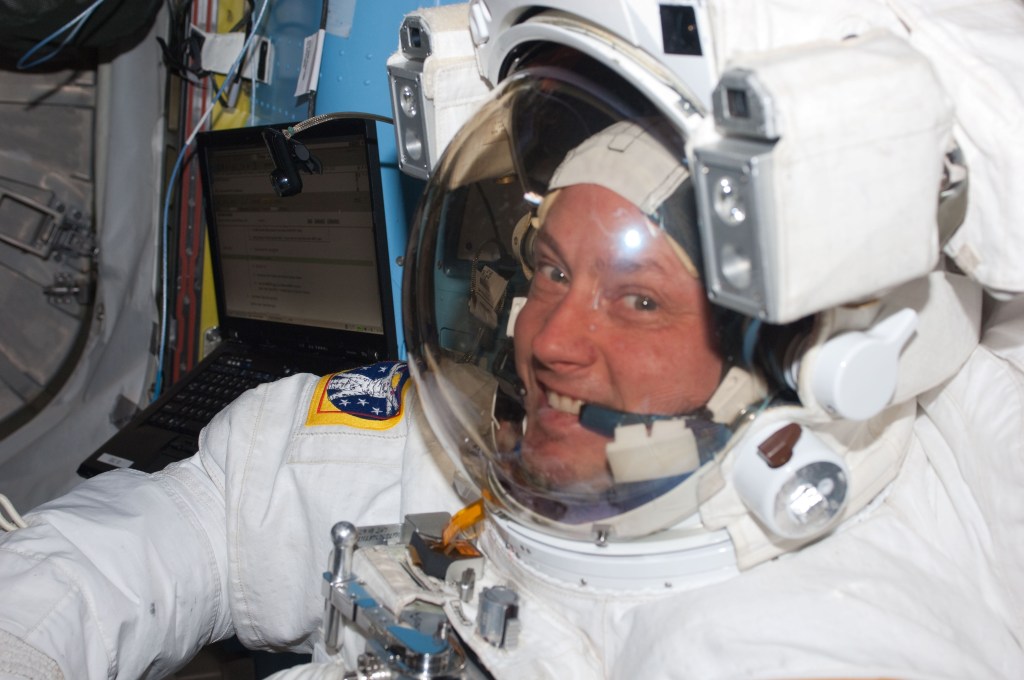
Crew Works Biology, Spacesuits; Awaits Spacecraft Arrival
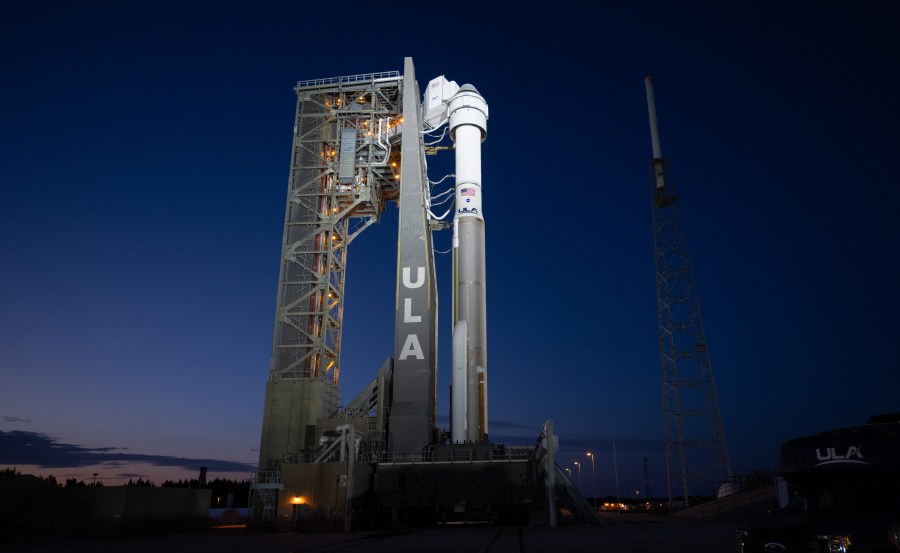
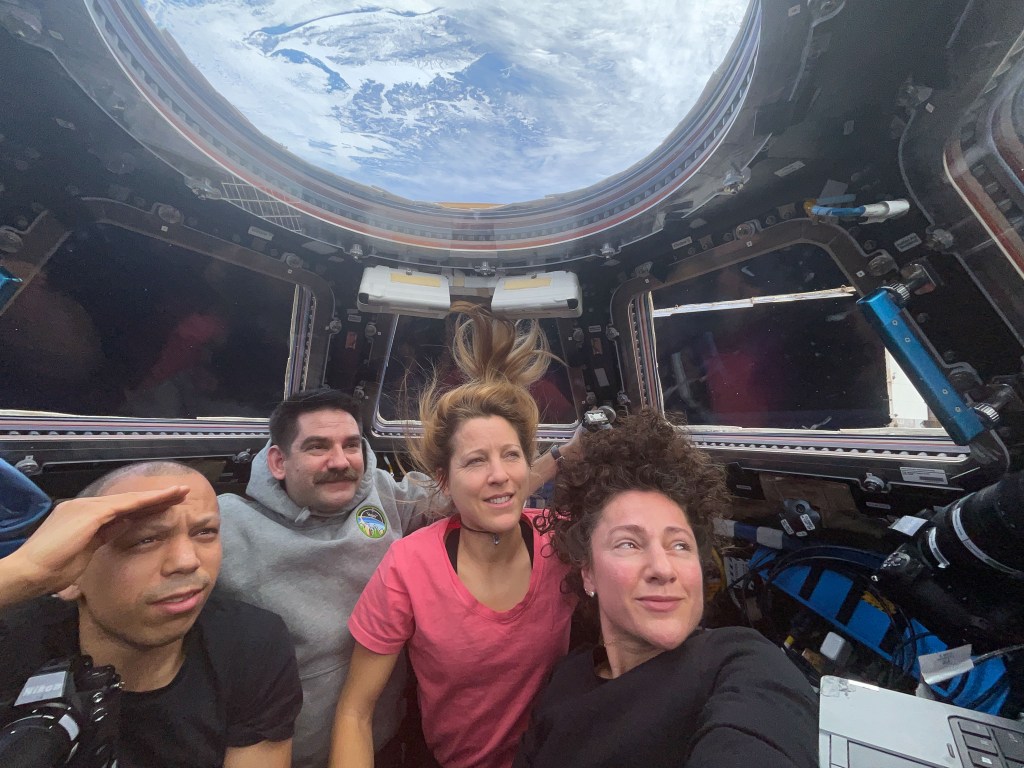
Space biology research and spacesuit work filled the Expedition 71 crew’s schedule at the end of the week. In the meantime, the International Space Station is gearing up for two spacecraft scheduled to arrive with new cargo and a new crew this weekend. Eye scans were on the crew’s medical list on Friday as researchers …