






Boeing CST-100 Crewed Flight Test (CFT): Today, the CFT crew performed checkouts and measurements in preparation for a future potential CFT undock. They also assisted the ISS crew in NanoRacks Airlock (NRAL) restow operations. Payloads: KIBO Robot Programming Challenge 5: Preparation activities and the Robo-Pro Challenge #5 Technical Rehearsal were performed using JEM Camera Robot …
Ultrasound Scans Continue to Understand Space Effects on Humans
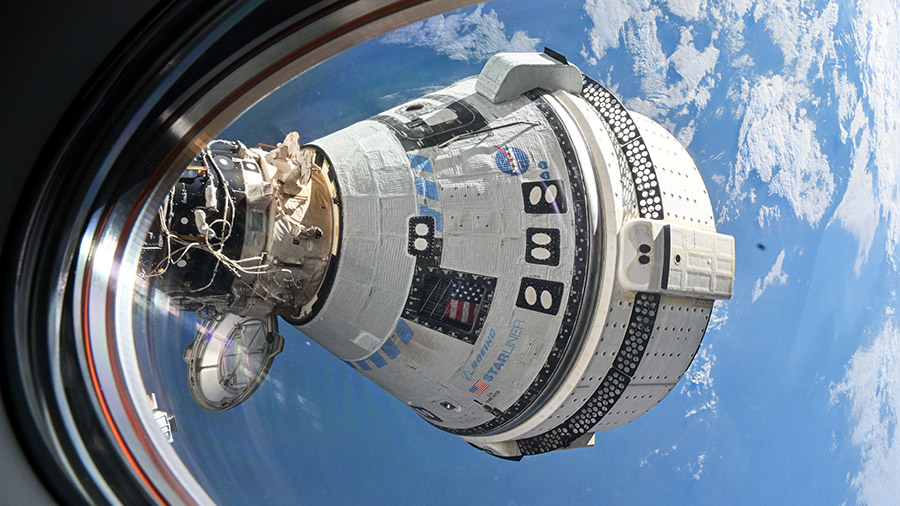
Space biology was back on the schedule Thursday as the crewmates aboard the International Space Station resumed exploring how living in weightlessness affects the human body. The orbital residents also worked on Starliner spacecraft configurations, serviced spacesuit components, and continued lab inspections. Expedition 71 Flight Engineers Jeanette Epps and Matthew Dominick, both from NASA, kicked …
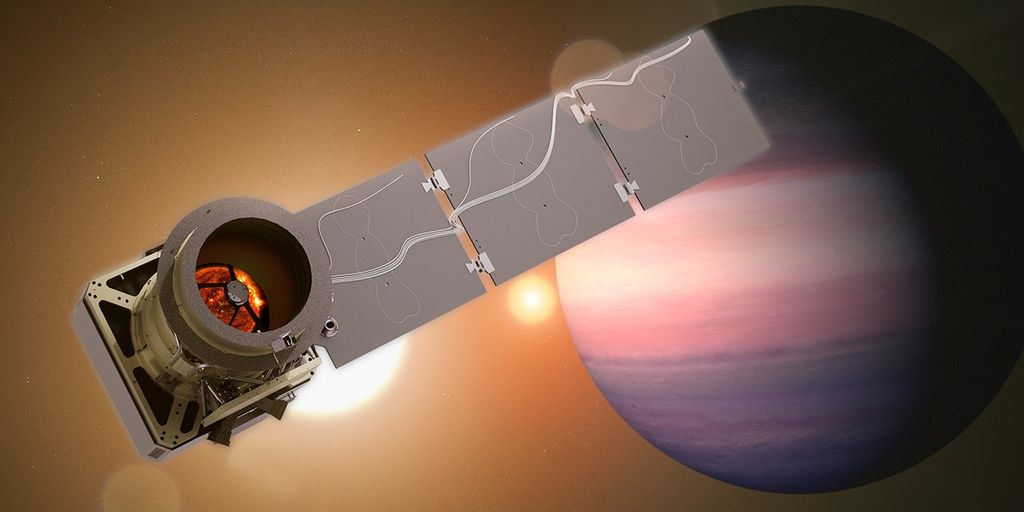
NASA’s Solar Sail System Readies Sail Deployment
Commissioning is nearly complete for NASA’s Advanced Composite Solar Sail System, and mission operators are charting a course for their next milestone – hoisting the sails using new composite booms. The sail will unfurl from the spacecraft’s 12-unit (12U) CubeSat body using composite booms made from new materials that are stiffer and lighter than previous …
UPDATE: NASA, Boeing to Stream Flight Test Mission Briefing on NASA+
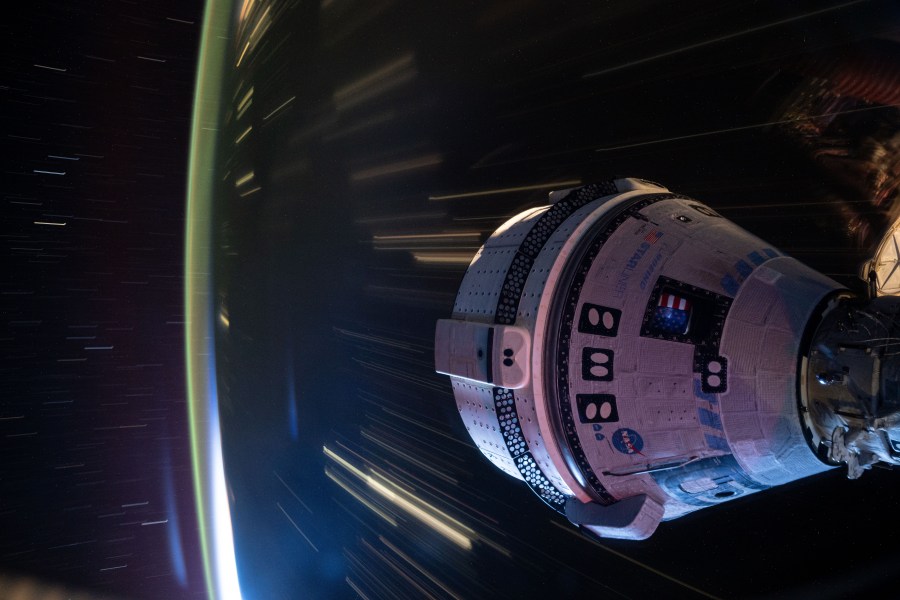
NASA and Boeing will host a news conference with mission leadership at 11:30 a.m. EDT Thursday, July 25, to provide the latest status of the agency’s Boeing Crew Flight Test aboard the International Space Station. NASA previously planned an audio-only media teleconference to host the discussion. The agency will provide live coverage on NASA+, NASA Television, …
ISS Daily Summary Report – 7/24/2024
Boeing CST-100 Crewed Flight Test (CFT): Today, the CFT crew assisted the ISS crew by installing the ArgUS 1-1 Multi Payload Platform in the NanoRacks Airlock (NRAL). They also assisted the ISS crew in the Butterfly iQ Scans and stowage management in the Columbus Module. Payloads: ArgUS 1-1: The assembled ArgUS 1-1 plate was installed …
Ultrasound Scans for Crew Today on Station Promoting Health
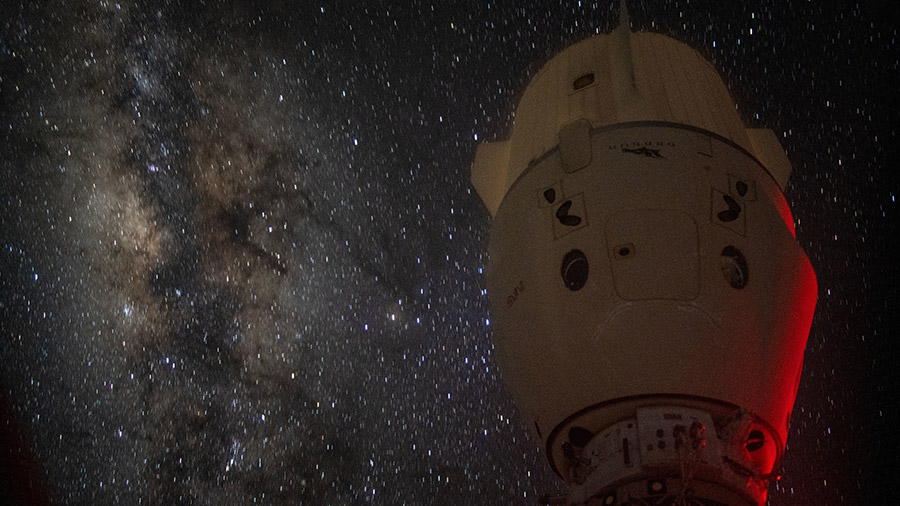
Human research to protect crew health was the dominant science topic aboard the International Space Station on Wednesday. Household duties such as cleaning and inspections to keep the orbital outpost in tip-top shape also continued in low Earth orbit for the nine lab crewmates. Researchers have learned that living in the weightless environment for months …
NASA’s Rocket On Roll: Core Stage Arrives at Vehicle Assembly Building
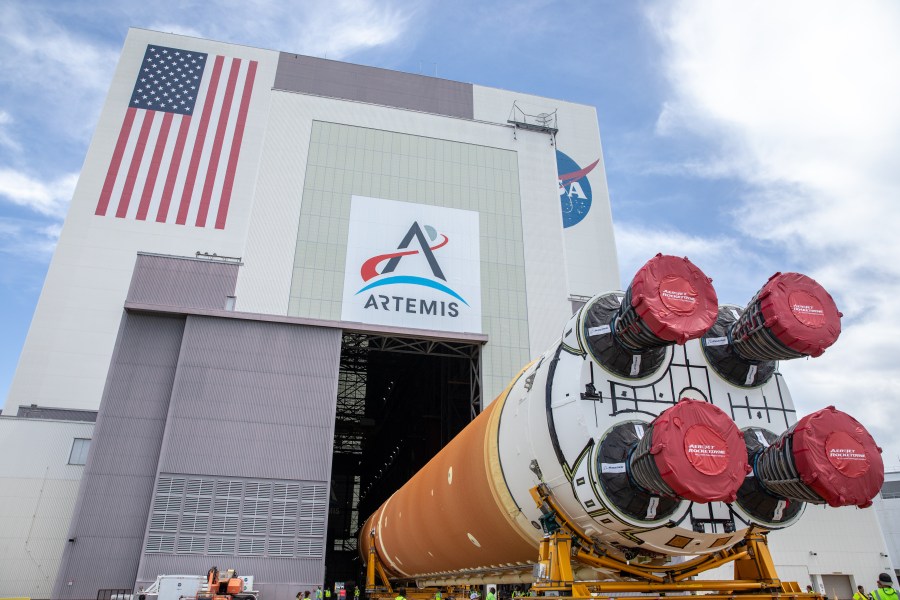
NASA’s SLS (Space Launch System) rocket core stage for the Artemis II mission is inside the Vehicle Assembly Building at the agency’s Kennedy Space Center in Florida. Tugboats and towing vessels moved the barge and core stage 900-miles to the Florida spaceport from NASA’s Michoud Assembly Facility in New Orleans, where it was manufactured and …
ISS Daily Summary Report – 7/23/2024
Boeing CST-100 Crewed Flight Test (CFT): The CFT crew assisted the ISS crew by performing payload activities. They completed the ArgUS 1-1 sub-payloads installation and several Thor-Davis sessions. Payloads: ArgUS 1-1: The ArgUS 1-1 sub-payloads were installed onto the ArgUS Multi Payload Platform and stowed in the NanoRacks Airlock (NRAL). More information about this investigation …
NASA, Boeing to Discuss Crew Flight Test Mission, Ground Testing
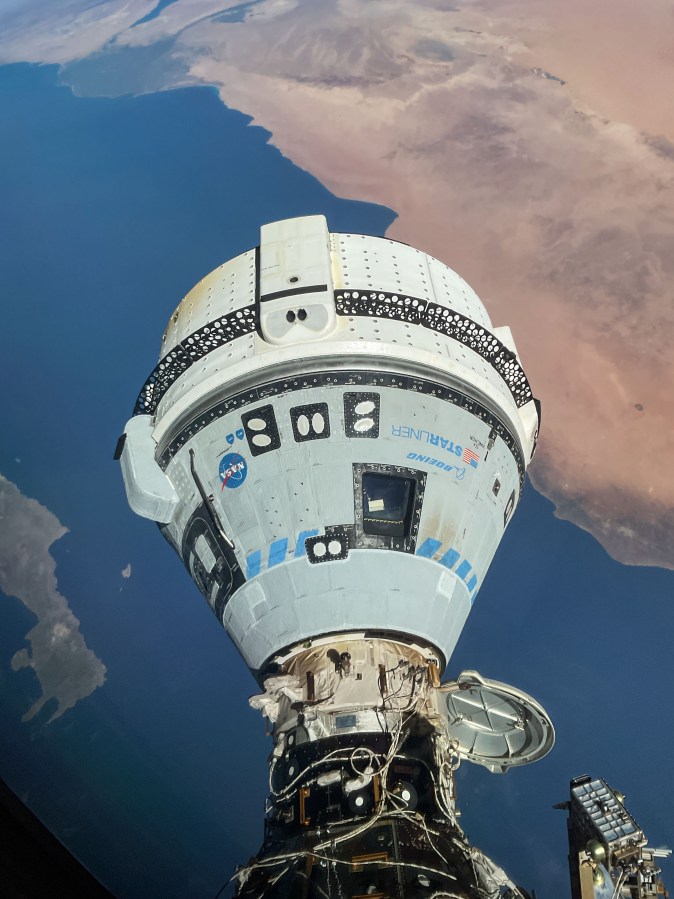
Leadership from NASA and Boeing will participate in a media teleconference at 11:30 a.m. EDT Thursday, July 25, to provide the latest status of the agency’s Boeing Crew Flight Test mission aboard the International Space Station. Audio of the media teleconference will stream live on the agency’s website. Participants include: Steve Stich, manager, NASA’s Commercial …
Station Schedule Returns to Science on Tuesday

Microgravity science picked up on Tuesday following the previous day’s focus on lab maintenance and housecleaning activities aboard the International Space Station. The nine orbital residents set up a host of science gear for external research and explored future space piloting techniques while also concentrating on daily household tasks. Starliner Commander Butch Wilmore from NASA …