
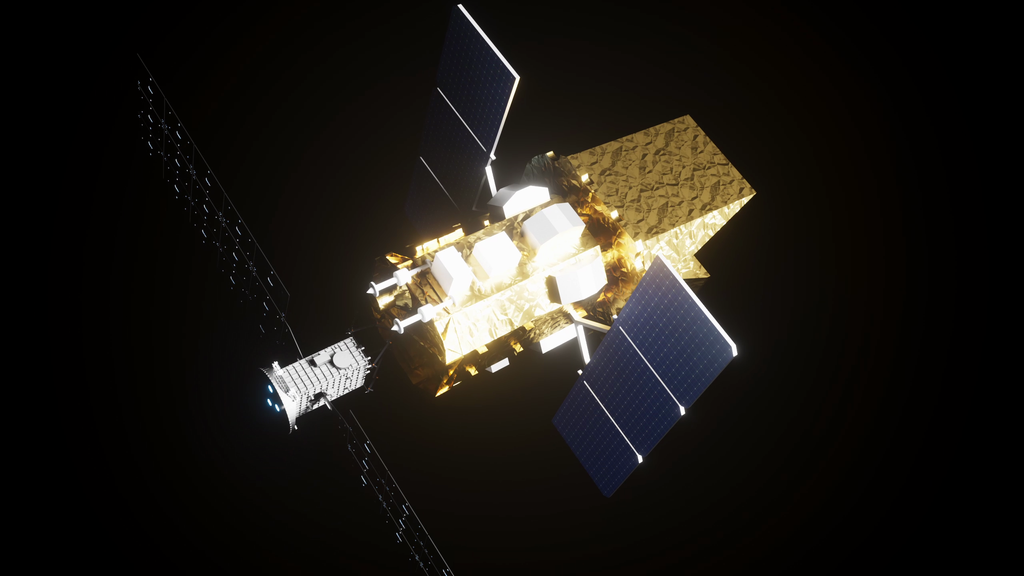
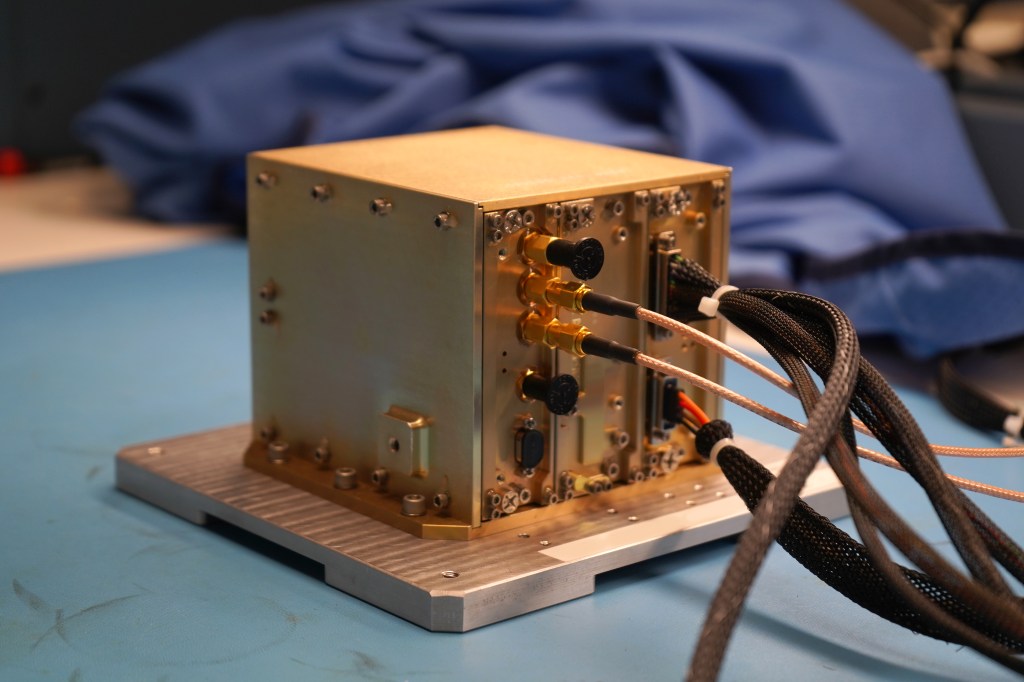

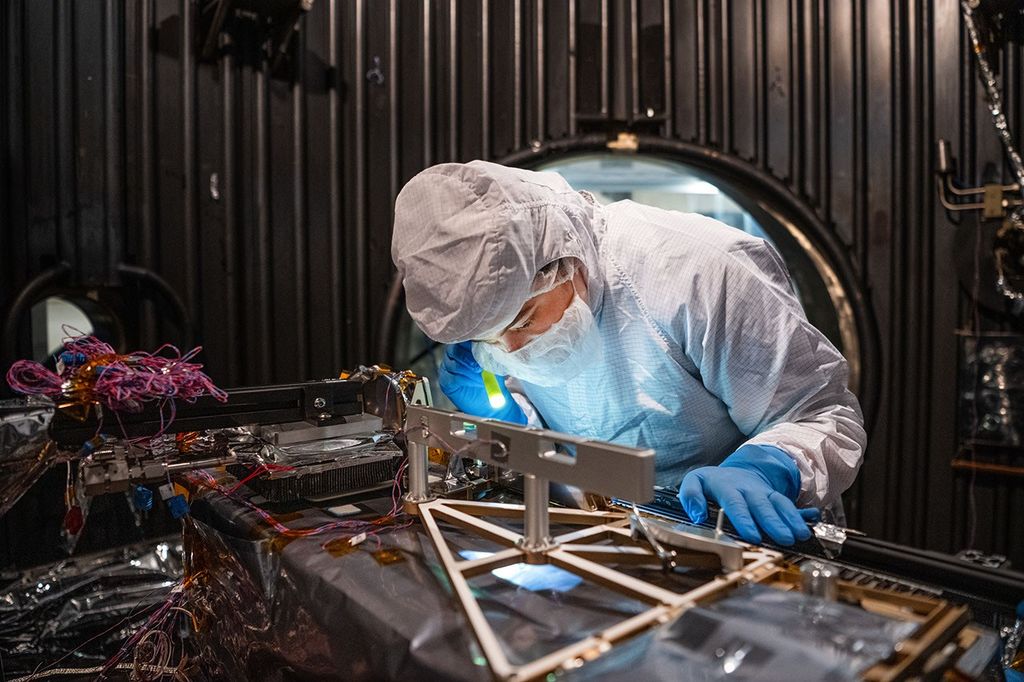




NASA’s Multi-slit Solar Explorer (MUSE) mission — a spacecraft that will study the Sun’s atmosphere — passed a critical mission review on Aug. 21, 2024. The review, called Key Decision Point C, evaluated the mission’s preliminary design and program plan to achieve its target launch readiness date in 2027. With the successful review, MUSE now …
Stephen Broccardo: A ‘STAR’ in PACE Data Collection

Stephen Broccardo, research scientist at NASA’s Ames Research Center in California’s Silicon Valley, is the principal investigator for the Sea-going Sky-Scanning Sun-tracking Atmospheric Research Radiometer (SeaSTAR). The ship-based instrument is one of many in a campaign set out to gather data around the world to check the information that NASA’s PACE (Plankton, Aerosol, Cloud, ocean …
NASA Updates Deployment Efforts for Solar Sail Demonstration
NASA’s Advanced Composite Solar Sail System has begun deployment operations. Upon an initial attempt to unfurl, the solar sail paused when an onboard power monitor detected higher than expected motor currents. Communications, power, and attitude control for the spacecraft all remain normal while mission managers work to understand and resolve the cause of the interruption …
Monday Sees Physical Science Prep and Training for Station Crew

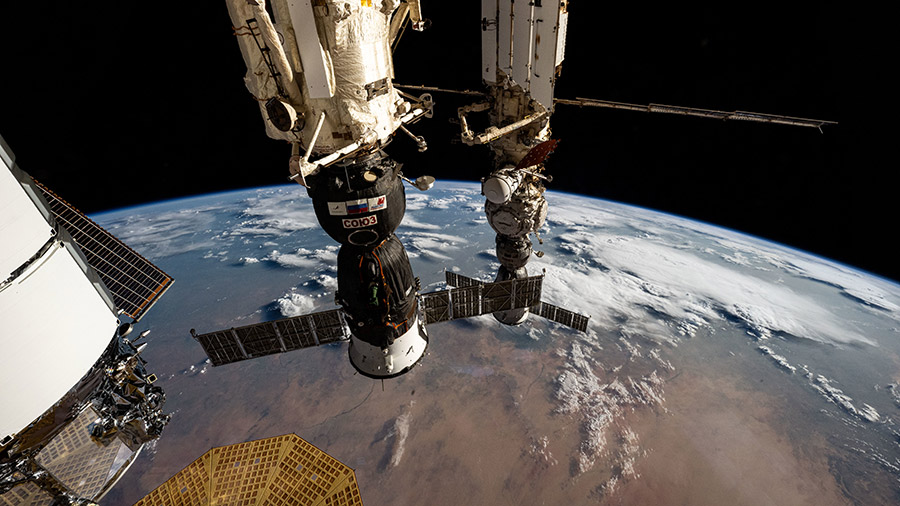
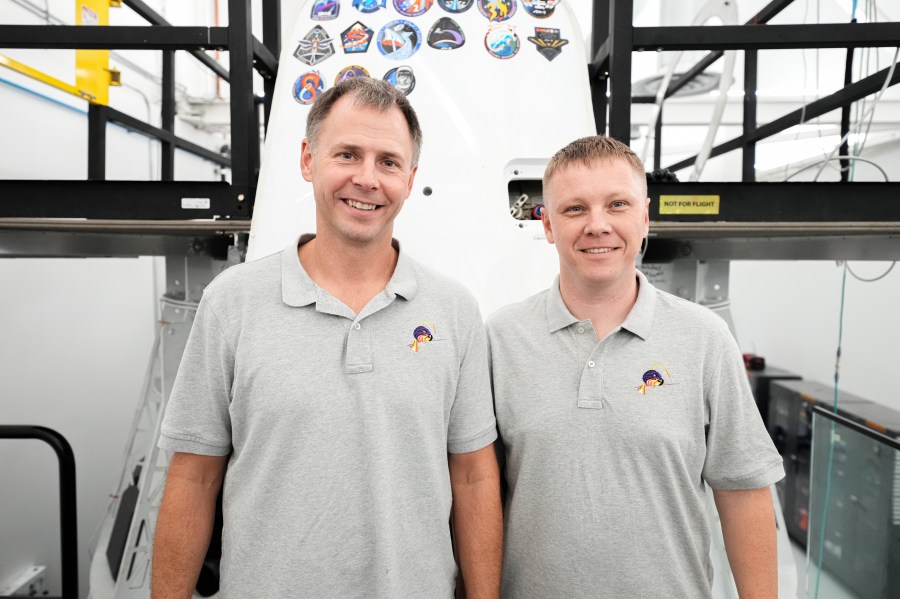
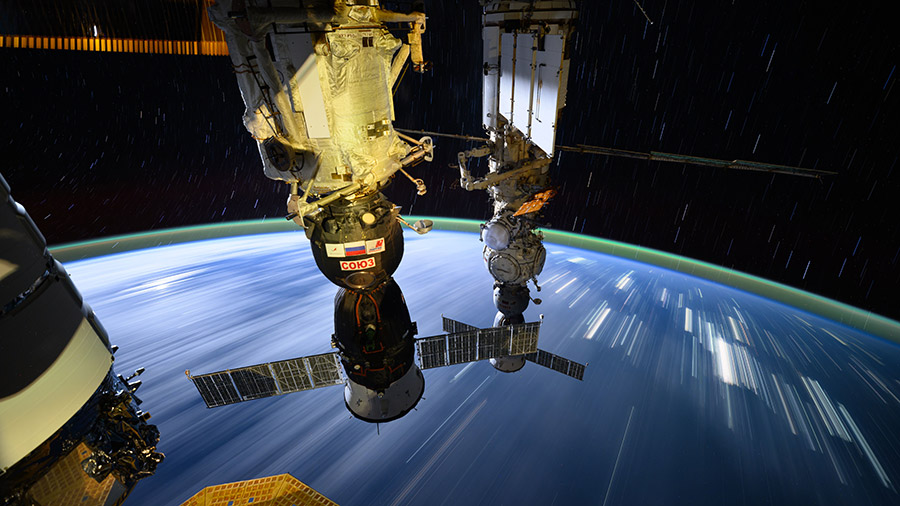
A suite of training and conferences kept the International Space Station residents busy on Monday as they embark on a new week of work in microgravity. Though a light duty science day, some crew members did schedule in time to assess how spaceflight affects the human body and prep for upcoming physical science investigations. In …
NASA Decides to Bring Starliner Spacecraft Back to Earth Without Crew

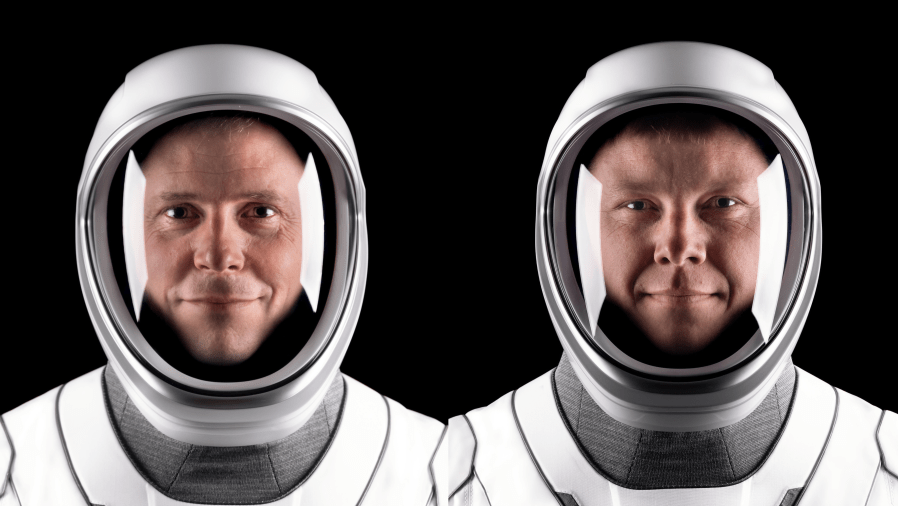
NASA will return Boeing’s Starliner to Earth without astronauts Butch Wilmore and Suni Williams aboard the spacecraft, the agency announced Saturday during a news conference. The uncrewed return allows NASA and Boeing to continue gathering testing data on Starliner during its upcoming flight home, while also not accepting more risk than necessary for its crew. The news conference …
NASA’s ESCAPADE Mission to Mars Receives Launch Date from Blue Origin

NASA’s next science mission to Mars is targeted to launch no earlier than Sunday, Oct. 13, on Blue Origin’s New Glenn rocket from Space Launch Complex 36 at Cape Canaveral Space Force Station in Florida.
The Arctic Radiation-Cloud-Aerosol-Surface Interaction Experiment (ARCSIX) in Greenland
Excerpts from a scientist’s emails home to family provide a glimpse of what life was like on one of the world’s most northern scientific outposts in the world.
Science Hardware Work Completes Week; NASA Managers Discuss Crew Flight Test

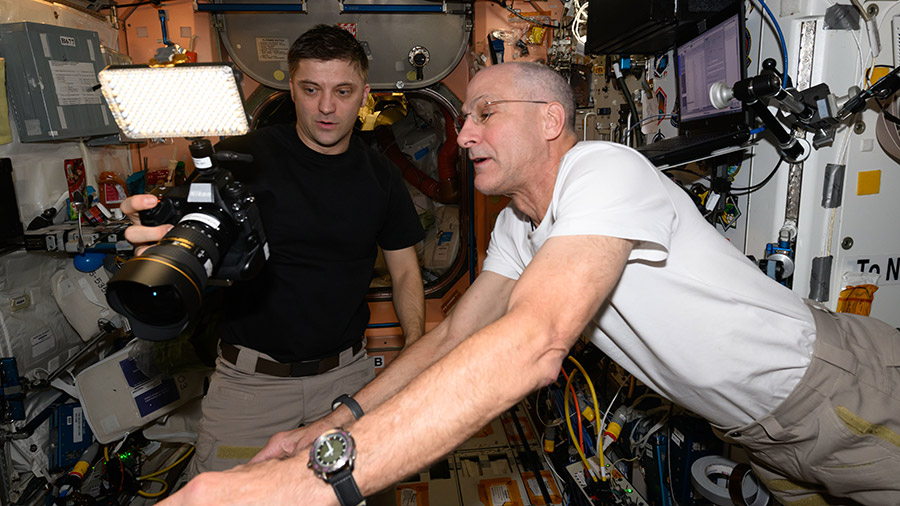
Advanced research hardware work took precedence aboard the International Space Station at the end of the week as the crew readied satellite gear and experimental communications components for placement in the vacuum of space. NASA Flight Engineer Matthew Dominick spent Friday installing the Small Satellite Orbital Deployer onto the Kibo laboratory module’s multipurpose experiment platform …
Under the Ash: Glacier Science at a Volcano
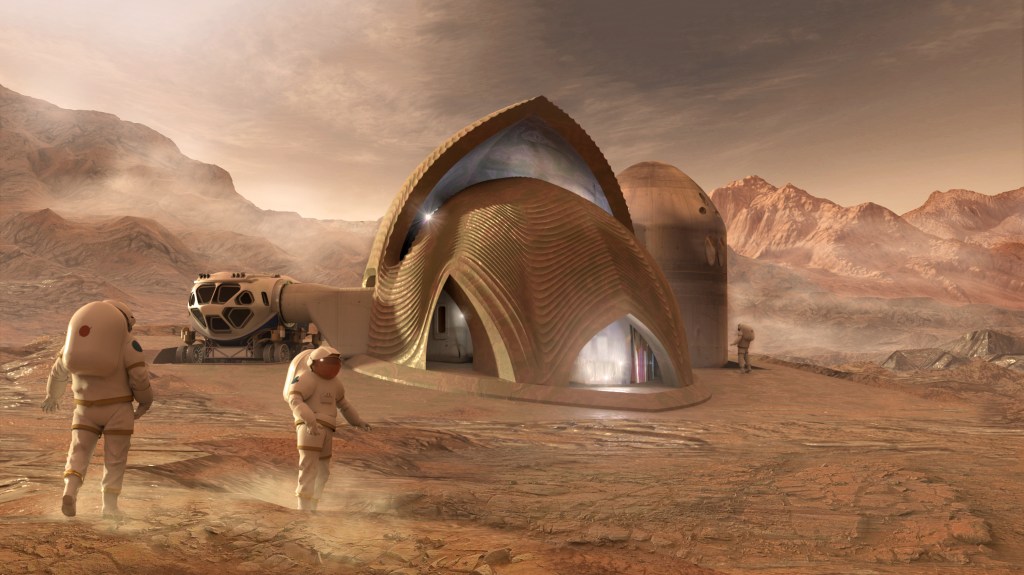
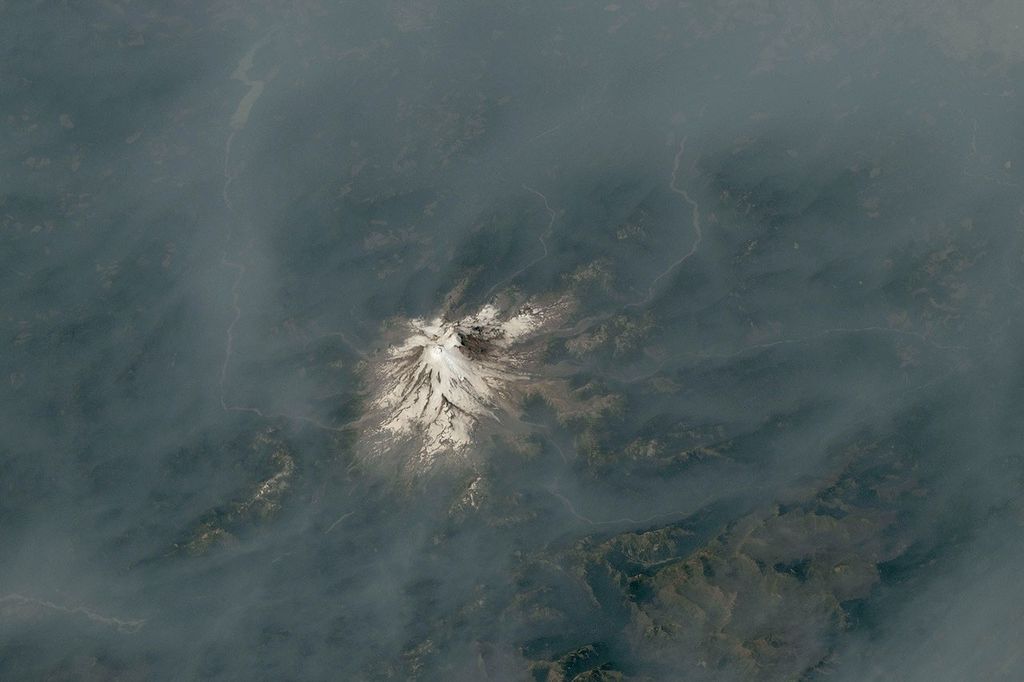
Researchers trekked to Alaska’s Valley of Ten Thousand Smokes to better understand the icy volcanic landscapes on Earth, Mars, and beyond.
NASA, Boeing Chart Course for Starliner Return Review

Engineering and spaceflight specialists from NASA and Boeing continue data analysis ahead of a decision this week on the path forward for the Starliner spacecraft’s return from the International Space Station. NASA’s decision on whether to return Starliner to Earth with astronauts aboard is expected no earlier than Saturday, Aug. 24 at the conclusion of …