






Scientists: Help NASA Evaluate Responses to Space Radiation
NASA seeks assistance in evaluating biological responses to radiation to improve astronaut health risk assessments.
Space Radiation Health Risks
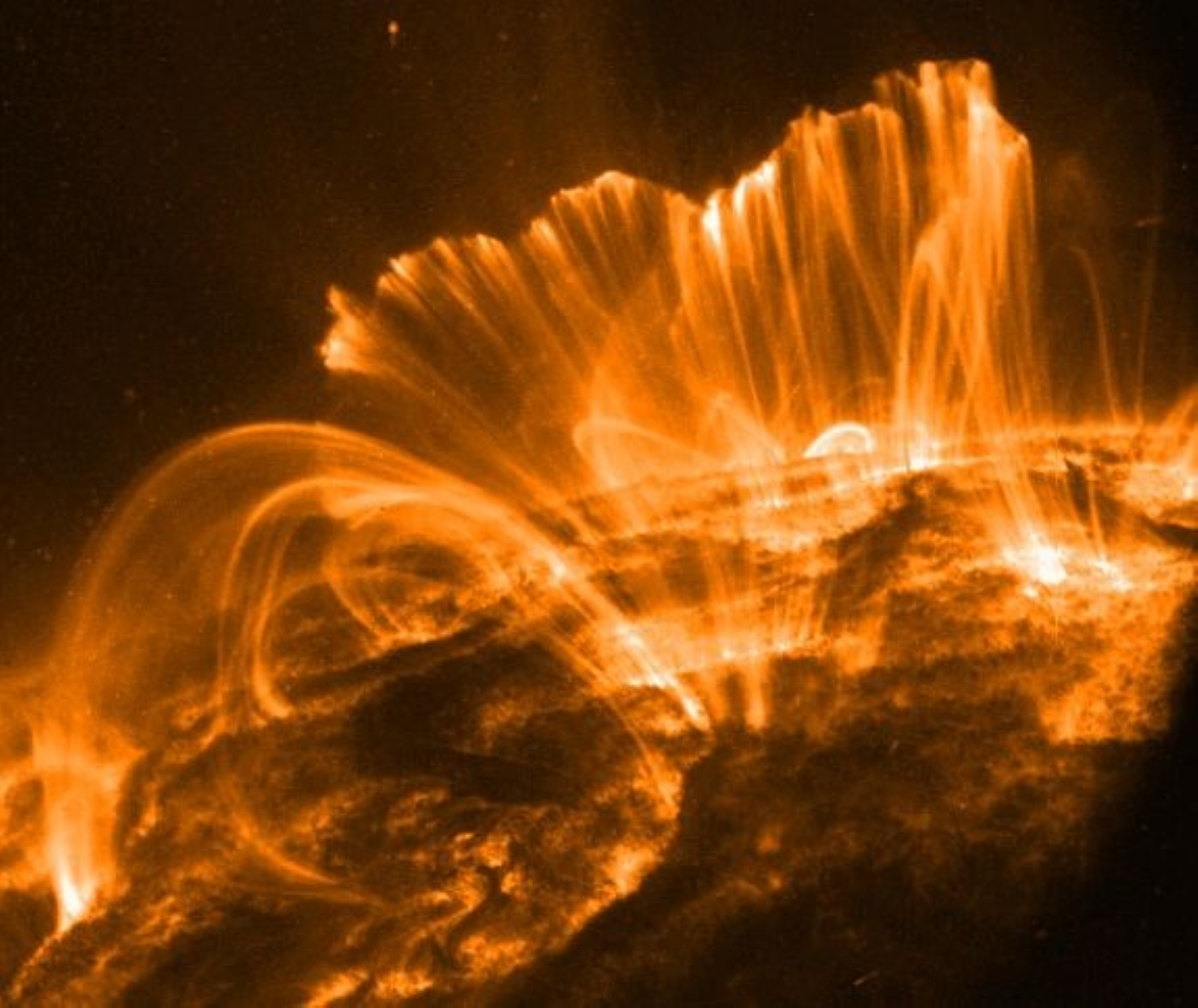
Astronauts are exposed to different types and varying doses of space radiation, including solar energetic particles from the Sun and galactic cosmic rays (GCR) from outside the solar system. Exposure to space radiation can increase health risks, such as cancer, cardiovascular disease, and damage to the central nervous system (CNS).
Animal models can provide insight into how humans respond to spaceflight, with a preference for outbred animal models with genetically diverse mice to more accurately represent human responses.
Objectives
NASA aims to conduct a study with the following objectives:
- Determine the effects of radiation quality, dose, and dose rate on cancer initiation, promotion, and progression in outbred mice.
- Establish estimates for space-relevant radiation exposures.
- Provide biobanked tissue and comprehensive metadata to support future NASA investigations.
- (Optional) Assess cardiovascular and CNS outcomes, as well as sex-specific responses.
What We Are Seeking
The study work includes:
- Radiation exposures at the NASA Space Radiation Laboratory (NSRL) in Upton, New York, including gamma irradiation, full GCR simulation (acute and fractionated), and single-ion exposures.
- Dose coverage relevant to Mars design reference missions.
- Survival, tumor incidence, and tumor spectrum analyses.
- Comprehensive tissue collection, preservation, and metadata management.
- Biobanking of required samples per NASA specifications.
- Preparation of interim and final reports.
What We Need from You
The principal investigator (PI) will provide:
Required Deliverables
- Evaluation of biological responses to GCR simulations and single-ion exposures, including overall survival, solid tumor-free survival, leukemia/lymphoma-free survival, and tumor spectrum/type analysis.
- Biobanking of specified organs/tissues with metadata.
- Comprehensive digital data management plan covering animal, sample, and metadata tracking.
Optional Deliverables
- Assessment of cardiovascular injury from space-like radiation exposure.
- Evaluation of CNS functional/physiological decrements.
- Assessment of dose-rate effects.
- Analysis of sex-specific responses.
Resources
NASA will provide the PI with the outbred animal models, shipping to NSRL, and beam time. The PI will budget for model housing, travel, experimental execution, and sample processing.
Award: 4-year maximum funding.
Project Phases: A definition phase lasting 3-6 months will occur before the implementation phase of the project. Continuation to full implementation is contingent on successful science integration with NASA.
Deadline: March 13, 2026.
Apply: Click here to submit your proposal.
Questions: email joshua.r.hlavenka [at] nasa.gov.