














NASA’s SpaceX Crew-12 Science Objectives
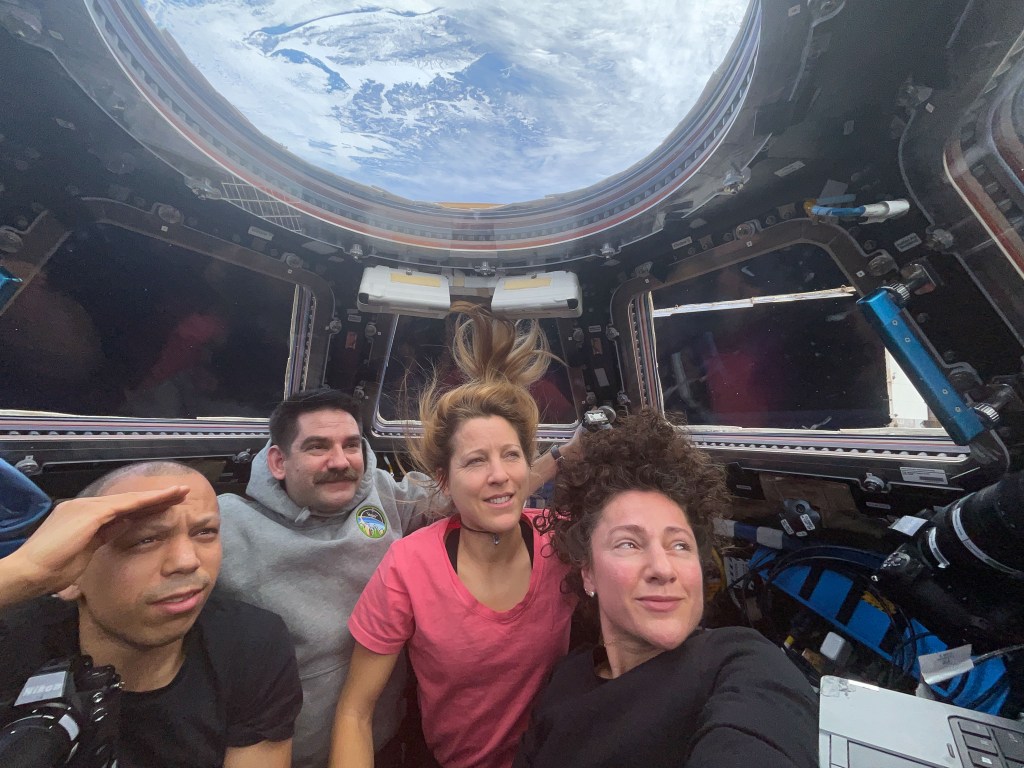
During Crew-12’s eight-month long mission aboard the International Space Station, the crew will conduct a variety of science experiments aimed at advancing research and technology for missions to the Moon and Mars, and to benefit humanity on Earth.
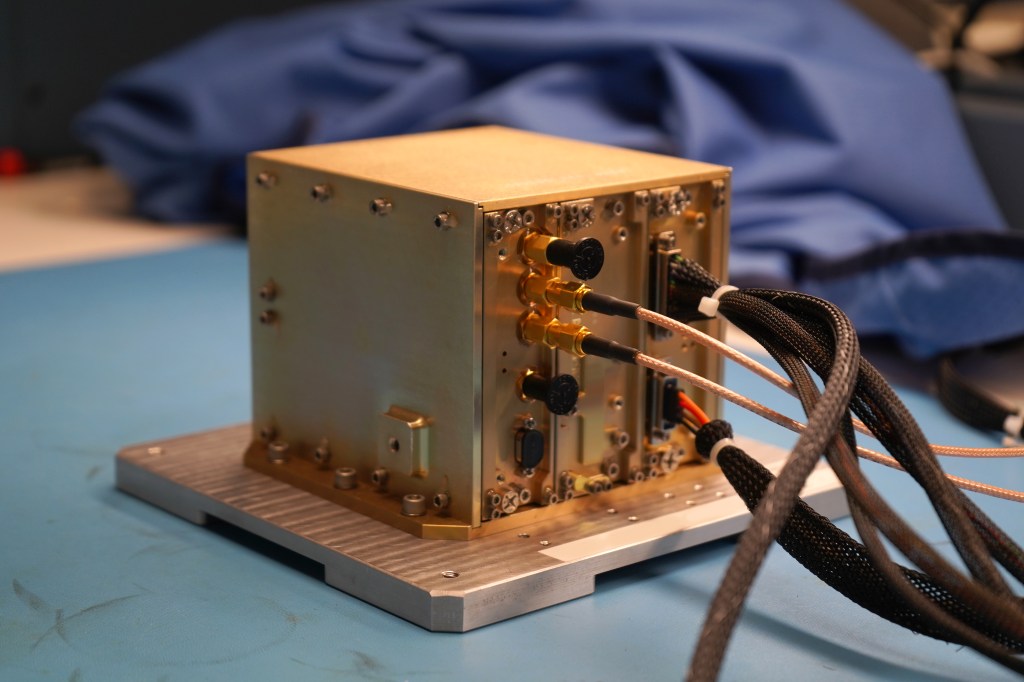
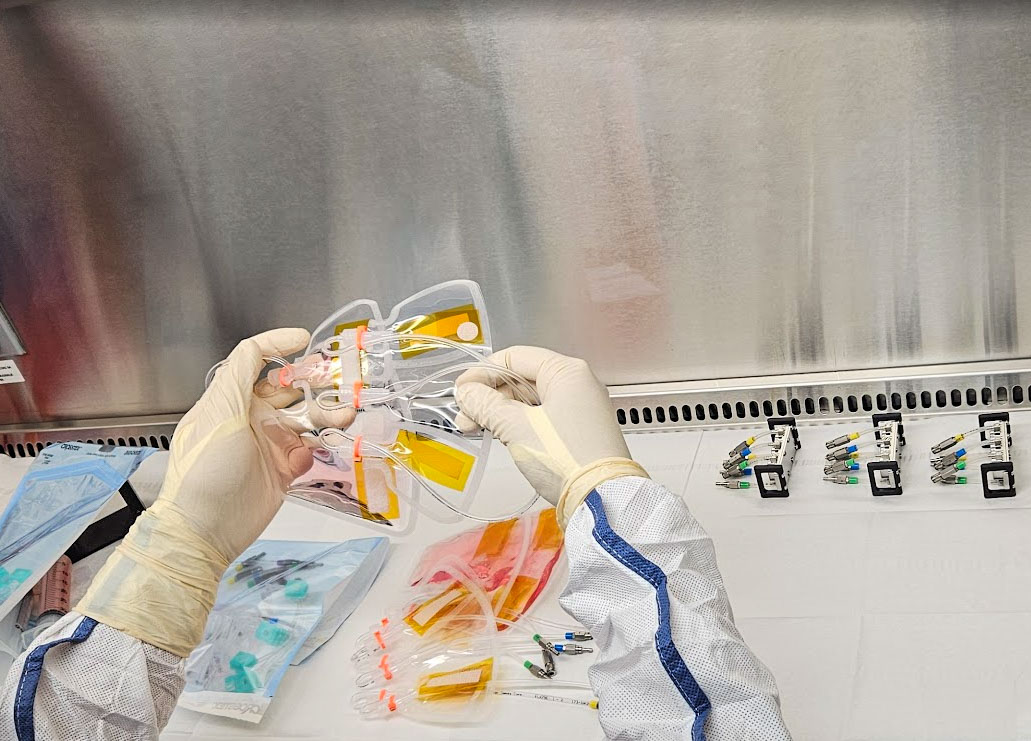
The crew will study how pneumonia-causing bacteria can lead to long-term heart damage, research on how physical characteristics may affect blood flow during spaceflight, and improve on-demand IV (intravenous) fluid generation. The technology verifies the operation of a miniaturized system that uses potable water aboard the space station to make saline solution for treating medical conditions during spaceflight. On future exploration missions, the system could give crew members the ability to generate intravenous fluids on demand.
Crew members will investigate automated plant health monitoring and the interactions between plant and nitrogen-fixing microbe, a process that provides plants with usable nitrogen to grow in microgravity aboard the space station. The research could help develop ways for growing food during future space missions.
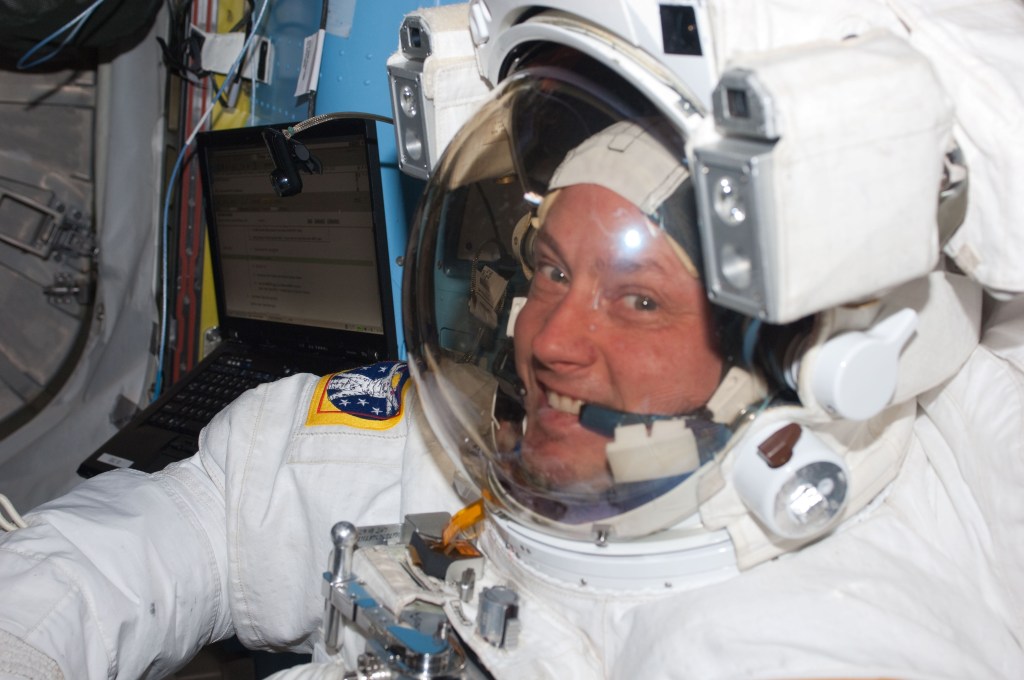
The crew also will conduct several spacewalks.
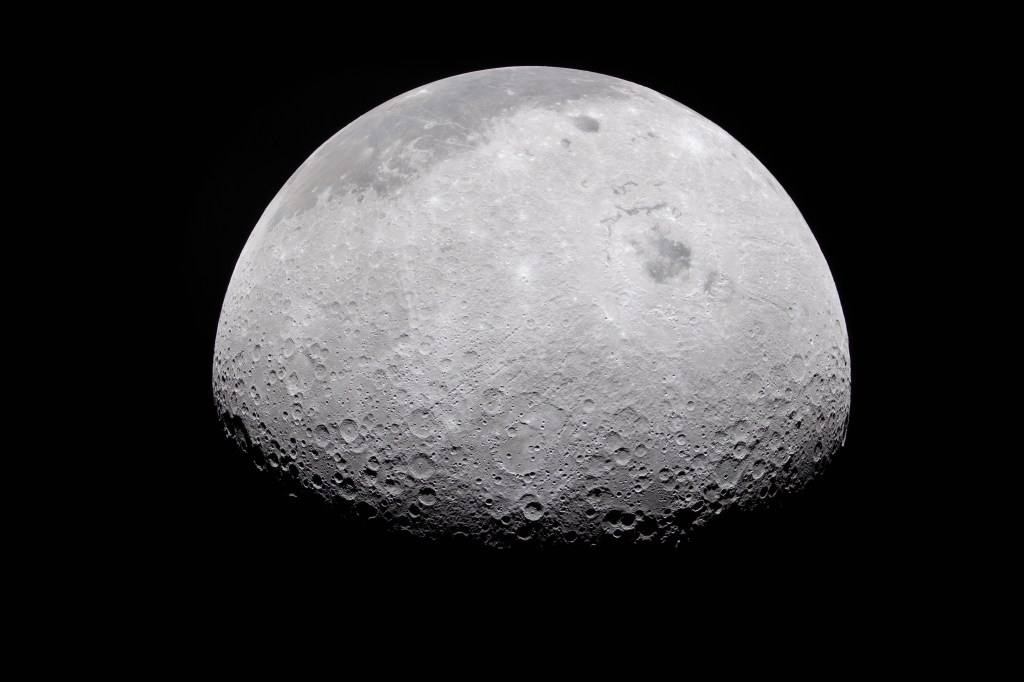
For more than 25 years, people have lived and worked continuously aboard the International Space Station, advancing scientific knowledge and making research breakthroughs that are not possible on Earth. The station is a critical testbed for NASA to understand and overcome the challenges of long-duration spaceflight and to expand commercial opportunities in low Earth orbit. As commercial companies concentrate on providing human space transportation services and destinations as part of a robust low Earth orbit economy, NASA is focusing its resources on deep space missions to the Moon as part of the Artemis campaign in preparation for future human missions to Mars.
To learn more about other activities at the orbiting laboratory:
https://www.nasa.gov/international-space-station
