










Current Events:
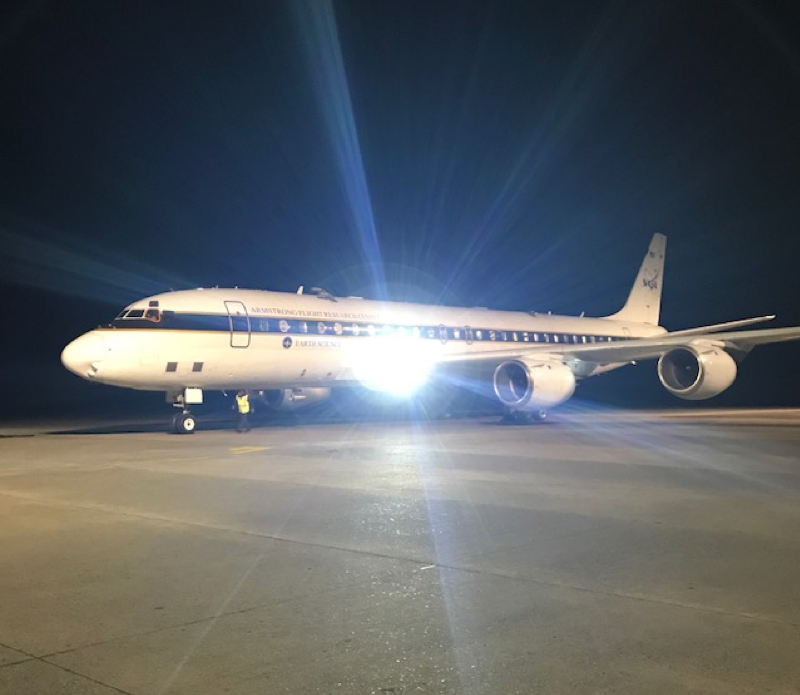
- The Earth Venture Suborbital 2 (EVS-2) Atmospheric Tomography Mission (ATom) is conducting its fourth and final deployment currently. The NASA DC-8 arrived in Punta Arenas, Chile on May 7 after a 10-hour science flight from Christchurch, NZ. ATom is studying the impact of human-produced air pollution on greenhouse gases and on chemically reactive gases in the atmosphere. Dave Jordan and Erin Czech of the Earth Science Project (ESPO) are the ATom Project Manager and Deputy Project Manager respectively with many ESPO members serving as site manager at various locations in the deployment route. The Meteorological Measurement System (MMS) led by Paul Bui and his team is part of the DC-8 instrument payload. https://espo.nasa.gov/home/atom/
- The Ames Sunphotometer/Satellite (Sun/Sat) Group has established a cooperative agreement with the National Research Council-Canada (NRC) to participate in the NRC-led Oil Sands Measurement Campaign (OSMC) during Jul. 2018 over the Canada Oil Sands Region (COSR) in northeastern Alberta, Canada. COSR has some of the largest oil sand deposits in the world. The oil extraction and upgrade processes, however, result in the emission of several types of aerosols and aerosol precursors into the atmosphere which in turn cause considerable environmental concerns, especially in regard to air quality and climate change.
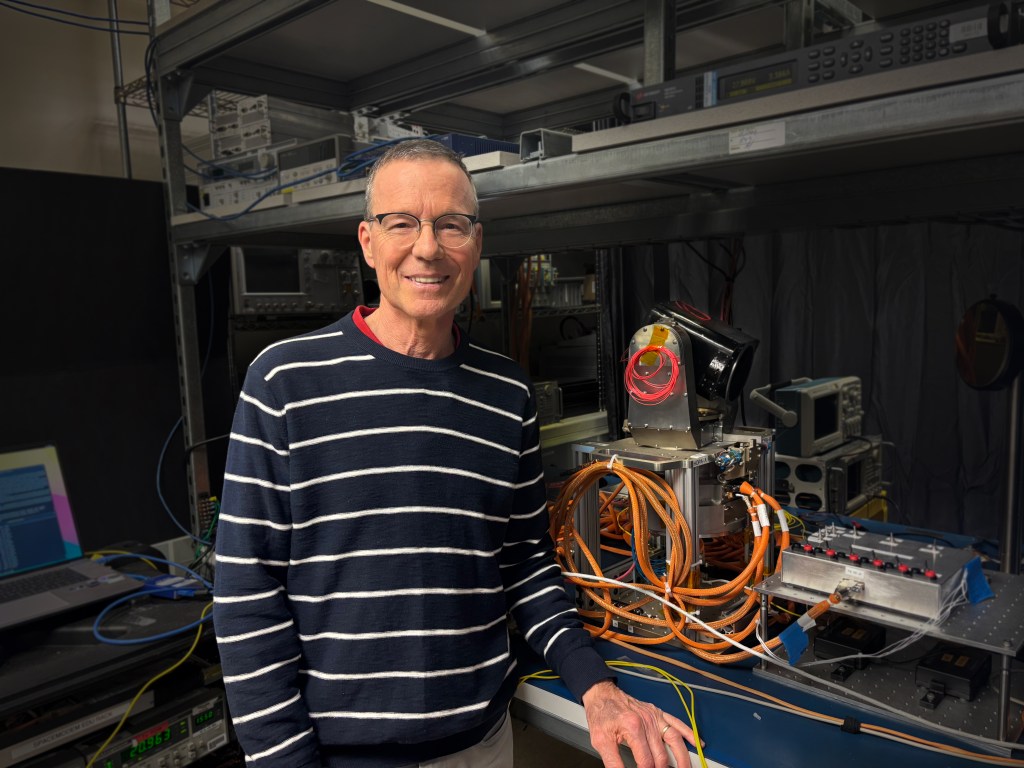
In support of NRC’s OSMC, the Sun/Sat Group will provide the Spectrometer for Sky-scanning, Sun-Tracking Atmospheric Research (4STAR) instrument for observation from the NRC Convair-580 aircraft. Roy R. Johnson and Samuel LeBlanc (BAER) will travel to Ottawa, Canada in mid-May 2018 to integrate 4STAR on the CV-580 and train the NRC personnel to operate the instrument as well as data processing. NRC’s use of 4STAR will complement NRC’s planned on-board instrumentation and will provide important information on trace gas concentrations and aerosol properties essential to the understanding of aerosol formation and evolution processes. Providing the 4STAR instrument to NRC benefits NASA’s Earth Science Division by broadening the spectrum of research aircraft the instrument has flown on, providing data to NASA for future scientific analysis, and providing data on the instrument’s use, which will enhance future performance analysis, techniques, and instrument calibration/validation.