








Darlene Lim
Research Scientist
Contents
- Mission-Driven, Human-Centered
- Exploring Extreme Environments to Enable Exploration Beyond Earth
- Leading Real-Time Science on the Moon
- Designing the Future of Real-Time Science Operations
- Advancing Science Strategy Across NASA and Beyond
- Mentorship, Community, and Inspiring the Next Generation
- Recognition and Scientific Impact
- Select References
- Moon to Mars Science operations research
- Astronaut scientific exploration training
- Earth and Comparative Planetary Science
- Pavilion Lake Research Project Historical Overview
Affiliation: NASA Ames Research Center, Planetary Science
Email: Darlene.lim@nasa.gov
Read Darlene Lim’s interview
Visit Darlene’s website
Mission-Driven, Human-Centered
Exploring the Moon and Mars is not just about where we go, but how we make decisions when conditions are uncertain, time is limited, and scientific discovery happens in real time. Dr. Darlene Lim’s work sits at this intersection – transforming ambitious exploration goals into operational systems that enable people, robots, and data to work together effectively in the most extreme and demanding environments.
Dr. Lim is a planetary systems research scientist at NASA Ames Research Center whose career centers on a single challenge: how to enable high-tempo, high-stakes science in the most extreme environments – on Earth and beyond. For more than two decades, her work has focused on translating scientific ambition into operational reality by designing the architectures, governance models, and decision-support systems that allow science objectives to be executed efficiently within the constraints of real missions.
Exploring Extreme Environments to Enable Exploration Beyond Earth
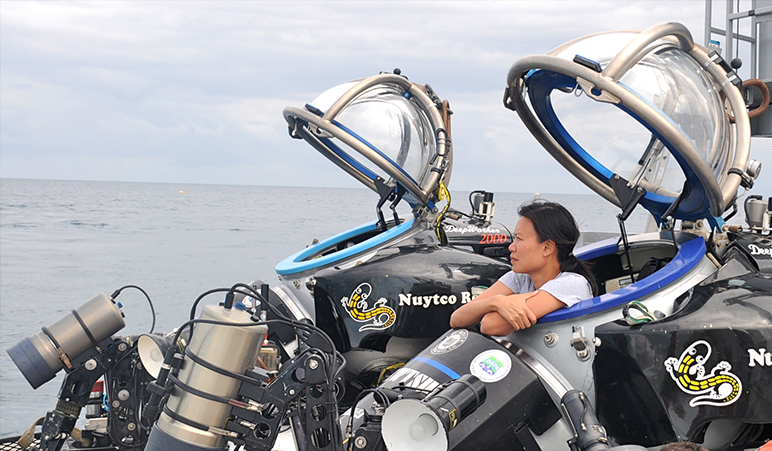
Dr. Lim’s research spans environments on every continent as well as underwater settings, where she has designed, executed, and led complex field campaigns at the intersection of geobiology, planetary science, telepresence, robotic systems, and human factors. Her analog exploration programs serve as living testbeds for future space missions, generating practical insights into how science is conducted when time, bandwidth, and resources are limited.
Through this work, Dr. Lim has helped shape strategies for science prioritization during extravehicular activities, the design of portable instrumentation suites, intra-EVA science support concepts, and real-time tactical decision-making frameworks that are now reflected in NASA’s lunar and Mars exploration architectures.
Earlier in her career, Dr. Lim founded and led multiple flagship NASA analog exploration programs as Principal Investigator, including SUBSEA, BASALT, and the Pavilion Lake Research Project. These multi-year, multi-stakeholder efforts advanced science-driven operations, traverse planning, human-robotic collaboration, and real-time tactical decision-making, while establishing operational standards and practices now adopted across planetary exploration. The Pavilion Lake Research Project alone supported nearly 300 field participants and
partnerships spanning government agencies, academia, industry, non-profit organizations, and local and Indigenous communities.
Leading Real-Time Science on the Moon

An artist’s concept of NASA’s Volatiles Investigating Polar Exploration Rover, or VIPER.
NASA
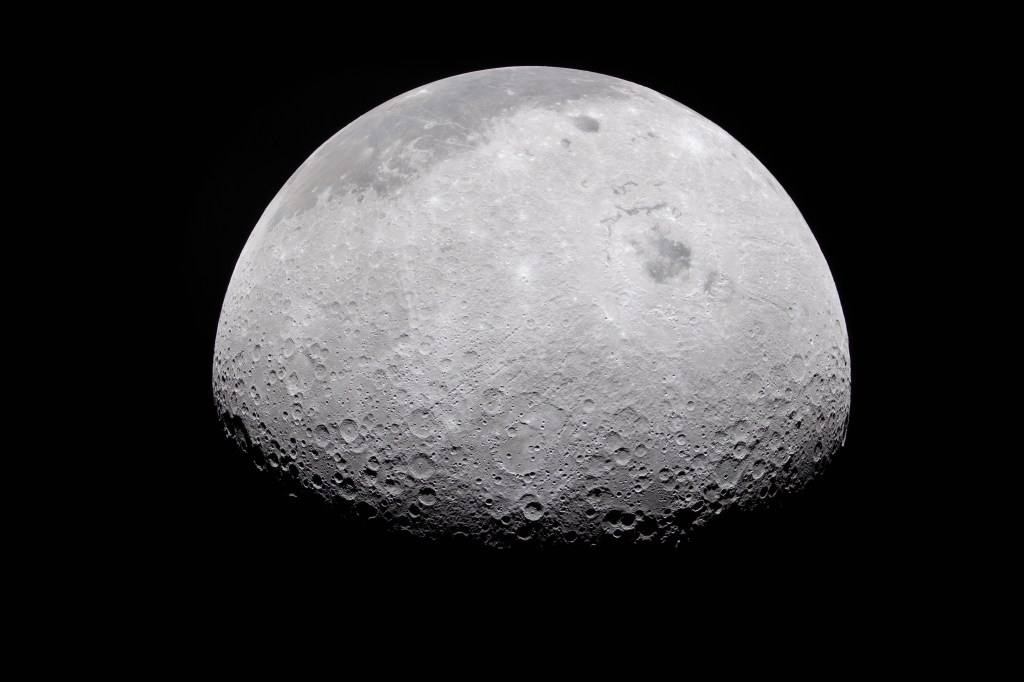
This foundation in field-based exploration directly informs Dr. Lim’s leadership in flight missions. She currently serves as Deputy Project Scientist and Science Operations and Integration Lead for NASA’s Volatiles Investigating Polar Exploration Rover (VIPER) mission – a first-of-its-kind effort to map lunar resources at the Moon’s South Pole and characterize subsurface water ice critical to sustained human exploration.
As a senior science authority on VIPER, Dr. Lim is responsible for integrating science objectives, instrument capabilities, mission operations, and data systems across the mission lifecycle. Her team defined and implemented VIPER’s end-to-end Science Operations architecture, including the Science Operations Plan; an operationalized Science Traceability Matrix that closes with instrument data return and full mission success criteria; real-time prioritization and tracking tools; and Mission Science Center workflows designed to enable continuous, 24/7 lunar surface operations.
She also led the design and build-out of the VIPER Mission Science Center, as well as the development of staffing models, training programs, and operational readiness activities for distributed science teams operating under demanding mission timelines. The operational frameworks developed under her leadership are now informing Artemis-era lunar science operations.
Designing the Future of Real-Time Science Operations
In parallel, Dr. Lim serves as Co-Lead of NASA’s Real-Time Science and Systems (RTSS) Group, where she focuses on building reusable science-operations frameworks and collaborative data systems that integrate science objectives, payload capabilities, mobility assets, and decision-support tools across Earth, lunar, and planetary surface missions.
Her work through RTSS helps ensure that future missions can rapidly transform incoming data into actionable science decisions, enabling exploration teams to operate effectively in increasingly dynamic and complex environments.
Advancing Science Strategy Across NASA and Beyond
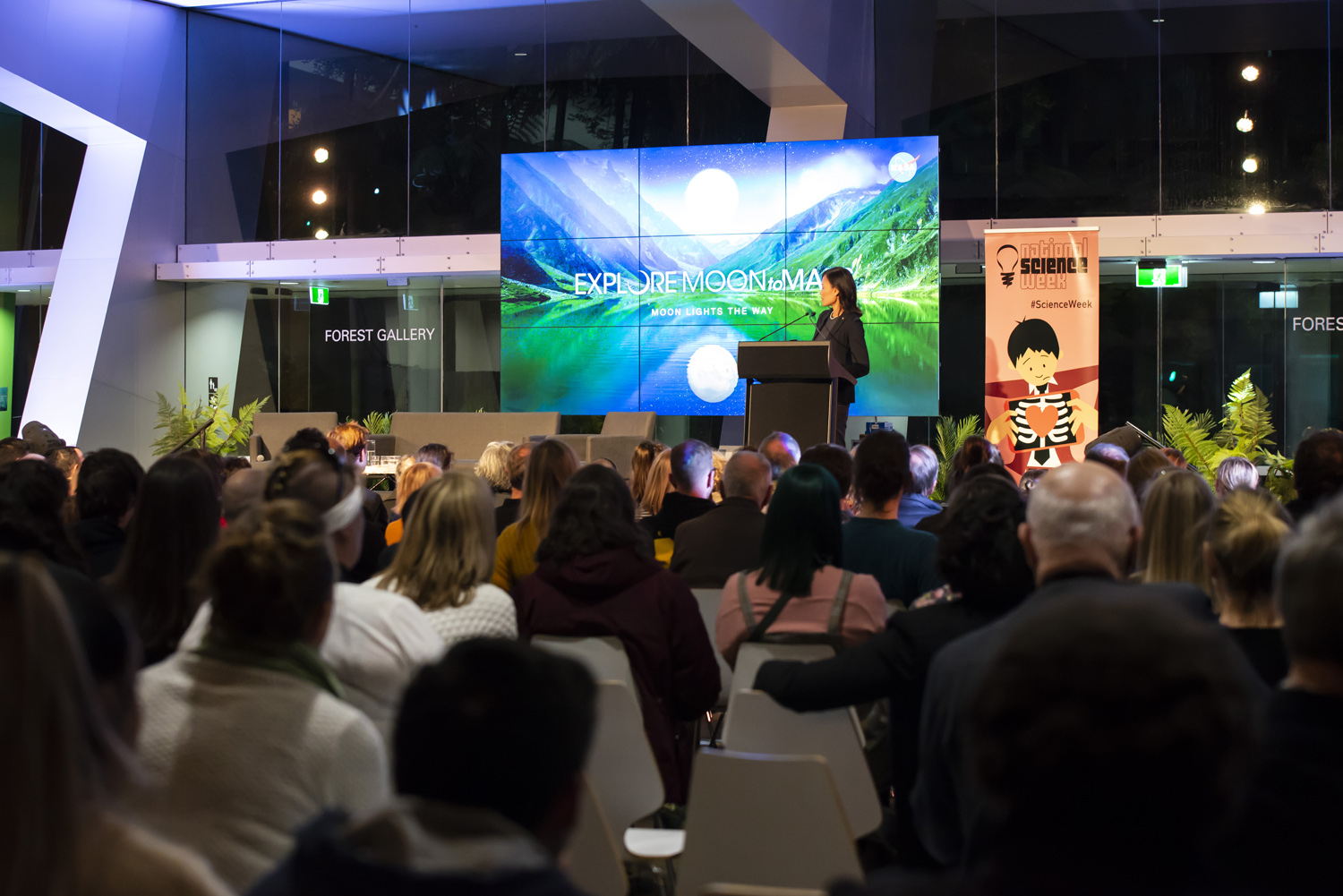
Beyond mission implementation, Dr. Lim contributes to strategic science planning and interdisciplinary collaboration across NASA and the broader exploration community. She has served on multiple committees of the Mars Exploration Program Analysis Group (MEPAG), including leadership of the Prepare for Human Exploration goal area, and has represented NASA on the NOAA Ocean Exploration Advisory Board and the NASA Network for Ocean Worlds Steering Committee.
Through these roles, she helps shape scientific priorities, operational strategies, and collaborative frameworks that connect planetary exploration, ocean science, and human exploration objectives.
Mentorship, Community, and Inspiring the Next Generation
A passionate advocate for STEM engagement and workforce development, Dr. Lim mentors scientists, engineers, mission operators, and astronauts across career stages. She founded the Haven House Family Shelter STEM Explorers’ Speakers Series, creating opportunities for researchers to bring science and engineering education to underserved youth in the San Francisco Bay Area.
Recognition and Scientific Impact
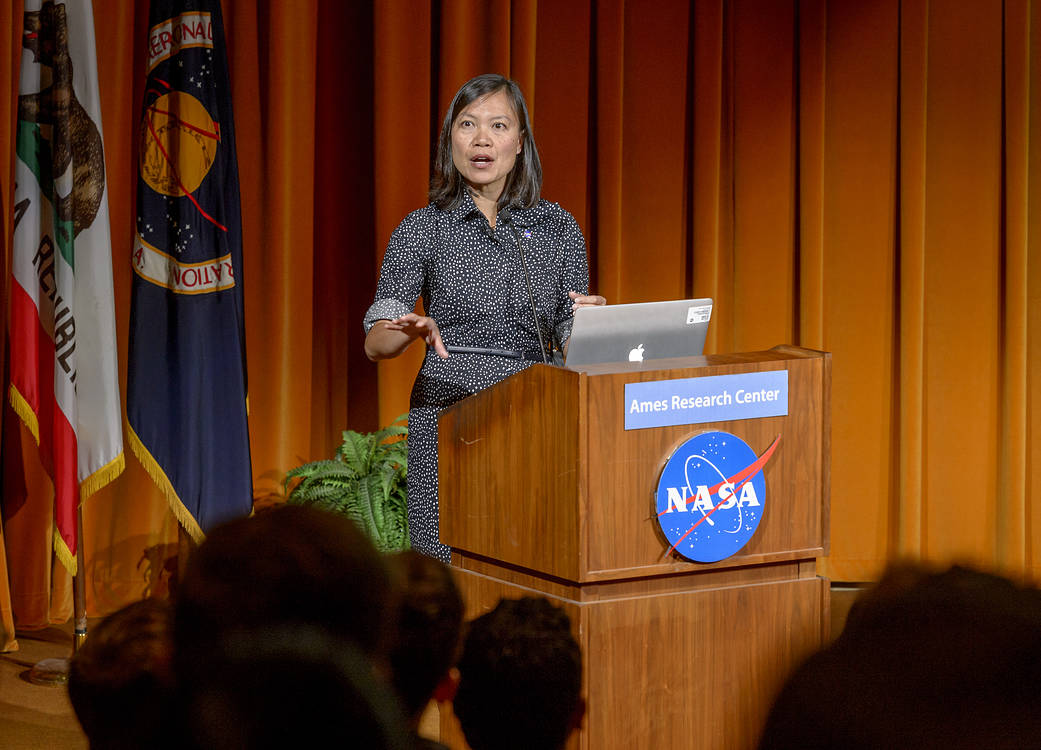
Darlene Lim – Designing and Developing Mission Elements for Human Scientific Exploration of the Moon, Deep Space and Mars
Dr. Lim is the recipient of the NASA Michael J. Wargo Exploration Science Award, multiple NASA Group Achievement and Partnership Awards, the WINGS WorldQuest Women of Discovery Award – Air & Space, and recognition as a WIRED Magazine Smart List Honoree. She is also a graduate of NASA’s LEADS science leadership development program.
She has authored and co-authored numerous peer-reviewed publications in Astrobiology, Planetary and Space Science, and related journals on science-driven planetary surface exploration, mission operations, and analog research frameworks.
Dr. Lim holds a Ph.D. and M.Sc. in Geology from the University of Toronto and a B.Sc. (Honours) in Biology from Queen’s University.
Select References
Moon to Mars Science operations research
https://ntrs.nasa.gov/api/citations/20250004636/downloads/20250004636.pdf
https://star.spaceops.org/2025/user_manudownload.php?doc=295__fi71zuxc.pdf
https://www.liebertpub.com/toc/ast/19/3
http://dx.doi.org/10.1016/j.asr.2016.05.011
https://doi.org/10.4031/MTSJ.46.4.2
https://nautiluslive.org/sites/default/files/documents/2025-09/32-1_supplement.pdf
Astronaut scientific exploration training
https://doi.org/10.1016/j.pss.2010.02.014
https://docs.lib.purdue.edu/jhpee/vol12/iss1/7
Earth and Comparative Planetary Science
https://doi.org/10.1016/j.gca.2023.03.013
https://doi.org/10.1016/j.pss.2020.105151
https://doi.org/10.1016/j.pss.2020.105107
https://doi.org/10.1111/gbi.12134
https://doi.org/10.1016/j.orggeochem.2013.11.013
https://doi.org/10.1021/acsearthspacechem.8b00182
https://doi.org/10.1016/j.icarus.2012.05.015
https://doi.org/10.1089/ast.2009.0440
https://doi.org/10.1127/1863-9135/2009/0173-0329
https://doi.org/10.1007/s10933-007-9168-0