
























Employee Spotlight: Edmonia Caldwell
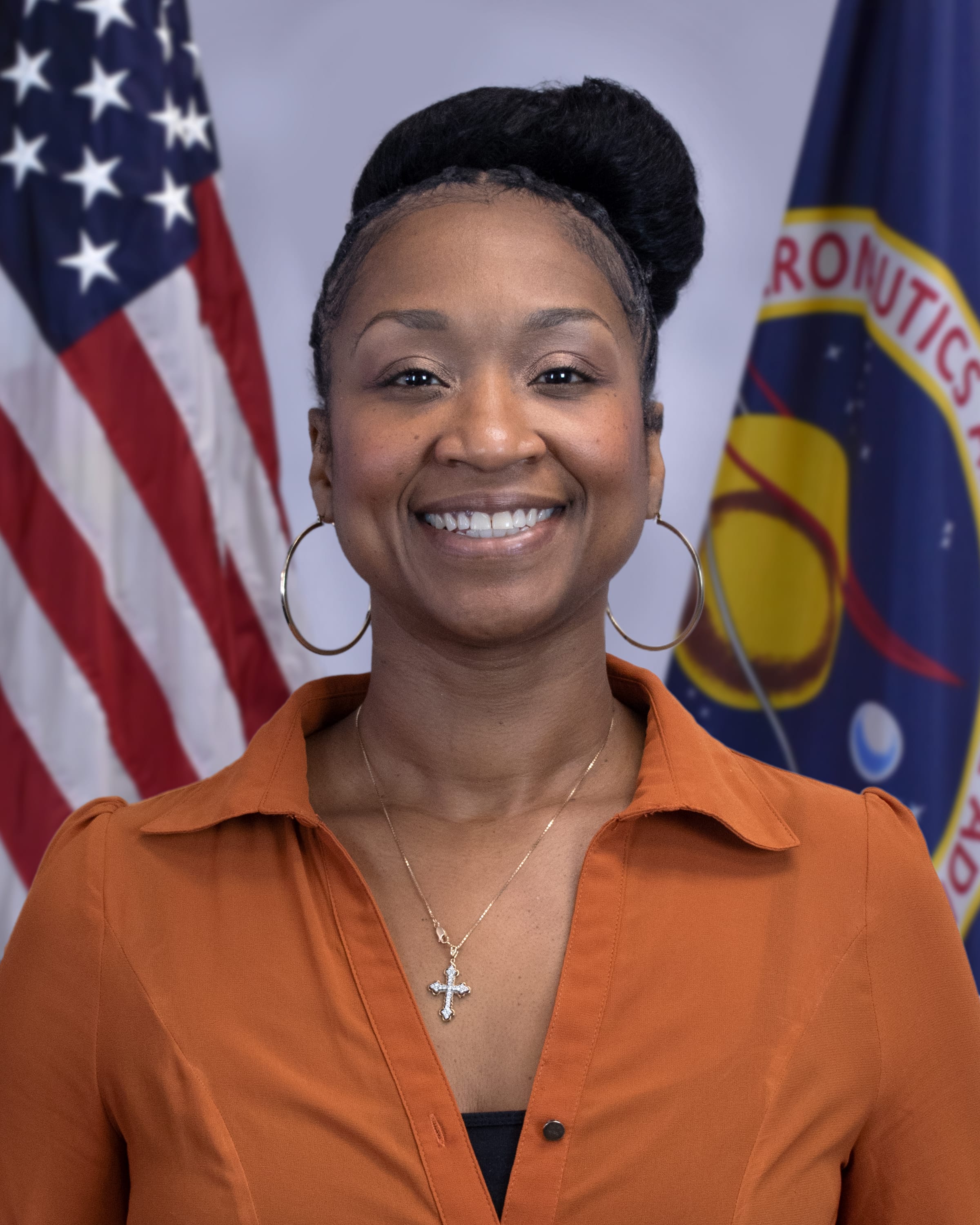
Edmonia Caldwell despised sitting through her thermodynamics courses, but both Xavier University and Georgia Institute of Technology required her to pass them to graduate with her dual degree in physics and engineering. If you had asked Caldwell during her undergraduate years what career she expected to pursue after college, she would have told you mechanical engineering.
That, however, is not how things went.
Instead, Caldwell spent most of her career in the trenches of a thermal vacuum chamber at NASA’s Goddard Space Flight Center in Greenbelt, Maryland. For 22 years, Caldwell built thermal models, tested flight temperature scenarios, worked on cryocoolers and radiators, and more. She went on to lead the thermal design branch at Goddard and design many high-profile missions’ thermal systems.
“I never expected my career to be in thermodynamics but an opportunity opened up and I took it,” said Caldwell. “Turns out, I love space-based thermodynamics and I’ve gotten to apply it to some very impactful missions.”
Those impactful mission included Hubble Space Telescope Servicing missions. However, NASA’s OSIRIS-REx mission stood out as a unique challenge due to its destination.
Typically, I worked on missions going to a stationary body with temperatures we could predict, but OSIRIS-REx's destination was a wonky-shaped asteroid called Bennu. Many people don't know this, but an asteroid's varying shape can cause unexpected temperatures changes. We had to plan for that in the thermal chamber and push the mission beyond typical testing boundaries.

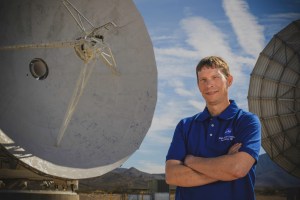
Edmonia caldwell
LCRNS Deputy Project Manager, NASA Goddard Space Flight Center
Despite the challenge, OSIRIS-REx successfully became the first U.S. mission to collect a sample from an asteroid and return it to Earth. Now, the spacecraft is on a new mission to explore asteroid Apophis in 2029.
After 22 years working near the warmth of a thermal vacuum chamber, Caldwell made a significant career change. In 2023, she was appointed the deputy project manager for NASA’s Lunar Communications Relay and Navigation Systems (LCRNS) project.
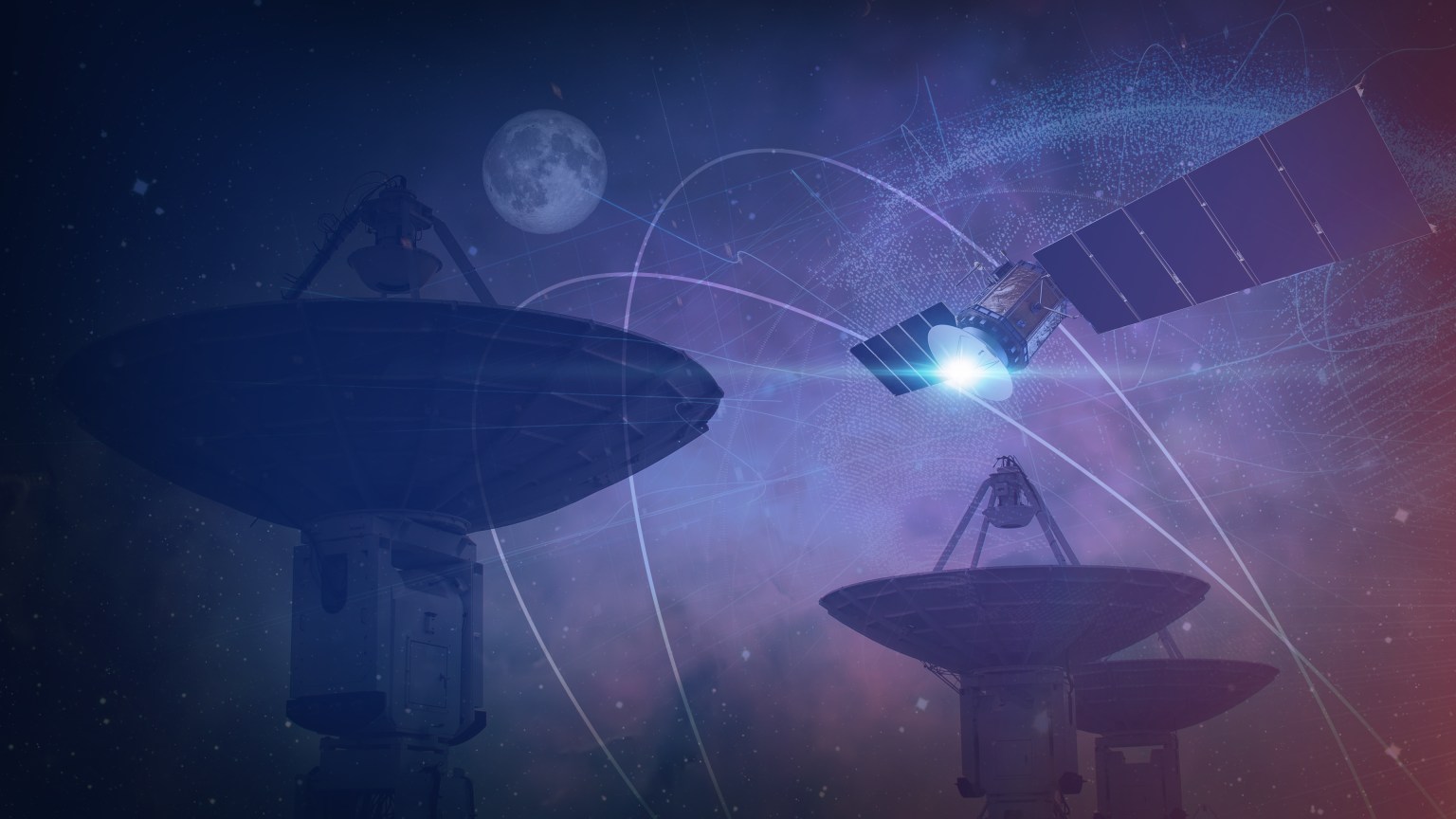
The LCRNS project is enabling a robust communication and navigation infrastructure around the Moon through lunar relays. The relays will allow missions and assets like crewed launches, rovers, and orbiters to send and receive communications even when they are not in line of sight with Earth.
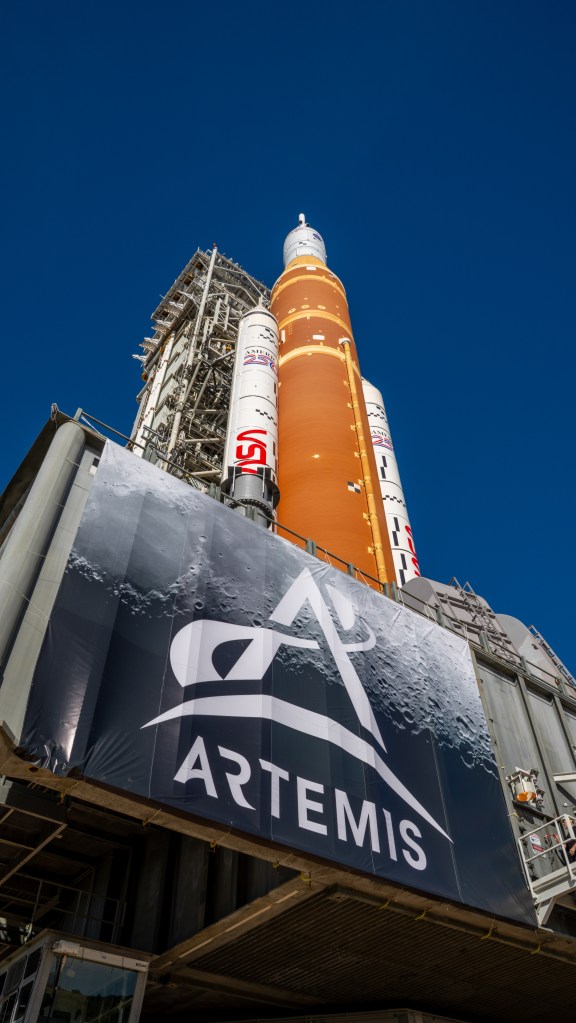
Lunar relays will play an essential role in NASA’s Artemis campaign to establish a long-term presence on the Moon. Without the extended coverage lunar relays offer, landing opportunities at the Moon’s South Pole would be significantly limited by a lack of direct communication between landing sites and Earth ground stations.
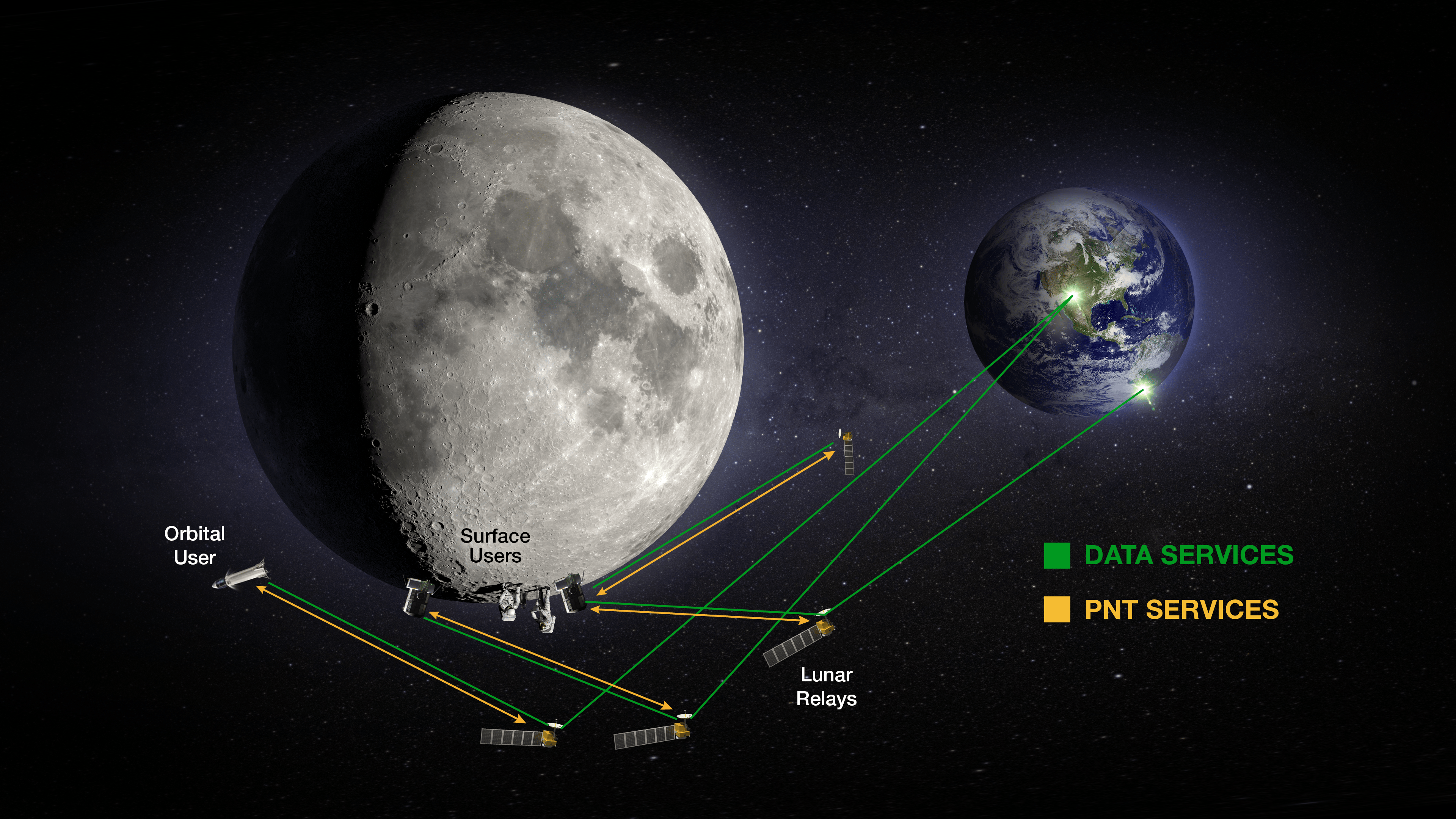
In September 2024, NASA selected Intuitive Machines, LLC of Houston to develop LCRNS’ lunar relays under the Near Space Network Services procurement. The Near Space Network is one of two communications networks under NASA’s Space Communications and Navigation (SCaN) program office and provides services to missions within 1.2 miles of Earth.
As deputy project manager, Caldwell works with a technical team to develop the lunar relays’ verification and validation approach. She is currently building a detailed development schedule and validation model that Intuitive Machines could implement. Additionally, Caldwell is onboarding the vendor by outlining the nuances of NASA’s financial, technical, and schedule procedures.
Beyond her technical work, Caldwell encourages students to pursue STEM careers. This past summer she mentored Kate Oberlander, a master’s student who spent her summer in the SCaN Internship Program (SIP). Kate helped analyze interoperable communications and navigation interfaces and requirements for the lunar and Earth domains.
Outside of work, Caldwell enjoys helping her six godchildren explore the world on international trips. She also loves to delve into the made-up worlds of fiction by cracking open a good book.