













This post was written prior to a reorganization of ESC’s projects and networks in support of the agency’s commercialization efforts. Though accurate at the time of publication, it is no longer being updated and may contain outdated information. For more information about the current projects, click here.
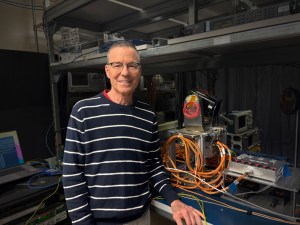
Employee Spotlight: Alicia Goldstein
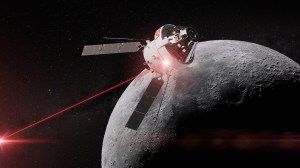
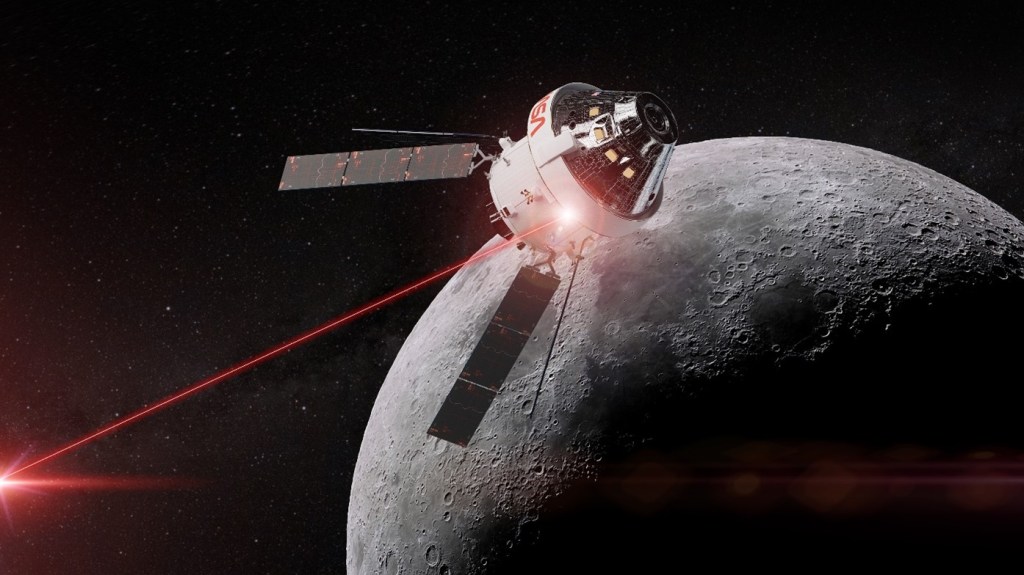
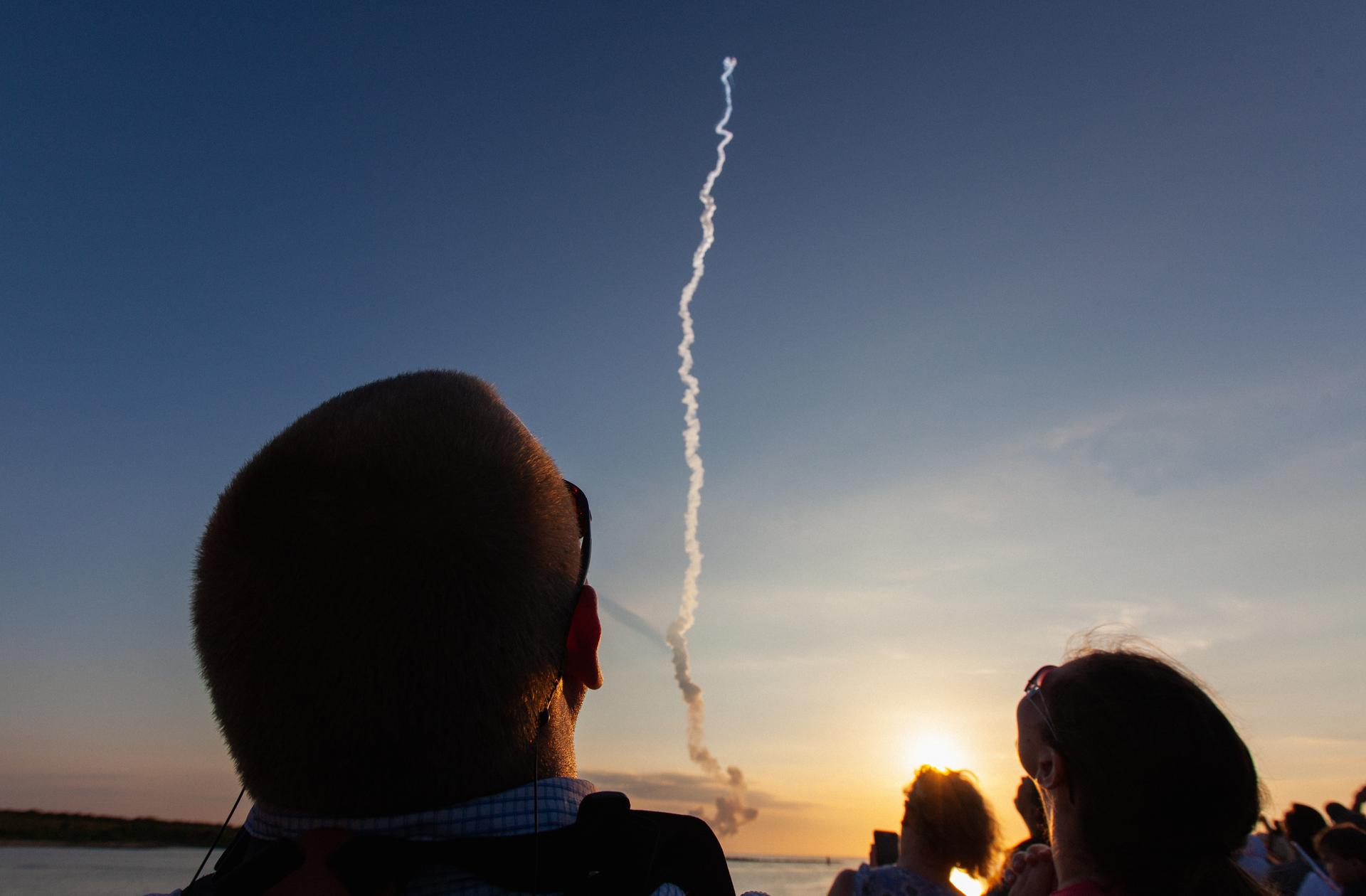
On November 16, 2022, NASA’s Artemis I mission launched to space, starting a new era of lunar exploration. The mission was a test flight of the Orion capsule and the Space Launch System (SLS) rocket.
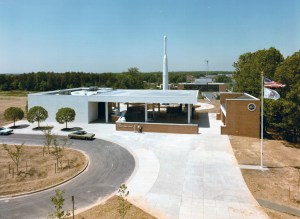
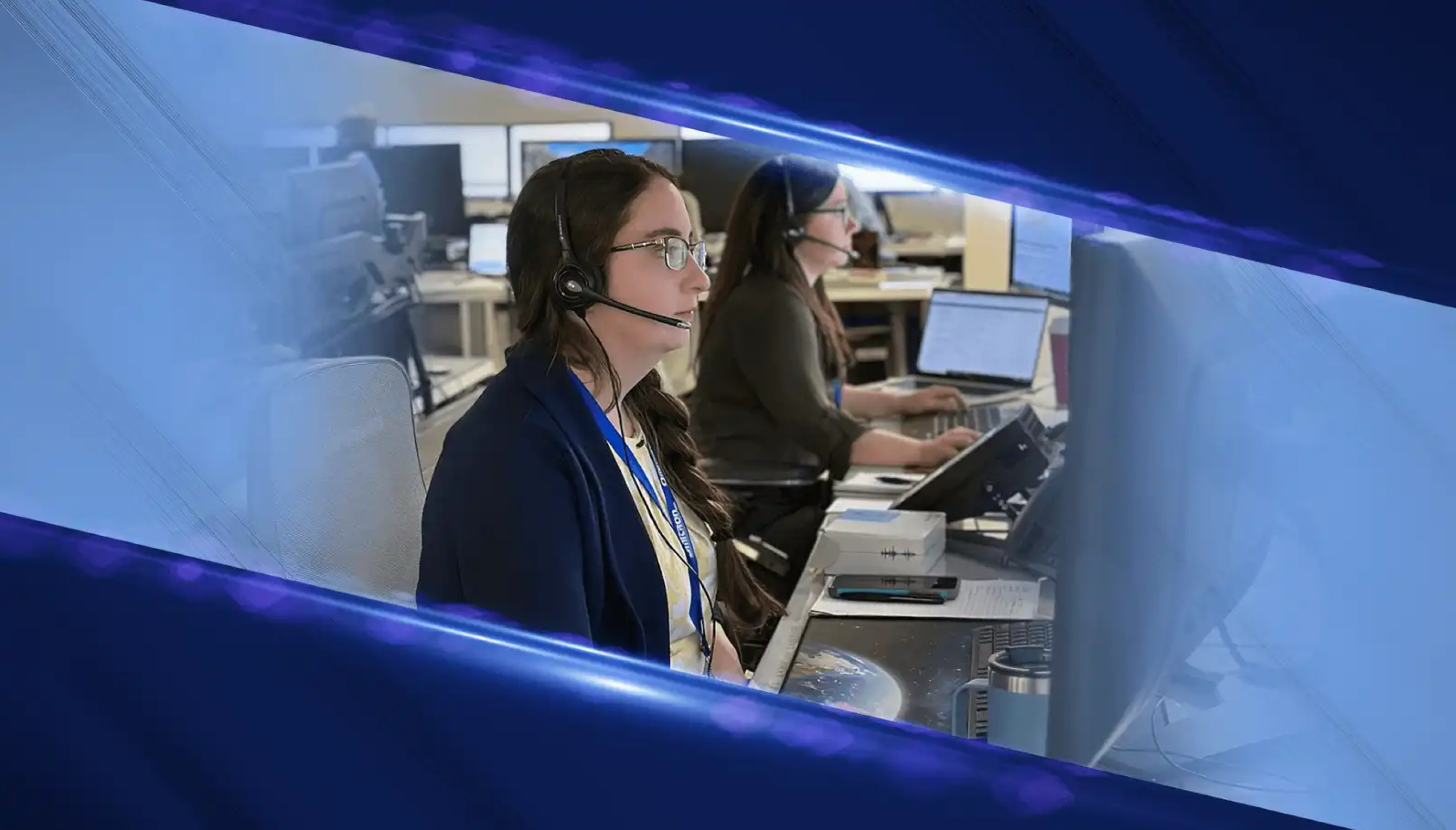
Prior to the mission, navigation engineers at NASA’s Goddard Space Flight Center Flight Dynamics Facility in Greenbelt, Maryland, conducted significant trajectory analysis for the agency’s Moon-bound mission.
The lead behind this effort? Alicia Goldstein — Flight Operations Analyst.
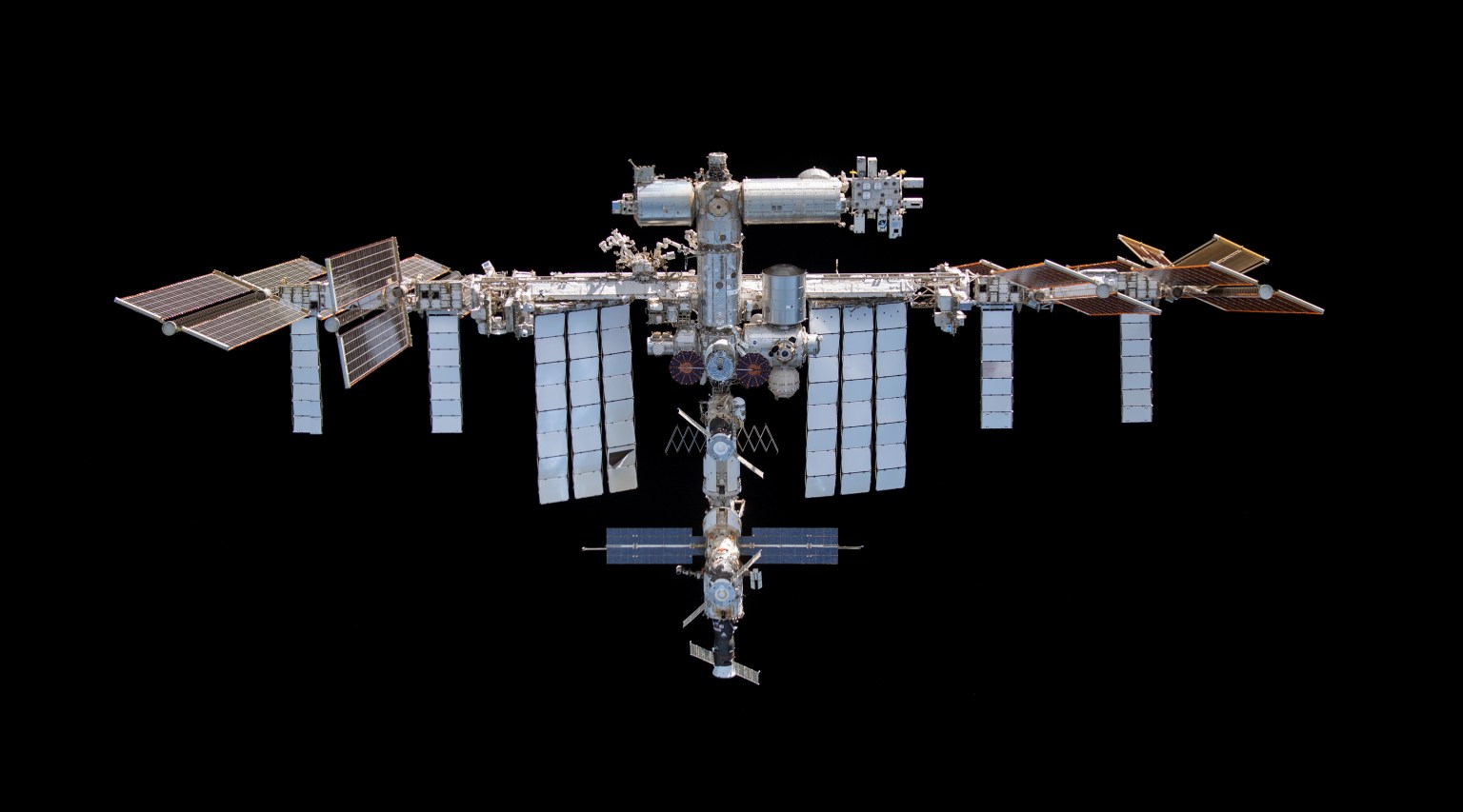
After graduating from University of Maryland Baltimore City in 2016 with a degree in mechanical engineering, Goldstein joined the Goddard’s Flight Dynamics Facility and began tracking missions as they launched. One of her first missions was JAXA’s Kounotori H-II Transfer Vehicle (HTV-6) as it approached the International Space Station in December 2016.
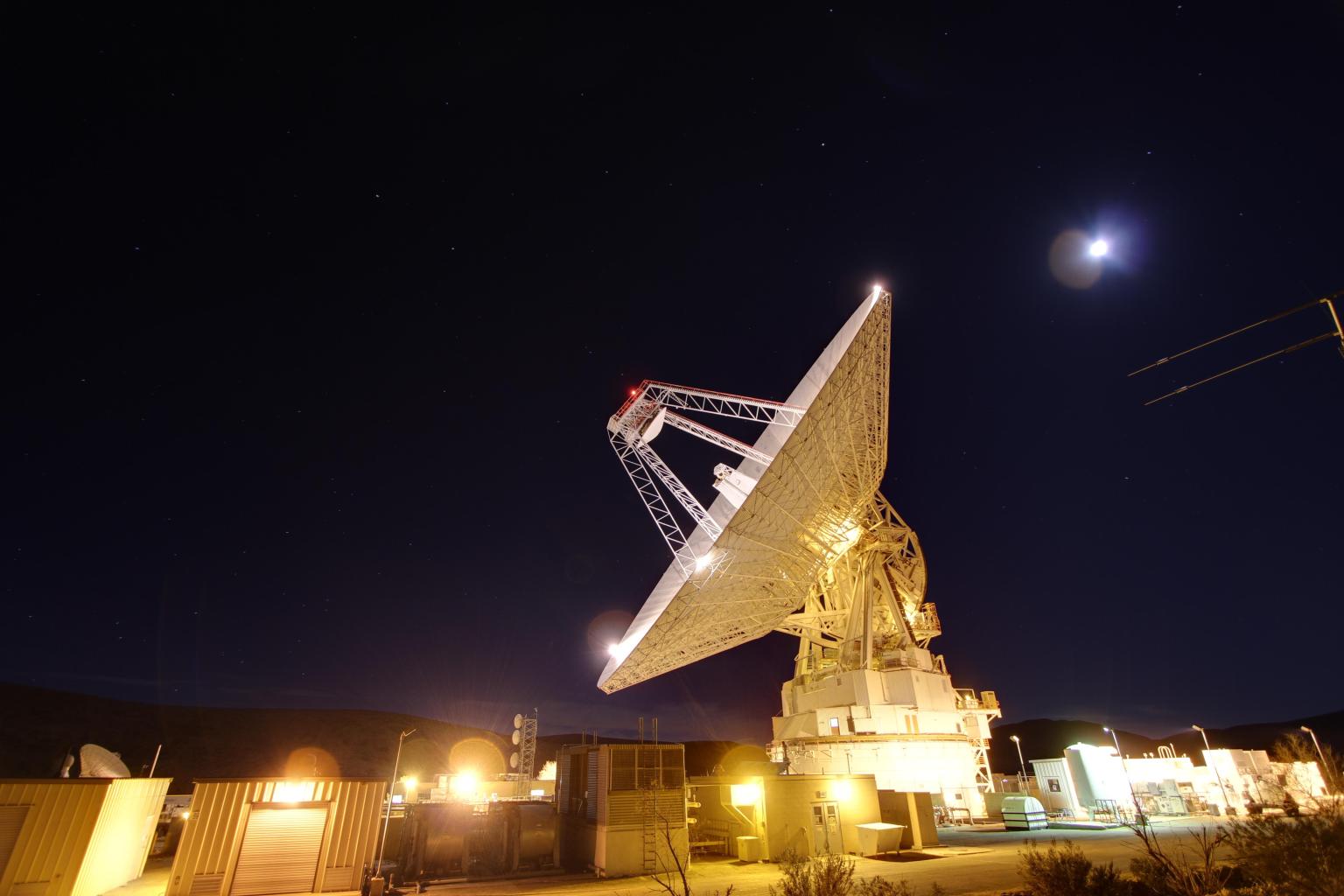
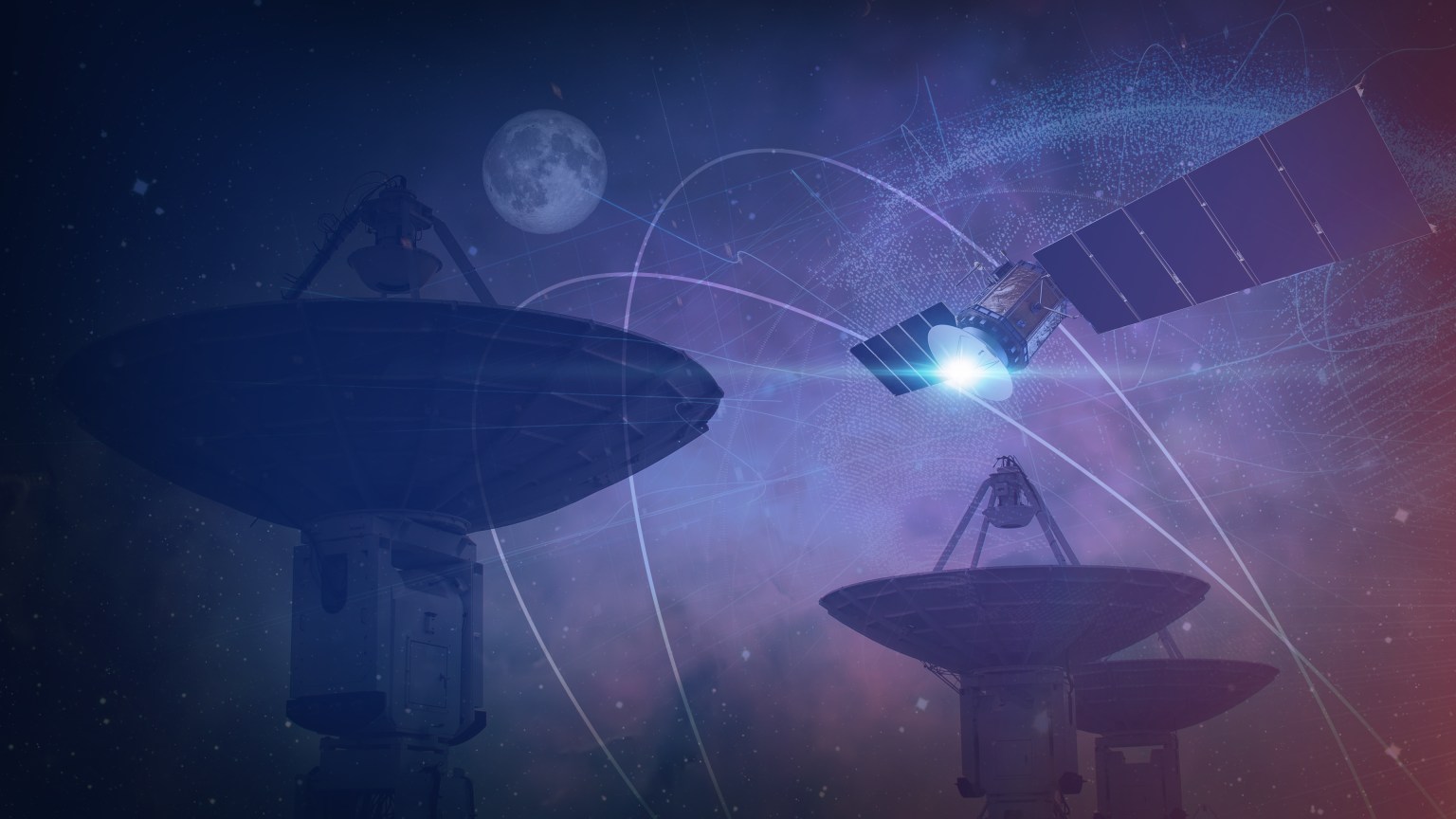
Using data from NASA’s Near Space Network and Deep Space Network, the facility can track where a mission is as it launches and gets to orbit. This operational tracking allows communications assets to stay in contact with the mission and help determine if an unusual orbit placement has occurred and needs to be remedied.
Tracking a mission as it launches is the facility’s specialty.
However, in 2019, Alicia showed the world that the facility can do more than operational tracking. In July 2019, with Orion’s approaching Abort Ascent 2 (AA-2) test, NASA’s Near Space Network needed to assess which ground stations would be able to pick up the mission’s communications signal. Alicia conducted significant analysis to create a tracking strategy for all three vehicle components over multiple ground stations.
Thanks to the success of the Artemis AA-2 effort, the facility was approached for more analysis work on missions like Boeing’s Starliner and SpaceX’s Dragon capsule, which ferry astronauts to and from the International Space Station as part of the Commercial Crew Program.
Using the expertise gained through these efforts, the facility conducted the Artemis I Abort-Once-Around (AOA) analysis. While eventually rendered unnecessary due to Artemis I’s successful launch, this analysis would have ensured the safe return of the uncrewed Orion spacecraft in the unlikely event of a launch abort scenario, where Orion only circled the Earth once before splashing down safely.
Thanks to comprehensive testing of flight and ground systems, contingencies are unlikely — but they must be planned for. Efforts like the Artemis I AOA analyses demonstrate that NASA is putting safety first as we prepare to send humans to the Moon, Mars, and beyond.

Alicia Goldstein
Flight Operations Analyst, NASA Goddard Space Flight Center
Abort analyses like the Artemis AOA use planned trajectories and spacecraft data to determine methods of maintaining communications with the spacecraft throughout its trajectory and inform where a spacecraft or rocket will land if a launch fails. For crewed missions, abort analyses help in the safe recovery of astronauts by providing location information in advance of splashdown and helping to ensure communications with mission control throughout the abort.
Working closely with her counterparts at NASA’s Johnson Space Center in Houston, Goldstein modeled the possible trajectories Orion could take if it needed to abort during different moments of launch. Approximately 28,000 trajectories were modeled for each Artemis I launch date to accommodate subtle changes in flight path and space communications and navigation network assets supporting the mission.
Upcoming analysis for Artemis II includes Abort Once Around and other potential abort scenarios and will be the Flight Dynamics Facility’s most ambitious analysis project to date.
Goldstein is one of many women working in the Flight Dynamics Facility, but it wasn’t always that way.
“When I first started, the team was predominately men. But now, we have a lot more women conducting analysis, writing code, working launch operations, and embracing the STEM field overall,” said Goldstein. “My advice to women wanting to get into STEM is to not listen to the imposter syndrome. We all have it, but you should push past it and pursue your dreams.”
Outside of her analysis and operations work, Goldstein likes to garden and lives with her fiancé and two “wonderfully frustrating cats.”