















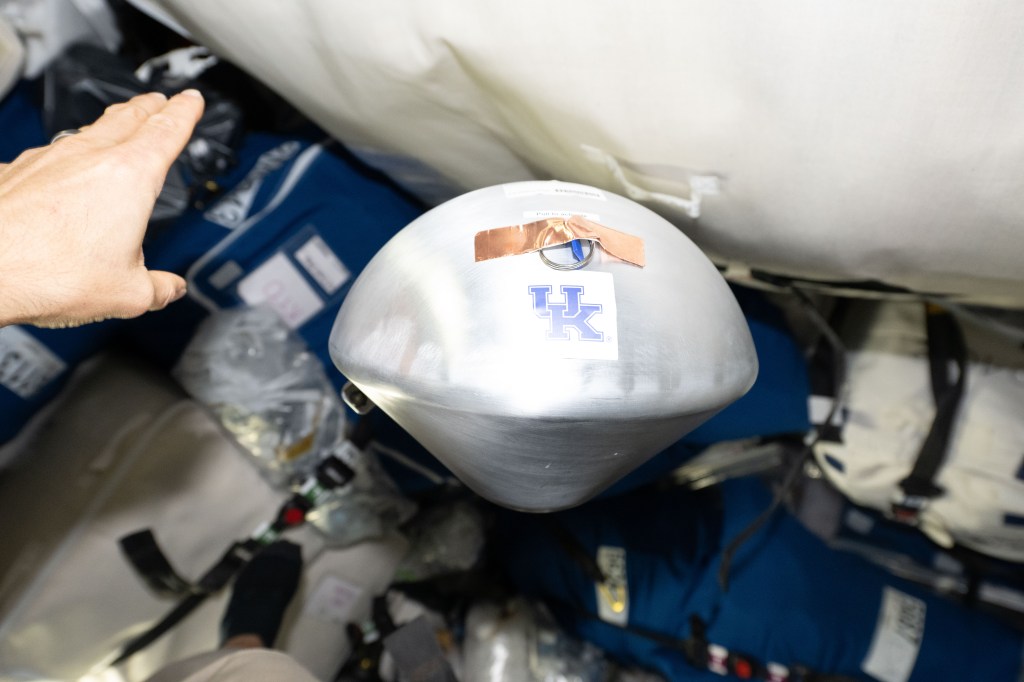







NASA emphasizes the importance of comprehensive astronaut health. Considerations for the protection of astronaut health span a continuum across a mission, including requirements for selecting a healthy crew, preparing the crew for a mission, and continuing to monitor and rehabilitate the crew postflight.
Circadian Desynchrony
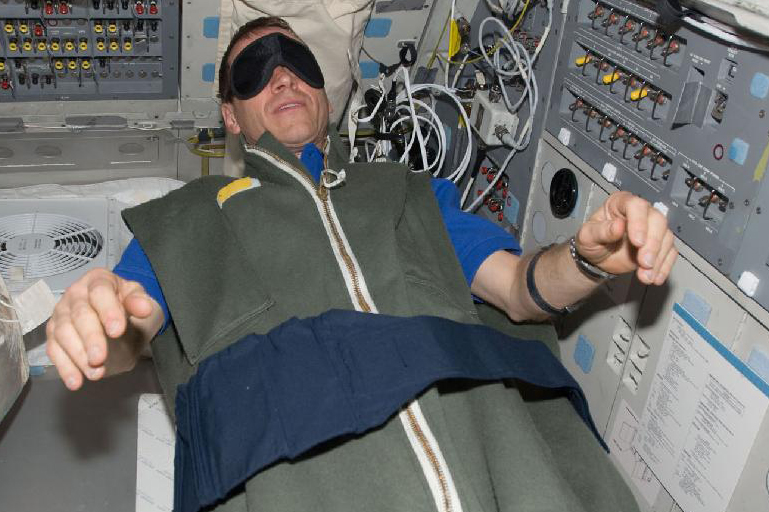
Circadian desynchrony—caused by the misalignment of the body’s internal biological clock with external time cues—can lead to a range of adverse effects, including cognitive impairments (such as inattention, slowed reaction time, poor decision-making, and distraction), metabolic disturbances, and disrupted sleep. Common instances of this phenomenon include jet lag and shift work, where sleep–wake cycles occur at inappropriate circadian phases. To address these challenges, several NASA OCHMO technical requirements outlined in Volumes 1 and 2 of NASA-STD-3001 provide guidance on mitigating the impacts of circadian disruptions on crewmembers.

Crew Medical Support for Entry, Descent, and Landing
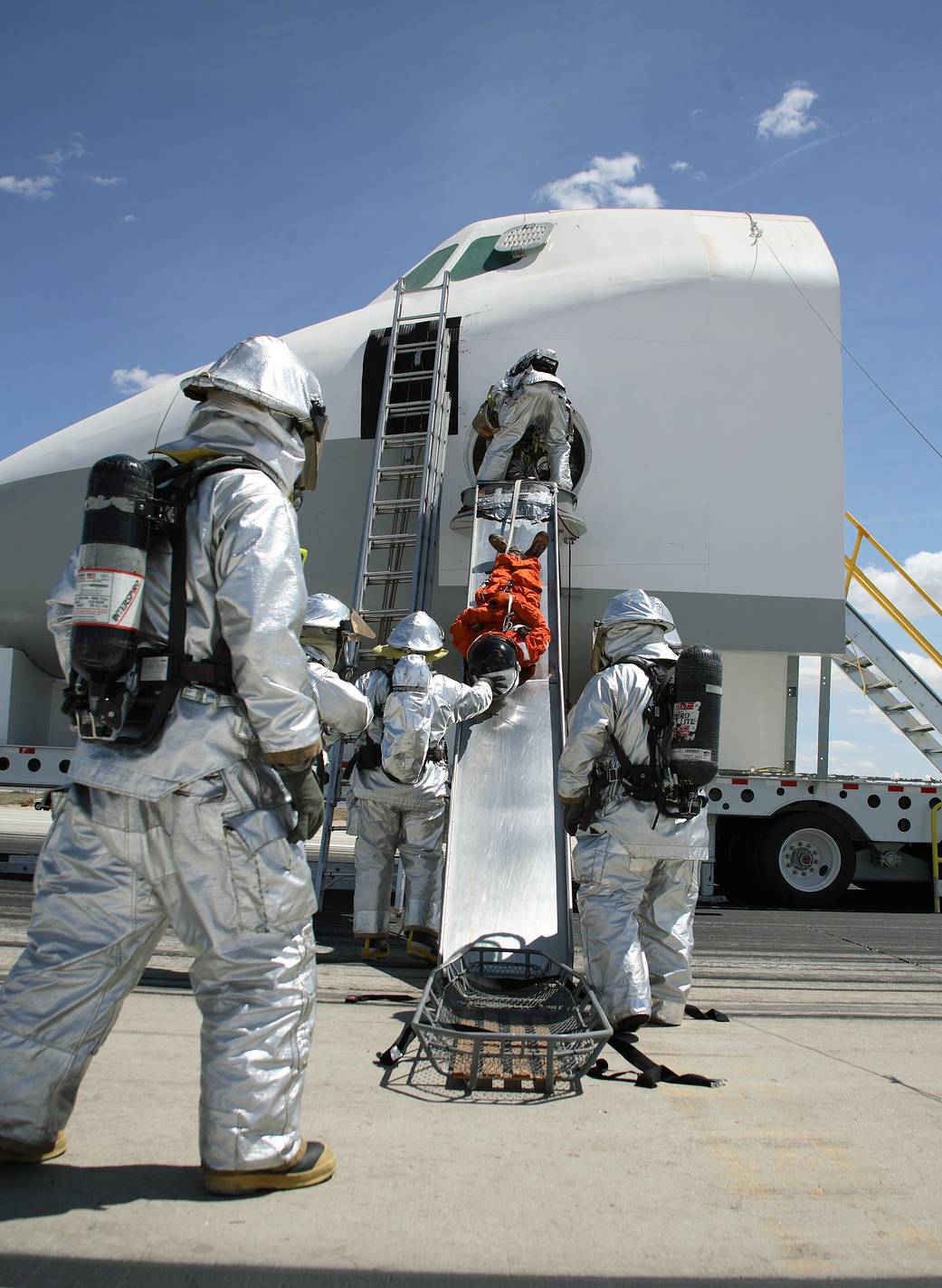
NASA’s Flight Medicine Team delivers comprehensive medical support to crewmembers across all phases of landing, from pre‑return preparation through reentry, descent, touchdown, and post‑landing care. This brief highlights the medical considerations essential for both nominal and off‑nominal landings, including the physiological impacts of spaceflight and the unique stressors of high‑G, high‑heat, and high‑vibration environments.

Crew Selection and Recertification
Crew Selection and Recertification is designed to ensure the health, safety, and occupational longevity of NASA career astronauts. The standards used reflect the medical requirements to successfully complete specific mission tasks and the multifaceted training and performance required. These include, but are not limited to, flying in high-performance aircraft, extreme environment analogs, exposure to hypobaric and hyperbaric conditions, exposure to unique environments (e.g., microgravity), and conducting specialized operations (e.g., extravehicular activities, robotic arm operations).

H. Pylori
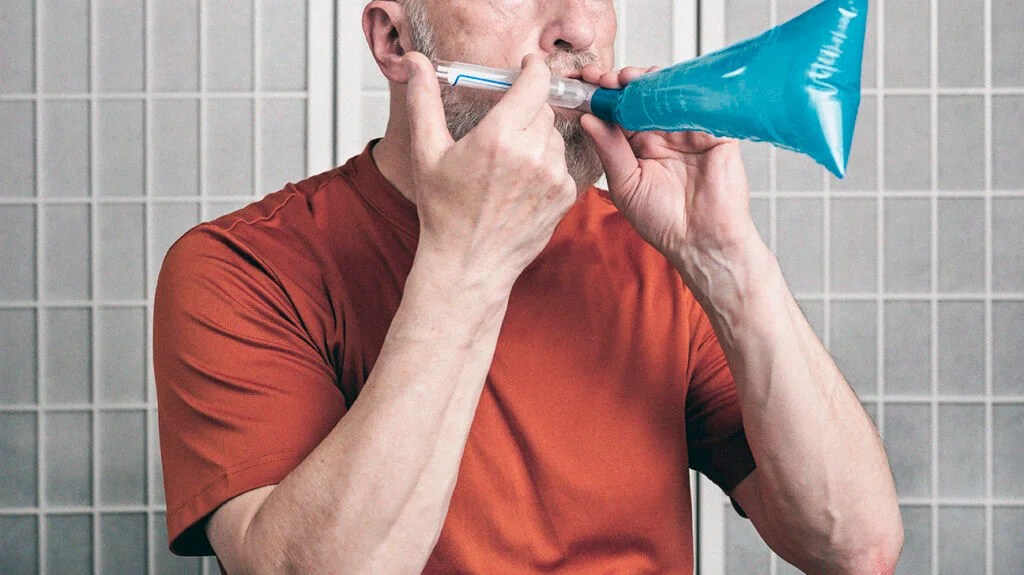
Helicobacter pylori (H. pylori) infection is a bacterial pathogen that is highly prevalent, estimated to colonize about 50% of the world’s population. The seroprevalence rate for antibodies to H. pylori ranges from 17-34% in the United States, 30-50% in Europe, and 87% in developing countries. In developed nations, less than 1% of adults are infected each year. H. pylori gastritis is an infectious disease, even in patients with no symptoms. Epidemiological evidence suggests that allergies, chronic inflammatory disorders, peptic ulcer disease, and gastric cancer are associated with H. pylori infection. The organism is spread by human-to-human contact, and burrow into the mucus layer overlying the gastric epithelial surface, producing bacterial urease, secreting toxins, and subverting host immune defenses. H. pylori eradication reduces the recurrence of gastroduodenal ulcers and virtually eliminates the risk of ulcer rebleeding. Testing and treatment for infection is non-invasive and cost-effective. Astronauts are screened for H. pylori during the first annual exam after selection to the astronaut corps. Those who test positive receive a repeat test within 4-6 weeks to confirm positivity, and subsequent astronauts testing positive receive an accepted treatment regimen.
Health Stabilization Program
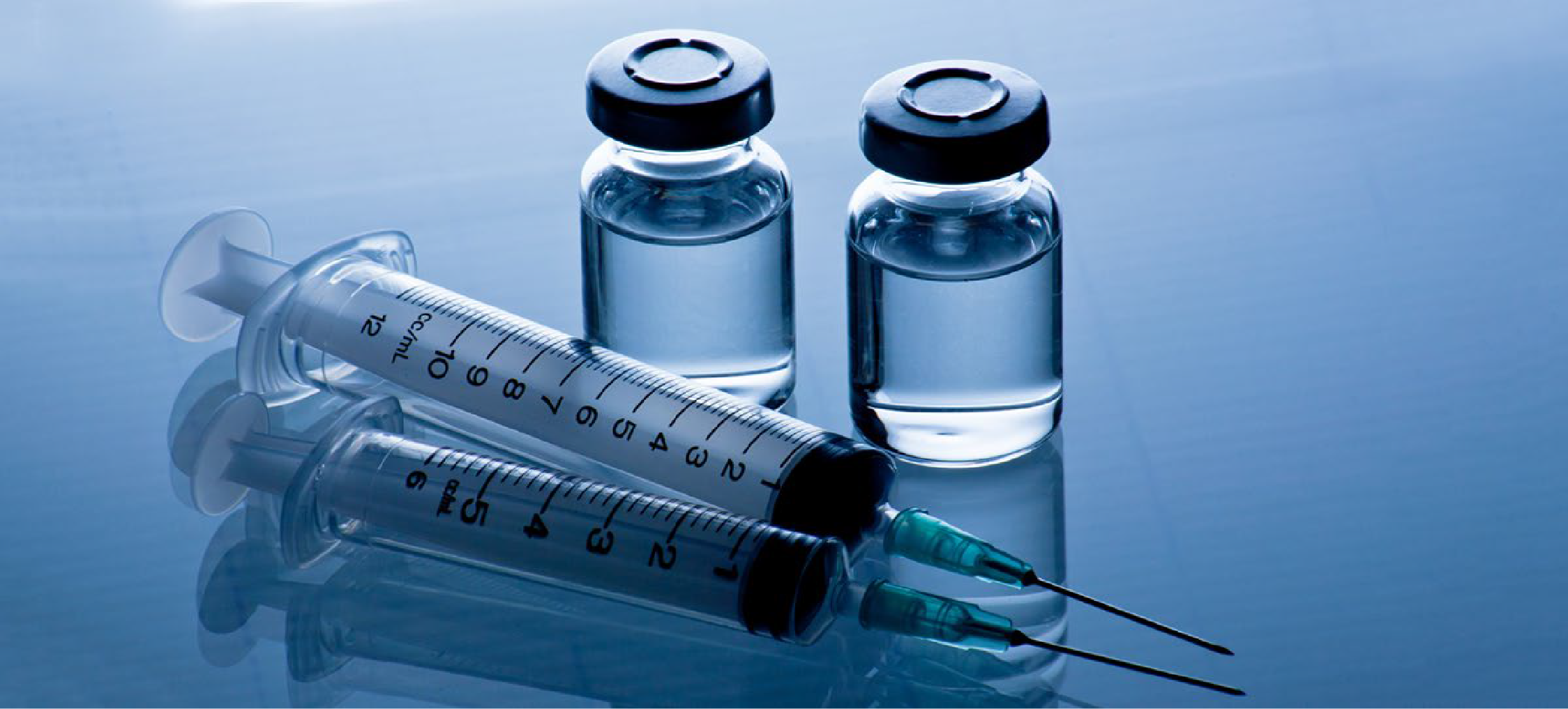
A comprehensive Health Stabilization Program (HSP) is needed for all spaceflight missions to reduce infections pre-flight and prevent subsequent symptoms in-flight. Among other considerations, the increased incidence of infectious diseases in-flight requires additional resources to treat the crew and results in decreased crew performance. A HSP has been implemented since the Apollo 14 mission and has led to substantial mission success. The two biggest components of the HSP are preflight immunizations and quarantine. Through a combination of these two factors, in-flight infectious diseases (especially upper respiratory and enteric infections) can be mitigated. Current NASA/JSC protocol mandates the HSP begin 14 days prior to launch. If the crew will not be in space for a considerable amount of time (e.g., less than 1 day), an extensive HSP may not be as critical when compared to a longer-duration mission (e.g., Shuttle or ISS). However, physical contact between non-HSP and HSP crew must be considered. The HSP can only be successful if there is full participation by all inflight physical contacts of the crew.
Longitudinal Health Surveillance
Longitudinal Health Surveillance (LHS), known at NASA as Occupational Surveillance, includes the medical procedures and actions taken to ensure the in-mission and long-term health of the astronaut. It also provides a mechanism to document any observed spaceflight-associated changes. LHS includes a wide variety of health related topics that are performed pre-, in-, and post-mission. Training, countermeasures, and post-mission reconditioning should all be employed to help the crewmember achieve, maintain, and recoup their maximal health status. In addition, pre-mission measures help to reduce the need for more extensive in-mission medical care, as well as mitigate the risks of spaceflight. By taking a prevention approach rather than a reactionary approach, total onboard resources and required mission capabilities can be lessened.
Medical Operations
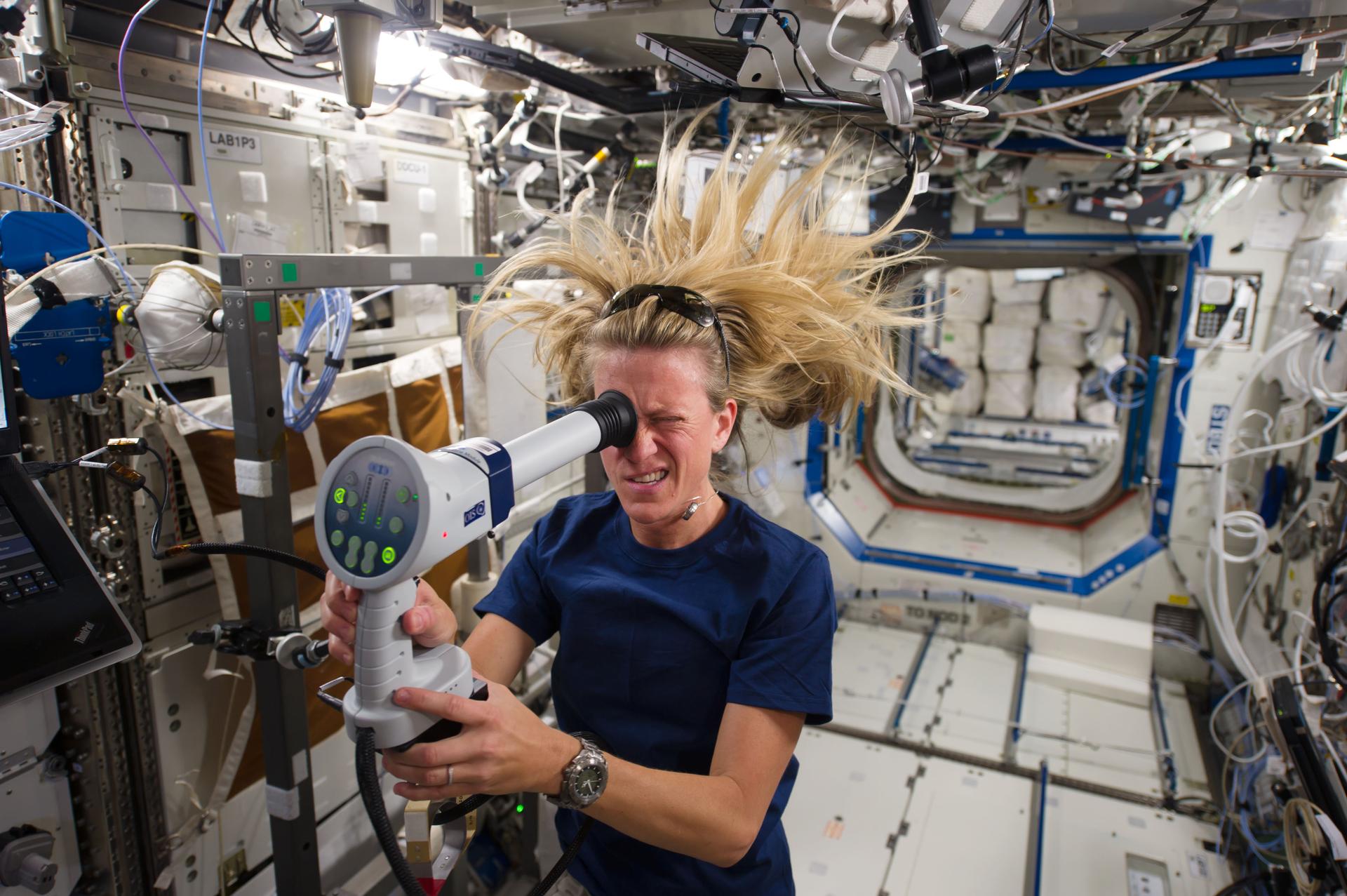
Maintaining human health and performance during spaceflight missions is essential to achieving mission success. Having the appropriate medical operations plans and support in place pre, in-, and post-flight is key.

Mortality Related to Human Spaceflight
Despite screening, health care measures, and safety precautions, crewmember fatalities are possible during spaceflight. Programs must establish comprehensive plans that make the appropriate decisions in terms of protecting the crew and mission objectives, determining the cause of death, and handling of the remains with dignity, honor, and respect while working with the crew’s families, other federal agencies, and international partners, while respecting the spiritual, religious, and cultural aspects of remains handling. A spaceflight-related fatality event may occur during any operational mission phase (pre-flight, inflight, or postflight).

Pharmaceuticals and Medications
Pharmaceutical Care refers to the dispensing of drug therapy to achieve outcomes that improve a patient’s quality of life including management of a medical condition, elimination or reduction of patient symptomatology, and stopping or slowing disease progression or illness. The spaceflight environment leads to a host of factors that must be considered when choosing treatment, including anticipating medication needs to establish an optimal formulary, pharmaceutical shelf life and time to resupply, medication degradation and impurity considerations, and effective packaging. Vehicle constraints include weight and volume limits, storage, and inventory systems. Physiological considerations include alterations of pharmacokinetics and pharmacodynamics, response to gravity transitions, vibration, and radiation exposure. Low Earth Orbit (LEO) experience and studies have not shown changes in medication stability, dosing, or effectiveness leading to poor health outcomes. Further study is taking place regarding medication use and challenges during longer duration spaceflights beyond LEO.

Shoulder Injury Overview & Treatment Guidance
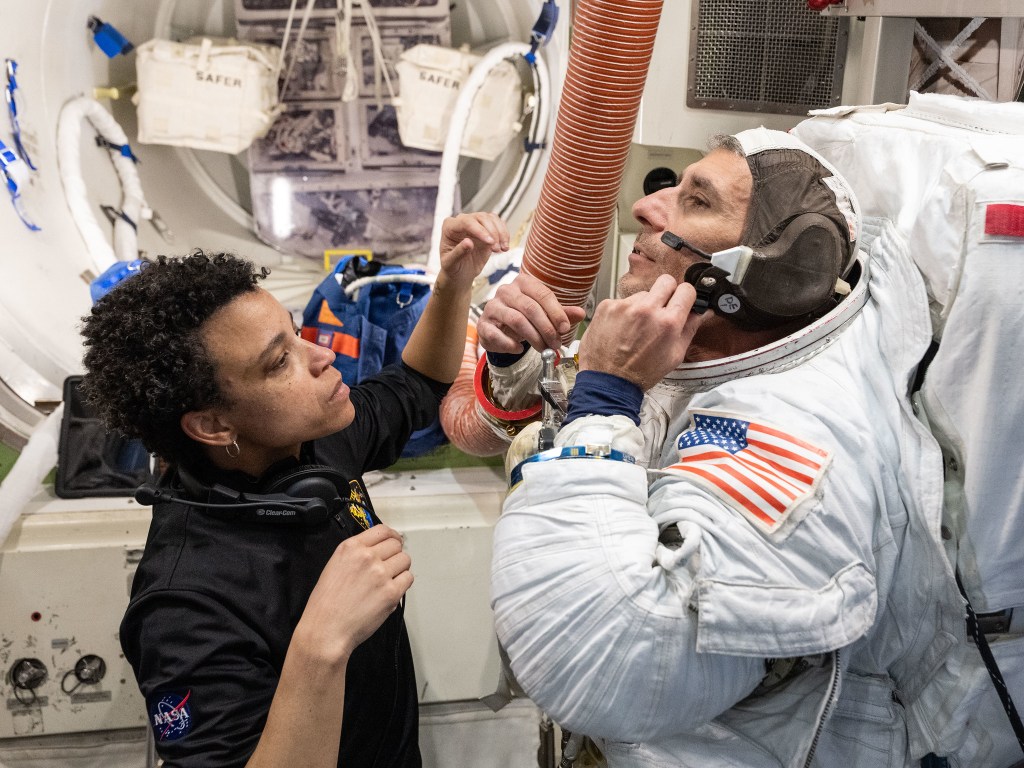
Shoulder pain is among the most common musculoskeletal complaints in the general population, after low back pain. Being the joint with the greatest range of motion, the shoulder often compromises stability for mobility and relies heavily on ligaments and muscles for steadiness and proper function. Because it lacks bony stability, it is the most common joint in the body to have dislocations, and the prevalence of accompanied disability is approximately 20%. Astronauts in particular have experienced a significantly higher number of these injuries from shoulder overuse as a result of the rigid biomechanics of wearing extravehicular activity (EVA) suits during training activities. These injuries may often adversely impact the performance of crew members making early detection and treatment a priority in order to minimize long term and permanent disabilities in addition to preventing the need for surgery.
Spaceflight Experience and Medical Care
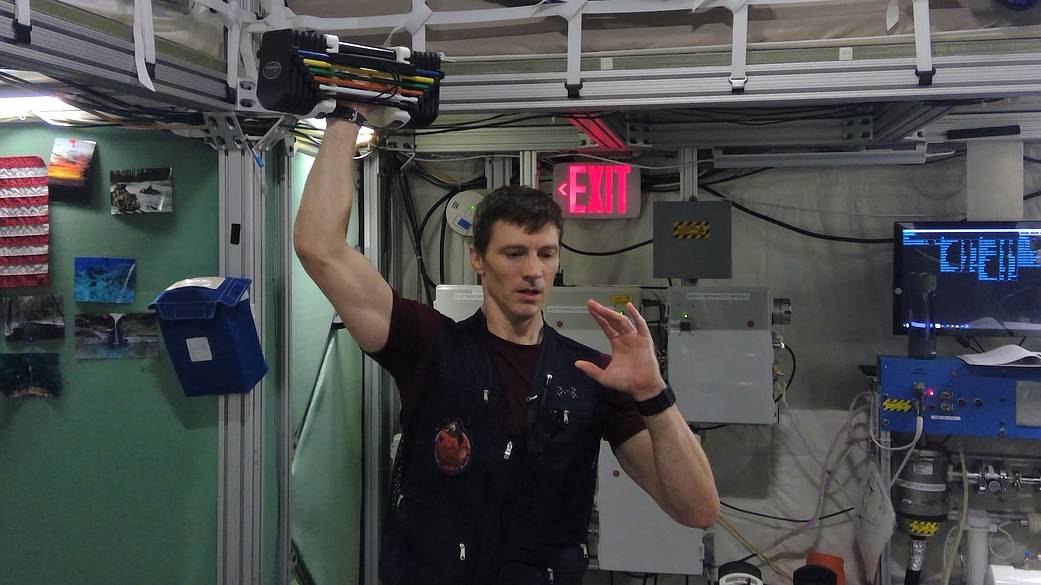
Regardless of mission length or objectives, all human spaceflight requires some degree of inmission medical support. The transition from a gravitational environment to microgravity, coupled with living in a closed-loop environment, can result in variable physiological effects and health risks. For example, anticipated physiological impacts of the microgravity environment include fluid redistribution and subsequent head congestion, particularly during the space adaptation phase. Such effects typically occur within a predictable timeframe and will affect all crewmembers to some degree. To ensure mission success and a positive spaceflight experience, known physiological effects of the spaceflight environment must be anticipated and mitigated where possible. Integration of varied strategies, including crew selection processes, premission quarantine, in-mission medical capabilities, and ground medical support, are necessary to ensure crew health and optimal performance. Simultaneously, vehicles must be designed to optimize crew health and performance and accommodate any necessary medical capabilities, equipment, crew training, and physical space. The knowledge and tasking of medical actions can be distributed among crewmembers, medical devices or aids, artificial intelligence systems, robotic systems, or similar. Additionally, incorporating ground medical support is key to many medical capabilities during flight and requires streamlined integration of variable technologies, ground communications, and support systems. Integration of these systems enables the provision of medical care and ensures crew health during a mission.
Spaceflight Toxicology
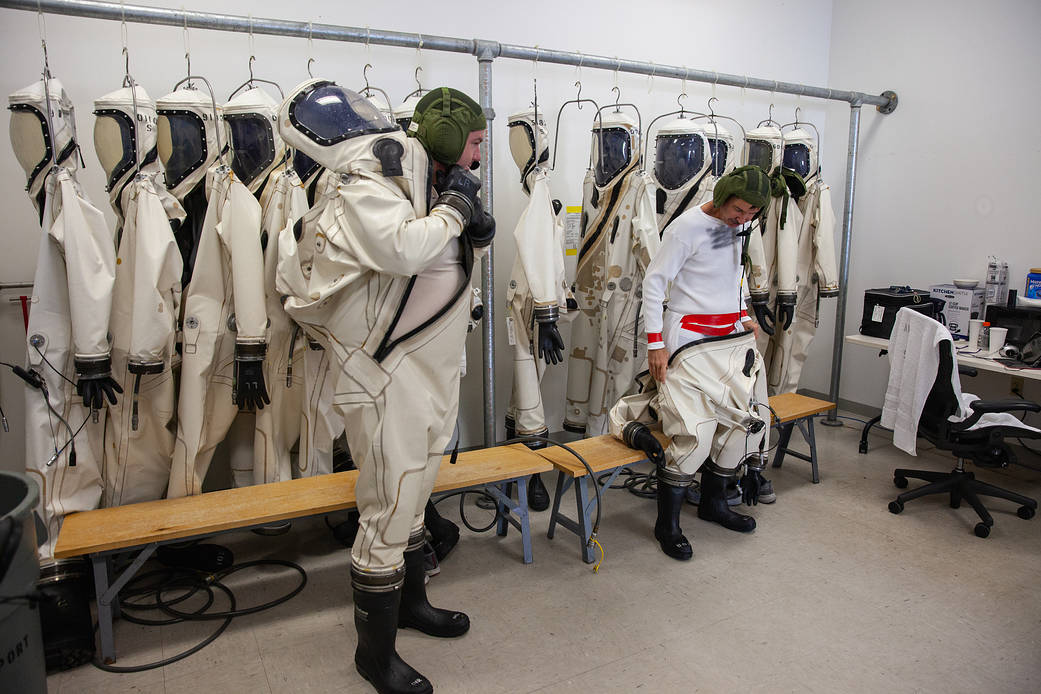
Safe, breathable air is essential for crew health. Human spaceflight has experienced toxicological events ranging in severity from trivial to life-threatening. Toxic exposure to chemical contaminants can originate from system leaks, payload leaks, pyrolysis of polymeric materials, off-gassing of polymeric materials, use of utility compounds, propellant entry, microbial products, and human metabolism. To ensure crew safety, NASA has developed a set of spaceflight-specific air quality guidelines called Spacecraft Maximum Allowable Concentrations (SMACs) to define levels to which air pollutants must be controlled to ensure no adverse effects. Furthermore, the system must include the ability to control/prevent contamination, monitor contaminants, provide crew with appropriate Personal Protective Equipment (PPE) and mitigate contamination, including cleaning affected surfaces and treating crewmembers, should an event occur.
Strength & Performance for EVA
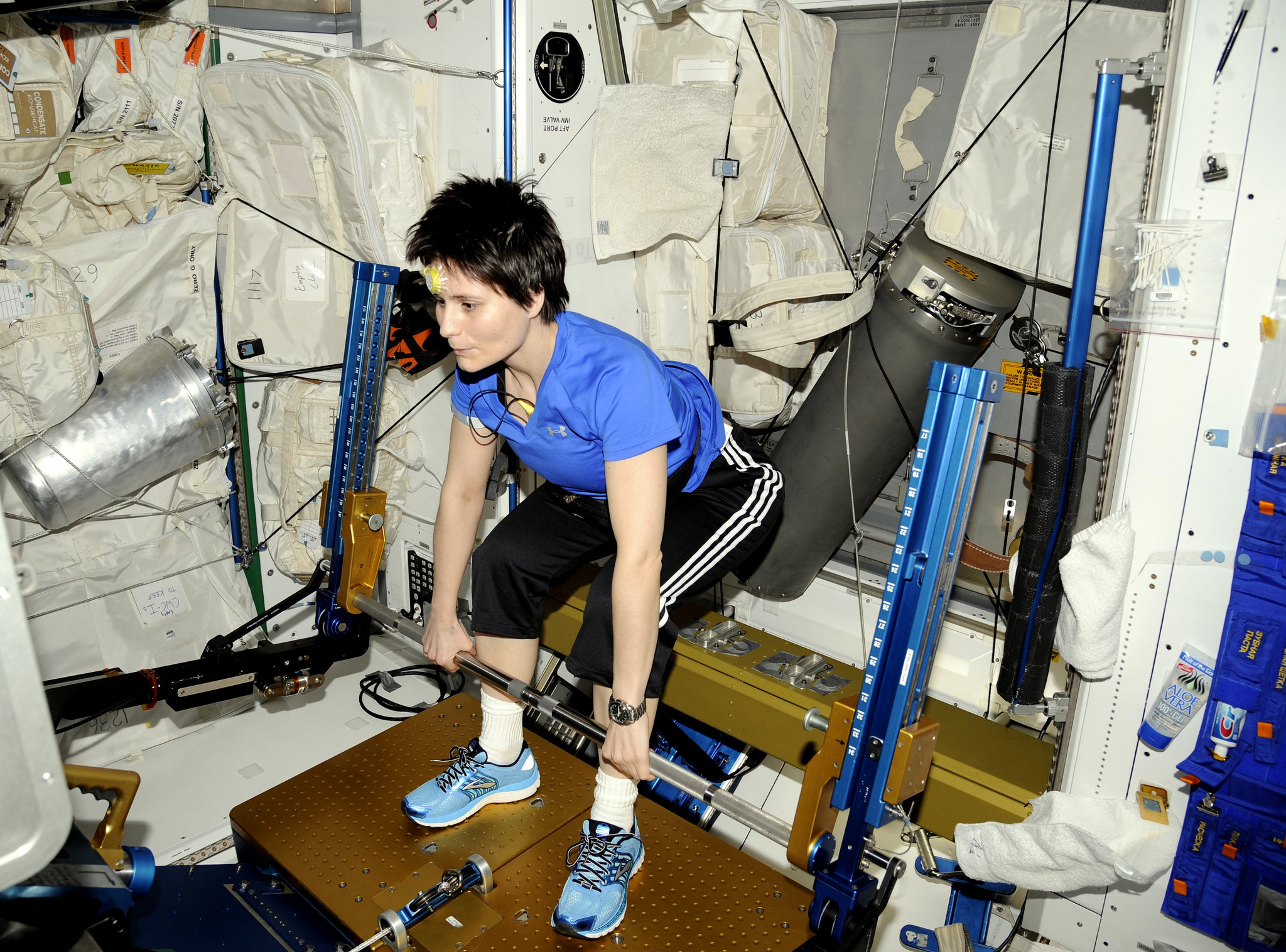
This technical bulletin establishes the calculation guidance for crewmember pre-flight muscle strength requirements by translating mission-critical task thresholds into predictive bench press, deadlift, isometric mid-thigh pull, and isometric bench press values. Utilizing correlated data from simulated mission tasks, the provided methodology integrates individual body weight, suit mass, and environmental gravity to accurately determine necessary strength standards for extraterrestrial EVA and contingency operations.
Venous Thromboembolism (VTE)
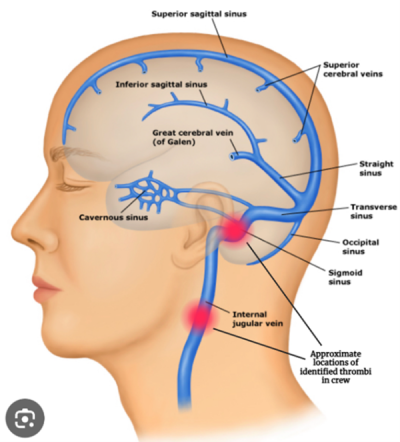
Altered blood flow has been identified in the internal jugular veins (IJVs) of crewmembers concomitant with vessel distension. Inflight ultrasound has revealed that flow in the left IJV may be: (a) antegrade but with lower rates than terrestrial norms, (b) stagnant, and/or (c) retrograde. In rare cases, a thrombus formation has been discovered in the left IJV of a crewmember.
Waivered Health Conditions
NASA astronaut applicants undergo a thorough medical examination and screening process prior to being selected as astronauts. During the initial selection process, applicants are screened for a list of disqualifying health conditions per OCHMO-STD-100.1A and are eliminated from the selection process with no possible waivers considered. Astronauts, once selected, complete a yearly recertification exam ensuring maintenance of health and fitness required for spaceflight.