





















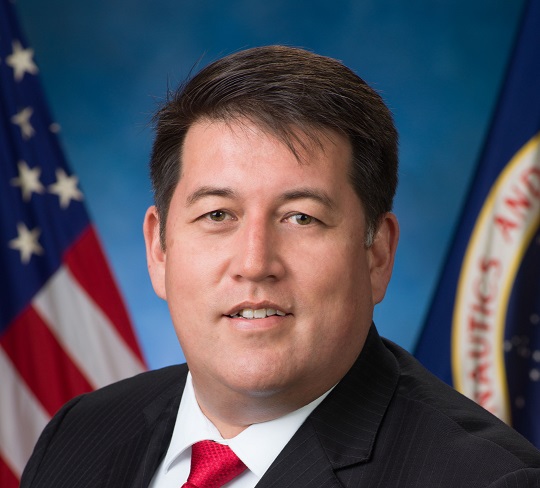
Michael Stenger
Chief Scientist, Human Research Program
Michael Stenger serves as the chief scientist for NASA’s Human Research Program (HRP), providing scientific leadership to guide the research portfolio that protects astronaut health and performance during and after human exploration missions. In this role, Stenger shapes HRP’s integrated research strategy, ensures scientific rigor across the program, and advances cross‑disciplinary efforts to understand and mitigate the human risks of spaceflight.
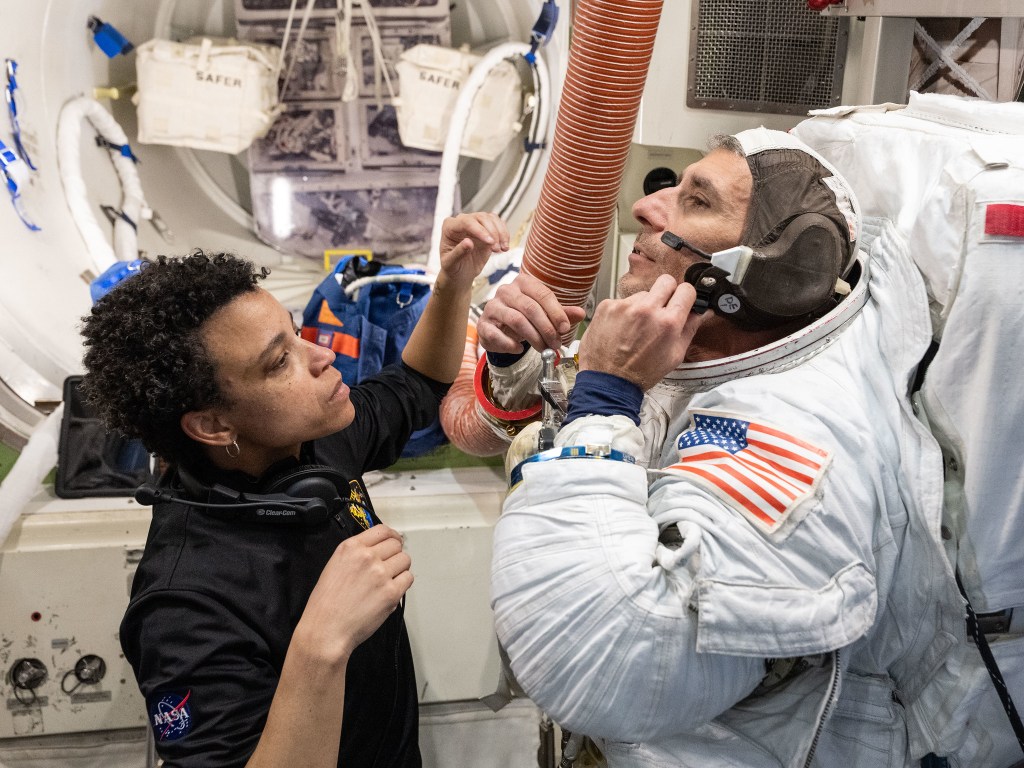
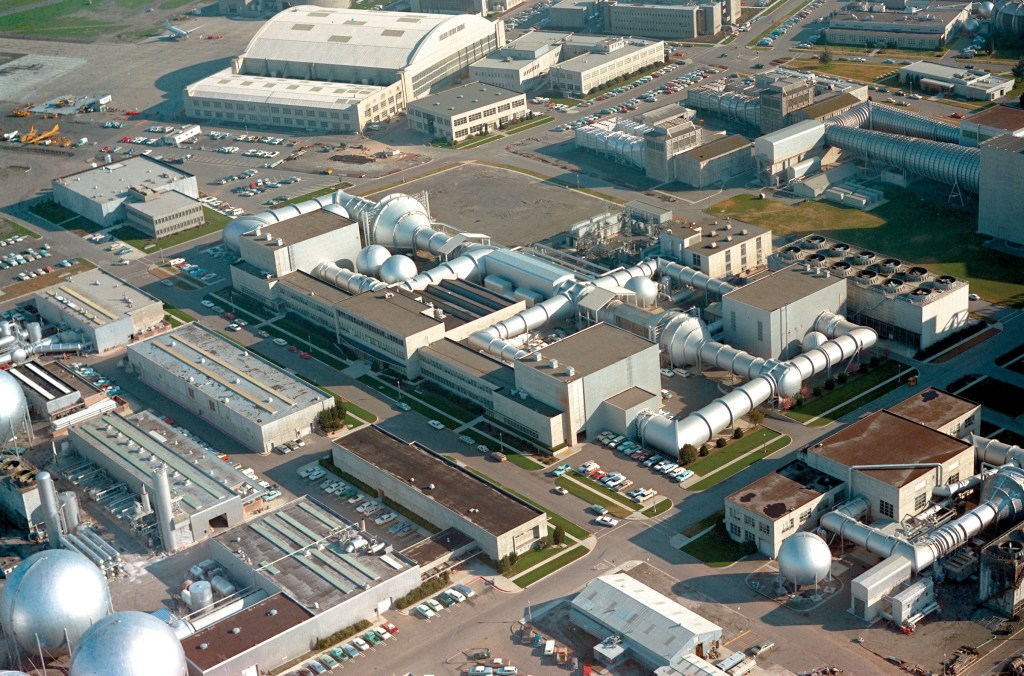
Stenger began his NASA career as a graduate student at Ames Research Center, investigating artificial gravity as a countermeasure for spaceflight‑induced cardiovascular deconditioning. He joined NASA’s Johnson Space Center in 2006 as a senior engineer in the Cardiovascular and Vision Laboratory, later serving as laboratory director, where he oversaw research on cardiovascular, ocular, and neurological adaptation to microgravity.
Throughout his career, Stenger has held multiple scientific leadership roles within HRP—including lead scientist for the Research Operations & Integration Element and for the Human Health Countermeasures Element—where he guided research addressing major human system risks and helped develop evidence‑based approaches for protecting astronaut health on long‑duration missions.
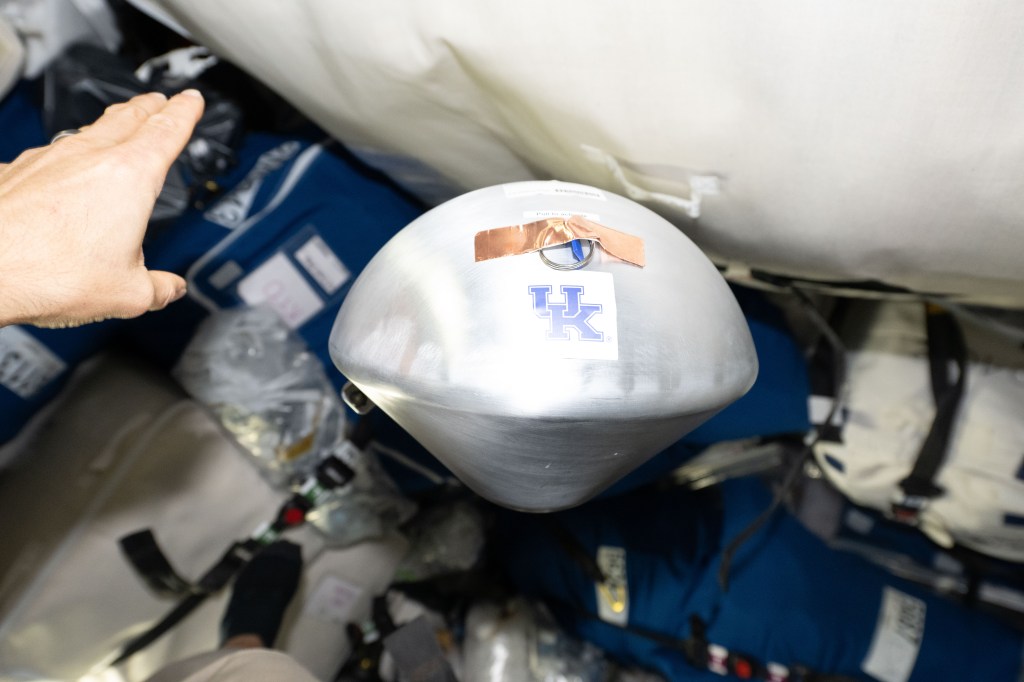
Stenger holds bachelor’s degrees in chemical engineering and chemistry and a doctorate in biomedical engineering from the University of Kentucky.
Human Research Program Leadership

David Baumann
Director

Michael Stenger
Chief Scientist
Karen D. Pickering
Deputy Director
Steven Platts
Senior Program Scientist
Baraquiel Reyna
Manager of the Science Integration Office

Carol Mullenax
Manager of the Program Planning and Control Office

Jancy McPhee
International and Commercial Strategist

Cherie Oubre
Project Scientist, Science Integration Office