



Become An Astronaut
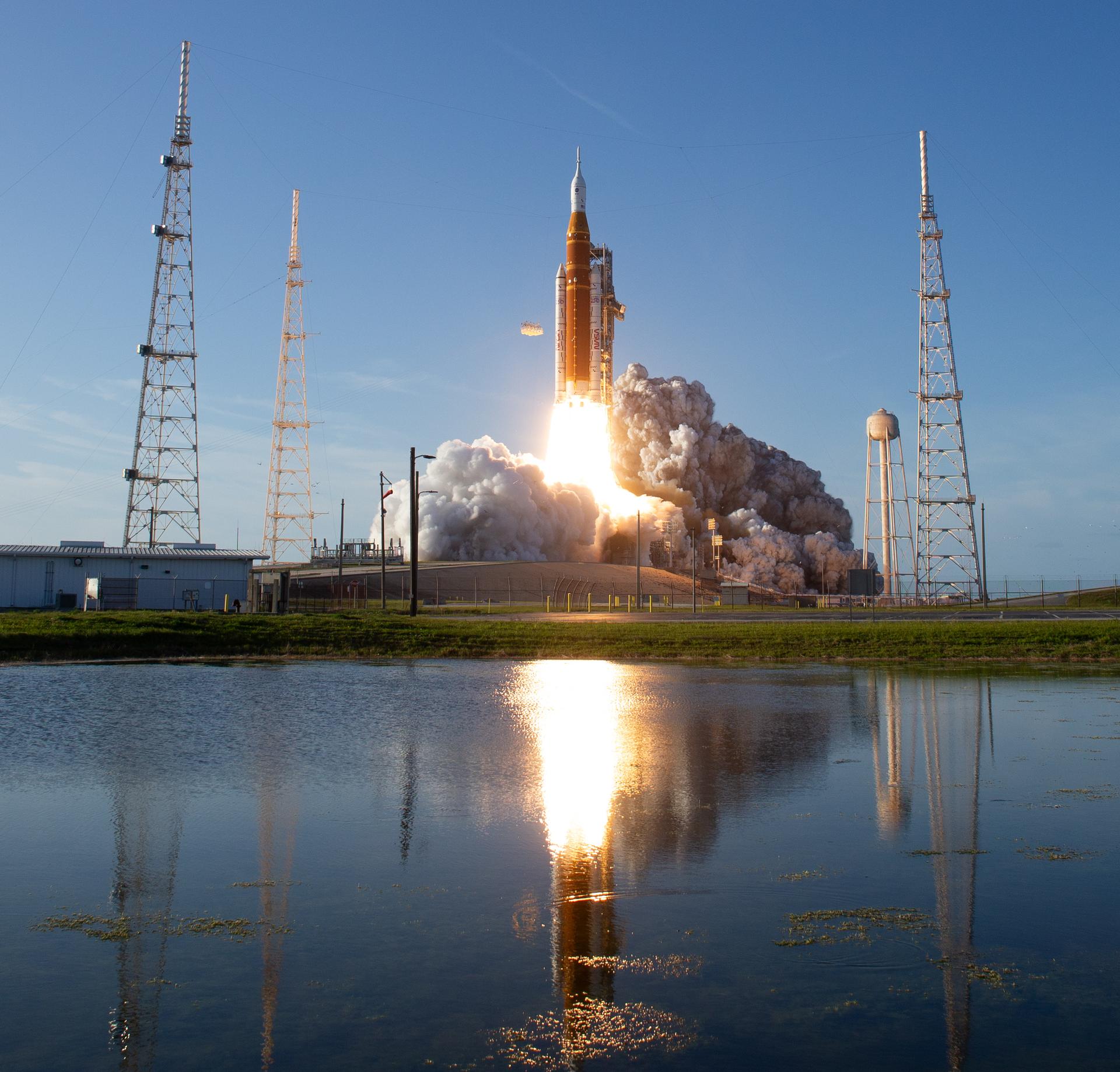
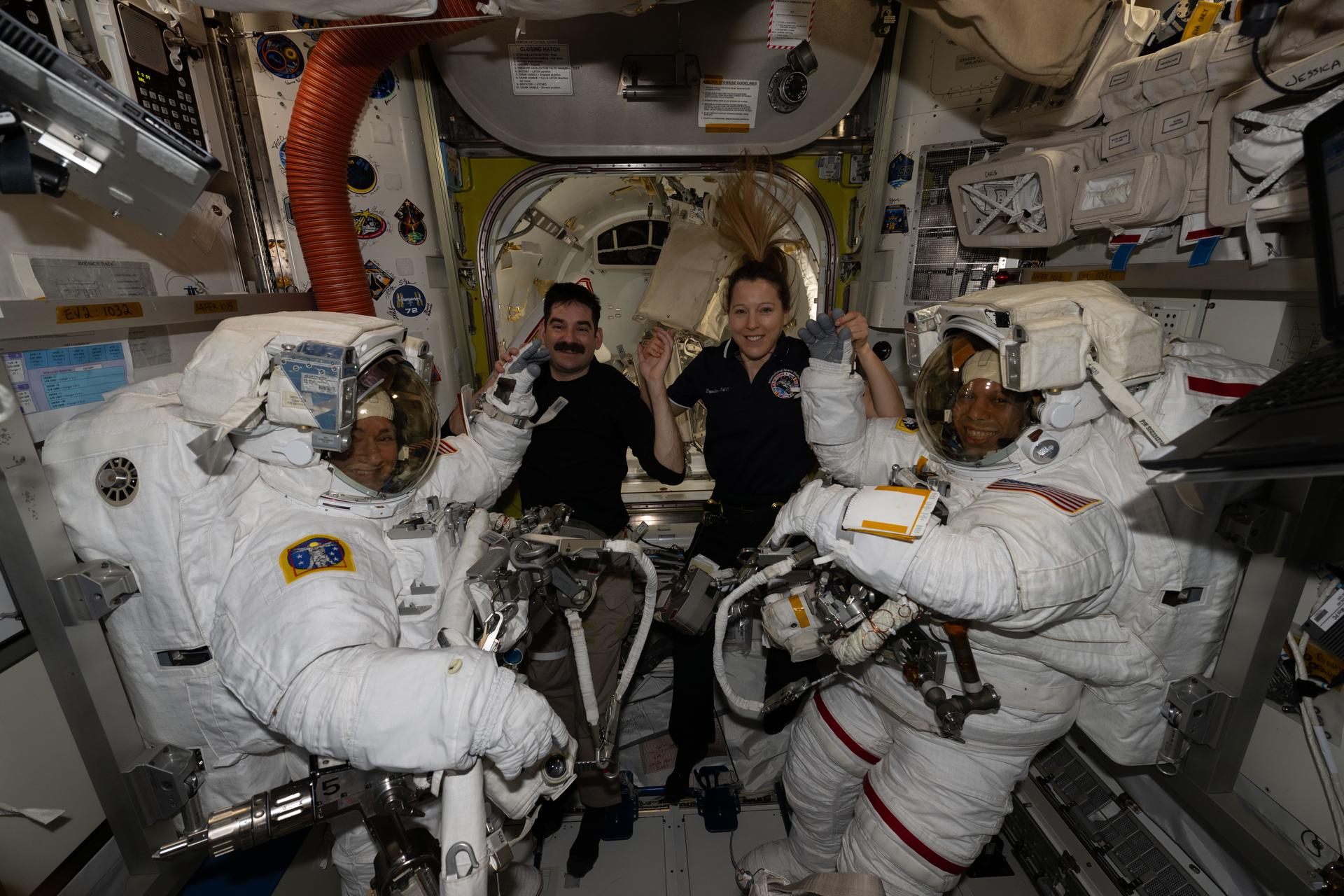
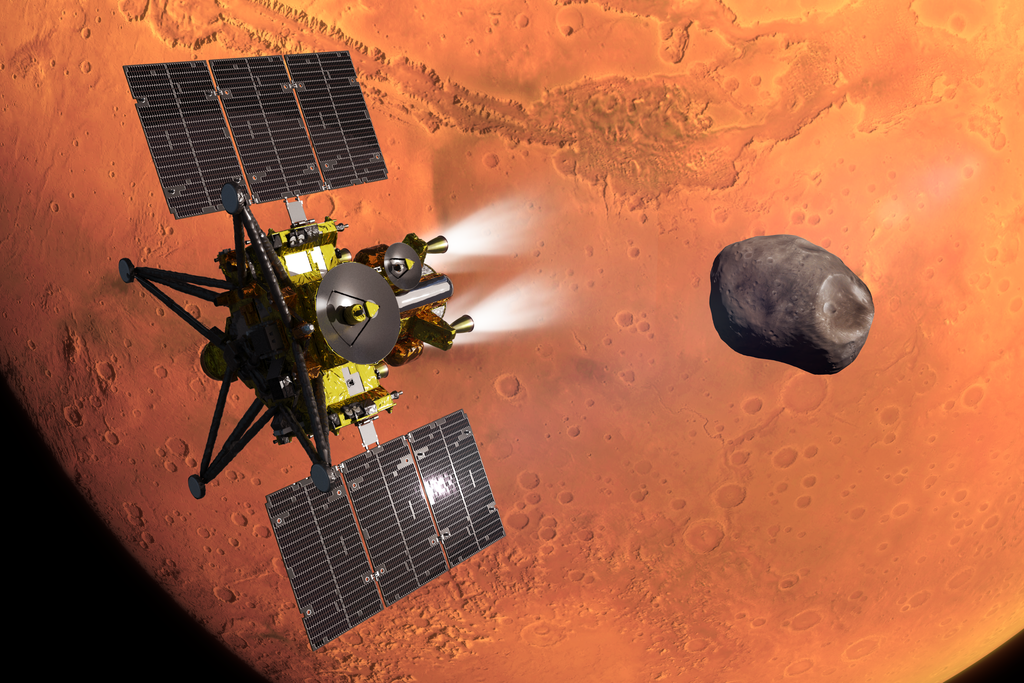
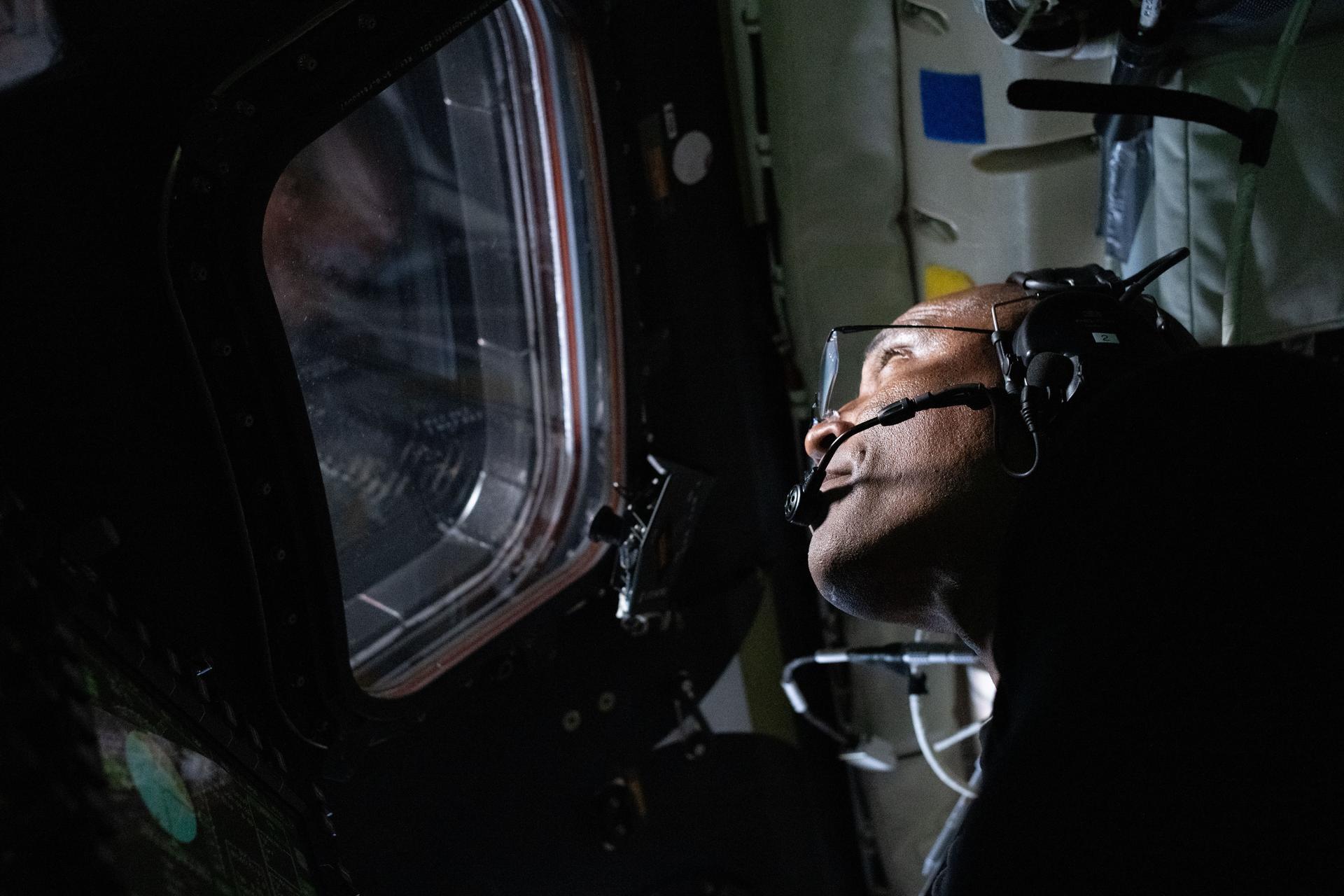
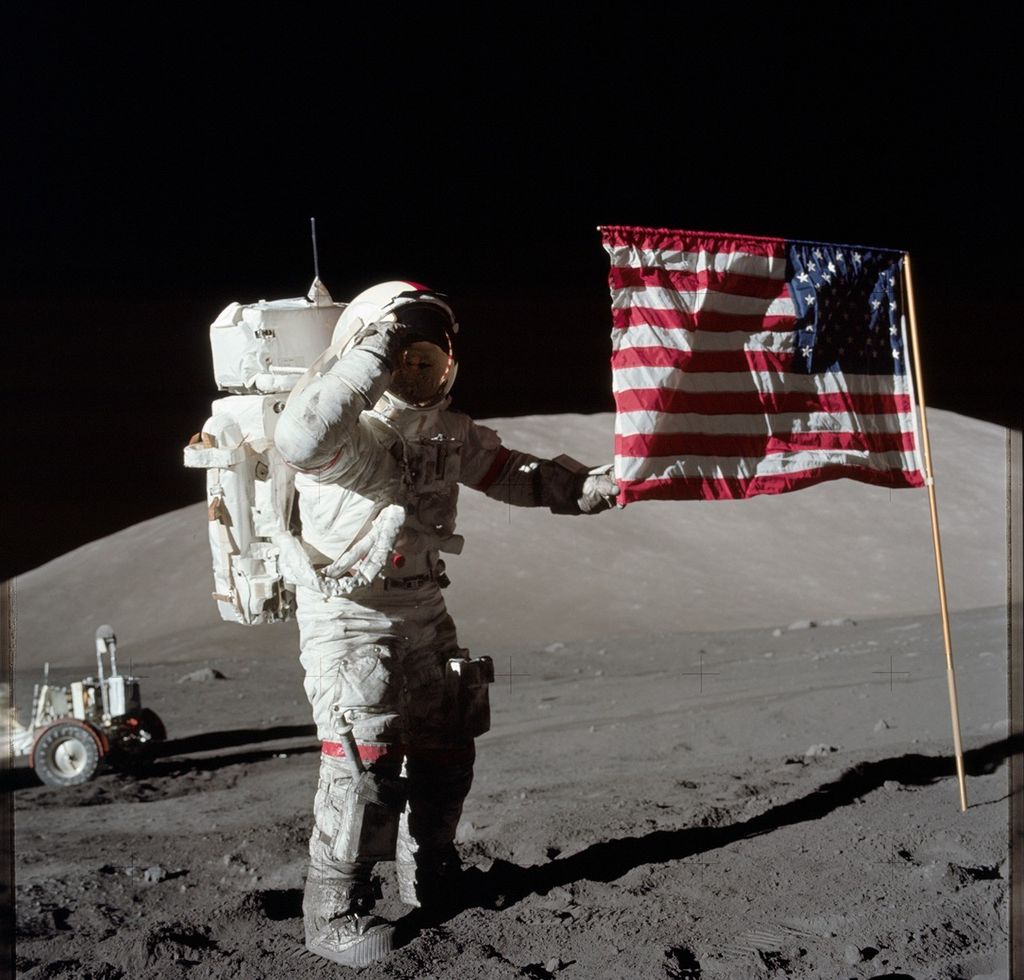
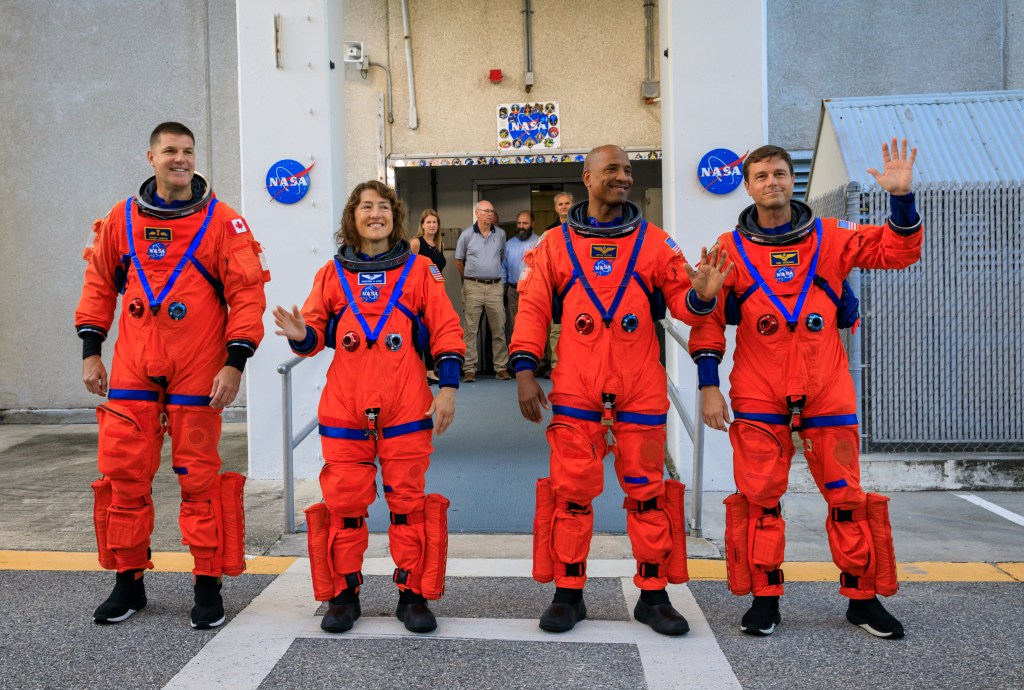
NASA astronauts have been traveling to space for more than six decades and living there continuously since 2000. Now, NASA’s Artemis program is preparing to land the first woman and the next man on the Moon. The Orion spacecraft atop the Space Launch System (SLS) rocket will carry humans farther into space than they have gone before—for missions to the Moon and eventually to Mars.
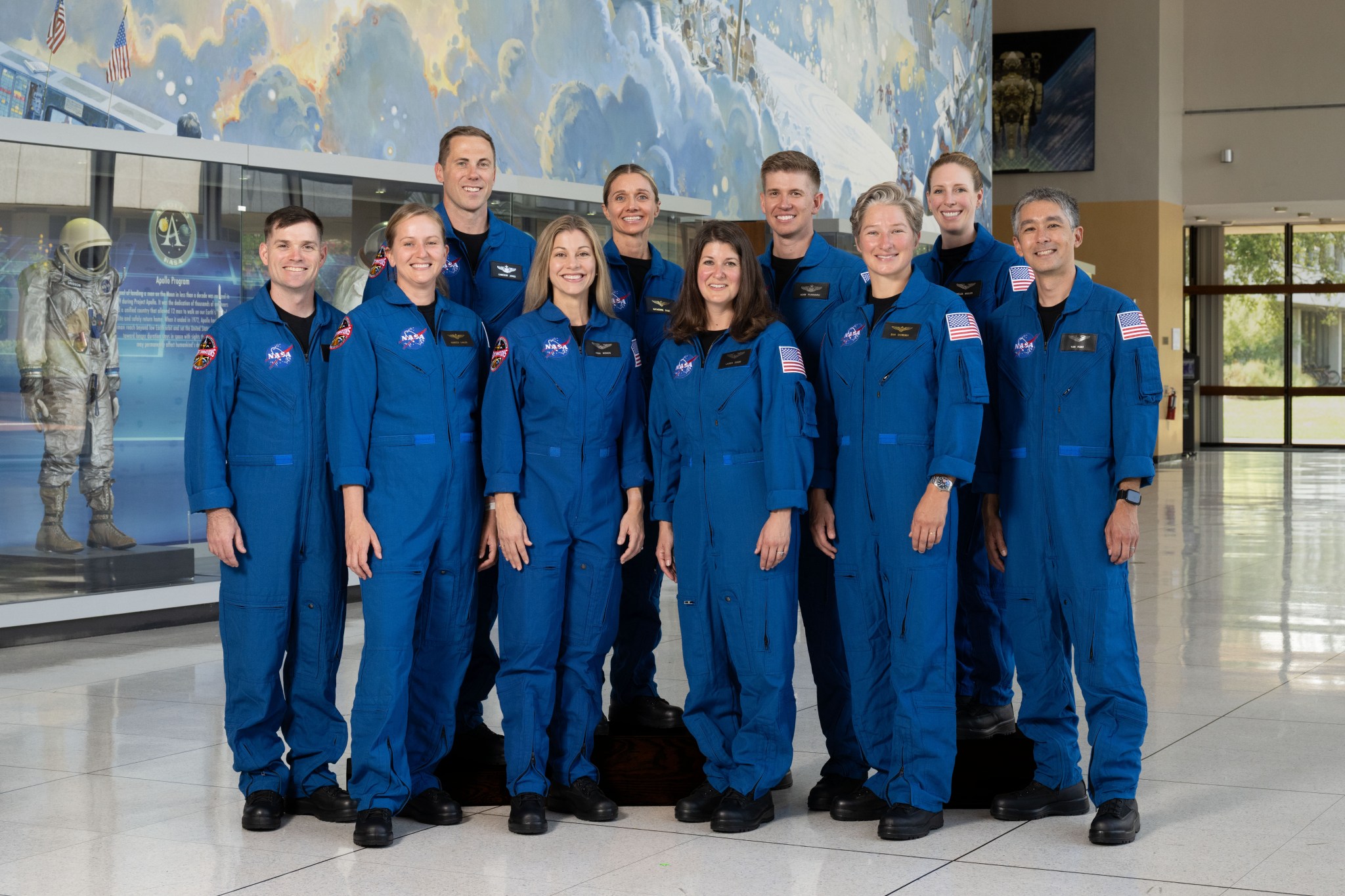
Requirements to Become an Astronaut
Astronaut requirements have changed with NASA’s goals and missions. Today, to be considered for an astronaut position, applicants must meet the following qualifications:
- Be a U.S. citizen
- Have a master’s degree* in a STEM field, including engineering, biological science, physical science, computer science or mathematics, from an accredited institution.
- Have a minimum of three years of related professional experience obtained after degree completion (or 1,000 Pilot-in-Command hours with at least 850 of those hours in high performance jet aircraft for pilots) For medical doctors, time in residency can count towards experience and must be completed by June 2025.
- Be able to successfully complete the NASA long-duration flight astronaut physical.
*The master’s degree requirement can also be met by:
- Two years of work towards a doctoral program in a related science, technology, engineering, or math field.
- Completed Doctor of Medicine, Osteopathic Medicine, or related medical degree
- Completion (or current enrollment that will result in completion by June 2025) of a nationally recognized test pilot school program.
Astronaut candidates must also have skills in leadership, teamwork and communications.
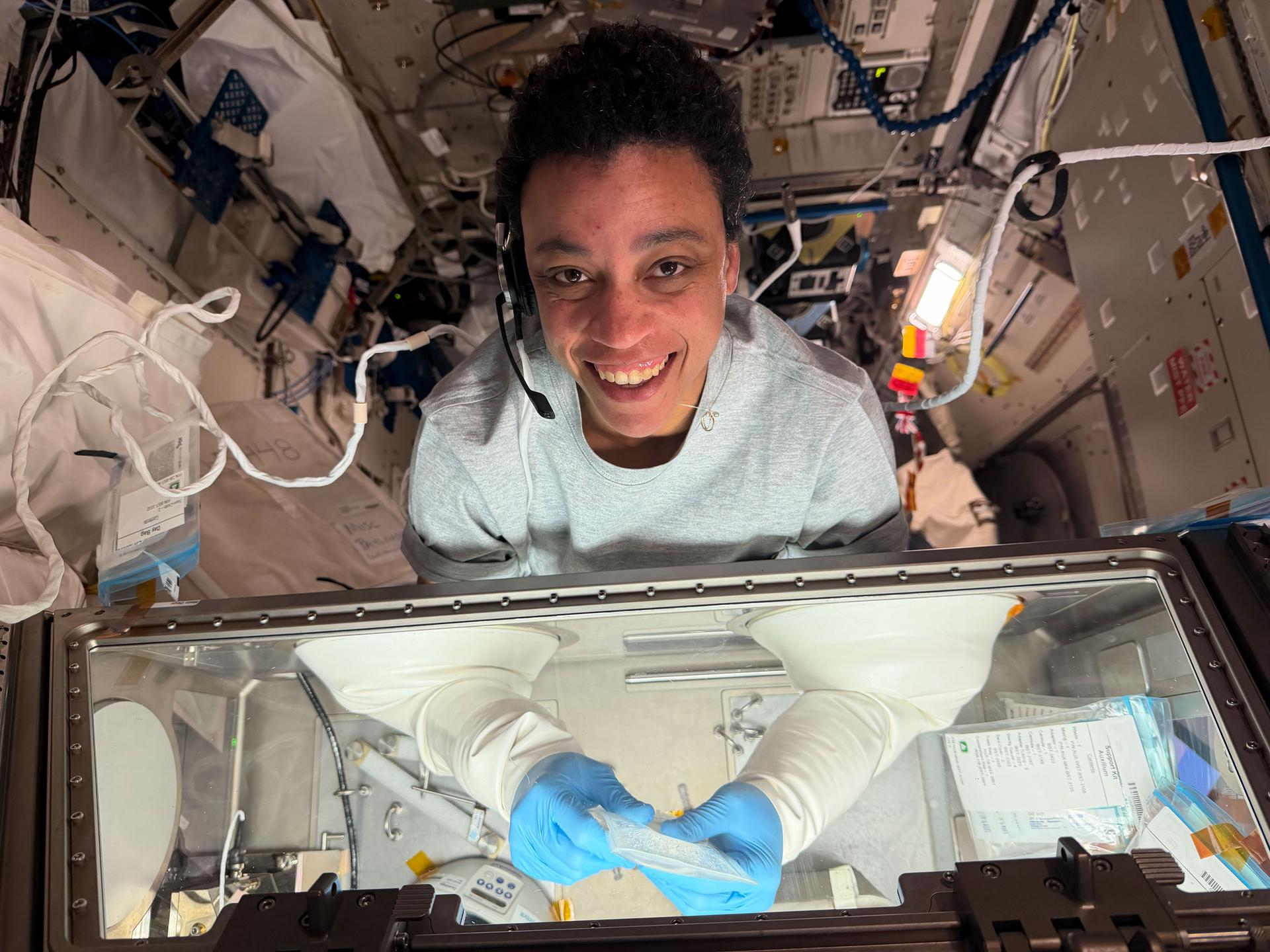
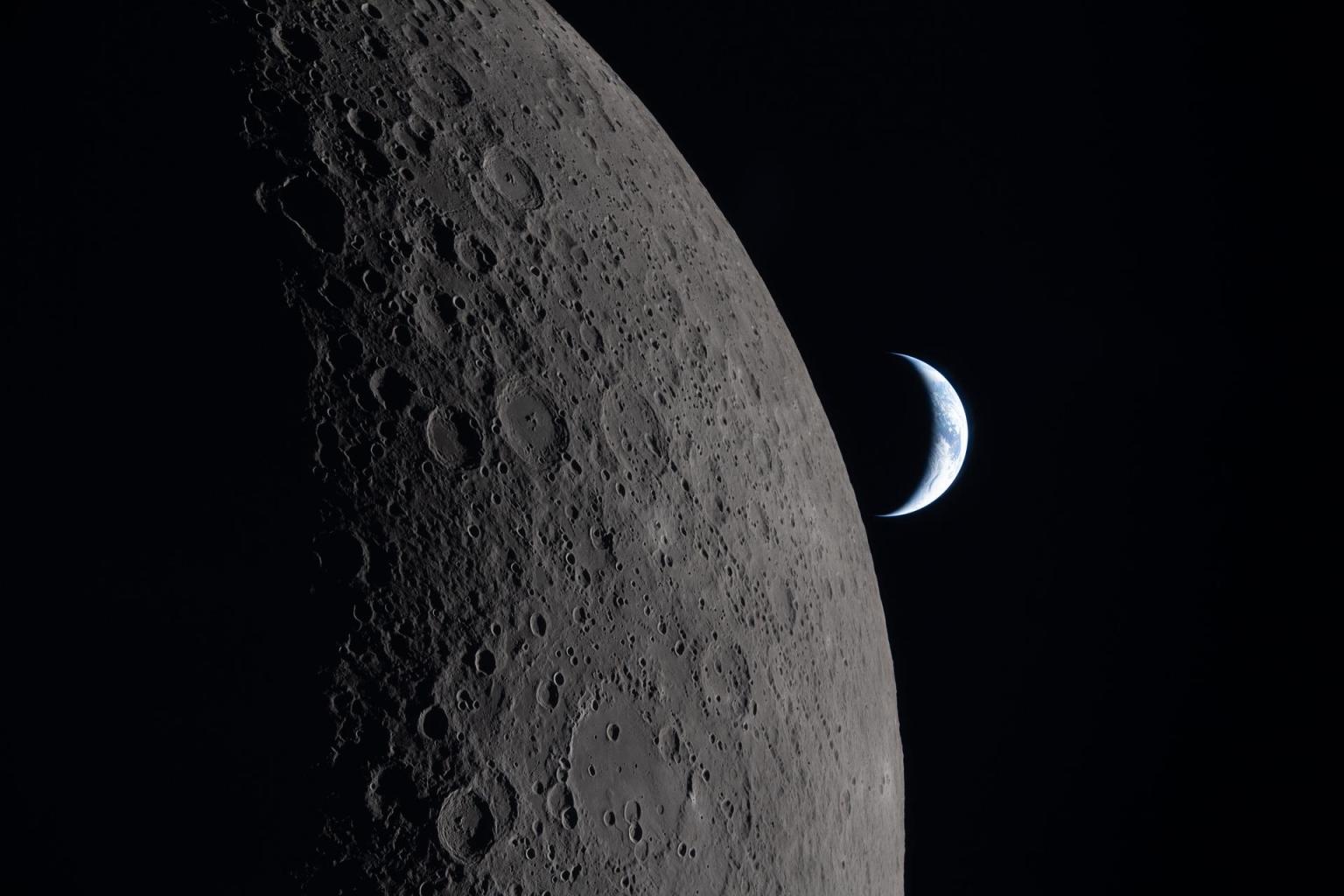
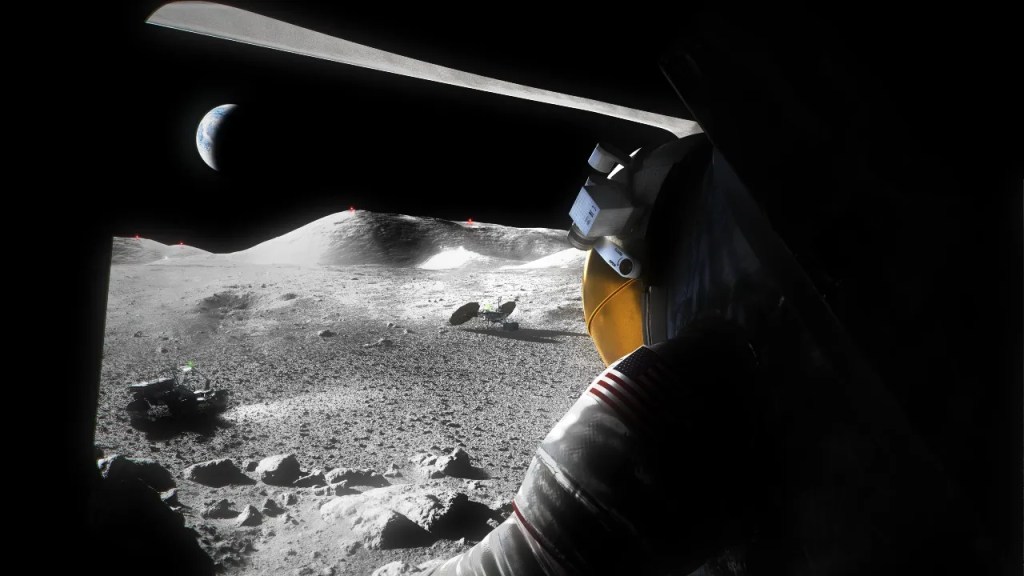
Artemis Generation astronauts will explore and conduct experiments where humans have never been: the lunar South Pole.
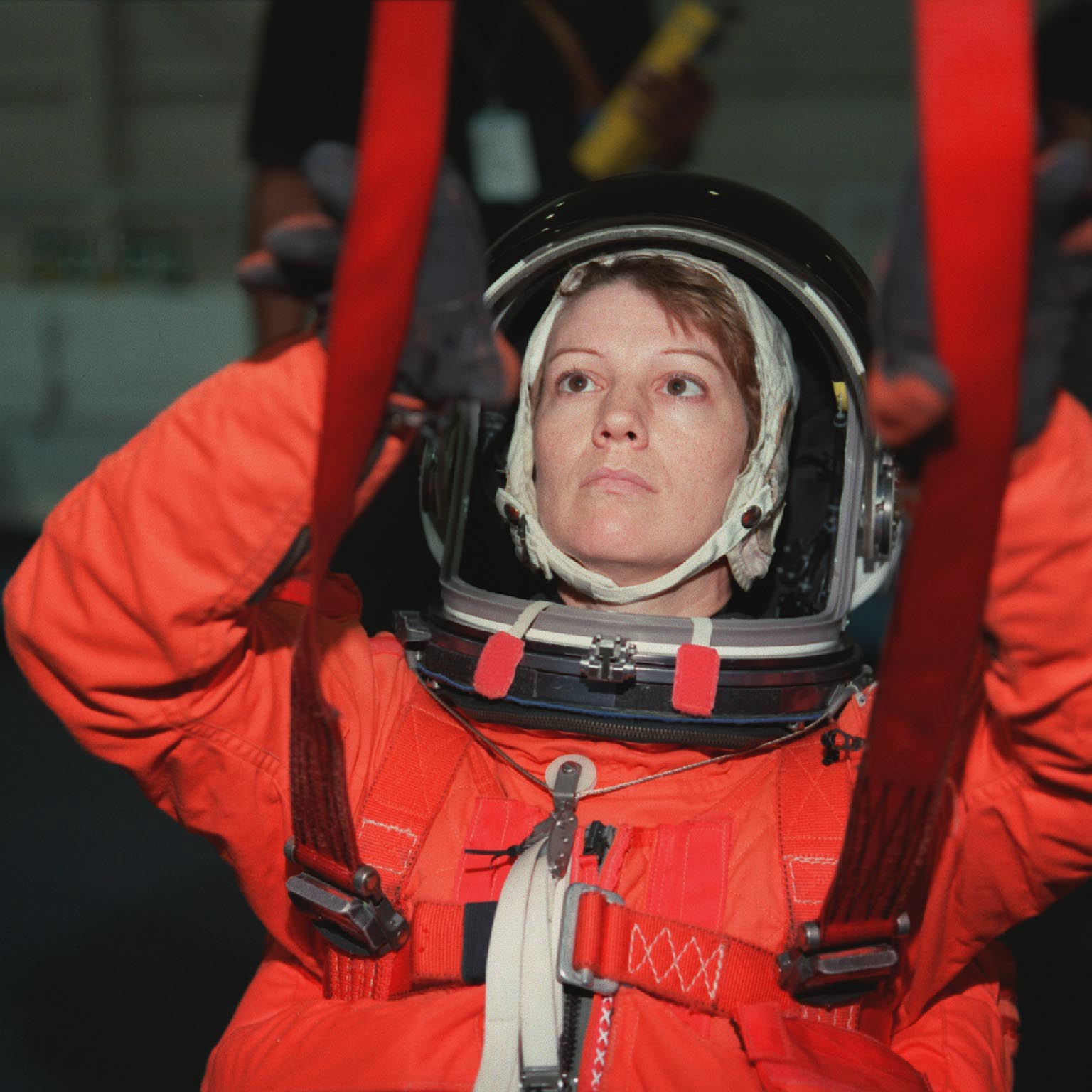
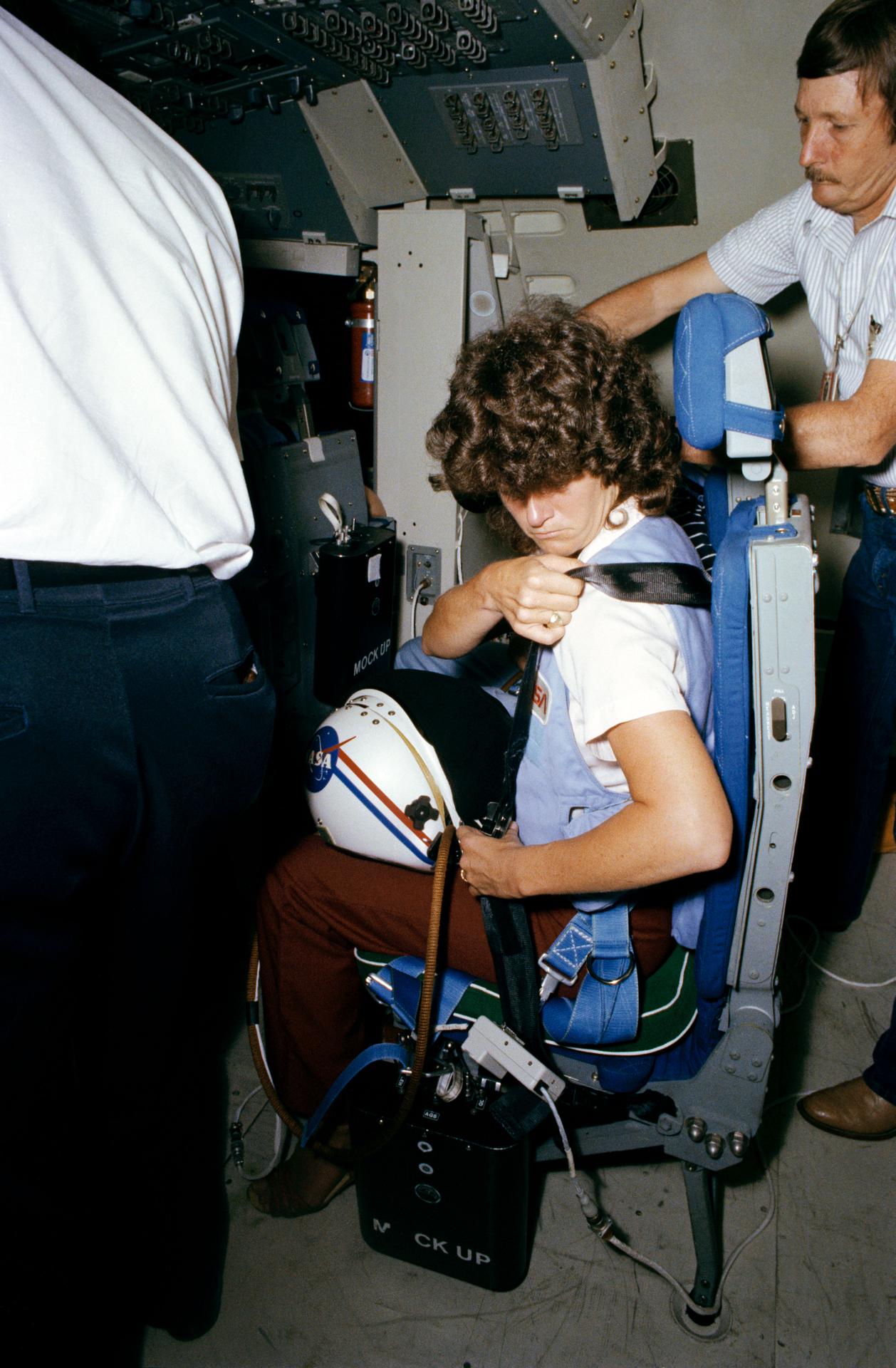
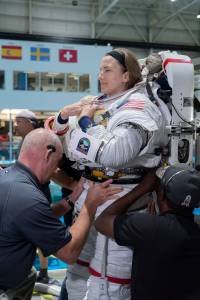
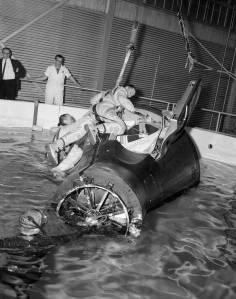
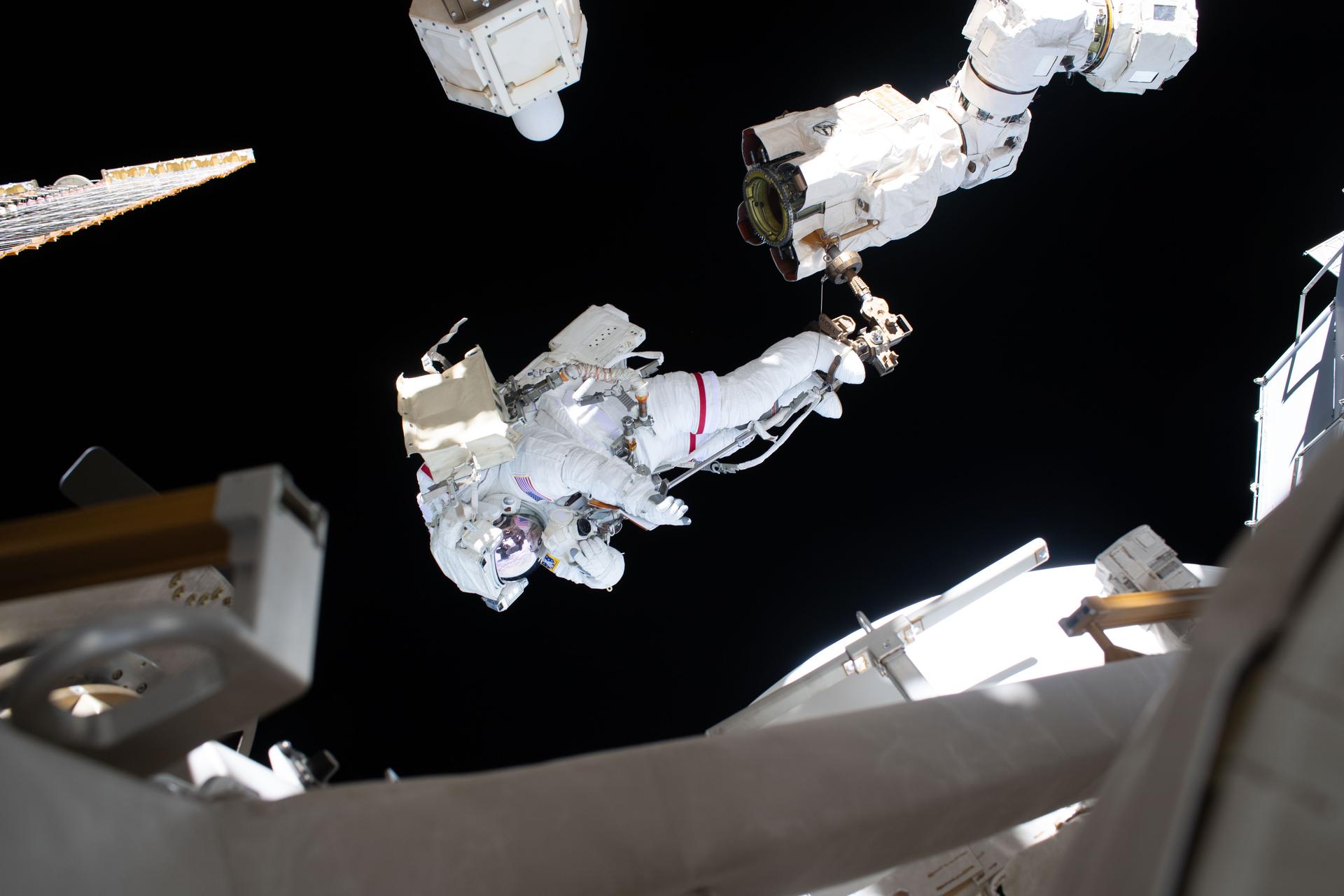
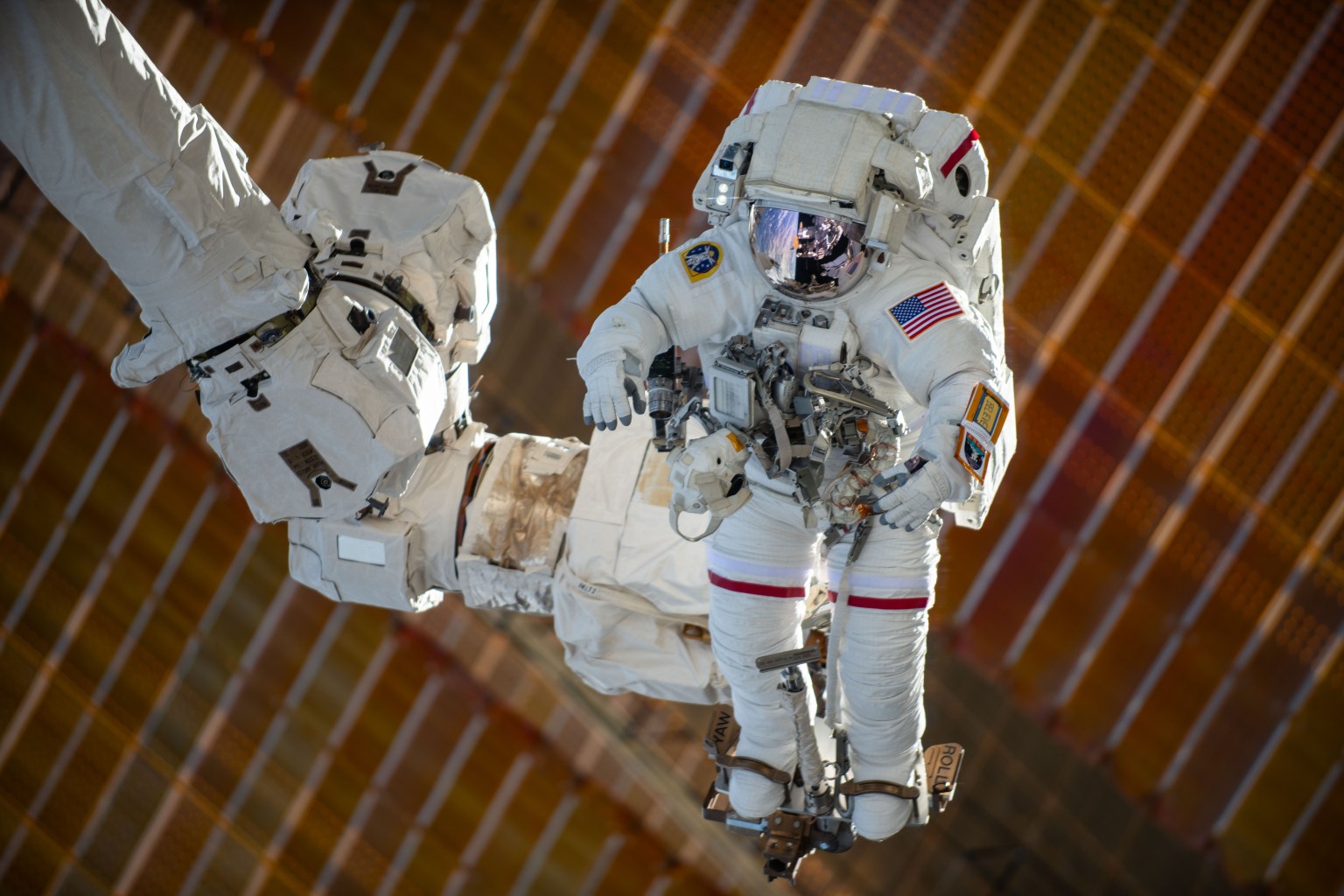
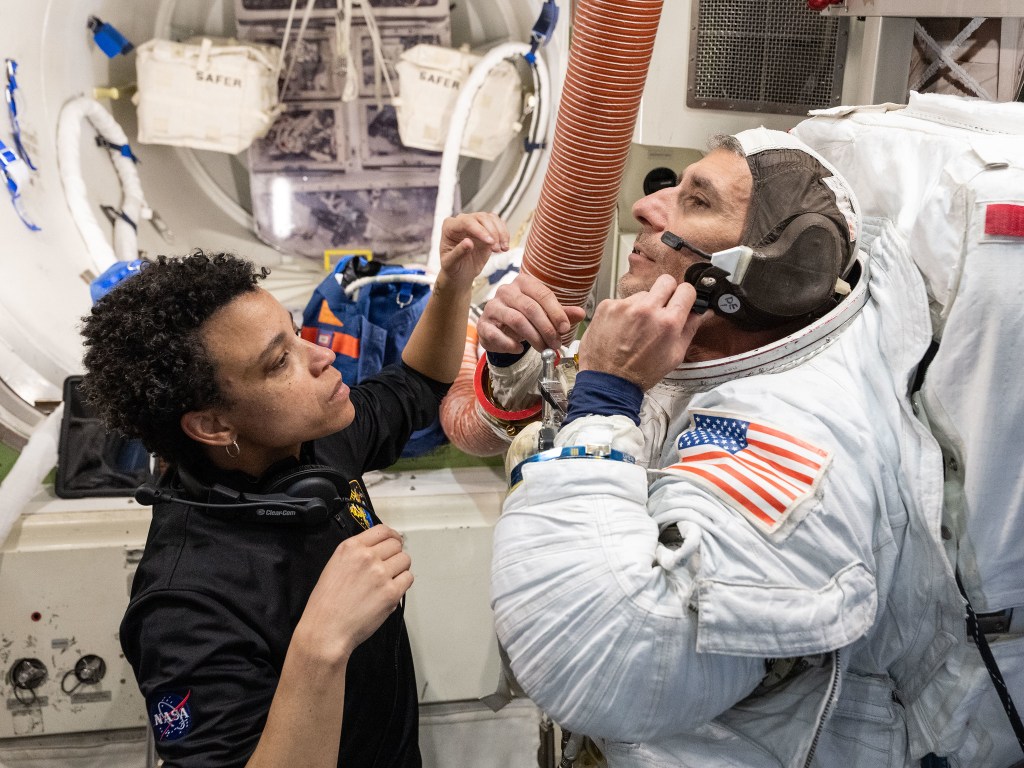
NASA’s Astronaut Selection Board reviews the applications and assesses each candidate’s qualifications. The board then invites a small group of the most highly qualified candidates for interviews at NASA’s Johnson Space Center in Houston, Texas. Of those interviewed, about half are invited back for second interviews. From that group, NASA’s new astronaut candidates are selected. They report for training at Johnson and spend the next two years learning basic astronaut skills like spacewalking, operating the space station, flying T-38 jet planes and controlling a robotic arm.
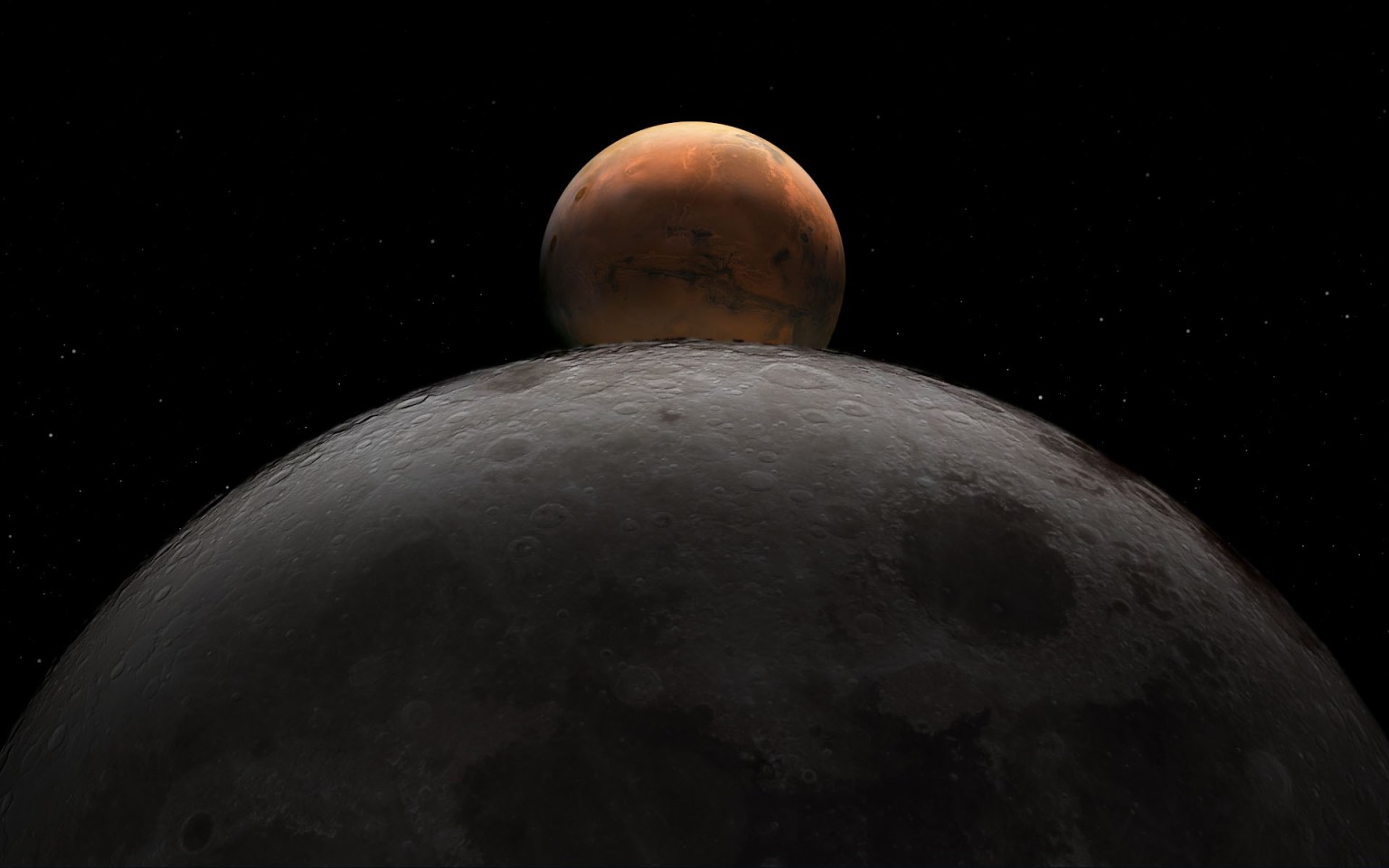
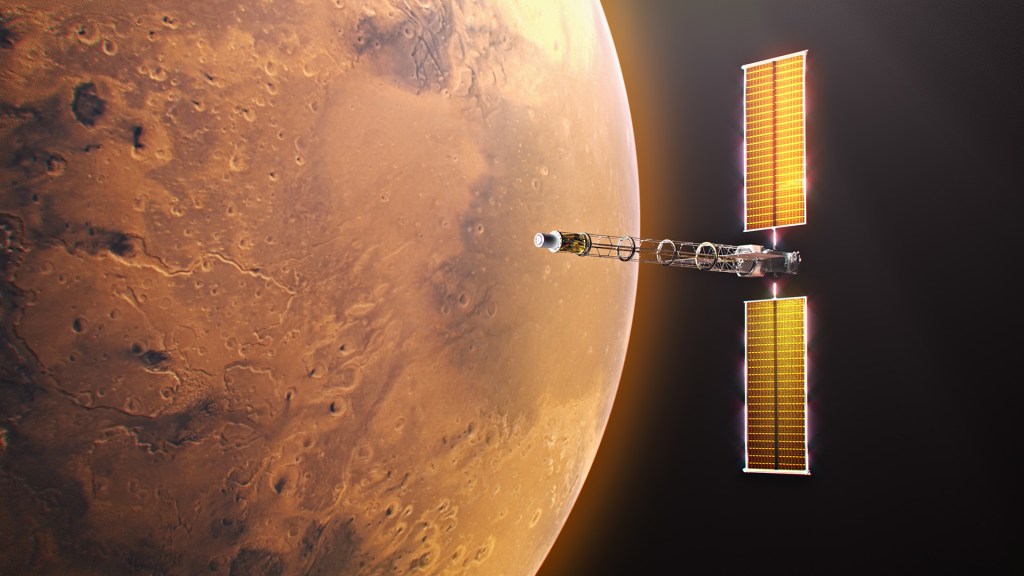
With NASA’s plans for the future of exploration, new astronauts will fly farther into space than ever before on lunar missions and may be the first humans to fly on to Mars.
Application Timeline
NASA selects astronauts in groups of various sizes on an as-needed basis. Filling out an application is just the beginning. Highly qualified applicants may be asked to come to NASA’s Johnson Space Center in Houston for further evaluation.
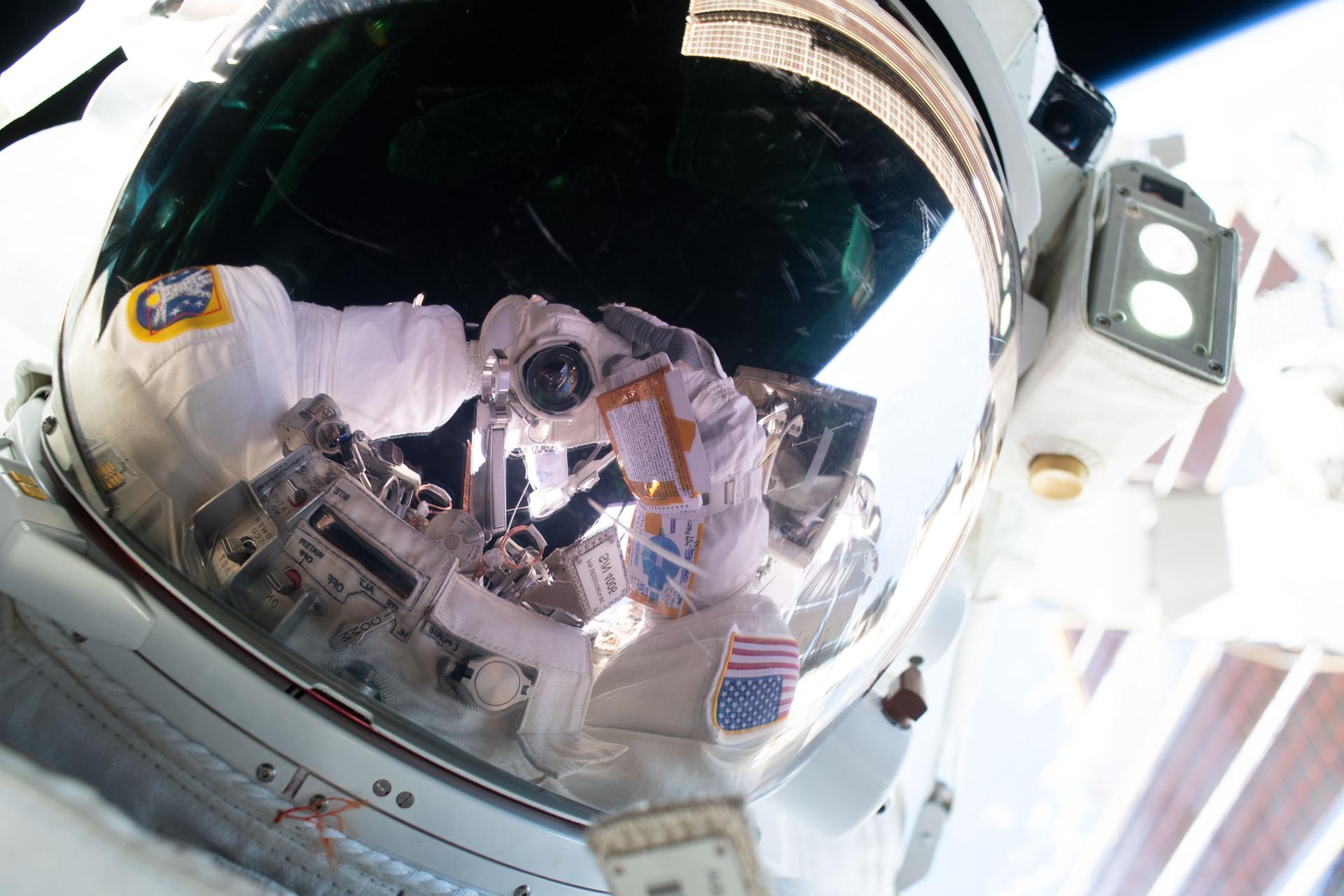
Frequently Asked Questions
For questions about the application process and the requirements to apply to become an astronaut, please see the Frequently Asked Questions.
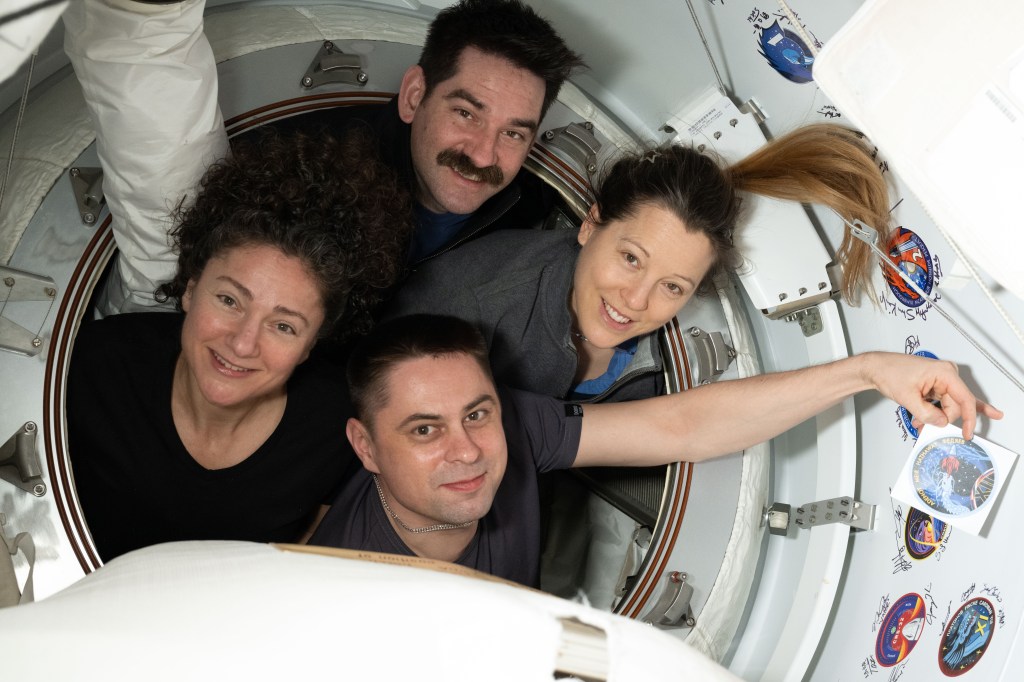
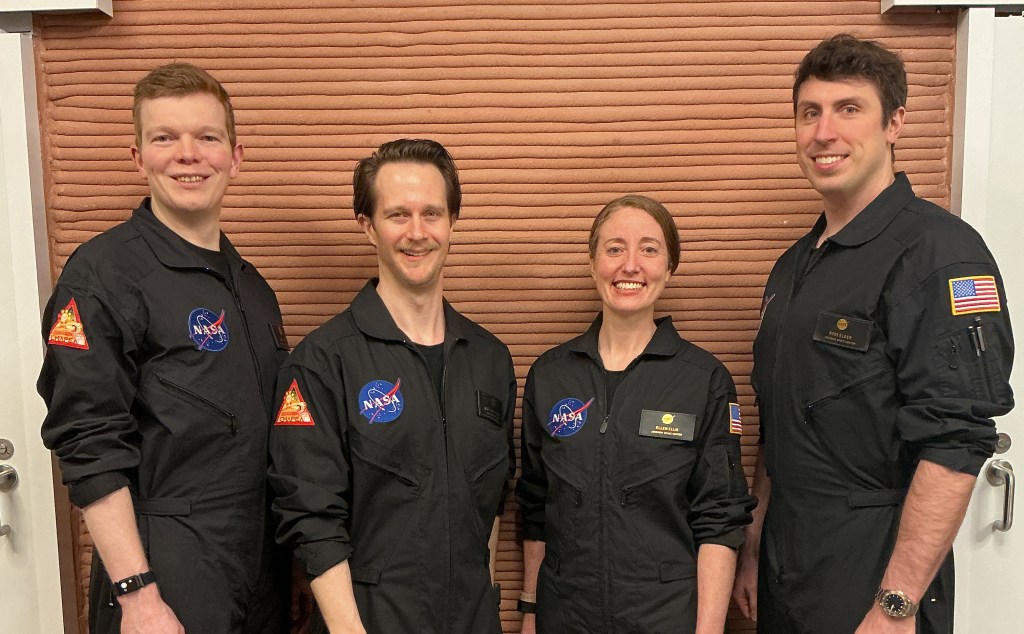
Astronaut Candidates
The term astronaut candidate refers to individuals who have been selected by NASA as candidates for the NASA astronaut corps and are currently undergoing a candidacy training program at the Johnson Space Center.
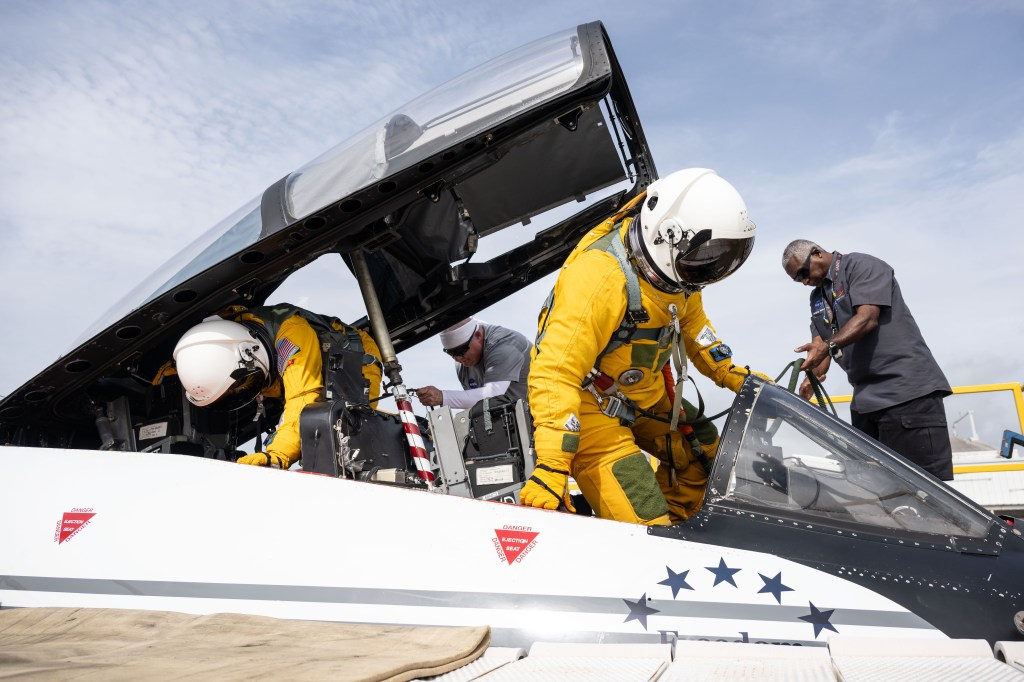
Astronaut Selection History
To date, NASA has selected 370 astronaut candidates to fly on its increasingly challenging missions to explore space.
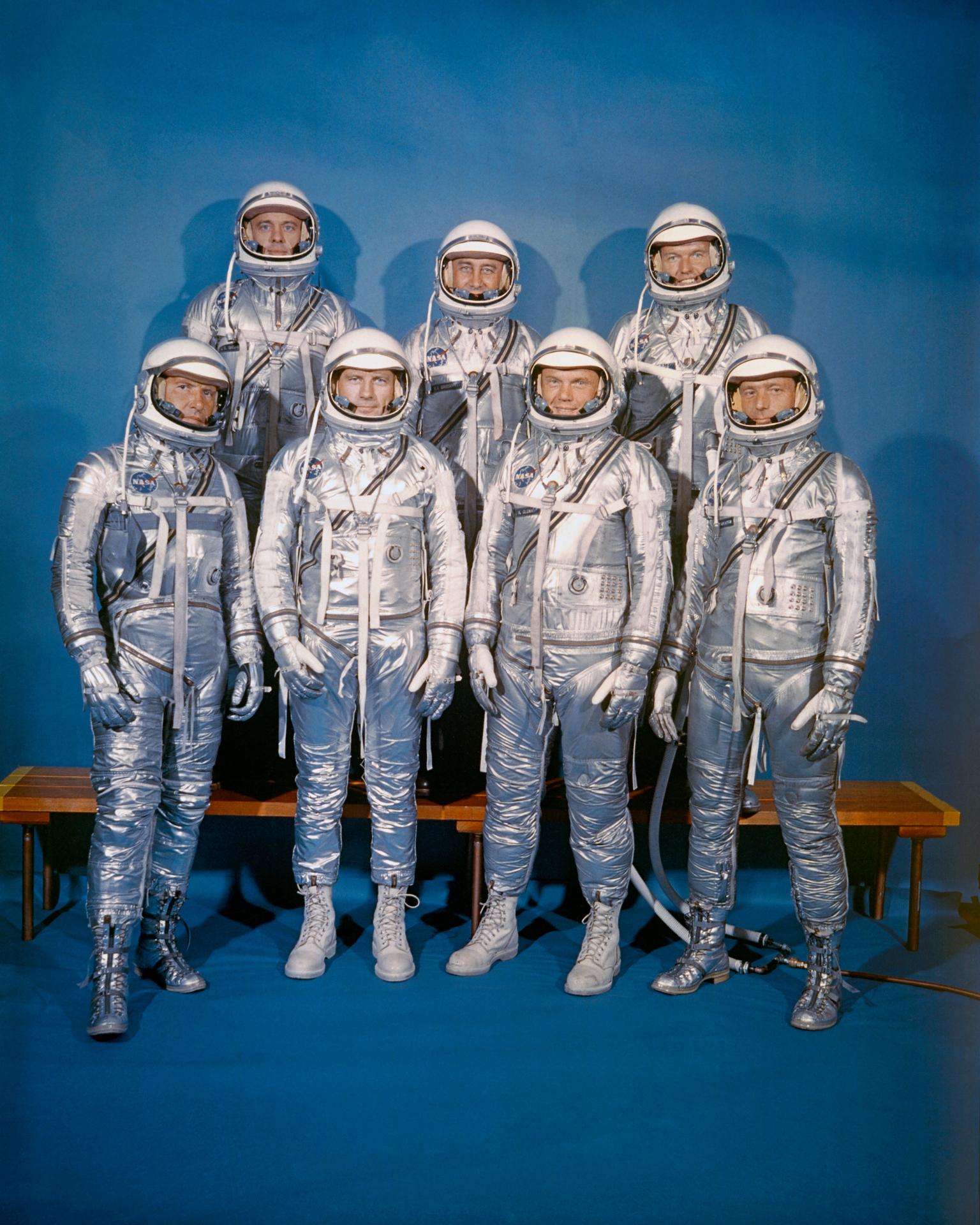
The first U.S. astronauts were selected in 1959, before human spaceflight operations began. NASA asked the military services to provide a list of personnel who met specific qualifications. After stringent screening, NASA announced its selection of seven men, all pilots, as the first American astronauts. NASA has selected 23 more groups of astronauts since the “Original Seven.” The backgrounds of NASA’s latest group of astronaut candidates include test pilots, engineers, medical professionals, a geologist, and more.
NASA selects astronauts from a large pool of talented applicants with backgrounds spanning science, engineering, technology, medicine, aviation, and other disciplines. Those chosen for the intensive Astronaut Candidate training program join a proud legacy of explorers who have pushed the boundaries of what is possible while inspiring future generations to pursue careers in science, technology, engineering, and mathematics.