




















Listen to this audio excerpt from Katie Oriti, Orion European Service Module Integration Office manager:
0:00 / 0:00
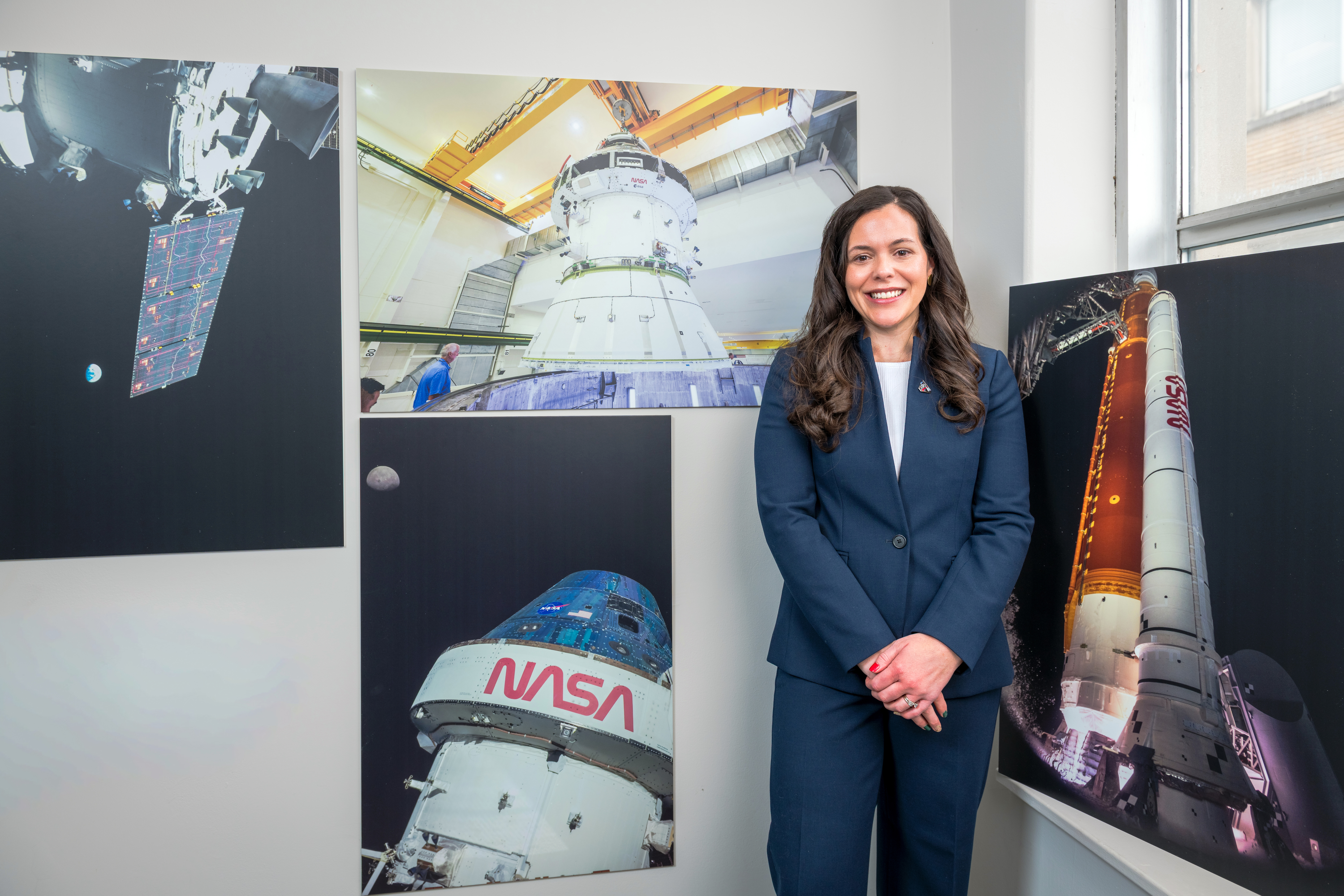
Growing up in rural America, Katie Oriti could only dream of working for NASA. Not because she wasn’t inspired by the dark, star-filled skies of her hometown Shelby, Ohio, but because it felt out of reach.
“I think NASA was always in the back of my mind because I had an interest in space,” said Oriti, manager for the Orion European Service Module Integration Office. “It was something that felt unattainable, and I just didn’t think it was in the cards for me.”
Oriti originally had her sights set on becoming a doctor. She studied mechanical engineering in college and minored in biomedical engineering, intending to apply to medical school. However, as graduation approached, she shifted course and applied to roles that sparked her curiosity.
That leap led her to NASA’s Glenn Research Center in Cleveland as a support service contractor helping to build and maintain hardware for cryogenic testing, a process that exposes materials to extremely low temperatures. A career at NASA, previously a dream, suddenly felt real. Oriti became a civil servant, working as a thermal analyst for Orion, the spacecraft carrying astronauts to the Moon through NASA’s Artemis campaign.
I loved any opportunity I had to hear what was going on at the spacecraft and the program level. I knew if I wanted to grow and be part of that bigger conversation, I had to expand my knowledge base.

Katie oriti
Orion European Service Module Integration Office manager
Mentors played a critical role at every step, helping her translate her technical skills into a leadership role. Oriti leads integration efforts for the European Service Module, the powerhouse for Orion, working closely with ESA (European Space Agency) and Airbus to ensure the module is ready to safely support NASA’s Artemis II mission around the Moon. She sets the framework for decisions and determines priorities to ensure her team has the resources they need to succeed.
“I feel very privileged every day to lead this team,” Oriti said. “It’s the highest functioning team I’ve ever been a part of, and everyone on the team is an A-player. They know their stuff and are very dedicated to the mission.”
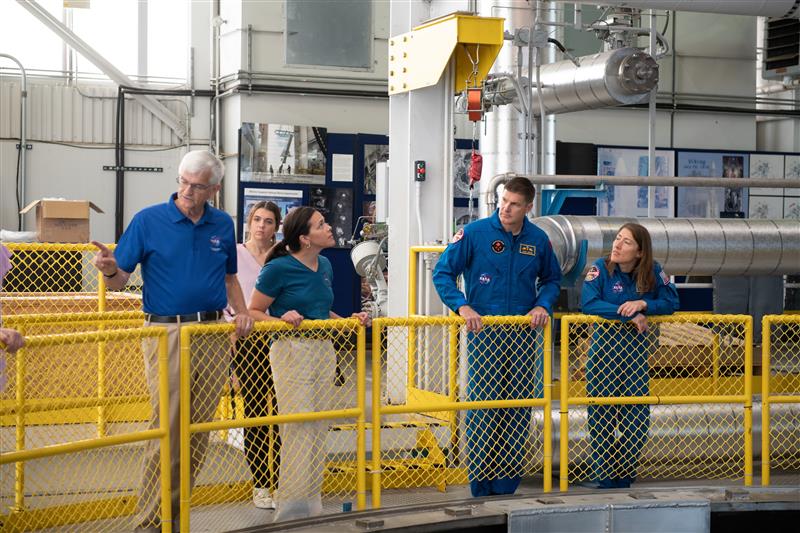
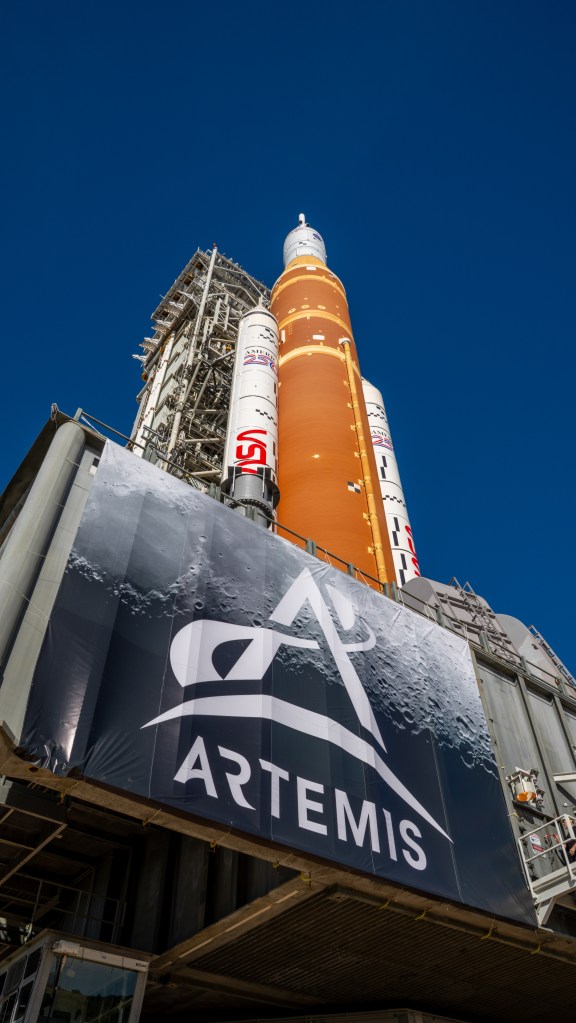
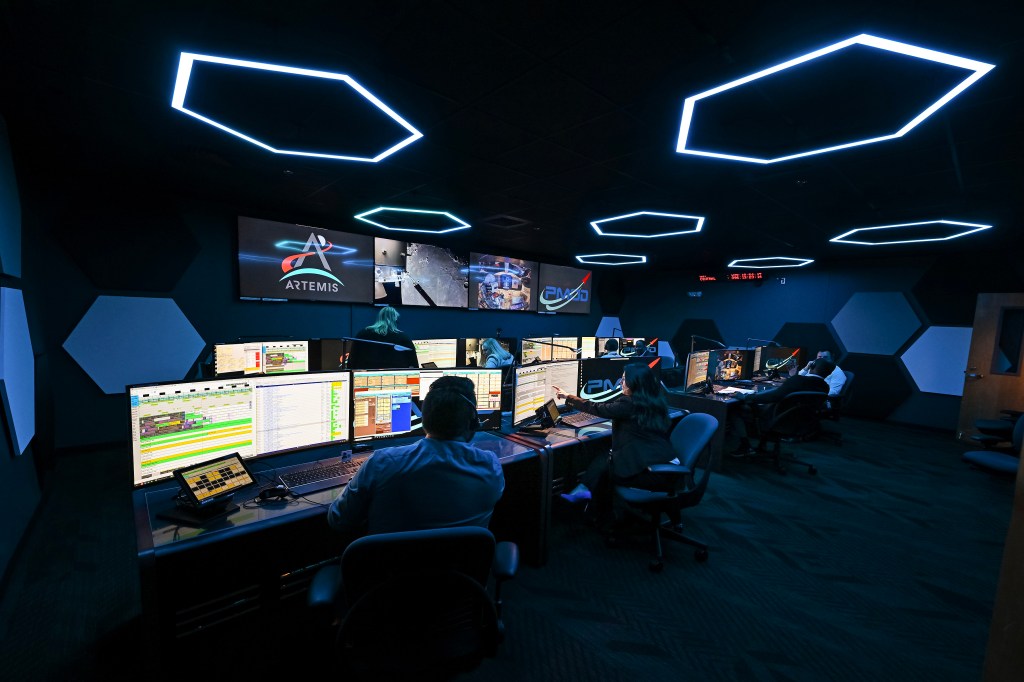
Oriti is excited to support the Artemis II launch from the Launch Control Center at NASA’s Kennedy Space Center in Florida as part of the mission management team, providing expertise for the European Service Module. After launch, she will travel to NASA’s Johnson Space Center in Houston to support from mission control, assisting with program-level decisions and monitoring the European Service Module’s performance throughout the flight.
“I think the flyby of the Moon will be awesome. It was cool when we did the powered flybys on Artemis I and came very close to the surface of the Moon, but now we’ll have crew members who will be looking out the window and able to tell us what they see.
Katie Oriti
Orion European Service Module Integration Office manager
While Oriti looks forward to the thrill of launch day, she’s even more inspired by the impact this mission could have on the next generation. She takes pride in knowing that she has become the role model she once searched for, showing others that a dream as big as aiming for the Moon can be within reach.