
















Week of February 13 – February 17, 2023
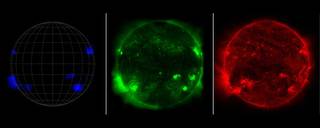
NASA’s NuSTAR Telescope Reveals Hidden Light Shows on Sun
Even on a sunny day, human eyes can’t see all the light the Sun gives off. A new image displays some of this hidden light, including the high-energy X-rays emitted by the hottest material in the Sun’s atmosphere, as observed by NASA’s Nuclear Spectroscopic Telescope Array (NuSTAR).
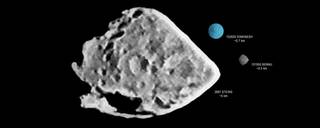
NASA’s Lucy Asteroid Target Gets Name
The first asteroid to be visited by NASA’s Lucy mission now has a name. The International Astronomical Union has approved the name (152830) Dinkinesh for the tiny main belt asteroid that the Lucy spacecraft will encounter Nov. 1. “Dinkinesh” is the Ethiopian name for the human ancestor fossil, also known as Lucy, which was found in that country and is currently curated there.
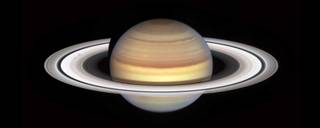
Hubble Captures Start of New Spoke Season at Saturn
New images of Saturn from NASA’s Hubble Space Telescope herald the start of the planet’s “spoke season” surrounding its equinox when enigmatic features appear across its rings. The cause of the spokes, as well as their seasonal variability, has yet to be fully explained by planetary scientists.

NASA’s Webb Uncovers New Details in Pandora’s Cluster
Astronomers have revealed the latest deep field image from NASA’s James Webb Space Telescope, featuring never-before-seen details in a region of space known as Pandora’s Cluster (Abell 2744). Webb’s view displays three clusters of galaxies – already massive – coming together to form a megacluster.
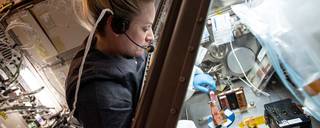
It’s Always Heart Month on Space Station
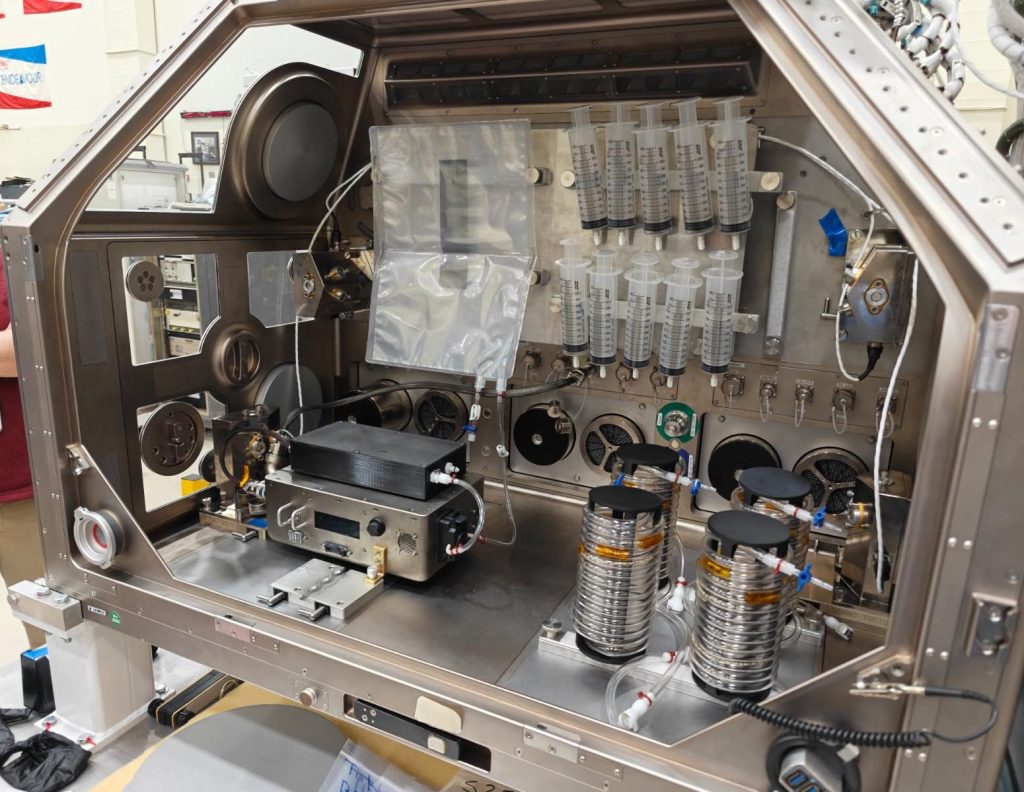
The human heart takes center stage during the month of February, which is American Heart Month, an effort to raise awareness about heart disease prevention. On the International Space Station, the human heart is important year-round, with research being done on ways to protect astronauts from the effects microgravity has on the heart and overall health.
For more information or to learn about other happenings at NASA’s Marshall Space Flight Center, visit NASA Marshall. For past issues of the ICYMI newsletter, click here.