










Expedition 74 Spends Tuesday on Microbiology, Lab Maintenance
Microbiology research to protect astronaut health and spacecraft hardware topped the science schedule aboard the International Space Station on Tuesday. Earth observations and life support maintenance rounded out the day for the Expedition 74 trio.
NASA Flight Engineer Chris Williams worked throughout his shift safely processing samples of a bacterial pathogen inside the Kibo laboratory module’s Life Science Glovebox. Williams was exploring a way to prevent the formation of biofilms, or a layer of microorganisms, anywhere water is found on a spacecraft where they pose human health risks and can damage equipment. The microbe samples are housed inside a specialized cell culture chamber, called a BioCell, and exposed to different levels of ultraviolet light to learn how to inhibit microbial growth and reduce reliance on chemical disinfectants. Results may lead to safer life support and medical systems, more durable spacecraft materials, and healthier humans on and off the Earth.
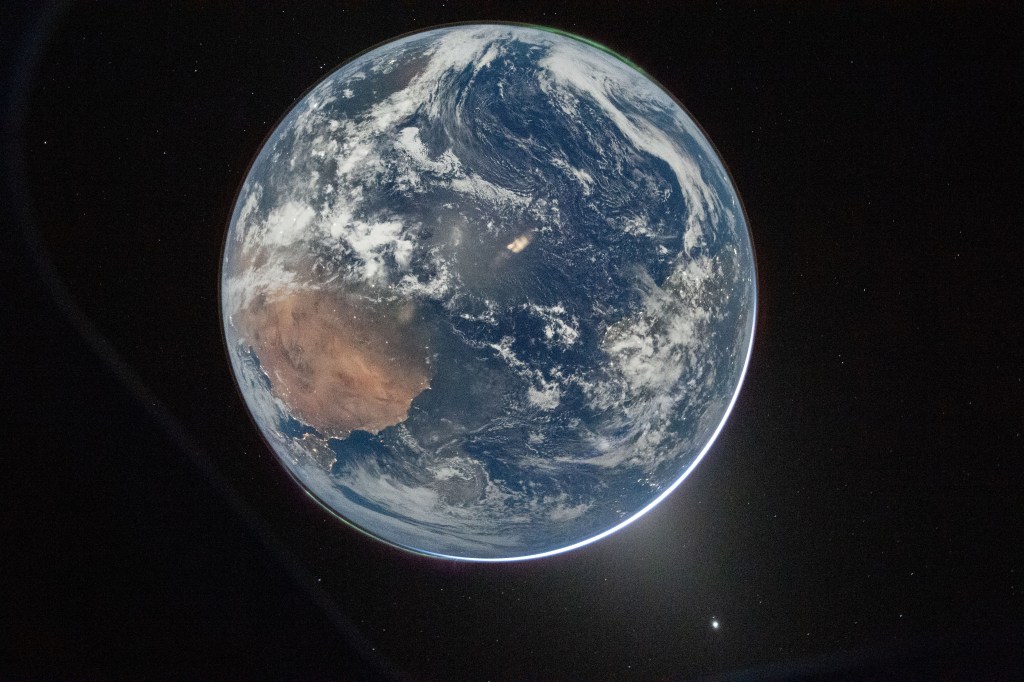
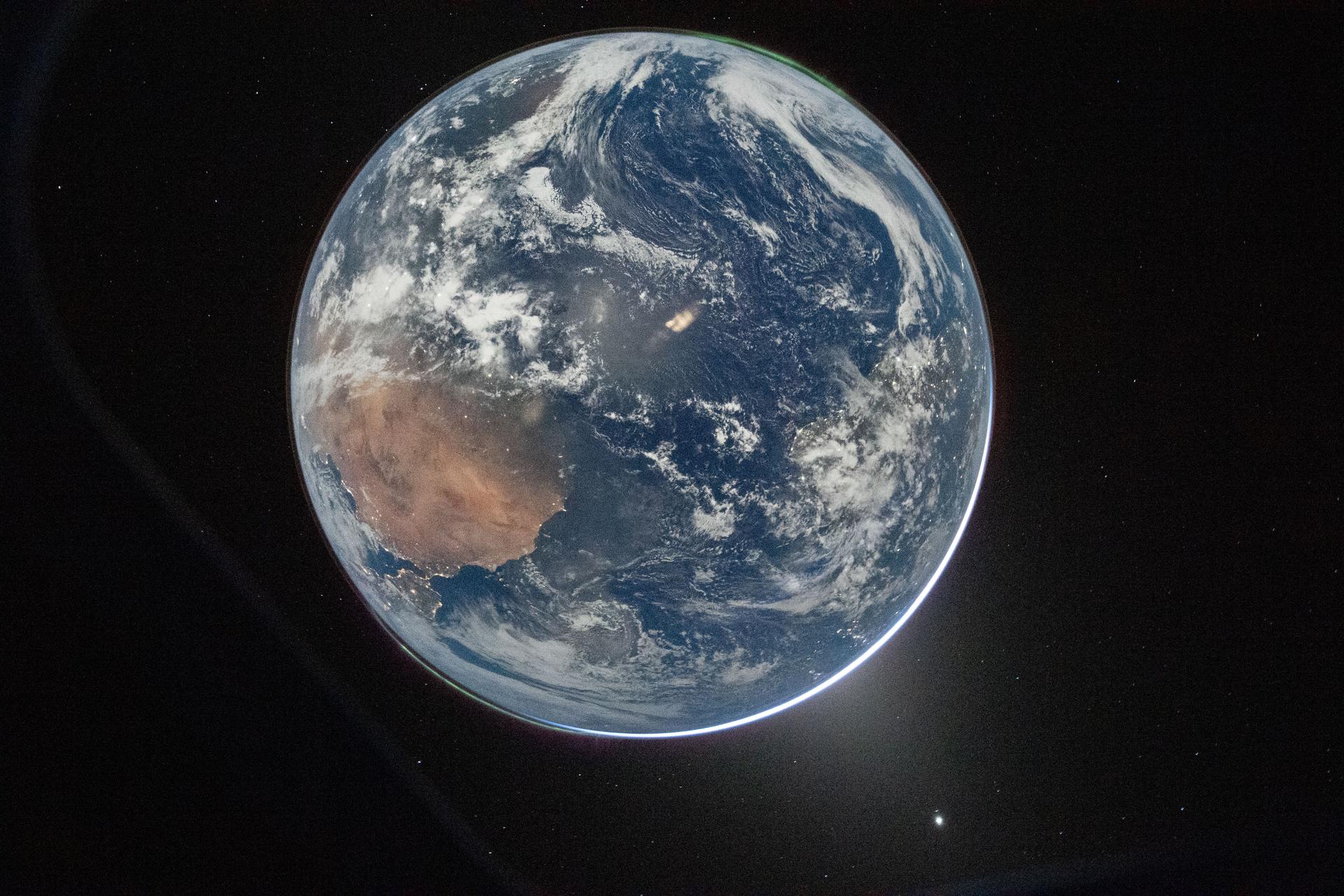
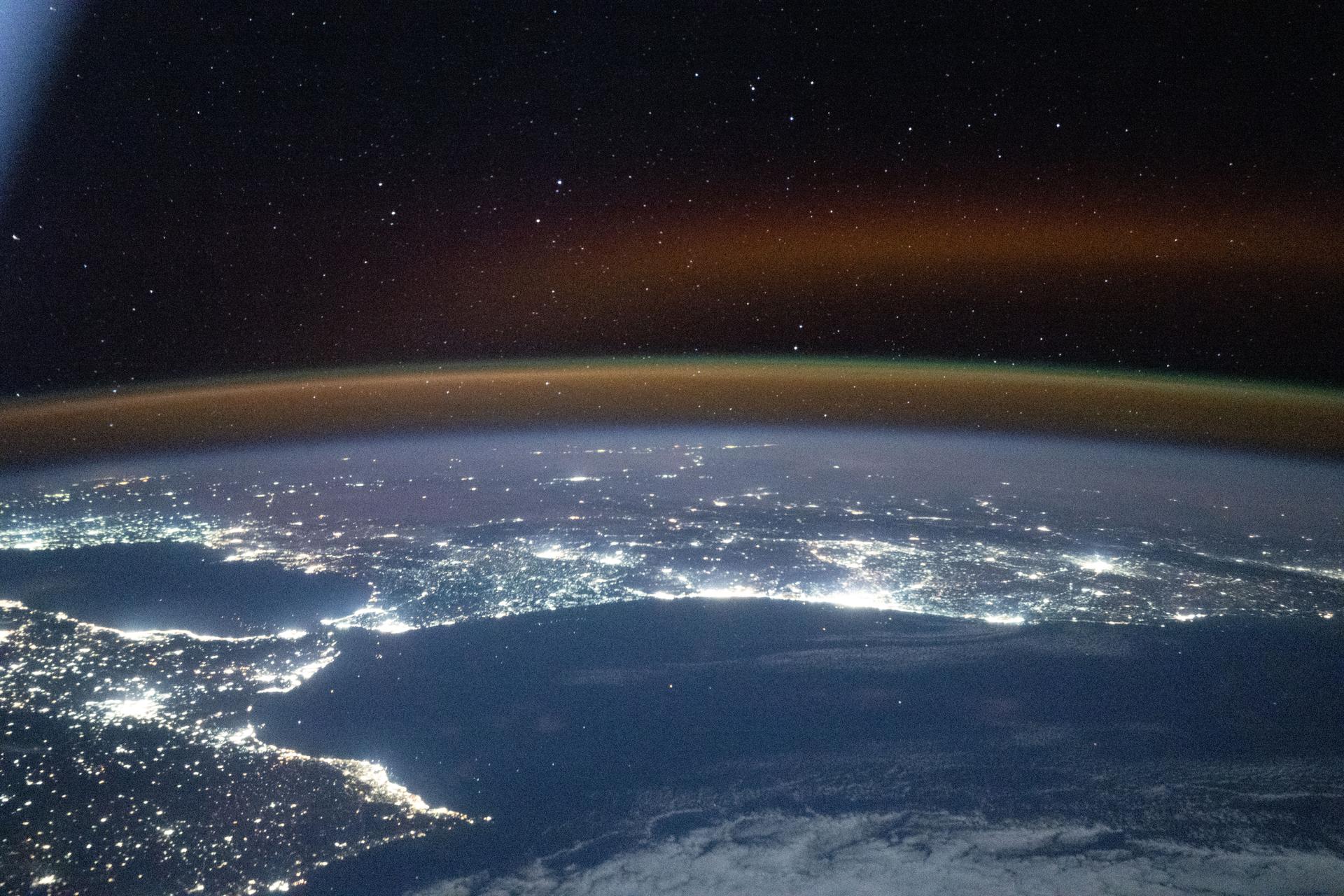
Roscosmos Flight Engineer Sergei Mikaev spent his shift supporting a pair of ongoing Earth observation studies and servicing station equipment. Mikaev first deconfigured an automated overnight photography session that captured images of Earth’s nighttime atmospheric glow in near-ultraviolet wavelengths. The airglow is caused by atoms and molecules that are excited by solar ultraviolet radiation during the day and then release the energy as light at night. Next, he pointed a camera out a station window to photograph landmarks across Africa and the Middle East. Researchers will use the data to understand how natural disasters affect the surrounding landscape. Mikaev ended his day cleaning fans inside the Progress 92 cargo craft and transferring water between station tanks and inspecting water valves for microbes.
Station Commander Sergey Kud-Sverchkov assisted Mikaev during his second Earth photography session setting up and installing the hardware then downloading the imagery for analysis on the ground. Kud-Sverchkov completed his shift with orbital plumbing transferring fluids and refilling tanks before cleaning fan filters in the Zarya module.
