















Suggested Searches

Blogs

    ISS Daily Summary Report – 10/18/2016

    Orbital ATK (OA)-5 Launch:  The Cygnus spacecraft successfully launched from Wallops Island, Virginia atop an Antares rocket on Monday at 6:45pm CDT. The spacecraft will loiter until after 48S docking, scheduled for Friday, October 21st. Cygnus approach, capture, and berthing will occur on Sunday, 23-October. Cygnus will be delivering approximately 2,400 kg of pressurized cargo …

    Read Full Post

    September 2016 was Warmest on Record by Narrow Margin

    September 2016 was the warmest September in 136 years of modern record-keeping, according to a monthly analysis of global temperatures by scientists at NASA’s Goddard Institute for Space Studies (GISS) in New York. September 2016’s temperature was a razor-thin 0.004 degrees Celsius warmer than the previous warmest September in 2014. The margin is so narrow […]

    Read Full Post

    New Crew Set to Blast Off After Cygnus Cargo Launch

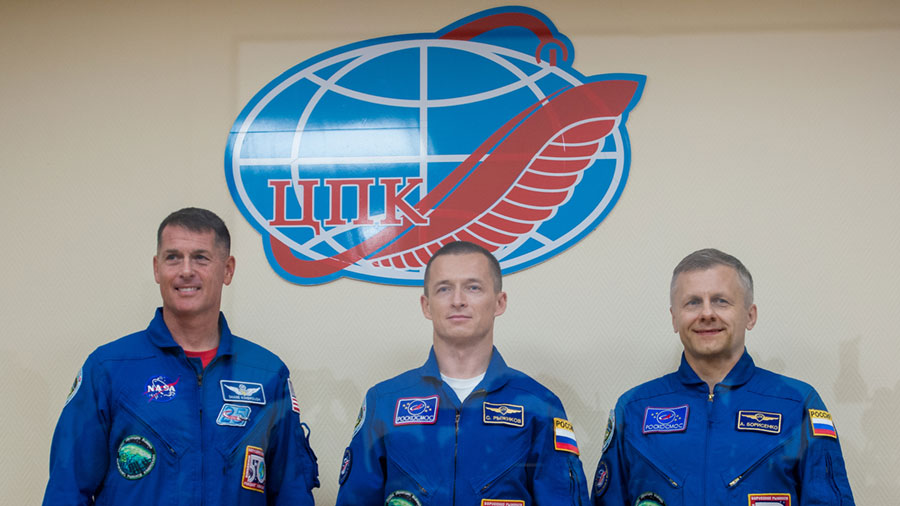
    Expedition 49-50 Crew Members

    A U.S. cargo craft full of science gear and crew supplies is on its way to the International Space Station after a successful launch. Orbital ATK’s Cygnus resupply ship blasted off Monday night from Virginia on a mission to replenish the space station crew. On the other side of the world in Kazakhstan, a Soyuz …

    Read Full Post

    Solar Arrays Deployed, Cygnus Heads to Station

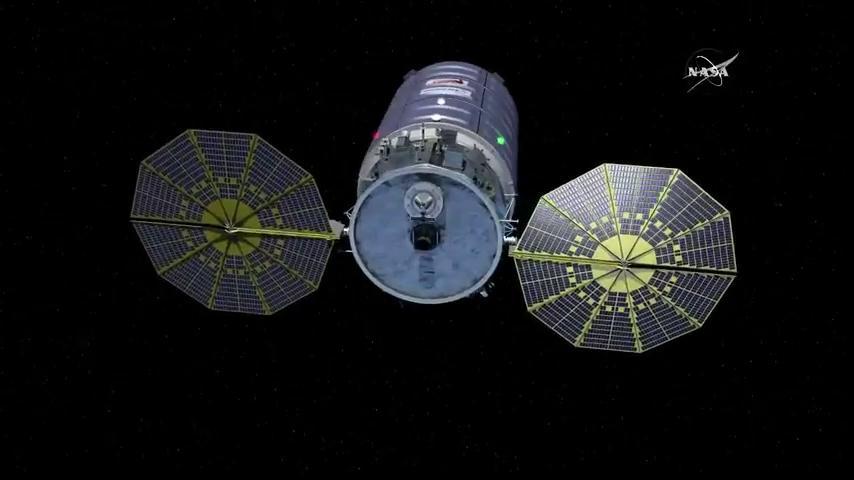
    Cygnus Spacecraft and Solar Arrays

    The Cygnus spacecraft’s solar arrays have deployed. The cargo ship will rendezvous with the International Space Station on Sunday, Oct. 23. It will be grappled at approximately 7:05 a.m. by Expedition 49 Flight Engineers Takuya Onishi of the Japan Aerospace Exploration Agency and Kate Rubins of NASA. After Cygnus’ capture, ground controllers will command the …

    Read Full Post

    Cygnus Lifts Off on Six-Day Trip to Station

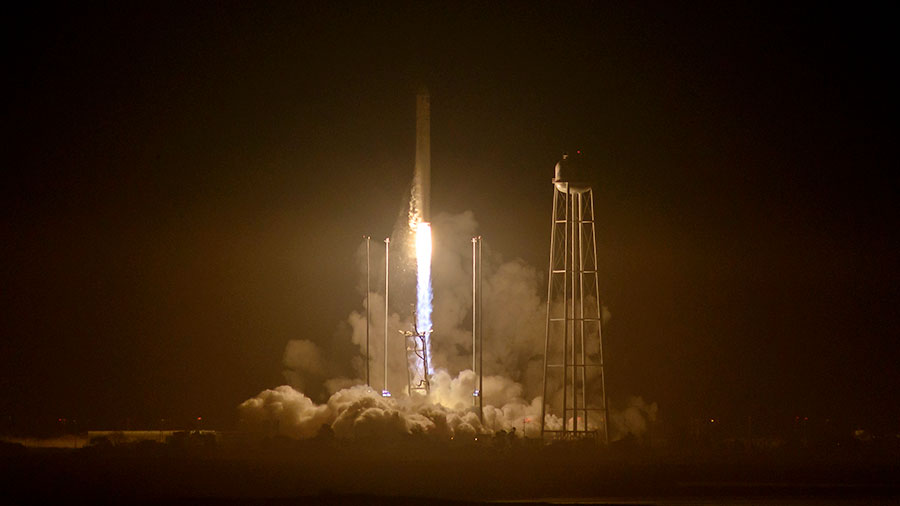
    Liftoff of the Orbital ATK Antares Rocket

    Orbital ATK’s Antares rocket carrying the Cygnus cargo spacecraft lifted off at 7:45 p.m. EDT and is on its way to the International Space Station. At the time of launch, the space station was traveling at an altitude of about 250 miles, over northwest Australia. An hour and half after launch, commands will be given …

    Read Full Post

    Watch Cygnus Launch Live on NASA TV

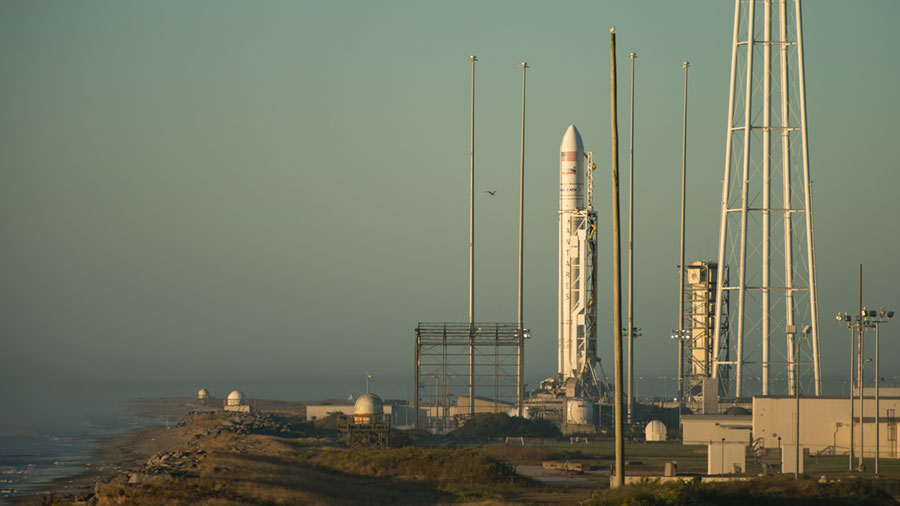
    Full Moon Sets Over Antares Rocket

    The countdown has begun for Orbital ATK’s Antares rocket, with the Cygnus cargo spacecraft on top, and is progressing smoothly today. There are no technical concerns with the rocket or spacecraft and weather is 100 percent “go.” Liftoff is scheduled to occur during a five minute window beginning at 7:40 p.m. EDT from the Mid-Atlantic …

    Read Full Post

    ISS Daily Summary Report – 10/17/2016

    Cygnus Launch Status:  Yesterday’s planned launch of the OA-5 mission was postponed for 24 hours due to an issue with a ground support equipment.  OA-5 launch is set for today, 17-October at 6:40 PM CDT.  This launch attempt will result in OA loitering until after 48S docking, scheduled for Friday 21-October.  OA-5 approach and berthing …

    Read Full Post

    Cargo and Crew Missions Ready for Liftoff This Week

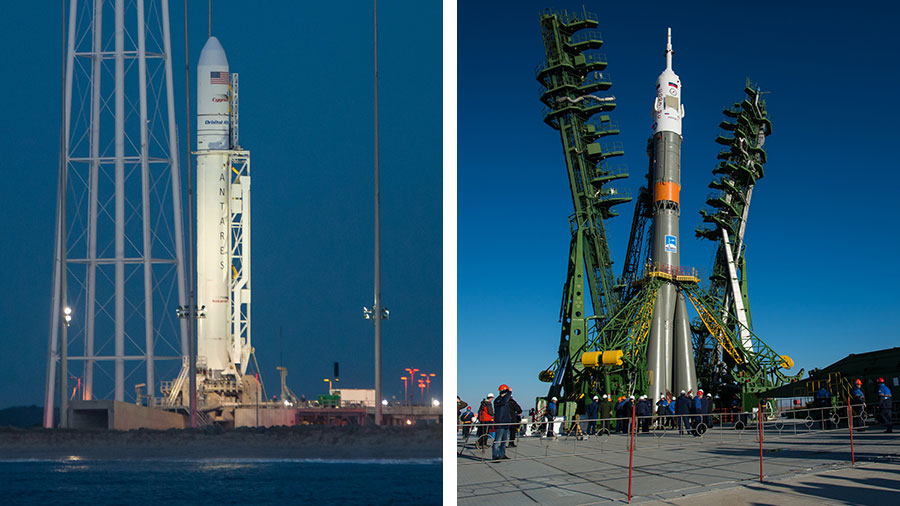
    The Antares and Soyuz Rockets

    Launch day has arrived for the Cygnus cargo craft which is scheduled to liftoff aboard the Orbital ATK Antares rocket today at 7:40 p.m. EDT. Two days later, three new crew members will launch aboard a Soyuz rocket for a two-day trip to the International Space Station. Watch the launch on NASA TV… https://www.nasa.gov/nasatv Cygnus …

    Read Full Post

    Orbital ATK Launch Postponed 24 Hours

    The Orbital ATK Antares rocket

    Today’s launch of Orbital ATK’s Antares rocket is postponed  24 hours  due to a ground support equipment (GSE) cable that did not perform as expected during the pre-launch check out. We have spares on hand and rework procedures are in process. The Antares and Cygnus teams are not currently working any technical issues with the …

    Read Full Post

    Hurricane Roundup: Matthew from Above

    After Hurricane Matthew ripped through Haiti, it blew through the Southeast. From above, NASA satellites, aircraft, and astronauts kept watch on the storm. The Earth Observatory published several images of the destructive storm (thumbnails above). The below includes a sampling of other notable images and maps related to the storm. Soil Moisture Matthew drenched the […]

    Read Full Post