












Mars Architecture Trade Space
Introduction
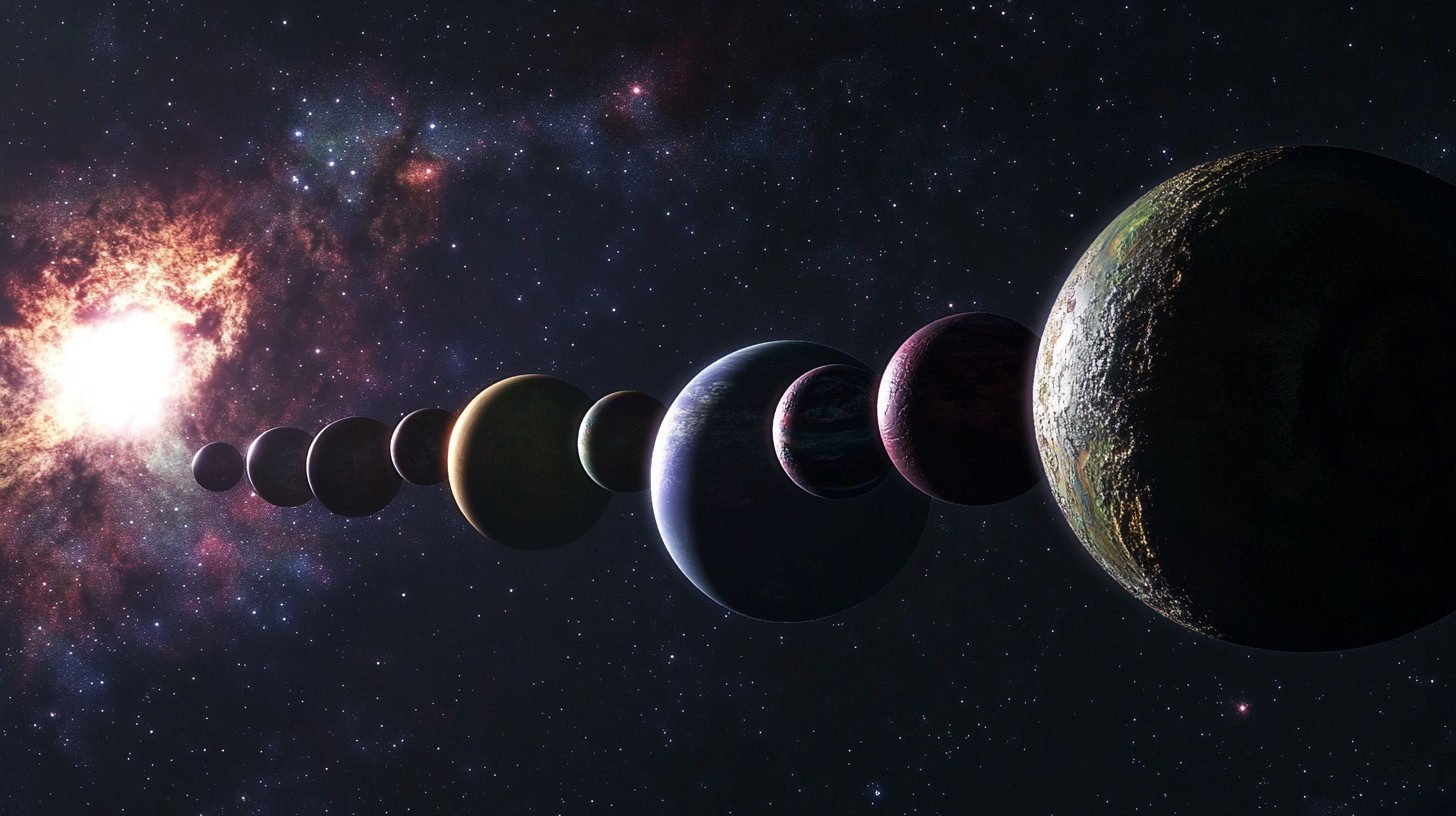
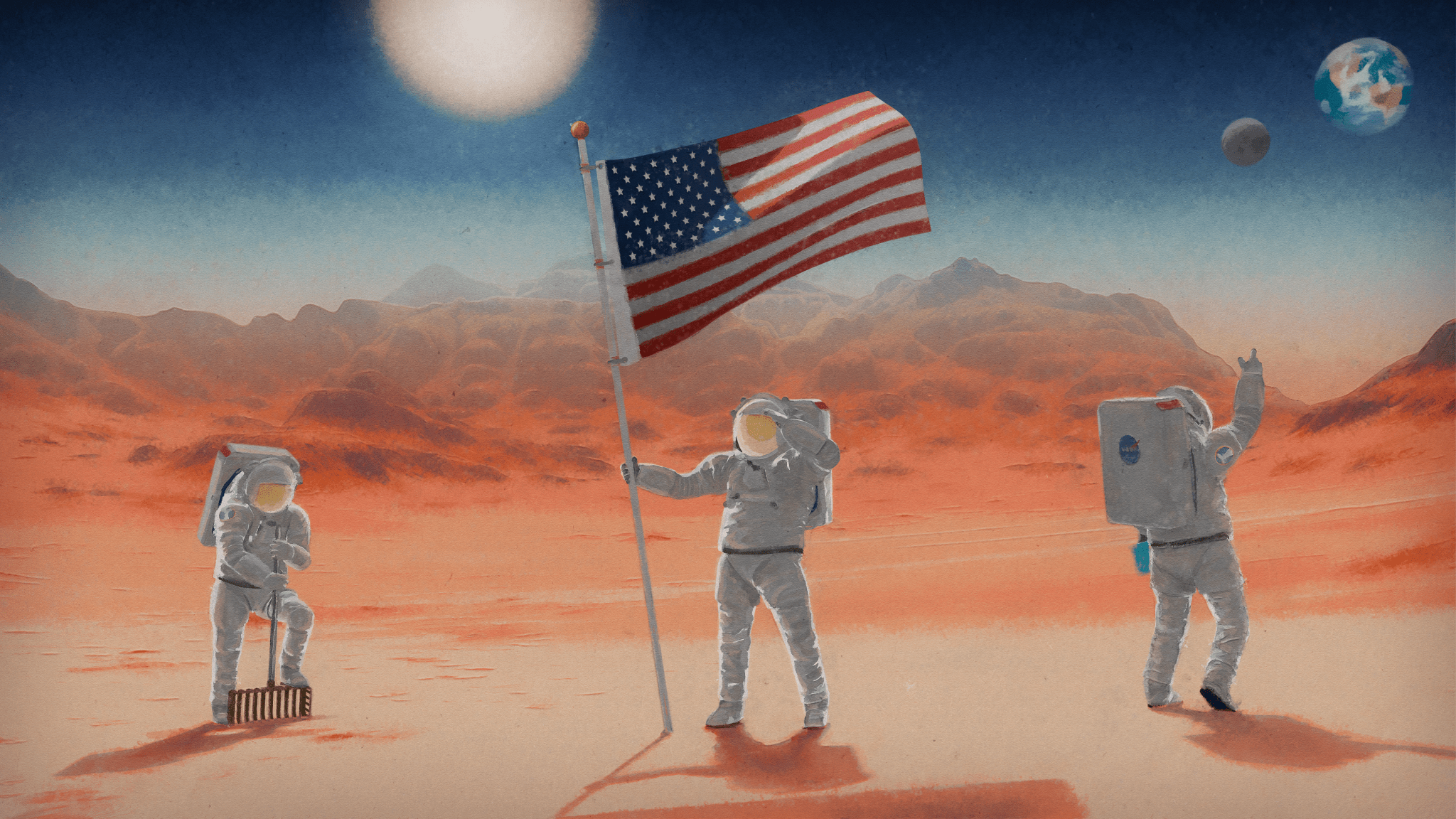
In space architecture analysis, the trade space is the range of possibilities for a mission or campaign. The Mars trade space represents the many approaches that NASA could take to land the first humans on the Red Planet. Currently, this space is relatively open. Major selections and decisions, like the decision to use nuclear fission power for the initial surface power generation technology for human missions, narrow down the options in the trade space.
As NASA continues to develop the Mars architecture, it will address the topics below in detail. These topics often include many interconnections; a robust architecture accounts for the many relationships between different areas to build a system of systems that work together seamlessly.
Mars Trade Space
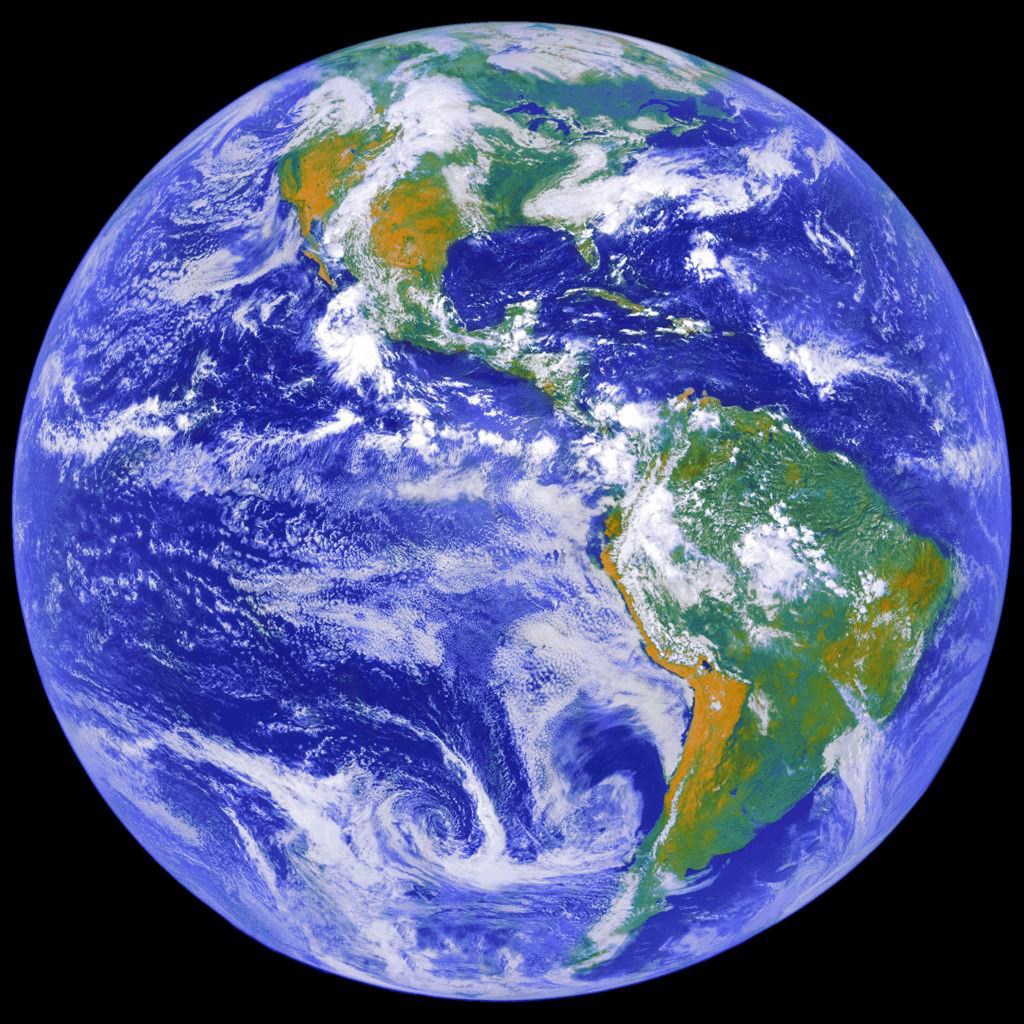
Getting to Mars
Transportation Systems
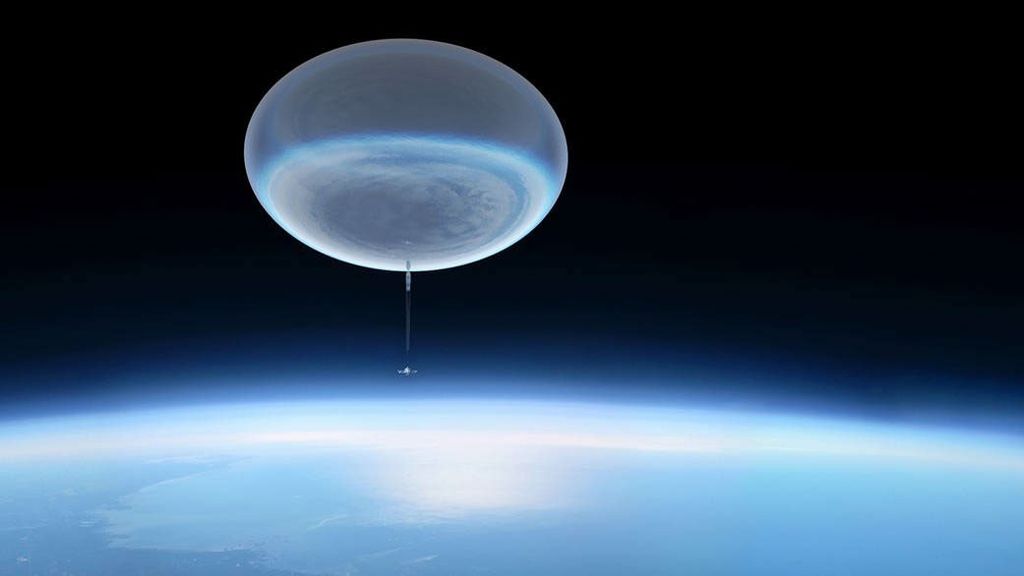
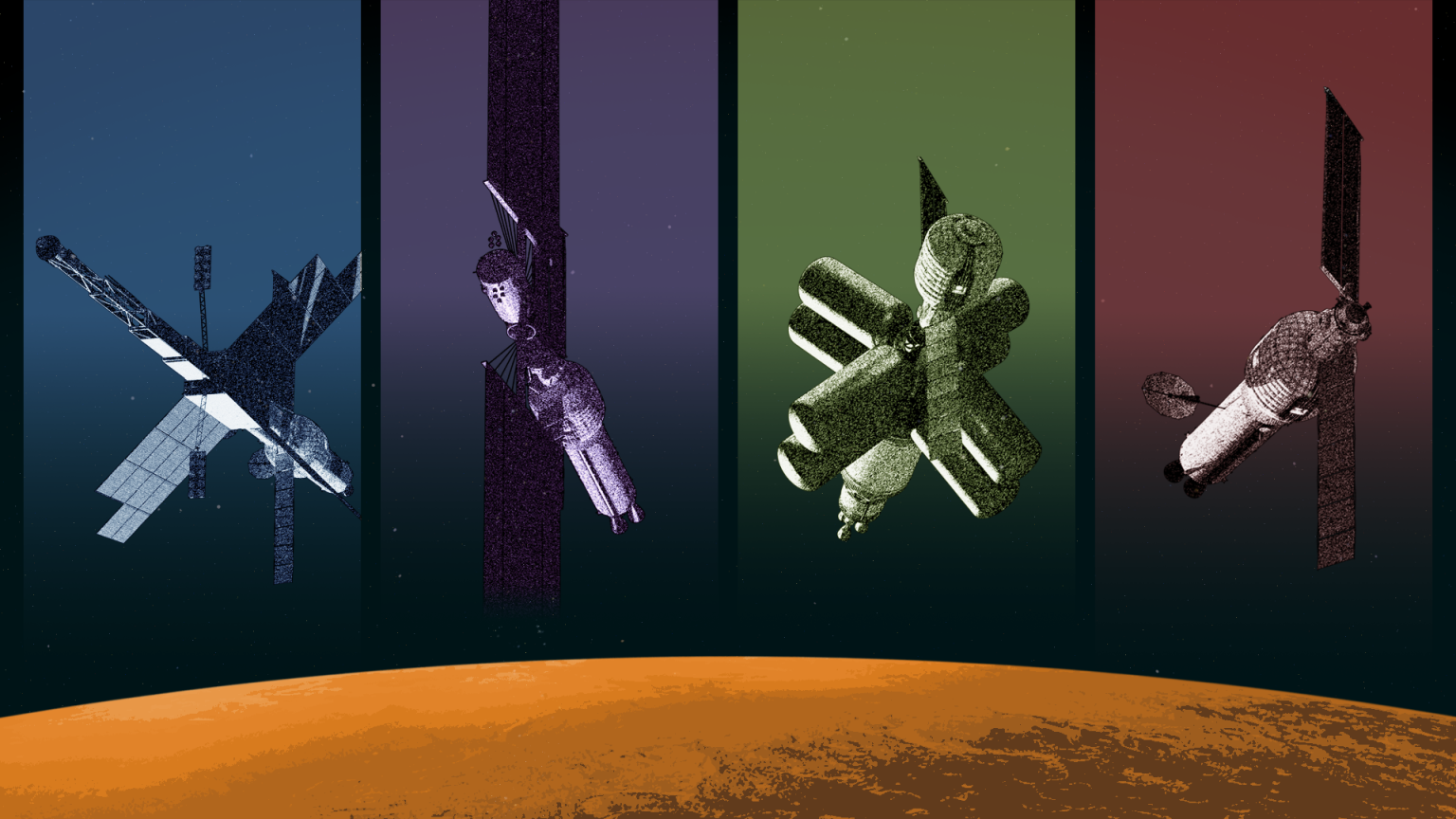
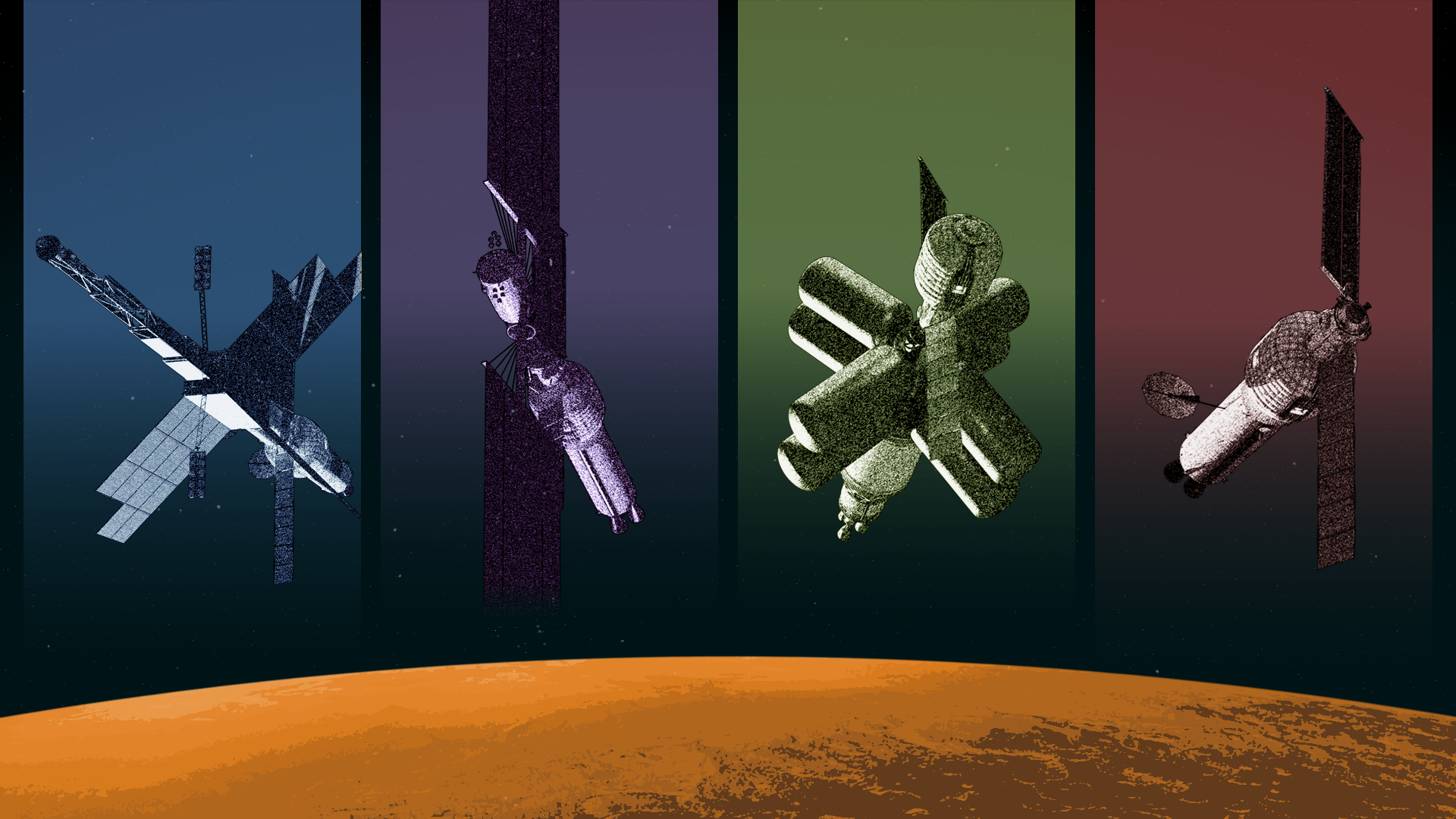
Transportation systems move astronauts and cargo between Earth to Mars. During this long journey, the safety and comfort of the crew are paramount. NASA could select from many in-space propulsion technologies, including chemical, nuclear electric, nuclear thermal, solar electric, or hybrid systems that combine multiple propulsion methods. Each technology has its own set of trade-offs in cost, speed, and technological maturity, and NASA could choose different technologies for different purposes (e.g., one type for human transportation and another for cargo missions). Transportation systems also include the rockets that launch Mars mission assets from Earth.
Mars Trade Space
Landing on Mars
Entry, Descent, and Landing Systems
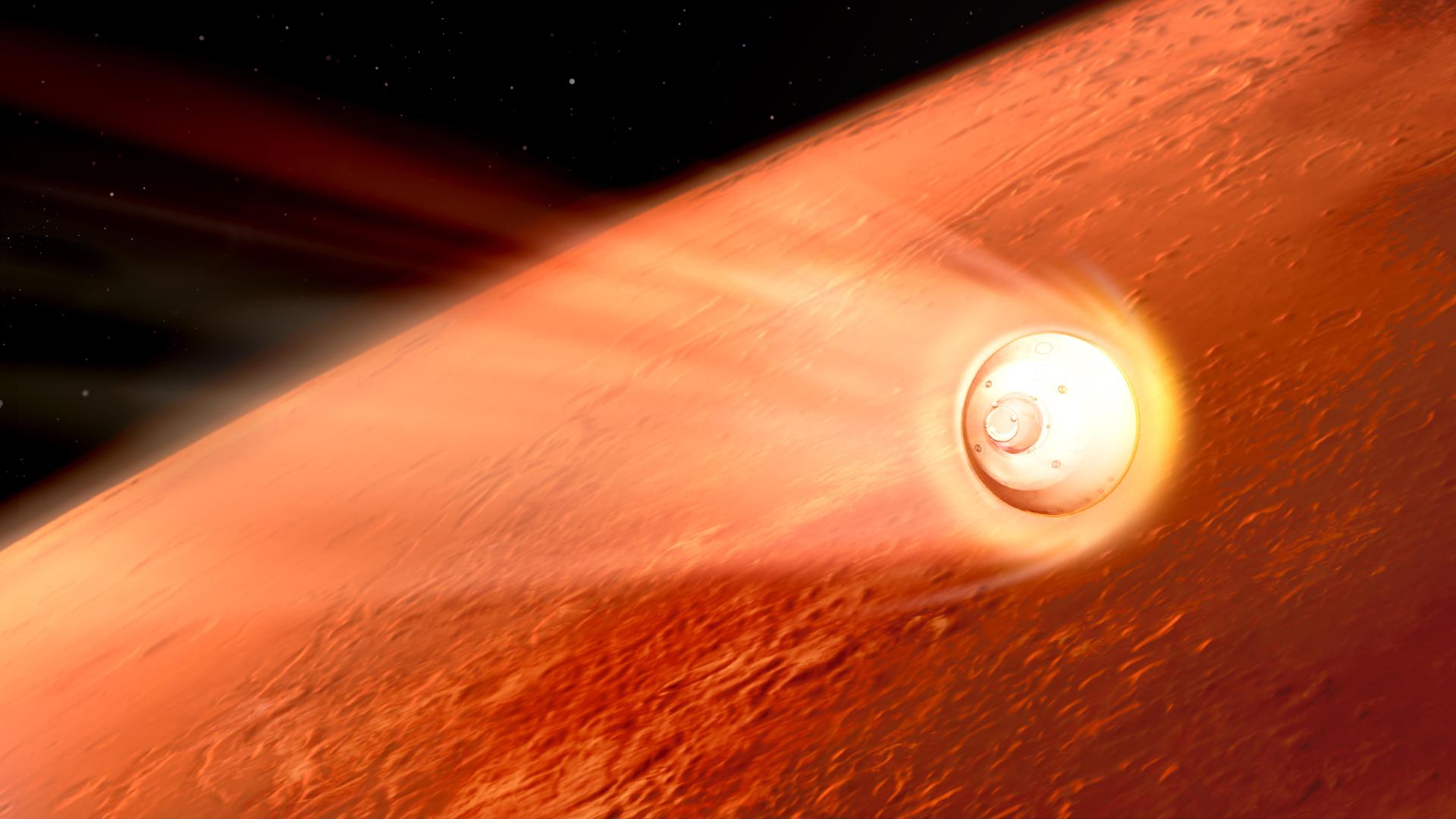
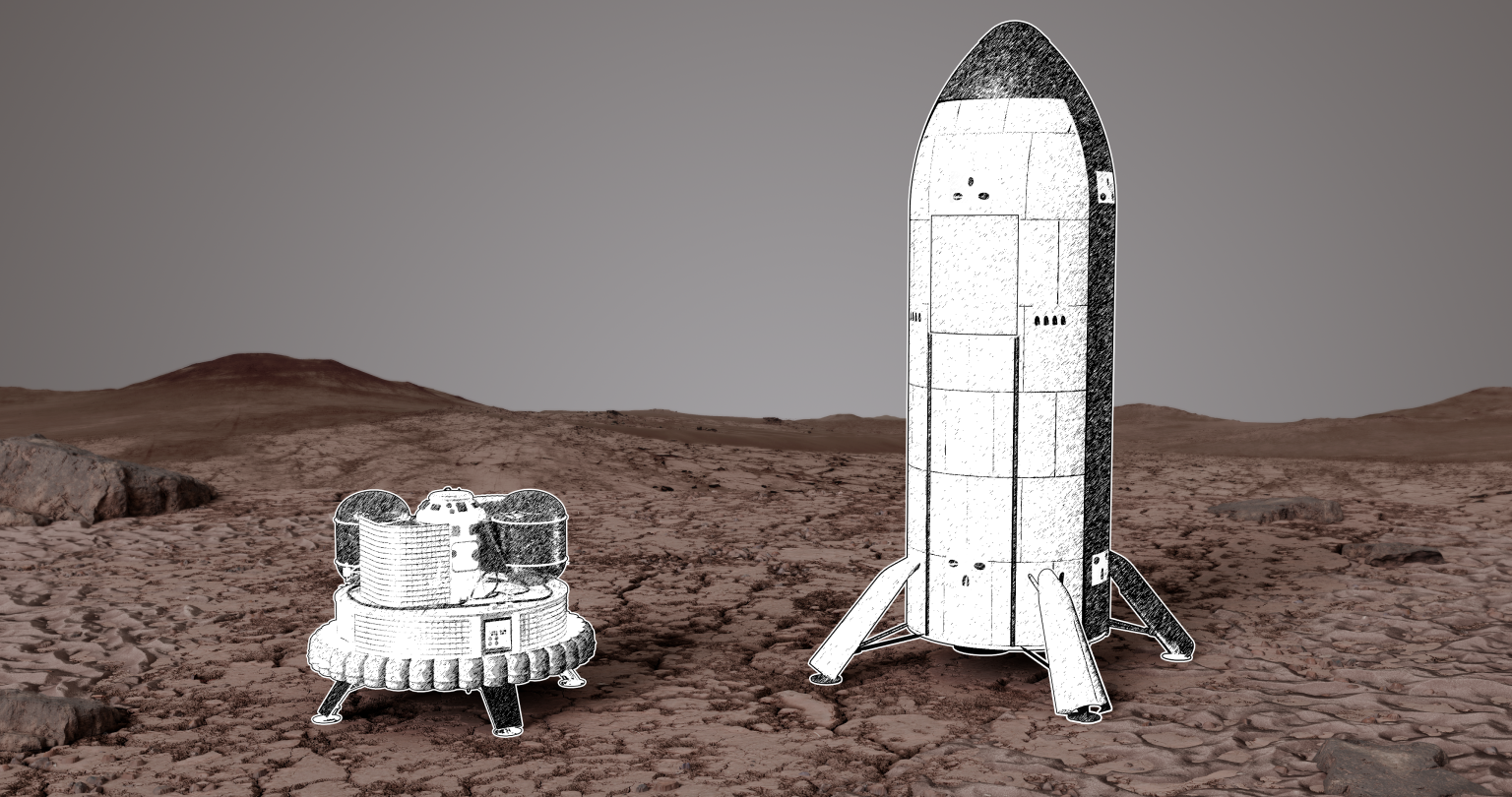
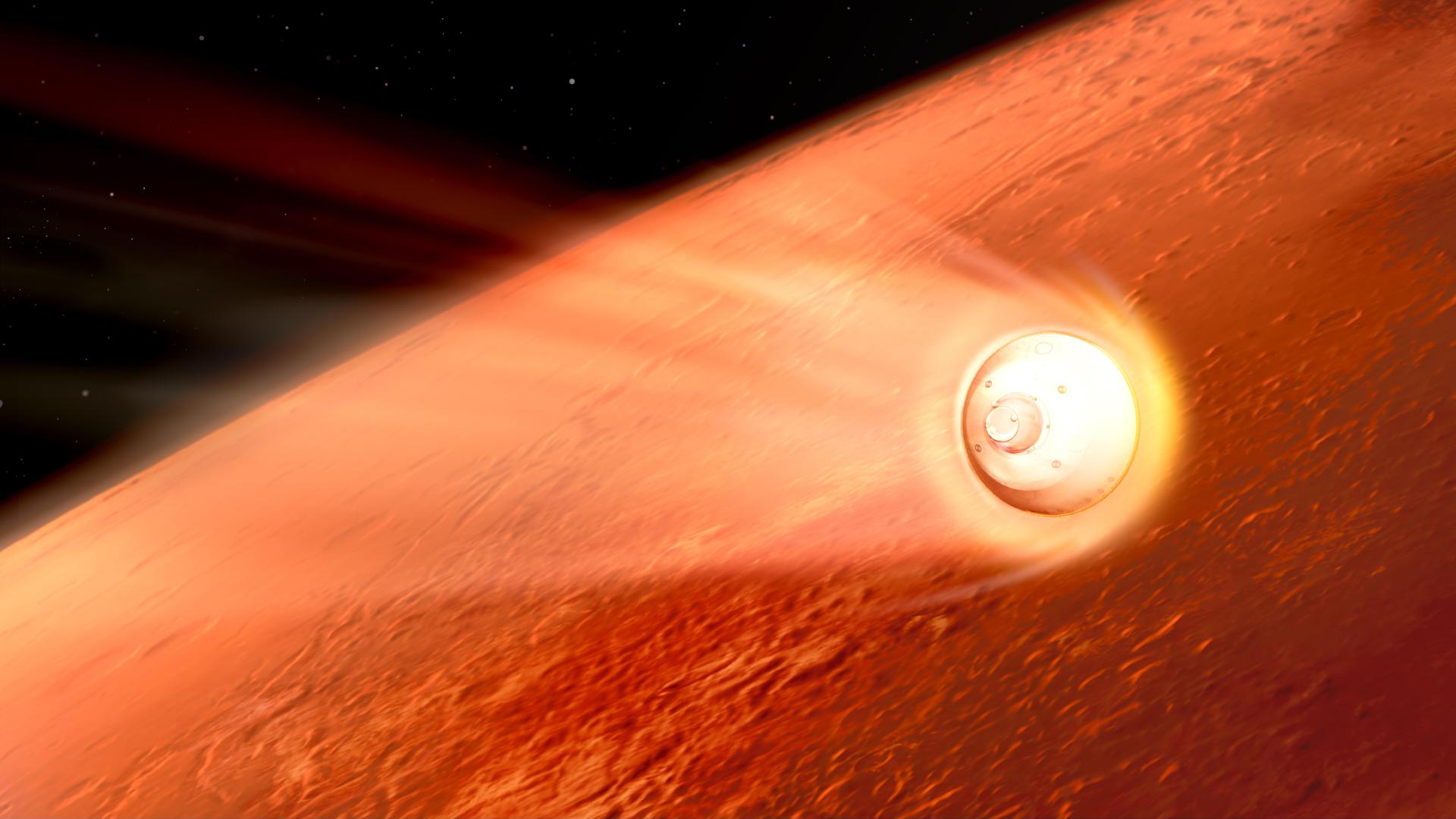
Entry, descent, and landing (EDL) systems encompass everything needed to land people and equipment on the Martian surface. NASA must define landers that can deliver the necessary mass and transport humans safely. Essential considerations include the size of landing vehicles, how they will slow down and land softly after entering the Martian atmosphere, and the order in which NASA conducts individual landings to support human exploration.
Mars Trade Space
Living on Mars
Crew Systems
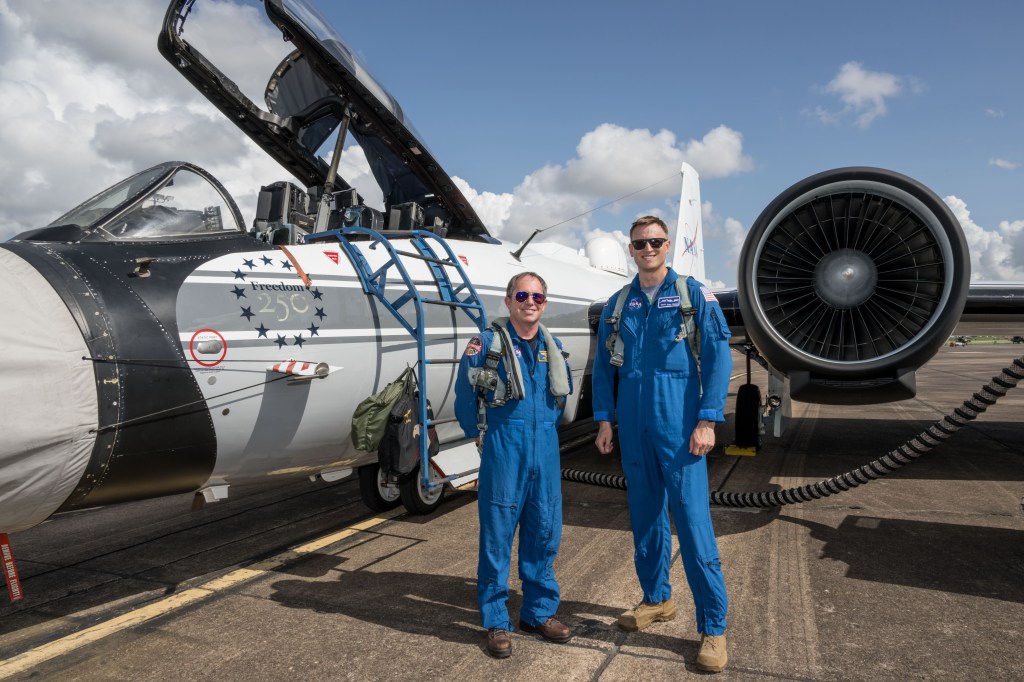
Crew systems keep human explorers safe and productive. They include both physical equipment like space suits for venturing out in space and on the Martian surface and services like communications systems to keep them in touch with mission controllers and family on Earth. This category also covers essentials like food, water, and clothing. The human explorer is the most crucial part of space exploration, and crew systems considerations include designing functional, comfortable equipment with humans in mind.

Mars Trade Space
Working on Mars
Surface Systems
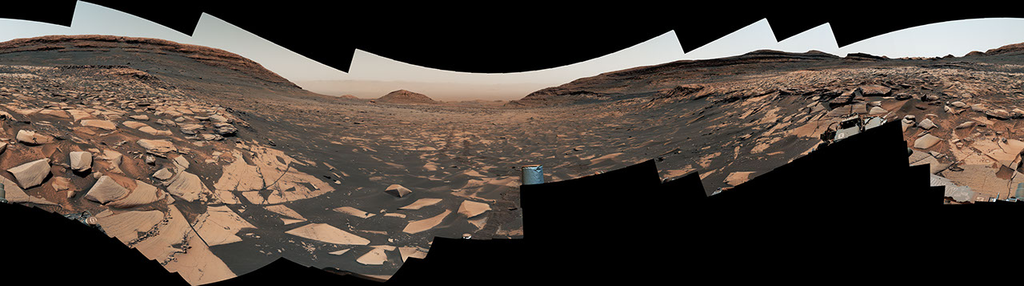
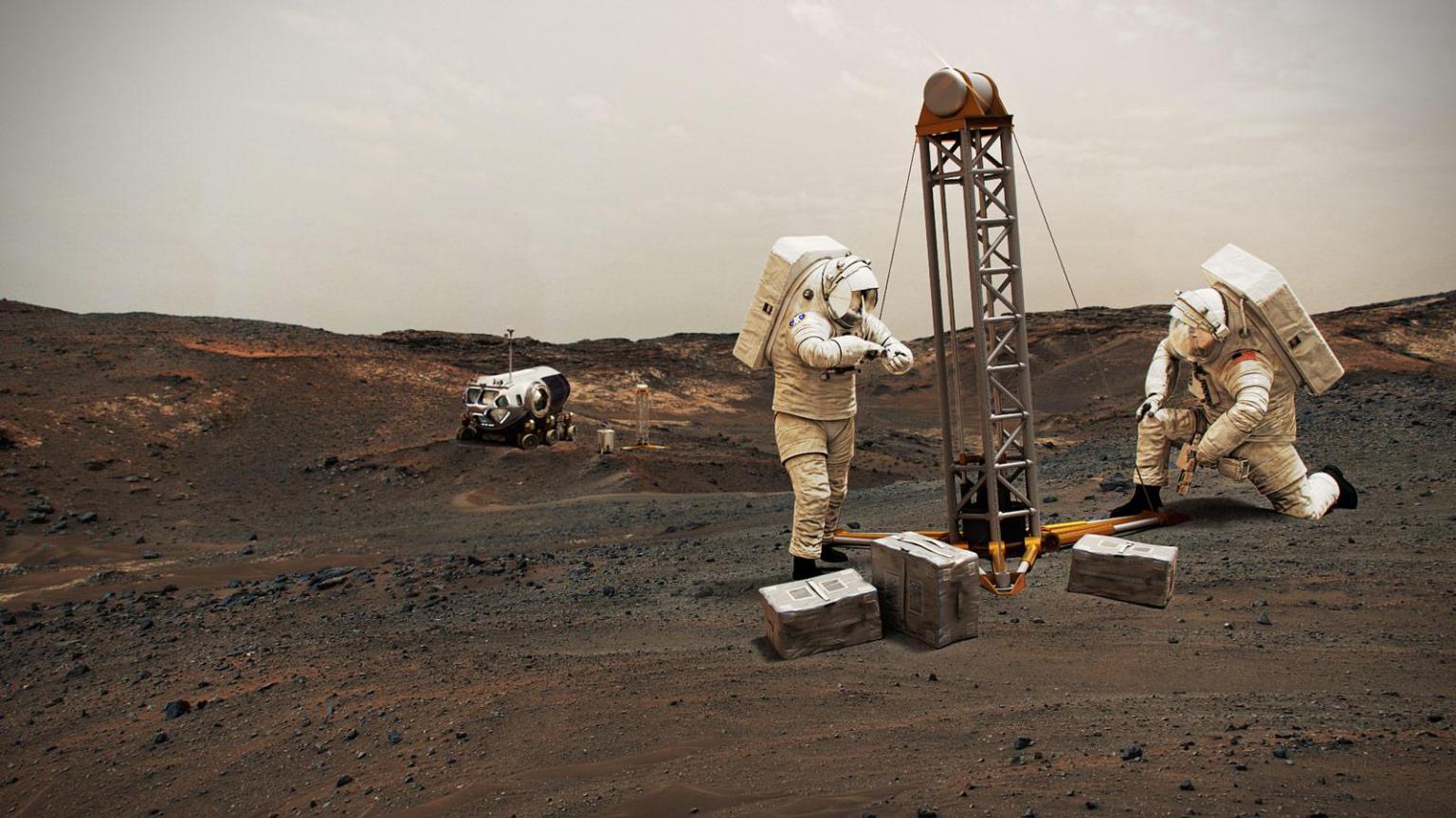
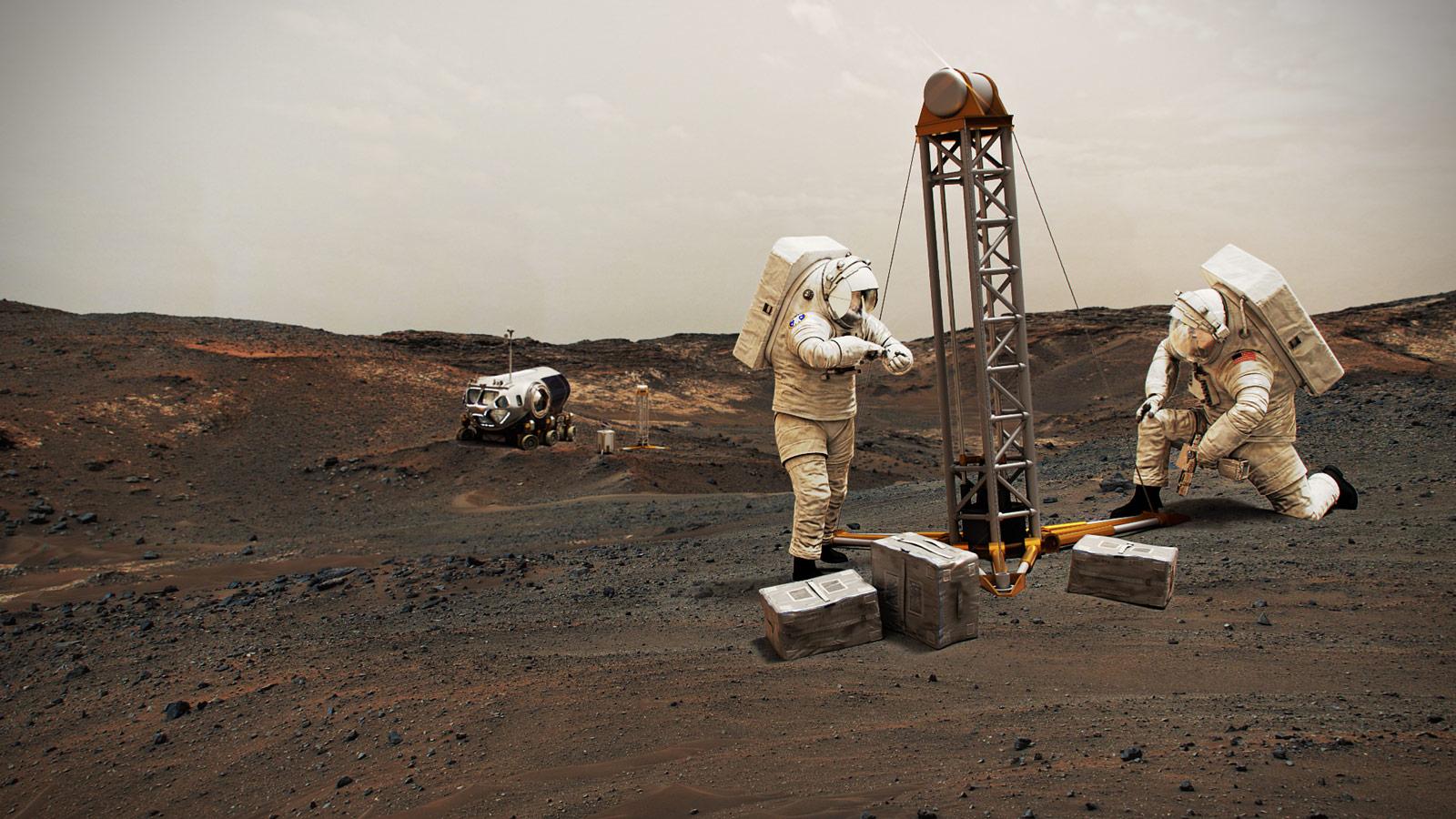
Surface systems enable astronauts to live and work on the Martian surface. These include habitats, mobility systems like rovers, robotic helpers, and scientific equipment. Factors like the number of crew members, the length of their stay on Mars, and their exploration goals will define what astronauts need on the surface. For example, a mission that aims to explore multiple locations on the surface will rely heavily on mobility systems to move astronauts around between areas of interest.
Mars Trade Space
Getting Back from Mars
Ascent Systems
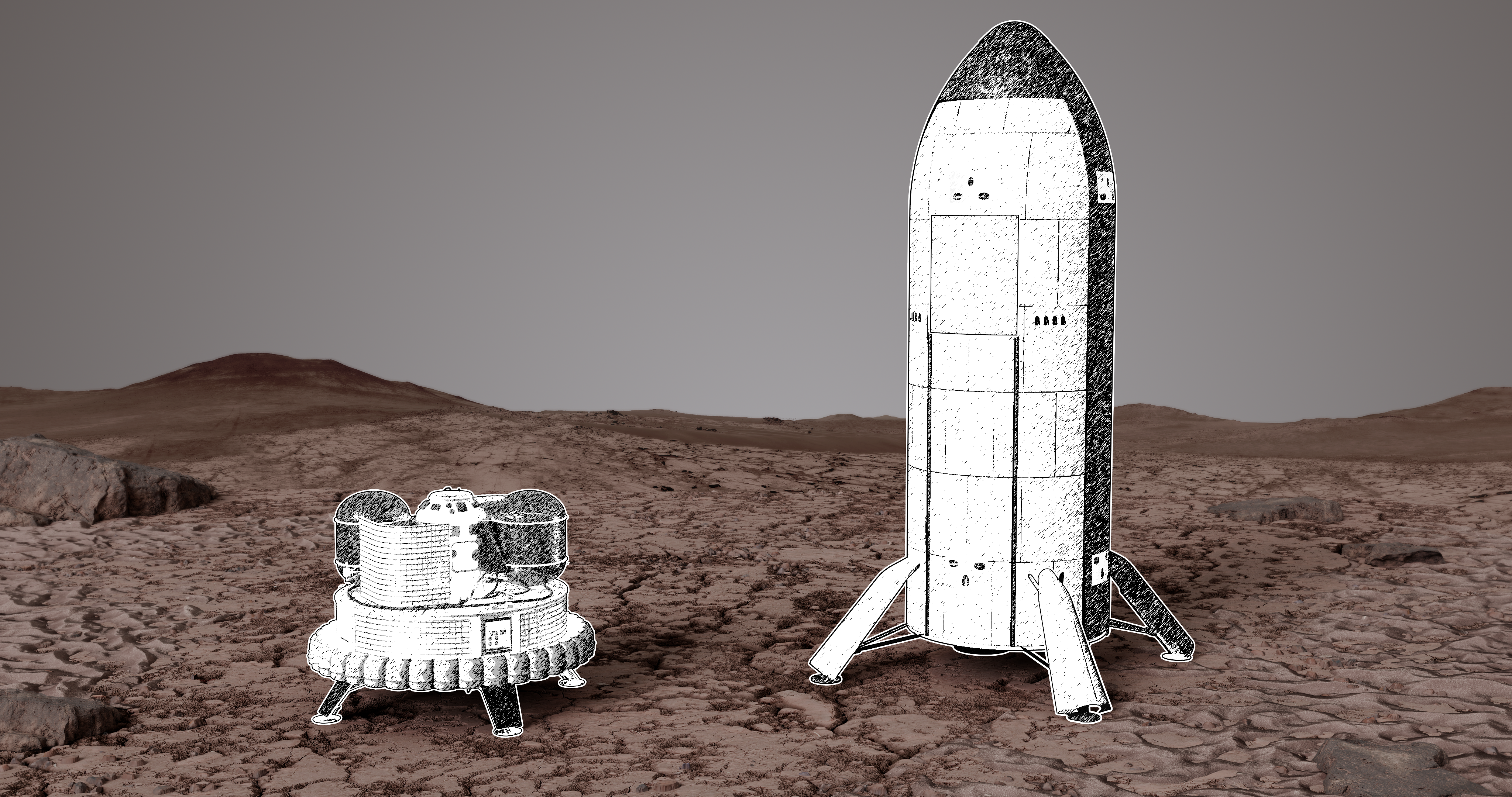
NASA has landed many robotic missions on Mars, but it has never attempted an orbital ascent from the Martian surface. A key element of human exploration is returning the crew safely to Earth — and the first step of this journey is lifting off from the Martian surface. The trade space for ascent vehicles is wide. The landing vehicle could double as an ascent vehicle, or they could be two separate systems, with the ascent vehicle delivered before the crew arrives. Ascent vehicles could use a range of fuels and could arrive at Mars with that fuel or rely on in-situ resource utilization systems to generate it. The ascent system architecture will depend on the number of crew members it must transport, the mass of samples it must return to Earth, and myriad other factors.

Forward Work
As NASA defines more of the Mars architecture trade space, it will update the Architecture Definition Document to reflect new elements, the target state, and expected operations. Future white papers will provide deep dives into specific areas of the Mars trade space, capturing NASA’s work toward defining the first human missions to the Red Planet.