














Suggested Searches

Safety, History, Contingency, & Mishaps

Apollo Lunar Lander

As NASA plans to return to the moon during the Artemis missions, important lessons can be drawn from the Apollo missions of the ‘60s and ‘70s. The Apollo Lunar Module (LM) successfully supported lunar descent, landing, EVA operations, all necessary crew functions for the duration of the mission and ascent from the surface. Using it as a starting point for reference can save time and resources for new designs, as well as provide the opportunity to address past issues.

Apollo Lunar Lander PDF Arrow Icon

Astronaut Edwin E. Aldrin Jr., lunar module pilot of the first lunar landing mission, poses for a photograph beside the deployed United States flag during an Apollo 11 extravehicular activity (EVA) on the lunar surface. The Lunar Module (LM) is on the left, and the footprints of the astronauts are clearly visible in the soil of the moon. Astronaut Neil A. Armstrong, commander, took this picture with a 70mm Hasselblad lunar surface camera. While astronauts Armstrong and Aldrin descended in the LM, the "Eagle", to explore the Sea of Tranquility region of the moon, astronaut Michael Collins, command module pilot, remained with the Command and Service Modules (CSM) "Columbia" in lunar orbit.
Astronaut Edwin E. Aldrin Jr., lunar module pilot of the first lunar landing mission, poses for a photograph beside the deployed United States flag during an Apollo 11 extravehicular activity (EVA) on the lunar surface. The Lunar Module (LM) is on the left, and the footprints of the astronauts are clearly visible in the soil of the moon. Astronaut Neil A. Armstrong, commander, took this picture with a 70mm Hasselblad lunar surface camera. While astronauts Armstrong and Aldrin descended in the LM, the “Eagle”, to explore the Sea of Tranquility region of the moon, astronaut Michael Collins, command module pilot, remained with the Command and Service Modules (CSM) “Columbia” in lunar orbit.
NASA

Artemis Lighting

NASA crewed spaceflight programs have had years of experience with the Space Shuttle and International Space Station (ISS) programs in performing exterior vehicle proximity activities such as crewed Extravehicular Activities (EVAs), robotics, docking, and inspections. These experiences have been operated in full sunlight every 45 minutes during each orbit in Low Earth Orbit (LEO). The lunar surface, especially at the South Pole, will have poor lighting conditions due to the day-night cycle lasting one Earth month (see photos below for comparison to Apollo conditions) and the extremely low angle of the sun relative to the South Pole surface. Exploration of exterior lighting systems need to plan for both perpetual darkness and perpetual harsh sunlight. This Artemis Lighting Considerations Overview Technical Brief is intended to provide guidance on development of an integrated lighting architecture plan that accommodates human and machine vision related EVA tasks. The lighting engineering process may involve trade-offs in meeting these needs within power constraints and physical restrictions on light sources and operator placement. Treatment of the solution as an integrated design project will provide for the development of all end-item components (suits, lunar terrain vehicle (LTV), Human Lander System (HLS), and Surface) needed to provide a productive lighting system that supports crew safety and performance of mission objectives.

Artemis Lighting PDF Arrow Icon

a simulated lunar environment
A team at NASA’s Ames Research Center created a simulated lunar environment to study lighting conditions experienced at the unexplored poles of the Moon. Over 12 scenarios of craters and rock formations were recreated and thousands of stereo photography images were collected for accurate simulations to improve the stereo viewing capabilities of future robotic systems navigating unknown terrain and avoid hazards on the Moon.
photo by Uland Wong

Automated and Robotic Systems

As missions, spacecrafts, and operations become progressively more complex, there is an increased reliance on automated systems and a need for diligence in enabling crewmembers to manage automated systems and subsystems. The human operator needs to maintain situation awareness to work effectively with automation, calibrate trust in the system, and avoid errors. Automation functions need to be designed around human roles for specific tasks, with the human operator having ultimate authority. Crewmembers should have the capability to override and/or shut down the automated systems as long as the transition to manual control is feasible and won’t cause a catastrophic event. The allocation of responsibilities between humans and automation should seek to optimize overall integrated team performance. “Ineffective user interfaces, poor system designs, or illadvised functional task allocation will compromise mission success and safety.”(HRP Evidence Report, 2013).

Automated and Robotic Systems PDF Arrow Icon

High quality production photos of Robonaut (R2) in Building 14 EMI chamber and R1/EMU photos in Building 32 – Robonaut Lab. Photo Date: June 1, 2010. Location: Building 14 – EMI Chamber/Building 32 – Robonaut Lab. Photographers: Robert Markowitz & Bill Stafford.

Behavioral Health Mishaps

Spaceflight mishaps related to behavioral health problems have been quite low however, the actual incidence may be underestimated due to the reluctance of astronauts to report them. Behavioral health decrements can lead to performance-related effects that compromise the crew’s ability to function, especially under abnormal or emergency conditions. Some reported spaceflight incidents indicate that sleep loss, circadian desynchronization, fatigue, and work overload, as experienced by ground and flight crews, may lead to performance errors, potentially compromising mission objectives. Managing behavioral health conditions during space missions is critical for the mental efficiency and safety of the crew and, ultimately, for the mission’s success.

Behavioral Health Mishaps PDF Arrow Icon

Peering through the International Space Station's Cupola, or "window to the world," the western coast of Chile is visible. Through a window on the left, one of the orbiting laboratory's solar arrays can be seen; in the center, Northrop Grumman's cymbal-shaped solar array is peeking in, and in the bottom right corner window, the Roscosmos segment of the station is visible.
Peering through the International Space Station’s Cupola, or “window to the world,” the western coast of Chile is visible. Through a window on the left, one of the orbiting laboratory’s solar arrays can be seen; in the center, Northrop Grumman’s cymbal-shaped solar array is peeking in, and in the bottom right corner window, the Roscosmos segment of the station is visible.
NASA

Cabin Architecture

A cabin space intended for human use must keep the occupant(s) alive, support all the physical systems and cargo that a mission requires, and accommodate the activities the crew must perform. These necessities must be balanced against volume and mass limits imposed by the capabilities of the vehicle itself. Technical requirements in NASA-STD3001 Volume 2 aim to ensure the crew cabin contains all necessary features to maximize crew efficiency, human performance, and mission success.

Cabin Architecture PDF Arrow Icon

NASA astronaut Christina Koch relocates and organizes International Space Station hardware inside the Leonardo Permanent Multipurpose Module (PMM) from ESA (European Space Agency). The PMM is attached to the forward-facing facing portion of the Tranquility module. Directly opposite of the PMM on Tranquility is the Bigelow Expandable Activity Module (BEAM).
iss059e025106 (April 18, 2019) — NASA astronaut Christina Koch relocates and organizes International Space Station hardware inside the Leonardo Permanent Multipurpose Module (PMM) from ESA (European Space Agency). The PMM is attached to the forward-facing facing portion of the Tranquility module. Directly opposite of the PMM on Tranquility is the Bigelow Expandable Activity Module (BEAM).
NASA

Cabon Dioxide (CO2)

On Earth, physiological Carbon Dioxide (CO2) levels are managed by our lungs and environment. Our lungs collect vital oxygen (O2) through inhalation, circulate O2 throughout our body and to vital organs via the bloodstream, and then upon exhale, release CO2 into the environment. When our respiratory system does not function nominally, either from physical or environmental limits, CO2 can build-up in our bodies (hypercapnia) and cause symptoms such as headache, dyspnea, fatigue, and in extreme cases, death. Our environment naturally eliminates CO2 through photosynthesis of plants and trees, weathering, and other experimental CO2 removal processes. Humans in space face hostile, enclosed environments (including vehicles and suits) that do not have the benefit of natural CO2 removal, relying on CO2 removal equipment (e.g., the Carbon Dioxide Removal Assembly (CDRA), lithium hydroxide, and amine systems) to help regulate CO2 levels in the environment and help decrease risk of negative consequences of elevated CO2 exposure.

Carbon Dioxide PDF

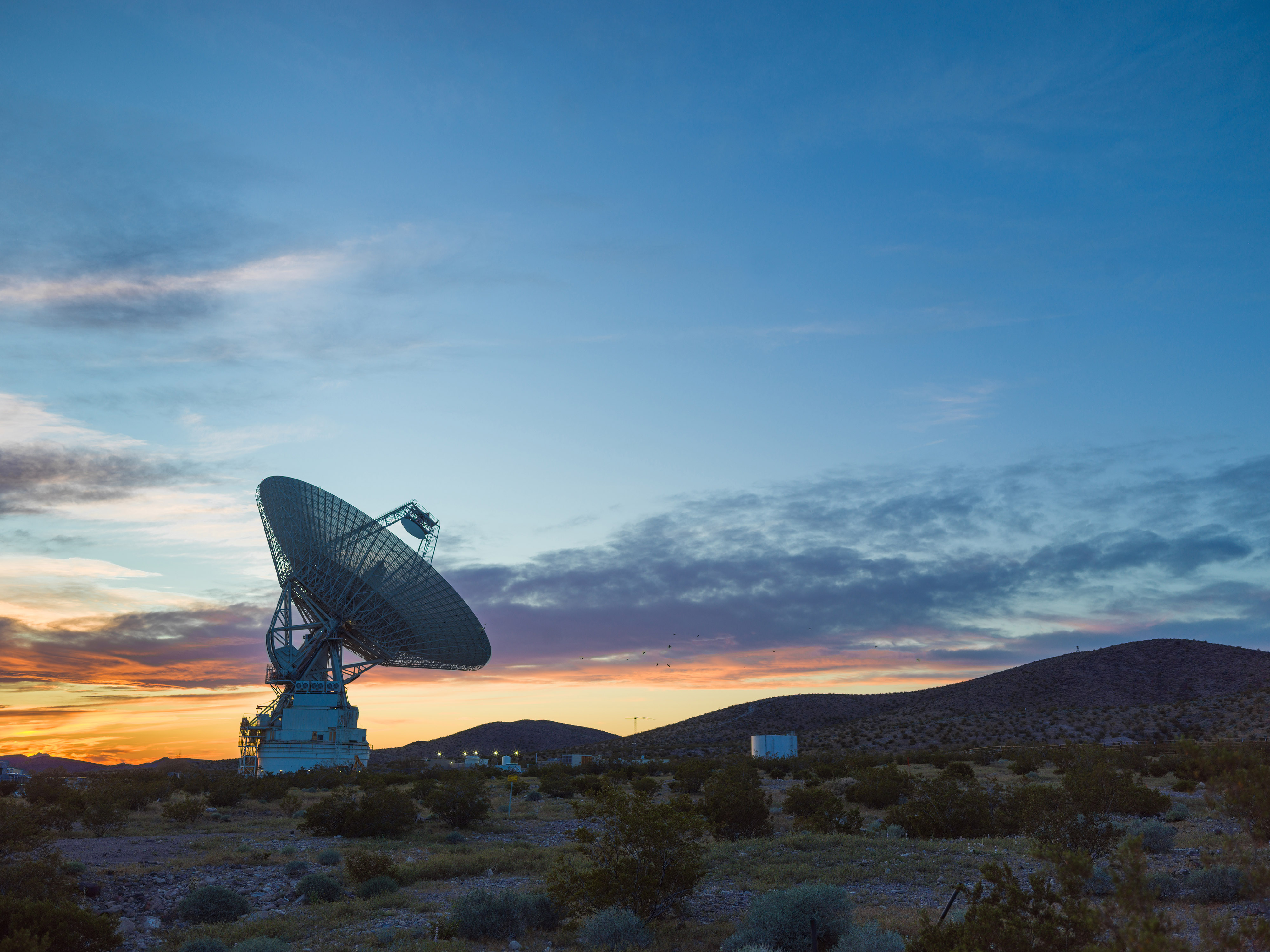
This sunset photo shows Deep Space Station 14 (DSS-14), the 230-foot-wide (70-meter) antenna at the Goldstone Deep Space Communications Complex near Barstow, California, part of NASA's Deep Space Network. The network's three complexes around the globe support communications with dozens of deep space missions. DSS-14 is also the agency's Goldstone Solar System Radar, which is used to observe asteroids that come close to Earth.
This sunset photo shows Deep Space Station 14 (DSS-14), the 230-foot-wide (70-meter) antenna at the Goldstone Deep Space Communications Complex near Barstow, California, part of NASA’s Deep Space Network. The network’s three complexes around the globe support communications with dozens of deep space missions. DSS-14 is also the agency’s Goldstone Solar System Radar, which is used to observe asteroids that come close to Earth.

Credit: NASA/JPL-Caltech

Crew Survivability

As future spaceflight missions become increasingly complex, longer in duration, and a further distance from Earth, readily available rescue and evacuation options must be evaluated to protect crewmembers during off-nominal survival scenarios. This technical brief explores options to support rescue scenarios by reducing the human usage of consumables (i.e., oxygen, food, water, power) to extend the mission to enable rescue. By considering these potential survival scenarios during the planning and design phase, providers can make informed decisions on vehicle capabilities, mission supplies, crew make-up and rescue options.
Crew Survivability PDF Arrow Icon

This sunset photo shows Deep Space Station 14 (DSS-14), the 230-foot-wide (70-meter) antenna at the Goldstone Deep Space Communications Complex near Barstow, California, part of NASA's Deep Space Network. The network's three complexes around the globe support communications with dozens of deep space missions. DSS-14 is also the agency's Goldstone Solar System Radar, which is used to observe asteroids that come close to Earth.
This sunset photo shows Deep Space Station 14 (DSS-14), the 230-foot-wide (70-meter) antenna at the Goldstone Deep Space Communications Complex near Barstow, California, part of NASA’s Deep Space Network. The network’s three complexes around the globe support communications with dozens of deep space missions. DSS-14 is also the agency’s Goldstone Solar System Radar, which is used to observe asteroids that come close to Earth.

Credit: NASA/JPL-Caltech

Electrical Shock

For spaceflight applications, it is important to protect humans from unintended electrical current flow. These technical requirements define the physiological limits for current flow for the following situations:

  • Nominal – Under allsituations
  • Catastrophic – Hazard threshold for all conditions
  • Catastrophic – Hazard threshold specifically for Startle Reaction
  • Leakage Current – Designed for Human Contact.

Current thresholds were chosen (vs. voltage thresholds) because body impedance varies depending on conditions such as wet/dry, AC/DC, voltage level, and large/small contact area; however, current thresholds and physiological effects do not change. By addressing electrical thresholds, engineering teams can provide the appropriate hazard controls, usually through additional isolation (beyond the body’s impedance), current limiters, and/or modifying the voltage levels. “Catastrophic hazard” language is used to relate the physiological level that shall not be exceeded without additional controls.

Electrical Shock PDF Arrow Icon

NASA Glenn Research Center has received the first of three Advanced Electric Propulsion System (AEPS) thrusters for the Gateway lunar space station. Built by L3Harris Technologies, the thruster will undergo testing before integration with Gateway’s Power and Propulsion Element, launching with the HALO module ahead of Artemis IV.

Environmental Control and Life Support System (ECLSS)

Humans living and working in space contend with a hostile/closed environment that must be monitored and controlled to keep the crewmembers safe and able to perform mission objectives. NASA-STD-3001 provides technical requirements that address the key aspects of the human physiological system that must be accounted for by programs employing human-rated systems. Compliance with requirements may be ensured with the tailored implementation of an Environmental Control and Life Support System (ECLSS). The ECLSS provides clean air and
water to crew in a manned spacecraft through artificial means. The ECLSS manages air and water quality, waste, atmospheric parameters, and emergency response systems.

ECLSS PDF Arrow Icon

A vivid red and green aurora crowns Earth’s horizon over the southern Indian Ocean in this photo from the International Space Station as it orbited 270 miles above. At top left, a lit window reveals the docked SpaceX Dragon crew spacecraft docked to the orbital outpost's forward port on the Harmony module, set against a starry sky captured with long-exposure, low-light settings.
iss073e0420541 (July 28, 2025) — A vivid red and green aurora crowns Earth’s horizon over the southern Indian Ocean in this photo from the International Space Station as it orbited 270 miles above. At top left, a lit window reveals the docked SpaceX Dragon crew spacecraft docked to the orbital outpost’s forward port on the Harmony module, set against a starry sky captured with long-exposure, low-light settings.
NASA

Extraterrestrial Surface Transport Vehicles (Rovers)

During any mission to an extraterrestrial surface, the presence of a transport vehicle (rover) will allow crewmembers
to travel farther from their lander or base, carry more equipment, and perform medical evacuations. The rover
presents its own set of risks and challenges, which must be overcome in accordance with technical requirements
listed in NASA-STD-3001. Lessons learned from the Apollo program can be applied to ongoing design and implementation of lunar and planetary rovers.

ESTV PDF

ISS032-E-011701 (4 Aug. 2012) — NASA astronaut Sunita Williams, Expedition 32 flight engineer, equipped with a bungee harness, exercises on the Combined Operational Load Bearing External Resistance Treadmill (COLBERT) in the Tranquility node of the International Space Station.

Fire Protection

Throughout the history of spaceflight, there have been numerous combustion events that have ranged in severity. Besides injury due to fire itself, a secondary hazard of fires is the inhalation of toxic combustion products. During and after a fire event, combustion products can present an immediate threat to the life of the crew due to the limited escape options, the fragility of the atmosphere, and the crew’s immediate need for safe air. The major approach to fire protection in current human-crew spacecraft is through prevention. Thus, fire safety relies strongly on the selection of materials proven to be fire-resistant through analysis and testing. During the design of new spacecrafts, trade studies for fire detection, fire suppression, crew response, crew protection, and post-fire clean-up and monitoring systems must be conducted. Improvements in the current fire-safety technology are necessary for future human-crew missions beyond low-Earth orbit. Deep Space exploration will challenge the existing tools and concepts of spacecraft fire safety

Fire Protection PDF Arrow Icon

Commander Akihiko Hoshide inspects safety gear
Commander Akihiko Hoshide inspects safety gear, including portable fire extinguishers and breathing hardware.

Lighting Design

Spacecraft lighting systems—inside and outside the vehicle—have a large number of contributing variables and factors to consider. Careful planning and consideration should be given to the development and performance verification of light sources, and for the system architecture integration and control of the lighting system. Improperly integrated lighting systems impact task and behavioral performance of the crew and can impact the performance of automated systems that rely on cameras.

Lighting Design PDF Arrow Icon

An artistic rendering of the Gateway - what will serve as home base for human and robotic missions to the Moon.
An artistic rendering of the Gateway – what will serve as home base for human and robotic missions to the Moon.
NASA

Lunar Dust

Lunar dust exposure during the Apollo missions has provided insight and many years of research of an extraterrestrial environment that has not been visited by humans since 1972. Due to the unique properties of lunar dust (and other celestial bodies), there is a possibility that exposure could lead to serious health effects (e.g., respiratory, cardiopulmonary, ocular, or dermal harm) to the crew or impact crew performance during celestial body missions. Limits have been established based largely on detailed peer-reviewed studies completed by the Lunar Airborne Dust Toxicity Advisory Group (LADTAG). Research on lunar dust is ongoing, and emergent considerations (e.g., the presence of toxic volatiles in permanently shadowed regions, allergenic potential of dust) will be appropriately addressed as the risk is more clearly understood. The role of dust mitigation and monitoring is also highlighted here, as these contribute to the ability to characterize crew exposures and minimize risk.

Lunar Dust PDF Arrow Icon

Astronaut footprint on the Moon
AS11-40-5878 (20 July 1969) — A close-up view of an astronaut’s bootprint in the lunar soil, photographed with a 70mm lunar surface camera during the Apollo 11 extravehicular activity (EVA) on the moon. While astronauts Neil A. Armstrong, commander, and Edwin E. Aldrin Jr., lunar module pilot, descended in the Lunar Module (LM) “Eagle” to explore the Sea of Tranquility region of the moon, astronaut Michael Collins, command module pilot, remained with the Command and Service Modules (CSM) “Columbia” in lunar orbit.
NASA

Mission Duration

Mission duration is a key factor for many of the human system risks of spaceflight. Some risks are already known challenges and will be further exacerbated by increased mission duration. It is also one of the parameters that defines the applicable requirements to the engineering system. As the duration of a mission increases, the physical volume required to accommodate the personal needs of the crew and the mission tasks increases. Long-duration missions can also affect the crews’ behavioral health due to confinement, stress, and isolation. The psychological needs of a long-duration mission drive additional volume and privacy requirements. Designing architecture for long-duration spaceflight missions requires consideration of additional factors that may not be as critical for a short duration mission. Success of a mission and the lives of the crew will depend on reliable systems that are optimal from the earliest phases of design.

Mission Duration PDF Arrow Icon

A man in a white space suit and helmet smiles as he is being carried outside.
Expedition 69 NASA astronaut Frank Rubio outside the Soyuz MS-23 spacecraft after landing near the town of Zhezkazgan, Kazakhstan, on Sept. 27, 2023.
NASA/Bill Ingalls

Mortality Related to Human Spaceflight

Despite screening, health care measures, and safety precautions, crewmember fatalities are possible during spaceflight. Programs must establish comprehensive plans that make the appropriate decisions in terms of protecting the crew and mission objectives, determining the cause of death, and handling of the remains with dignity, honor, and respect while working with the crew’s families, other federal agencies, and international partners, while respecting the spiritual, religious and cultural aspects of remains handling. A spaceflight-related fatality event may occur during any operational mission phase (pre-flight, inflight, or postflight).
Mortality Related to Human Spaceflight PDF Arrow Icon

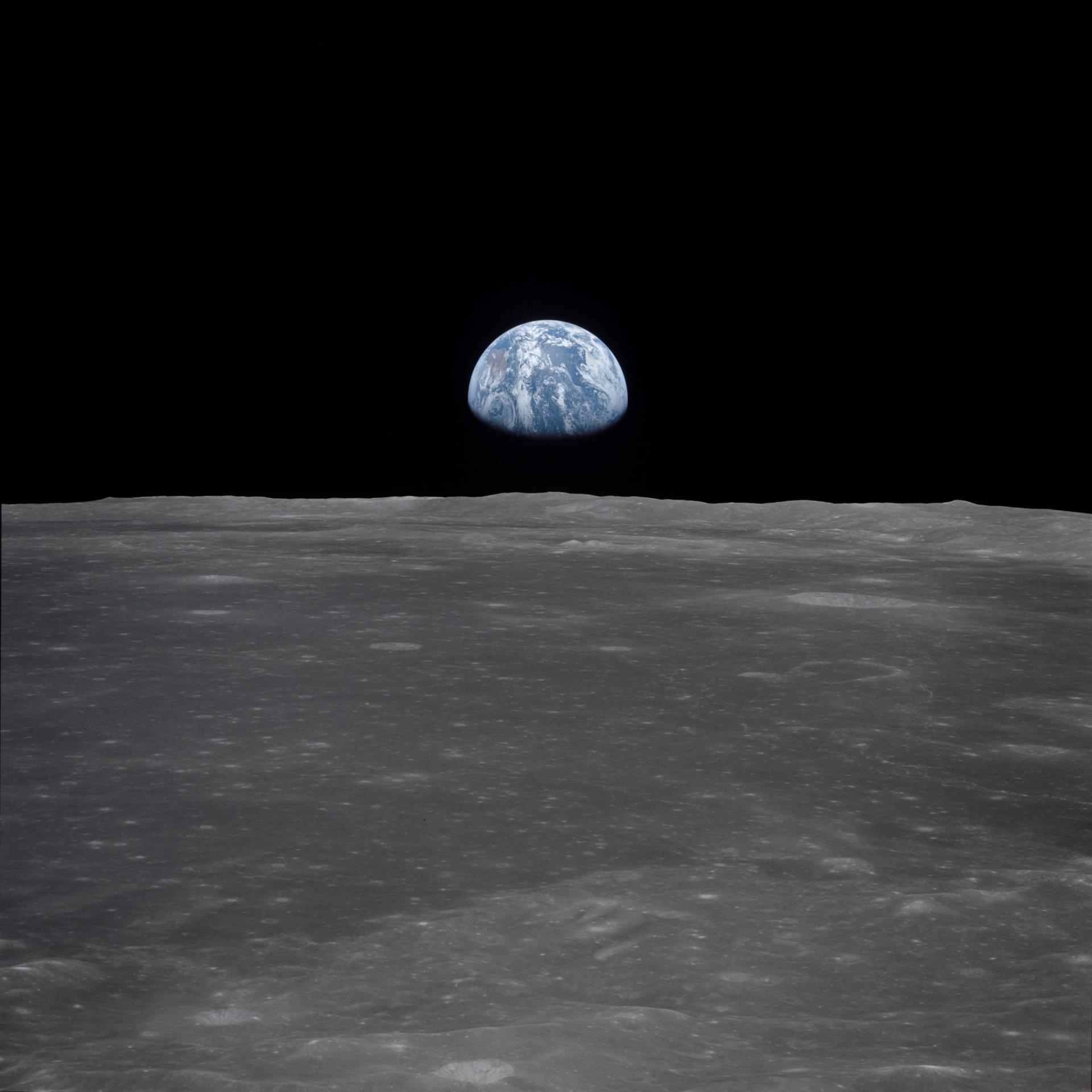
AS11-44-6551 (July 1969) — This view from the Apollo 11 spacecraft shows the Earth rising above the moon’s horizon. The lunar terrain pictured is in the area of Smyth’s Sea on the nearside. Coordinates of the center of the terrain are 85 degrees east longitude and 3 degrees north latitude. While astronauts Neil A. Armstrong, commander, and Edwin E. Aldrin Jr., lunar module pilot, descended in the Lunar Module (LM) “Eagle” to explore the Sea of Tranquility region of the moon, astronaut Michael Collins, command module pilot, remained with the Command and Service Modules (CSM) “Columbia” in lunar orbit.

Non-Ionizing Radiation

Non-ionizing radiation (NIR) is one of the health risks that astronauts face in spaceflight. Sources of NIR that are monitored in an effort to protect crew include radiofrequency (RF) emitters, natural and artificial incoherent light sources, and lasers. As research and development activities on the International Space Station (ISS) have progressed, NIR sources have expanded to include the use of stronger lasers and more powerful antennas for improved communication capabilities. Current NIR safety requirements are based on terrestrial guidelines, however the spaceflight environment has unique challenges that require a proactive, flexible, and highly adaptive risk management approach that is unique when compared to terrestrially-based NIR safety processes. Hardware design and controls, health countermeasures, and operational controls are all used as part of the NASA’s NIR hazard mitigation strategy.

Non-Ionizing Radiation PDF Arrow Icon

Expedition 51 Portrait Inside the Cupola
The five Expedition 51 crew members pose for a portrait with the captured Cygnus resupply ship from Orbital ATK just outside the cupola.

Occupant Protection

Vehicle designers must consider the various mechanisms of a vehicle’s system during dynamic phases of flight to protect the occupants, notably acceleration and vibration affects on humans. Acceleration limits are set in the x, y, and z axes for all mission phases to protect the crew from injury and other acceleration-related conditions. These limits are divided into two-time regimes:

  • sustained (>0.5 seconds), and
  • transient (≤0.5 seconds)

They are further divided according to:

  • whether the acceleration is translational or rotational
  • the phase of flight, and
  • whether the crew is standing or sitting Excessive whole-body vibration can lead to fatigue, discomfort, vision degradation, and risk resulting from hand vibration reducing fine motor control.

Occupant Protection PDF Arrow Icon

This landscape of “mountains” and “valleys” speckled with glittering stars is actually the edge of a nearby, young, star-forming region called NGC 3324 in the Carina Nebula. Captured in infrared light by NASA’s new James Webb Space Telescope, this image reveals for the first time previously invisible areas of star birth.
NASA, ESA, CSA, and STScI

Radiation Protection

During any mission, crewmembers face threats of ionizing radiation from a variety of sources. Technical requirements outlined in NASA-STD3001 state that individual crewmember’s total career effective radiation dose during spaceflight radiation exposure is not to exceed 600 millisieverts (mSv). Additionally, short-term radiation exposure to solar particle events is limited to an effective dose of 250 mSv per event to minimize acute effects. Design choices and shielding strategies can be implemented to reduce the threat posed by radiation and ensure crew safety and health.

Radiation Protection PDF Arrow Icon

Image of sun's surface with solar flare visible
A medium-sized (M2) solar flare and a coronal mass ejection erupted from the same, large active region of the sun on July 14, 2017. The flare lasted almost two hours, quite a long duration. The coils arcing over this active region are particles spiraling along magnetic field lines.

Touch Temperature

Exposure to either extreme heat or extreme cold, form whole-body exposure or contact with hot or cold surfaces, can be dangerous to crewmembers. Hot or cold surfaces are safety hazards due to the risk of touch exposure causing performance decrements and an inability to handle an object and/or numbness, ultimately leading to damage and illness (infection) of the skin/tissue. The sensation of the temperature of an object depends on the type of material that is touched and in some cases on the perception of injury by the human. An analysis utilizing test data can be preformed to determine the lag between the object temperature and skin temperature, which is one of the controls for both critical and catastrophic hazards related to touch temperature.

Touch Temperature PDF Arrow Icon

Tissue chambers shown during media exchanges and tissue fixations of the Human iPSC-based 3D Microphysiological System for Modeling Cardiac Dysfunction in Microgravity (Engineered Heart Tissue) investigation inside the Life Sciences Glovebox (LSG) in the Japanese Experiment Module (JEM) aboard the International Space Station (ISS). The Engineered Heart Tissues research model could be an effective tool for better understanding cardiac function in response to external factors which would be useful for drug development and other applications related to cardiac dysfunction on Earth.
NASA/Drew Morgan

Vehicle Hatches

Perseverance, nicknamed Percy, is a car-sized Mars rover designed to explore the crater Jezero on Mars as part of NASA’s Mars 2020 mission. It was manufactured by the Jet Propulsion Laboratory and launched on 30 July 2020, at 11:50 UTC. Confirmation that the rover successfully landed on Mars was received on 18 February 2021, at 20:55 UTC. As of 31 August 2021, Perseverance has been active on Mars for 189 sols (194 Earth days) since its landing. Following the rover’s arrival, NASA named the landing site Octavia E. Butler Landing.

Vehicle Hatches PDF Arrow Icon

ISS032-E-011678 (3 Aug. 2012) — Smokey Bear floats freely near a hatchway on the International Space Station. On May 15, 2012, Smokey traveled aboard the Soyuz spacecraft with NASA astronaut Joe Acaba and Russian cosmonauts Gennady Padalka and Sergei Revin to the space station. As a recognized symbol for wildland fire prevention, his presence on the orbiting complex also highlights the many areas of active space station research related to Earth observations, plant growth and combustion and materials sciences, as well as existing spinoff technologies in these areas. NASA, the U.S. Forest Service (USFS) and the Texas Forest Service are teaming up to celebrate Smokey’s 68th birthday Aug. 9 at NASA’s Johnson Space Center in Houston.