Sounding Rockets
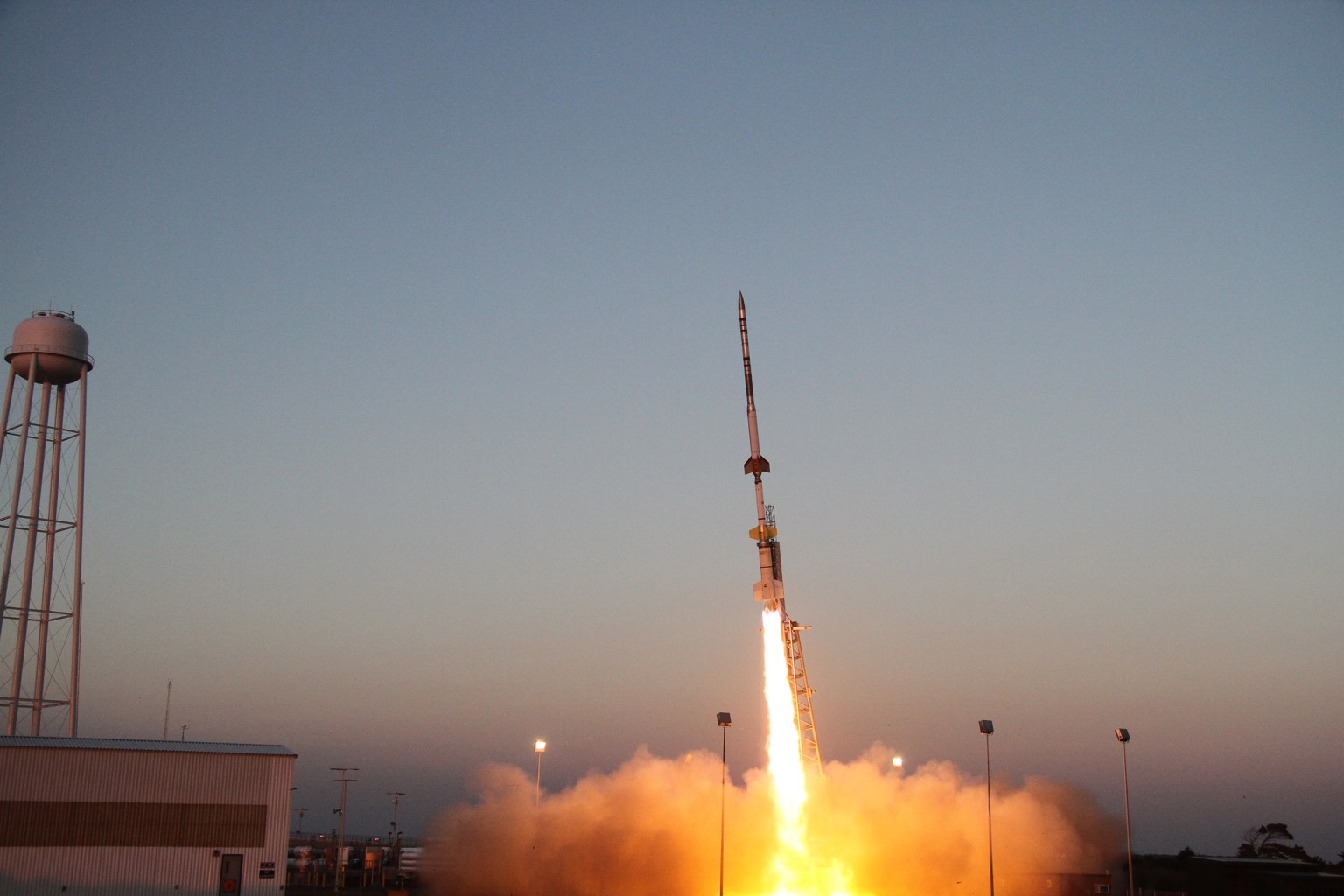
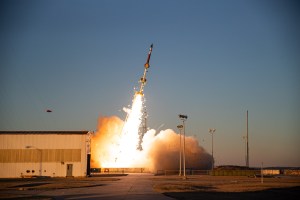
For over 40 years the Sounding Rocket Program has provided critical scientific, technical, and educational contributions to the nation’s space program and is one of the most robust, versatile, and cost-effective flight programs at NASA.
TODAY
Launches scheduled for 2024
NASA to Launch Sounding Rockets into Moon’s Shadow During Solar Eclipse
UPDATE: The three rockets comprising the APEP mission launched on Monday, April 8, 2024, at 2:40pm, 3:25pm, and 4:28pm ET from…
Read the Story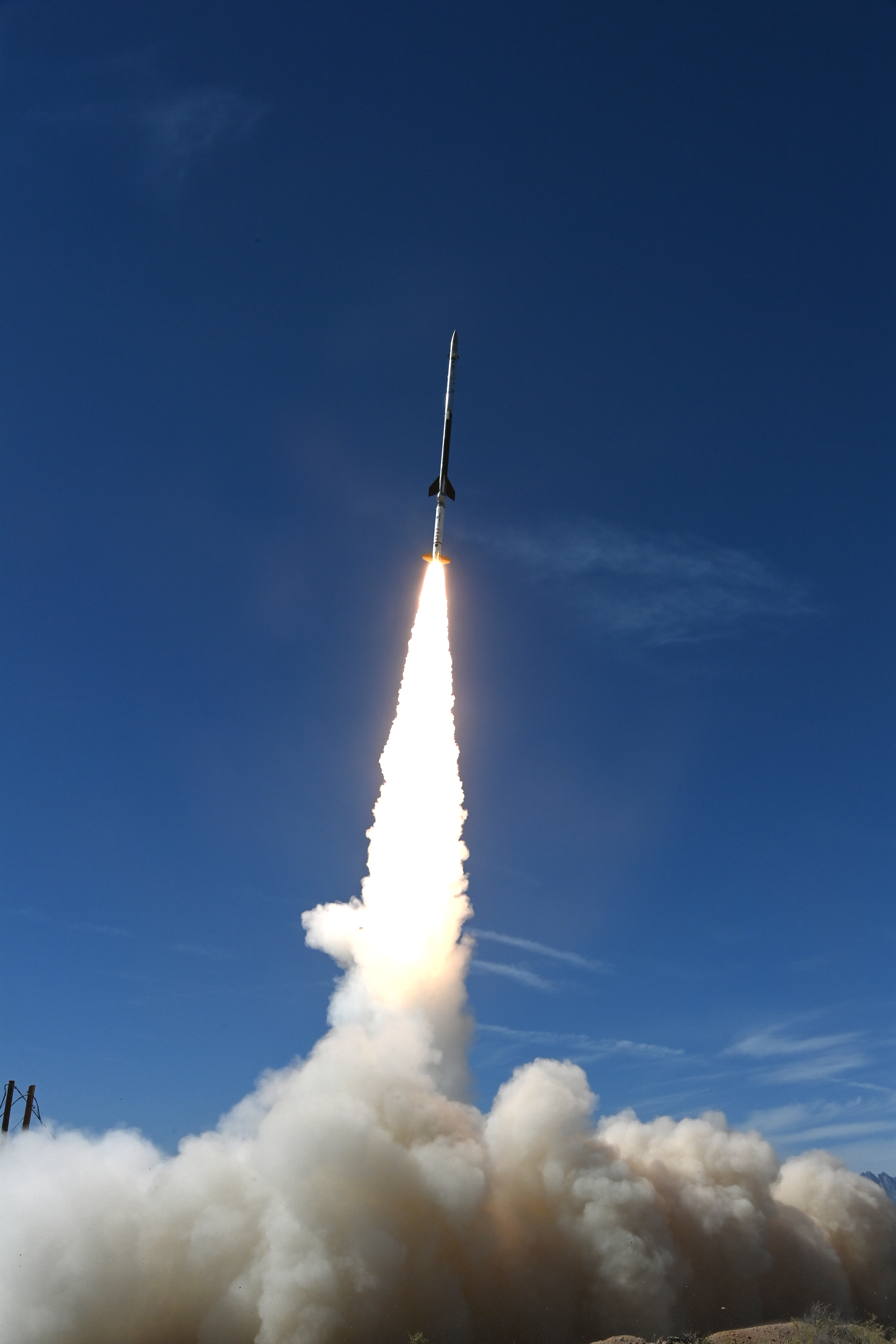
Types of Sounding Rockets
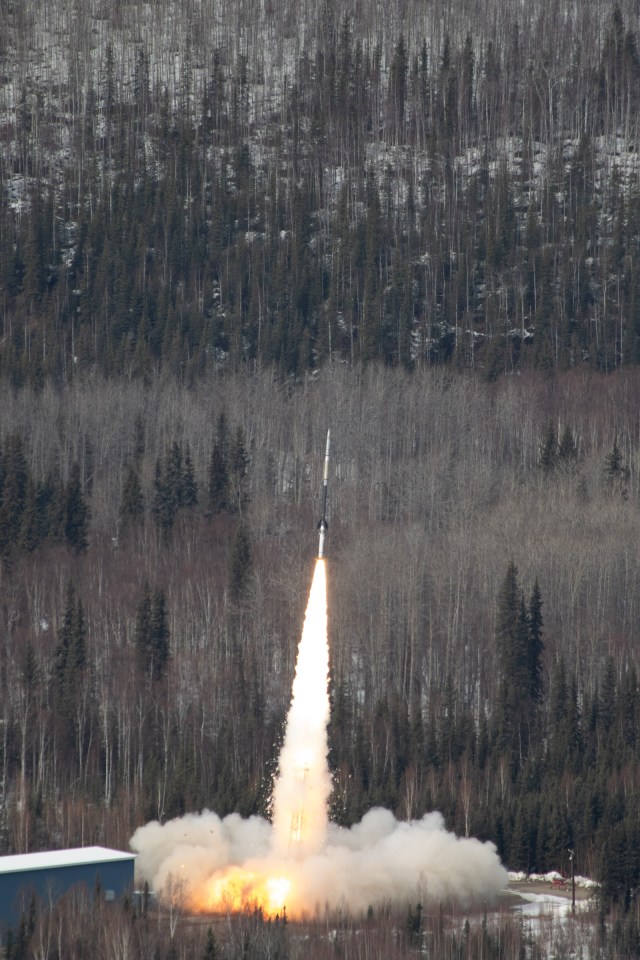
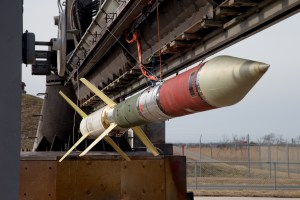
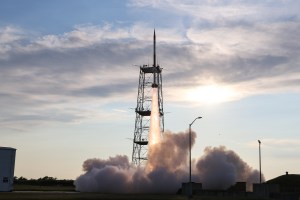
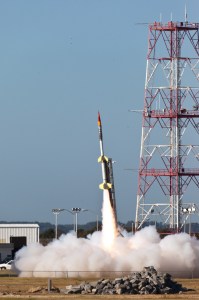
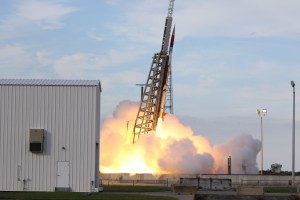
Sounding rockets are small, low-cost flight opportunities to suborbital space.
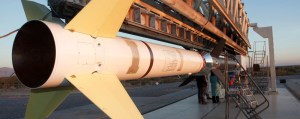
Sixteen different sounding rocket vehicles, ranging from a single-stage Orion to a four-stage Black Brant XII, are available to support science research between 100 to 1400 kilometers into the atmosphere.
Read More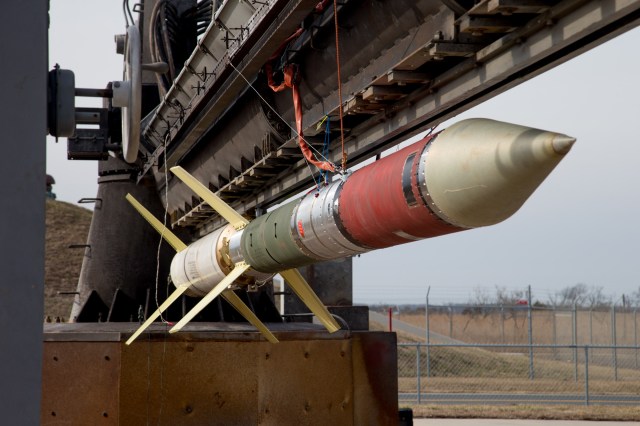
Launch Locations
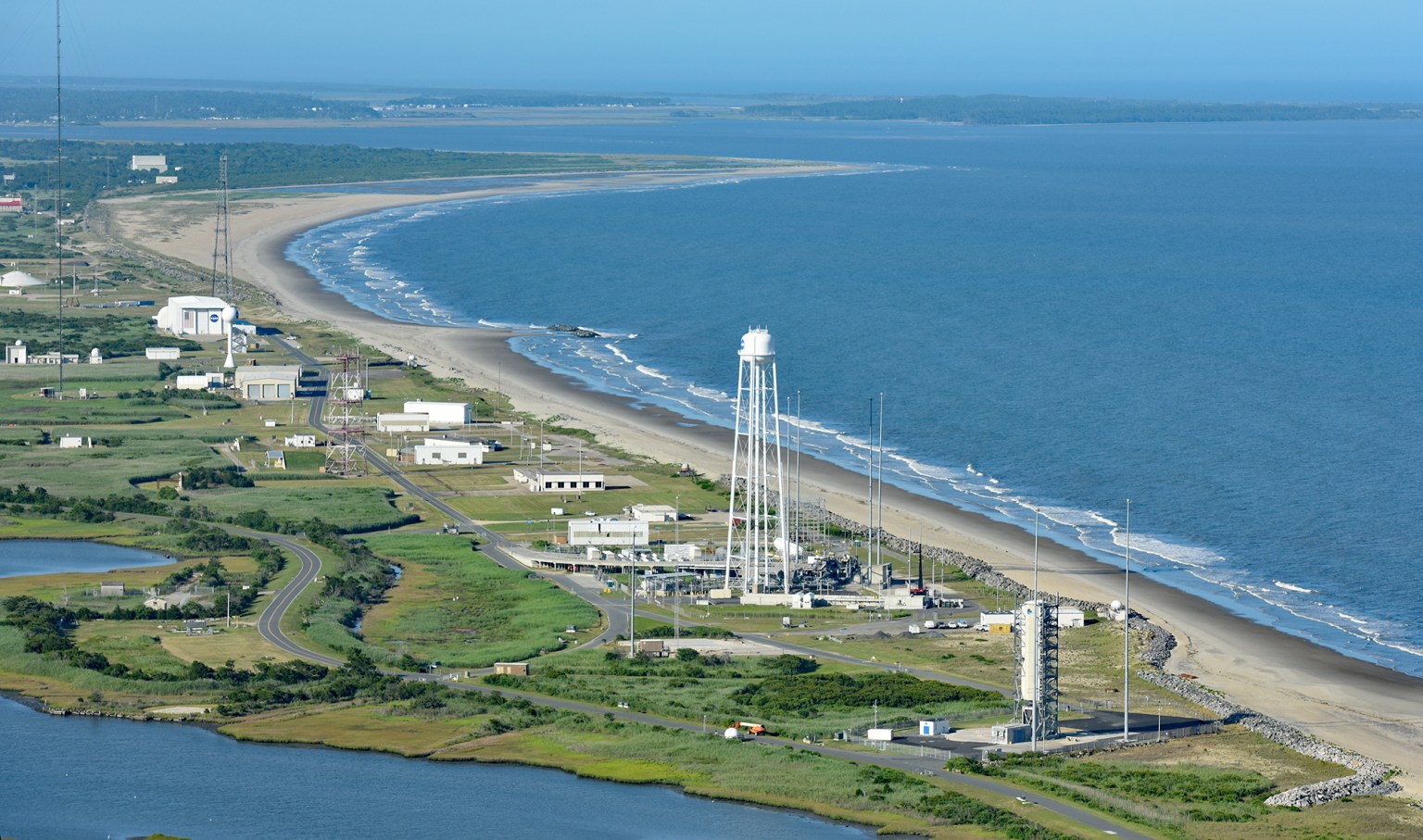
Wallops goes to where the science is
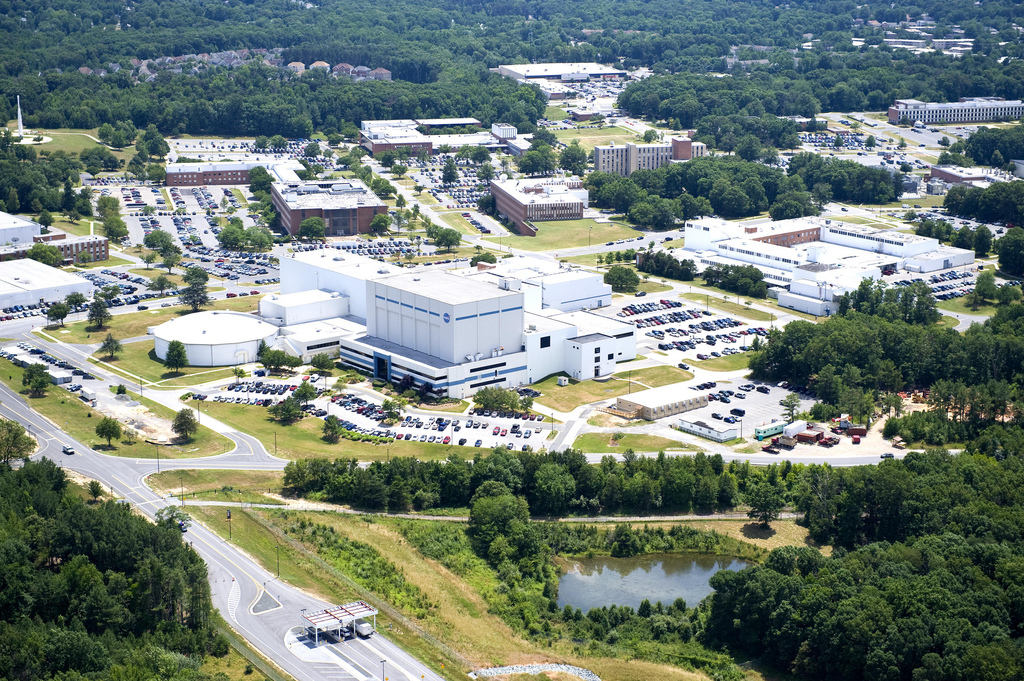
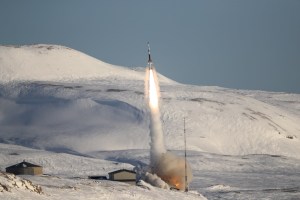
Sounding rockets are launched worldwide from both permanent and remote launch ranges. Wallops supports remote launch locations with mobile range assets to be able to support missions wherever the science is needed.
Read More
Student Missions
Wallops supports numerous programs that provide community college, undergraduate, and graduate students the opportunity to build and fly an experiment.
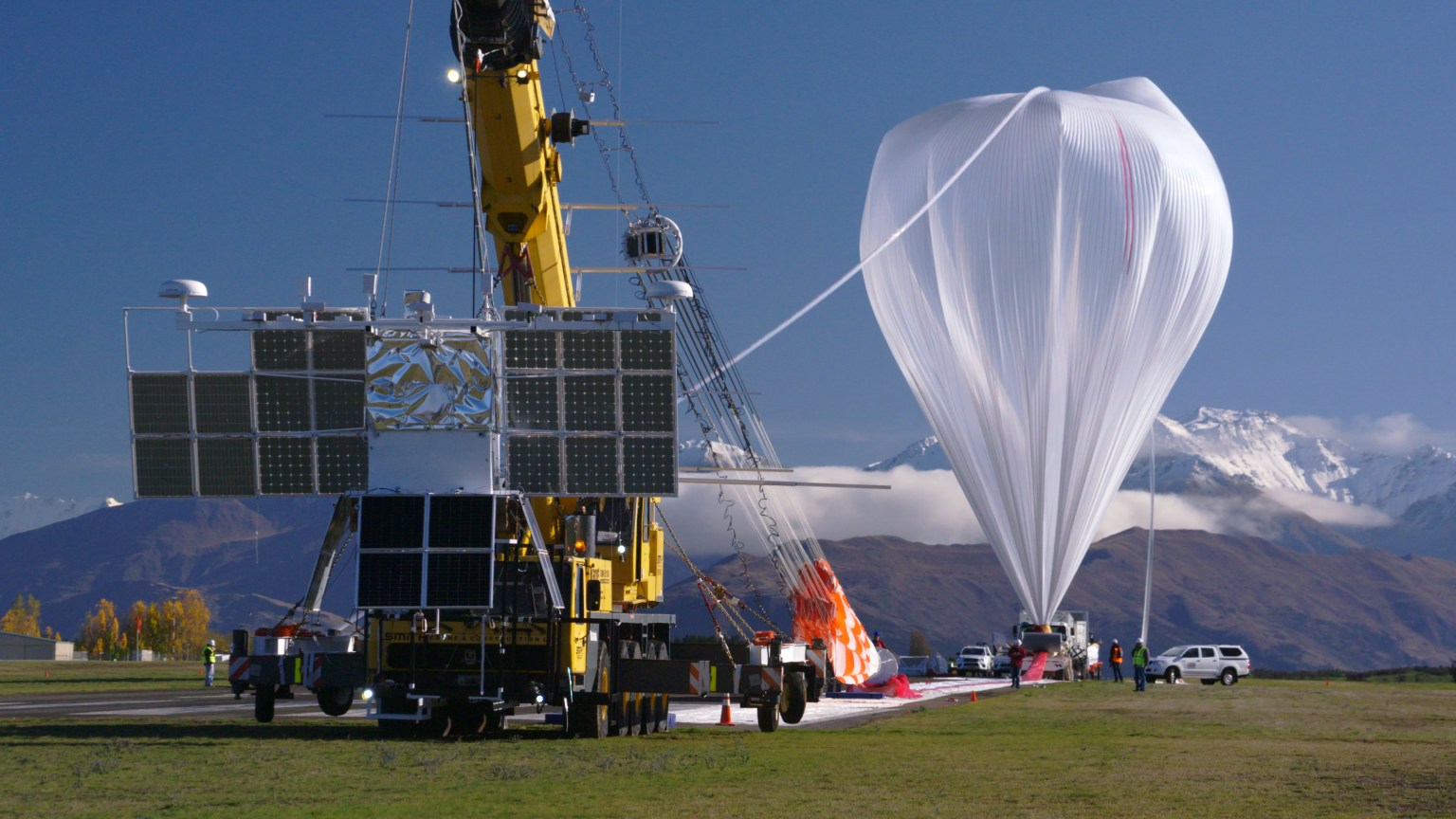
These opportunities include flying experiments on sounding rockets, lofting on scientific balloons, and student airborne research flight opportunities.
Read More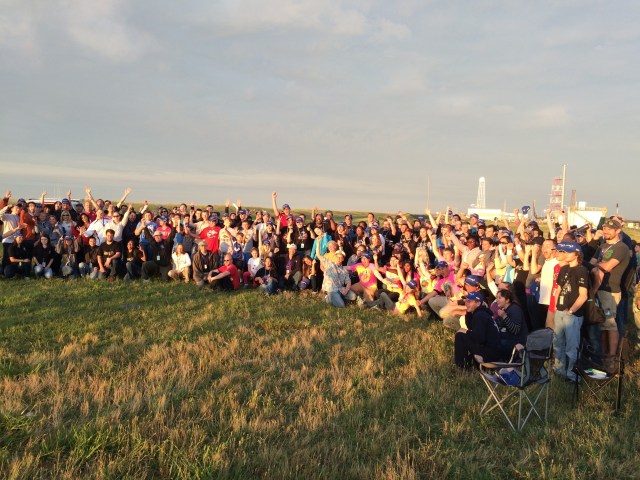
Wallops Launch Schedule
Check out the latest launches supported by Wallops.
Explore about Wallops Launch Schedule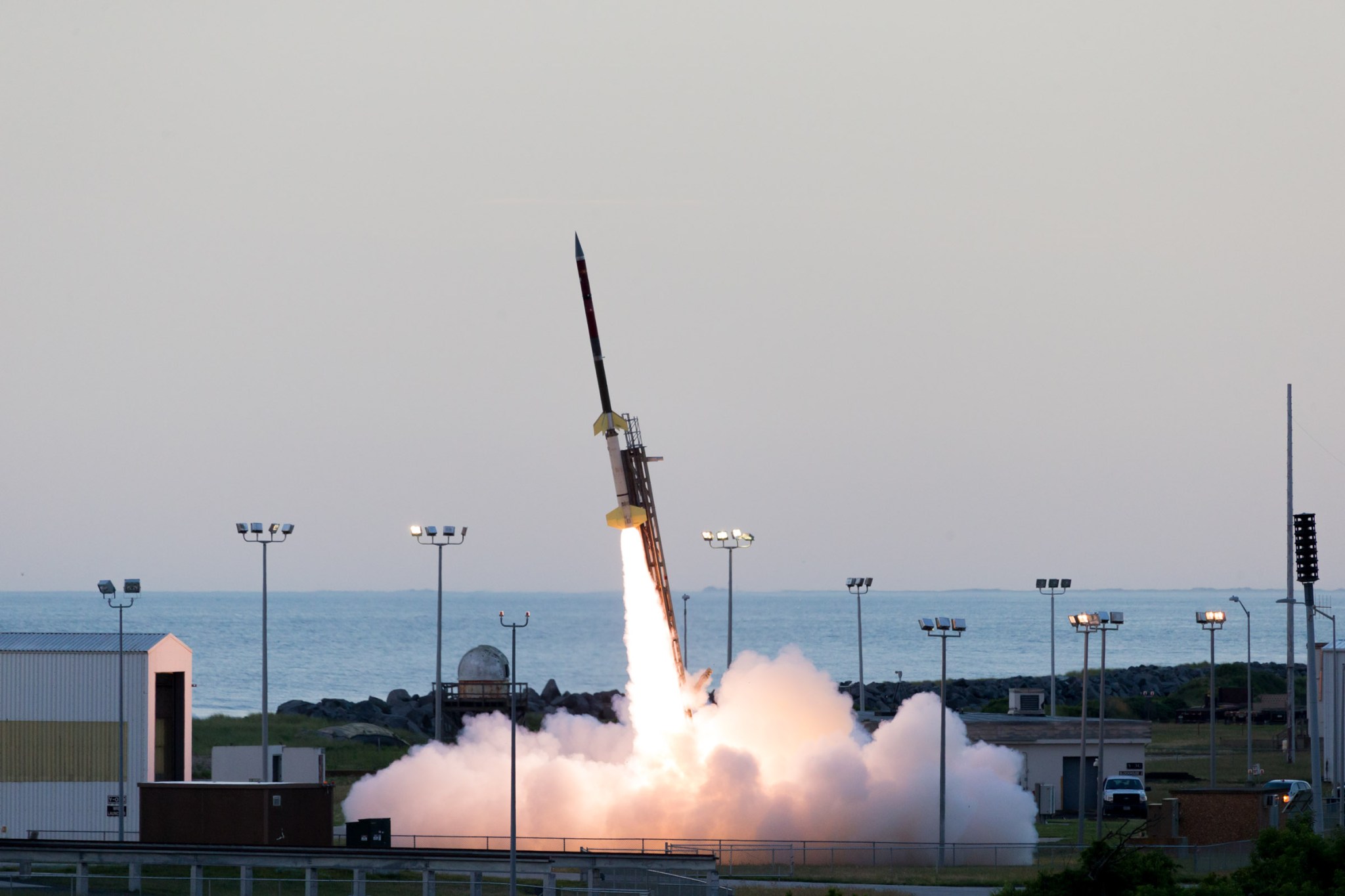
Sounding Rockets
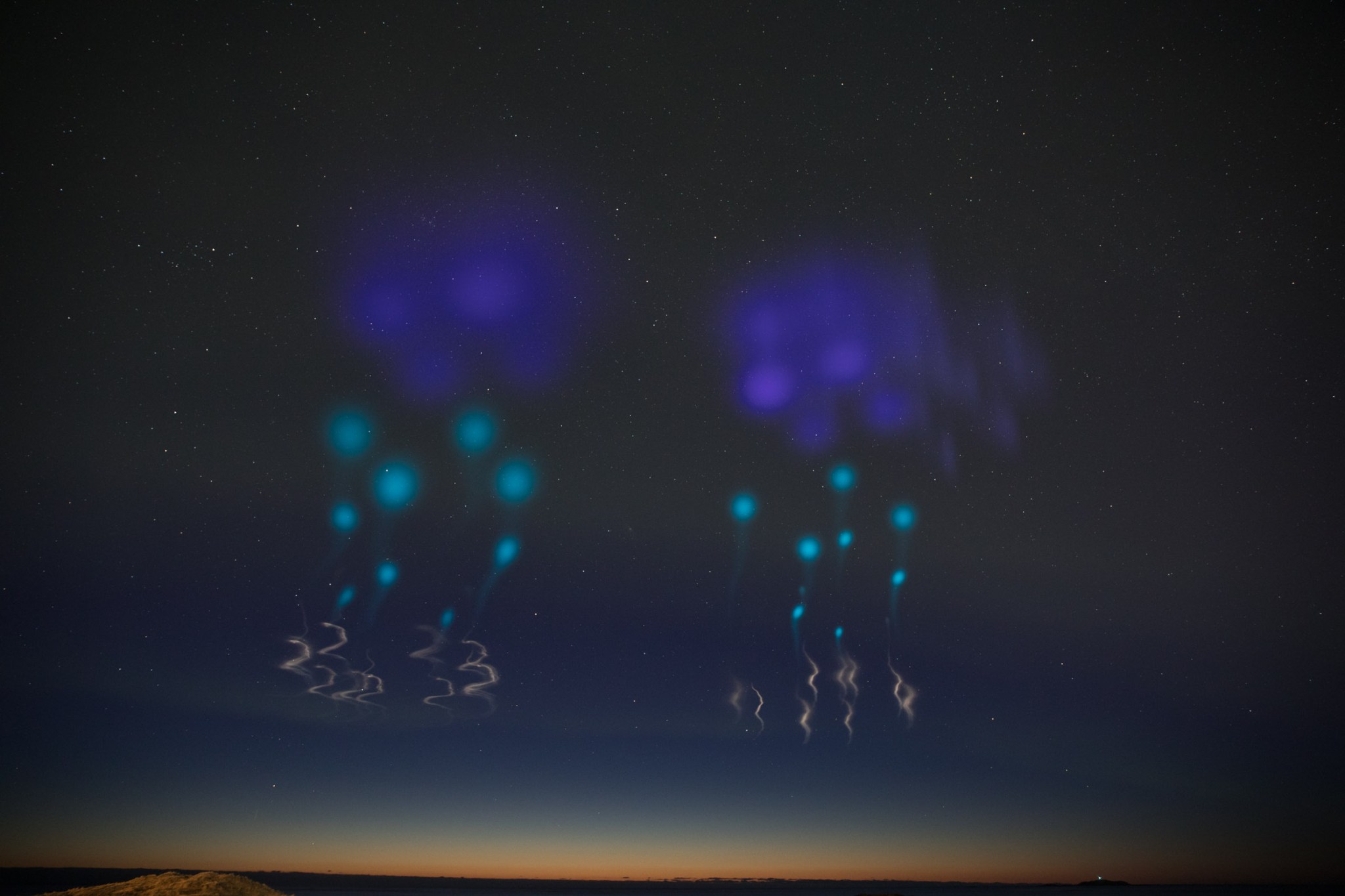
Vapor Tracers
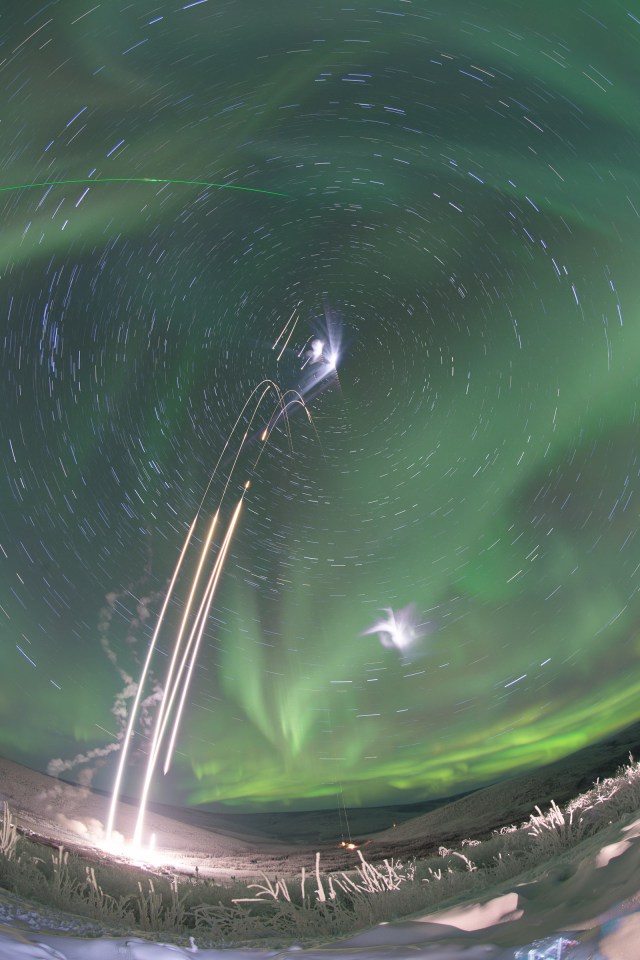
First used with sounding rockets flown in the 1950s, scientific research with experiments which inject vapor tracers in the upper atmosphere have greatly aided our understanding of our planet’s near-space environment.
Learn More about Vapor Tracers