





NASA Lunar Impact Monitoring Program - Observing Schedule

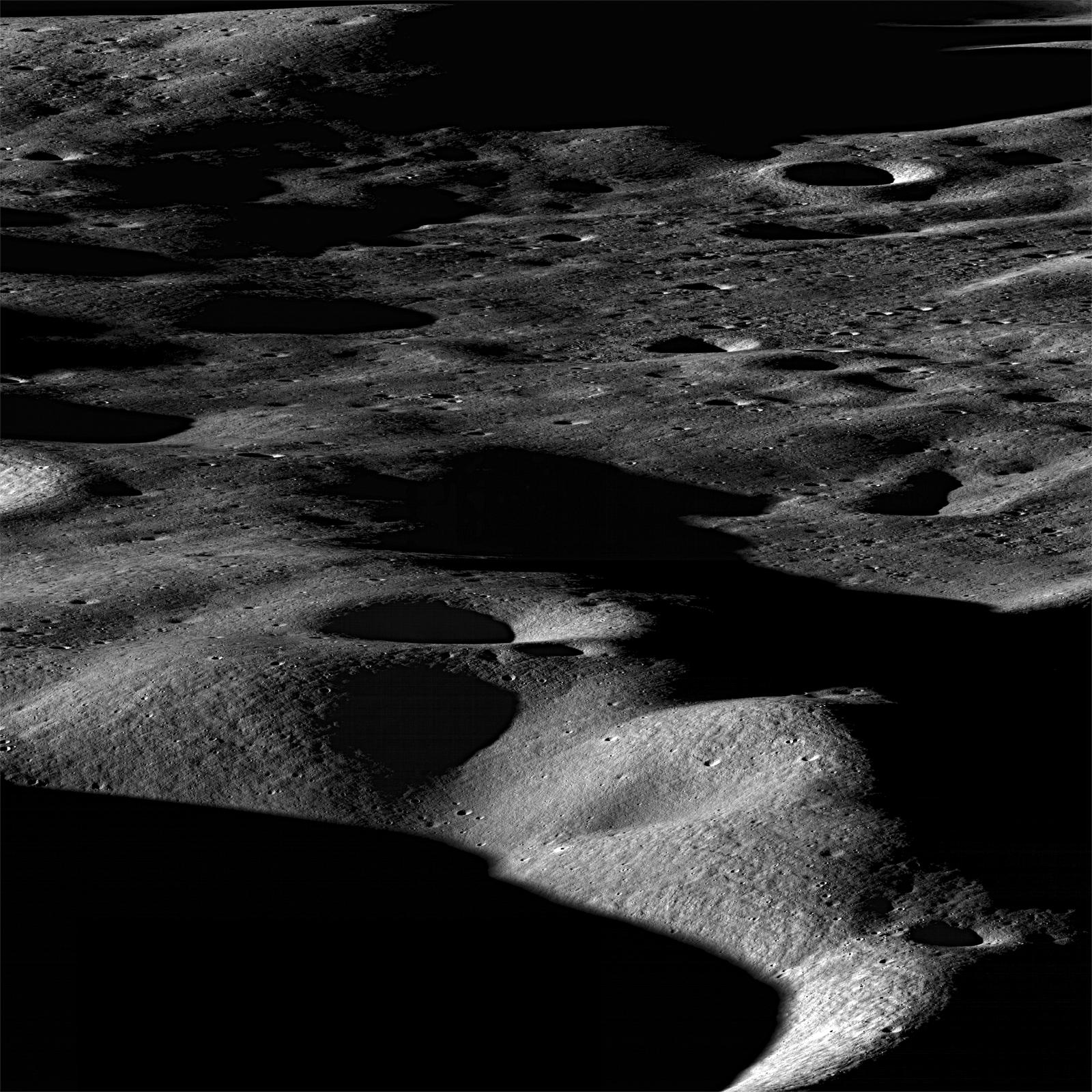
    The table below shows the planned observing times for NASA’s Lunar Impact Monitoring Program based upon the viewing geometry from Huntsville, Alabama, USA (CST/CDT). Observations of the un-illuminated portion of the moon are conducted when sunlight illuminates 10 to 50% of the moon’s Earth-facing surface. Observations are further constrained by the times of moon rise/set and twilight.

    Description
    Column 1: Month.

    Column 2: Day. The two numbers given are the dates for the evening and the morning, local time. For evening apparitions the first date applies, for morning ones the second number applies. Both are given because the times for moonrise or moonset may cross local midnight during a given group of observations.

    Columns 3-4: The times (CST or CDT) of moonrise/moonset and civil twilight are given for Huntsville, Alabama. To observe from your location: These times can be used to approximate observation times in your time zone but they will be a few minutes different depending on your latitude and longitude difference from the meridian of your time zone. To correlate possible impact flashes in your data to flash candidates listed by the Lunar Impact Monitoring Program: At the time you detect the flash you need to make sure the moon was still visible from Huntsville. (It may be best to convert all times to UT; flash candidates given on the main Lunar Impact Monitoring webpage are listed in UT.)

    Column 5: The lunar phase is shown as the fractional illumination where 0.0 is new moon, 0.5 is first or last quarter, and 1.0 is full moon. Observations occur between 0.1 and 0.5, however glare can be a problem near 0.5 illumination. This value is computed at 8:00pm Central Time for evening observation periods and 2:00am for morning observations.

    Morning

    Moonrise

    Twilight

    Phase

    Oct

    11/12

    0:35

    6:24

    0.40

    Oct

    12/13

    1:46

    6:25

    0.29

    Oct

    13/14

    2:55

    6:26

    0.19

    Oct

    14/15

    4:03

    6:27

    0.11


    Evening

    Twilight

    Moonset

    Phase

    Oct

    21/22

    18:30

    20:18

    0.15

    Oct

    22/23

    18:28

    21:11

    0.23

    Oct

    23/24

    18:27

    22:07

    0.32

    Oct

    24/25

    18:26

    23:05

    0.41


    DST ends on 1 Nov.  

    Morning

    Moonrise

    Twilight

    Phase

    Nov

    9/10

    23:47

    5:49

    0.42

    Nov

    10/11

    0:54

    5:50

    0.32

    Nov

    11/12

    1:59

    5:51

    0.22

    Nov

    12/13

    3:04

    5:52

    0.13


    Evening

    Twilight

    Moonset

    Phase

    Nov

    19/20

    17:06

    20:18

    0.10

    Nov

    20/21

    17:06

    19:54

    0.17

    Nov

    21/22

    17:06

    20:51

    0.25

    Nov

    22/23

    17:05

    21:49

    0.33

    Nov

    23/24

    17:05

    22:45

    0.42


    Morning

    Moonrise

    Twilight

    Phase

    Dec

    8/9

    23:53

    6:14

    0.46

    Dec

    9/10

    0:57

    6:15

    0.36

    Dec

    10/11

    2:01

    6:15

    0.26

    Dec

    11/12

    3:05

    6:16

    0.17

    Dec

    12/13

    4:08

    6:17

    0.10


    Evening

    Twilight

    Moonset

    Phase

    Dec

    19/20

    17:07

    19:39

    0.11

    Dec

    20/21

    17:07

    20:36

    0.18

    Dec

    21/22

    17:08

    21:32

    0.26

    Dec

    22/23

    17:08

    22:27

    0.34

    Dec

    23/24

    17:09

    23:23

    0.44


    Additional Links
    > Automated Lunar and Meteor Observatory (ALaMO) Weather Conditions
    > Huntsville Clear Sky Chart
    > National Weather Service - Huntsville

    > Walker County Observatory Weather Conditions
    > Walker County Observatory Clear Sky Chart
    > National Weather Service - Chickamauga

    > GOES Satellite Imagery Products
    > AirSports Net Satellite Images

Other Resources

Contact Us

    Members of the media, please contact:
    Steve Roy
    Marshall Space Flight Center
    (256) 544-0034

    General information:
    Rob Suggs
    Meteoroid Environment Office
    Marshall Space Flight Center

    Are you an amateur astronomer?
    Do you have observations of any impacts listed in the table?

    Report observations:
    Danielle Moser
    Meteoroid Environment Office
    Marshall Space Flight Center

Related Links
