













Audience
Educators, Students
Grade Levels
Grades 5-8, Grades 9-12
Subject
Engineering Design, Human Space Exploration, Space Science, Technology, Missions to Planets and Moons, Space Vehicles
Type
Hands-on Activities, Lesson Plans / Activities
Introduction
NASA has been at the forefront of space exploration and technological innovation since its establishment in 1958. Known for its groundbreaking missions, NASA has launched numerous spacecrafts to explore our solar system and beyond. Safety is NASA’s number one priority. Therefore, rules and procedures are put into place to ensure everyone’s safety, especially when it comes to launching.
In this challenge, participants will develop and test a procedure to launch a rocket consistently. By studying NASA’s launch sequences and protocols, participants can gain valuable insights into the meticulous planning, precision, and teamwork required for successful space missions. After doing so, participants will create their very own rocket launch protocol.
 Grade Range: 6-12
 Time Needed: 45-90 Minutes
 Materials List
Ensure that students have:
-
- Prebuilt foam rocket
- Launch Console Roles and Responsibilities Handout
- Target (X on the floor, trash can, et cetera.)
- Pen or Pencil
 Safety
Follow safety guidelines for rocket building and launching activity. Participants should be aware of their surroundings and move carefully throughout the room and launch area when viewing other teams’ work.

Activity Procedure
Preparation
-
- Watch the following videos to learn about launch sequences:
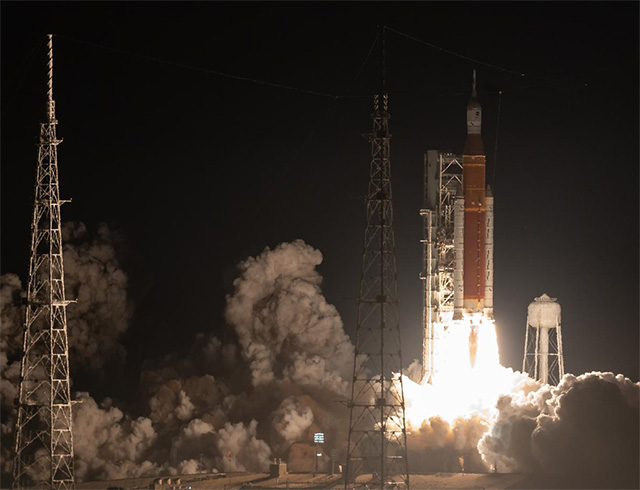
- 3, 2, 1…Lift-Off of the Artemis I Mission to the Moon. (Artemis I Launch Sequence)
- Watch NASA’s Perseverance Rover Launch to Mars! (42:20 to 48:55)
- Crew–3 Astronauts Launch to the Space Station. (4:10:15 to 4:16:47)
- Hot Fire Engine Test for the Artemis Moon Rocket. (1:56:10 to 2:07:45)
- Read about the roles and responsibilities of a launch team on the “Launch Console Roles and Responsibilities” list below.
- Watch the following videos to learn about launch sequences:
Procedure
-
- By using information gathered, participants will create a protocol for launching a prebuilt rocket.
- The protocol must be a checklist of steps for launching the rocket, starting 5 minutes prior to launch (T-5 minutes).
- The protocol must meet all the criteria and constraints listed below:
- Criteria
- Launched rocket must land 3 times or more on a specified target.
- Protocol must have at least 5 steps/ instructions.
- Launch team must read and follow the protocol exactly as written.
- Protocol must contain a contingency plan for a rocket that does not launch successfully.
- Constraints
- Teams must meet key milestones to receive approval to move on to the next step.
- Adjustments to the rocket design may not be made after protocol testing has begun.
- Only use the provided materials.
- Criteria
- Review the protocol that you have created to ensure there are no safety concerns.
- Test out your protocol by launching the rocket. Remember that you must follow your protocol step by step.
Challenge Questions
-
- What was the most challenging part of creating and following the launch protocol? How did you overcome it?
- Describe a problem you encountered during the launch. How did you address it?
- How did you ensure that your protocol was safe and precise?
- Were there any safety concerns that arose during the activity? How did you handle them?
Extensions
-
- Add contingencies for weather (Add a fan for wind if indoors), broken parts, or unforeseen delays.
- Organize a rocket launch competition with different categories, such as longest flight, most accurate landing, or best design.
- Challenge participants to design and build their own rockets using different materials. Compare the performance of these rockets with the prebuilt one.
Launch Console Roles and Responsibilities
Launch Director
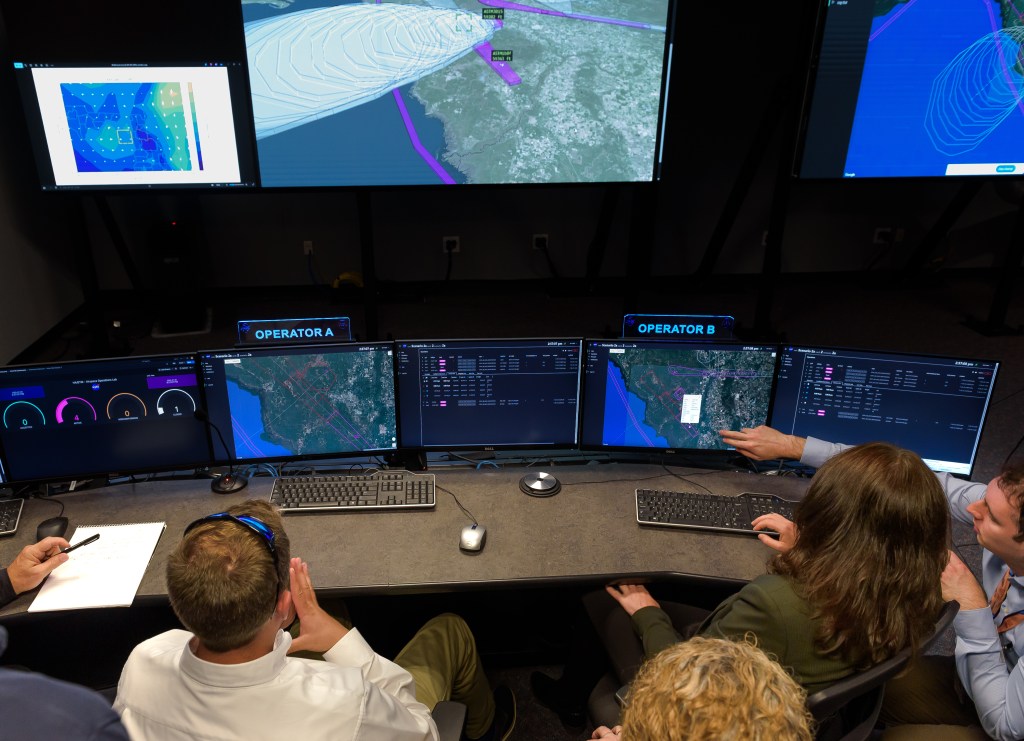
The launch director leads the launch control team at NASA’s Kennedy Space Center in Florida and is responsible for overseeing the countdown and liftoff of the Space Launch System (SLS) rocket and Orion Spacecraft for NASA’s Artemis 1 mission. On launch day, the launch director and launch team will review launch committee criteria – about 490 different items- to ensure all ground and flight systems are in a safe configuration for launch. Next, the team will monitor the health of the rocket while it is being loaded with propellant- a combination of super col liquid hydrogen and liquid oxygen. Once fueling is complete, the launch director will oversee the terminal countdown, culminating with the “go” for launch.
Assistant Launch Director
The assistant launch director is responsible for assisting the launch director inn the execution of the launch countdown. They are also responsible for planning and executing test operations to validate the ground systems at Kennedy Space Center. This includes overseeing testing and flight ground systems for SLS and Orion and monitoring launch and recovery operations.
Technical Assistant Launch Director
The technical assistant to the launch director helps the launch director with the technical coordination of launch-related content for the SLS rocket and Orion Spacecraft and the integration of launch-related requirements.
Weather
Weather specialists monitor weather conditions to ensure safe launch using Kennedy’s Meteorological Interactive Data Display System (MIDDS). MIDDS integrates diverse weather data on a single display, including weather radar and lightning strikes. This data helps forecasters determine if weather and lightning avoidance criteria are met and helps the team make decisions about launch.
NASA Test Director
NASA test directors (NTDs) oversee flight and ground hardware testing at Kennedy’s Launch Control Center (LCC) from Firing Rooms 1 and 2, where activities involved with preparing SLS and Orion for flight can be controlled from computer terminals. They are responsible for emergency managements actions, helping lead the launch team during all facets of testing, launch, and recovery. Some specific tasks include verifying that the flight and ground systems are working as expected when SLS is in a launch configuration.
Orion Test Conductor
The Orion test conductor oversees testing of the Orion spacecraft, and those operations involved with powering up and powering down the capsule. When there is crew in the capsule: Kennedy’s physician, crew surgeon, and biomedical engineer maintain current medical data on each crew member in the event baseline data is need in an emergency. This team is responsible for medical advice for such a contingency.
SLS Test Conductor
The SLS test conductor oversees all test involving the SLS core stage, interim cryogenic propulsion stage, and twin solid rocket boosters. Essentially, the test conductor acts as the interface between the flight systems and the launch vehicle by directing system engineers to start a command, such as the call to begin cryogenic loading, or fueling the SLS rock with super cold propellants. The test conductors is responsible for writing the procedures for directions those commands, as well as monitoring whether the command given results in an error.
Ground Test Conductor
The ground test conductor oversees testing of the ground systems and launch infrastructure in place for Artemis I. This includes tests involving the mobile launcher and its umbilicals, as well as the crew access arm – a walkway connected to the mobile launcher that provides access to Orion’s crew module. The ground test conductor also oversees simulations in the LCC to verify that the software linking launch team operators and system engineers to the rocket and spacecraft performs accurately.
Launch Project Engineer
Launch project engineers are the senior most technical people sitting on console in the firing room. For the Artemis I launch, there will be a primary and back up launch project engineer- a model carried over from the Space Shuttle Program. If an anomaly were to occur during launch countdown, such as a measurement showing an unsafe range to launch, it is the lead launch project engineer’s responsibility to work with the systems engineers to troubleshoot and provide a go/no-go launch recommendation to the NTD and launch director for the final call.
Career Connection
Safety Engineers ensure that aerospace projects comply with safety regulations and standards to ensure everyone’s safety.
Computer Programmers develop software for controlling and monitoring real time systems like rocket launches.
Welders join metal parts together to construct spacecrafts that are used in space exploration.
Explore Related Activities
Build, Launch, Recover: Build a Crawler-Transporter Activity