
















Amanda M. Cook
FIG Technical Director
Contents
Affiliation: NASA Ames Research Center
Phone: 650-604-2831
Email: amanda.m.cook@nasa.gov
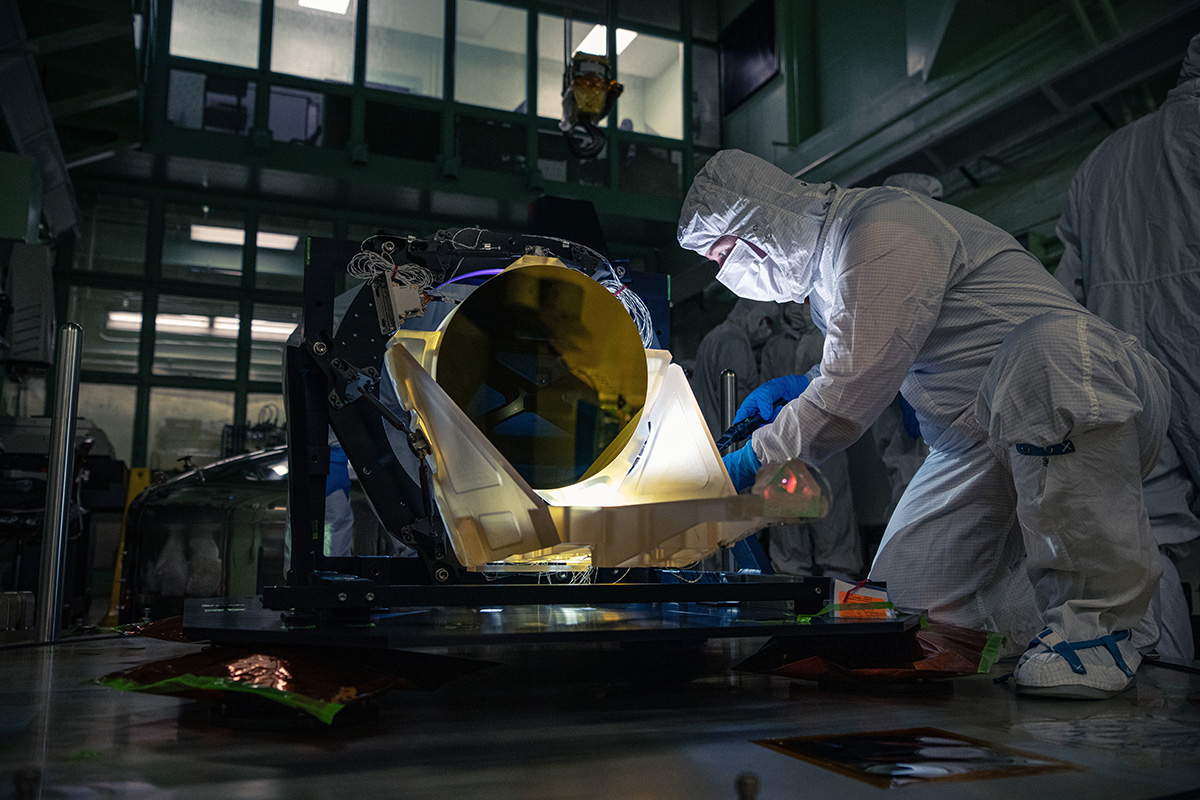
A founding member of the Flight Instrument Group since 2013, Dr. Cook directs the technical execution of FIG instrument and sensor development efforts. Her role combines systems engineering, team management, and assembly and test skills to define, mature, test, and fly a diverse catalog of FIG payloads.
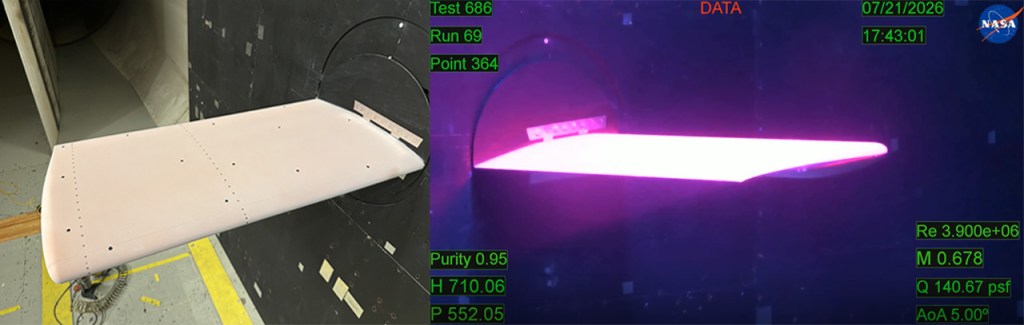
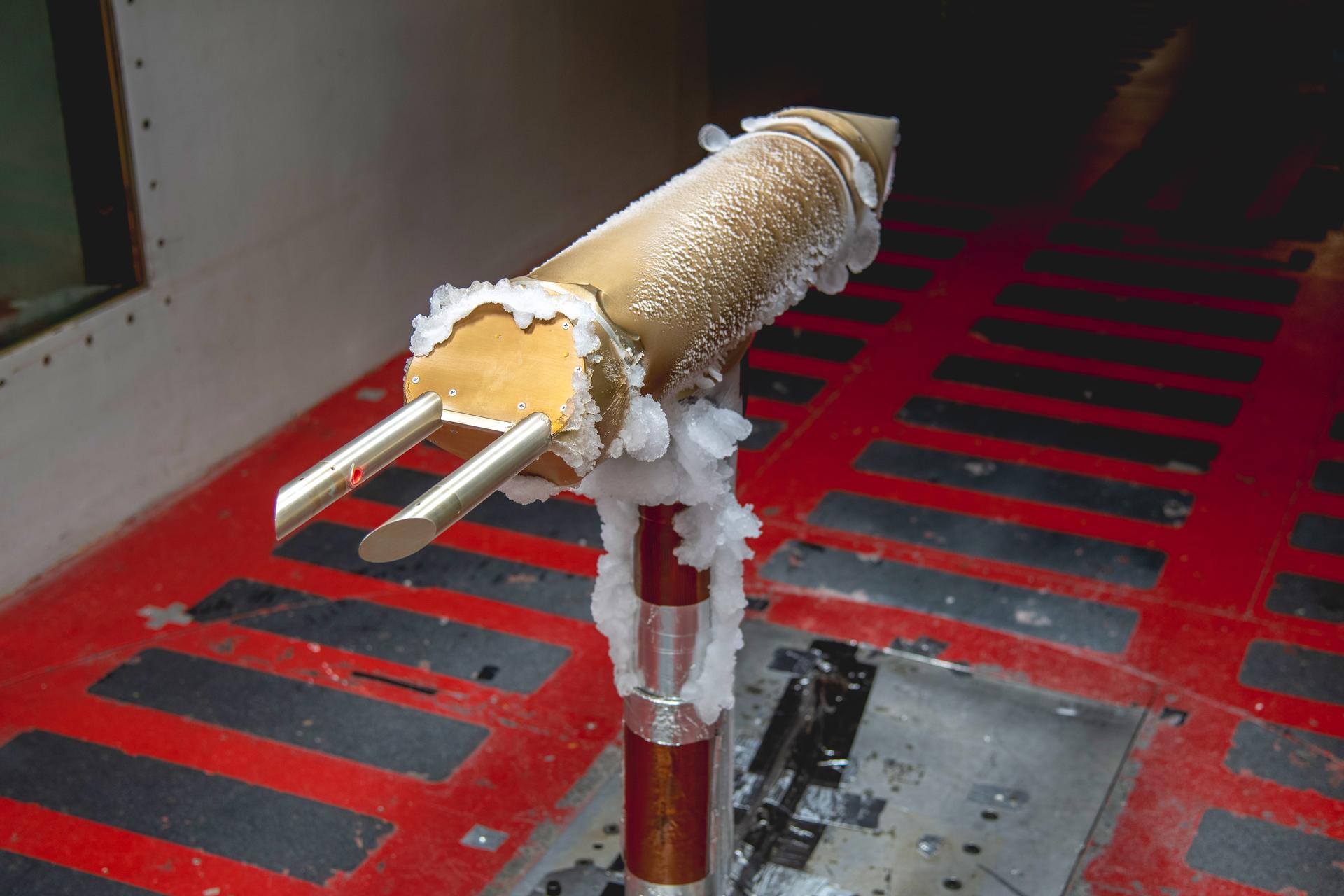
She has been responsible for shepherding partnerships with MIT, Harvard, Lunar Outpost, Apple, and many manufacturers of optical, spectroscopic, sensing, and test equipment. She is most excited by hands-on testing in the lab, or proving instrument functionality and performance in rewarding experiments with high-altitude balloons, wind tunnels, and environmental test chambers.
Dr. Cook uses expertise derived from previous and ongoing flight projects to guide FIG prototypes through a risk-tolerant phase of development that aims to achieve flight readiness rapidly. She continues to serve as the integration, testing, and payload operations lead for the Near-infrared Volatiles Spectrometer System (NIRVSS) on the VIPER rover mission to the lunar south pole.
Education
Post-doctoral Fellowship, May 2010 – May 2013, SETI / NASA Ames Research Center, Moffett Field, CA, USA
Ph.D., Dec 2007 – May 2010, Rensselaer Polytechnic Institute, Troy, NY, USA, Astrochemistry
M.S., Aug 2005 – Dec 2007, Rensselaer Polytechnic Institute; Troy, NY, USA, Physics
B.A., Aug 2001 – May 2005, Connecticut College; New London, CT, USA, Astrophysics
Accepted Proposals
Aeolus: A Mission to Study the Wind and Thermal Environment of Mars (PSDS3 Concept Study)
NASA Missions: O/OREOS, LADEE, VIPER
Awards
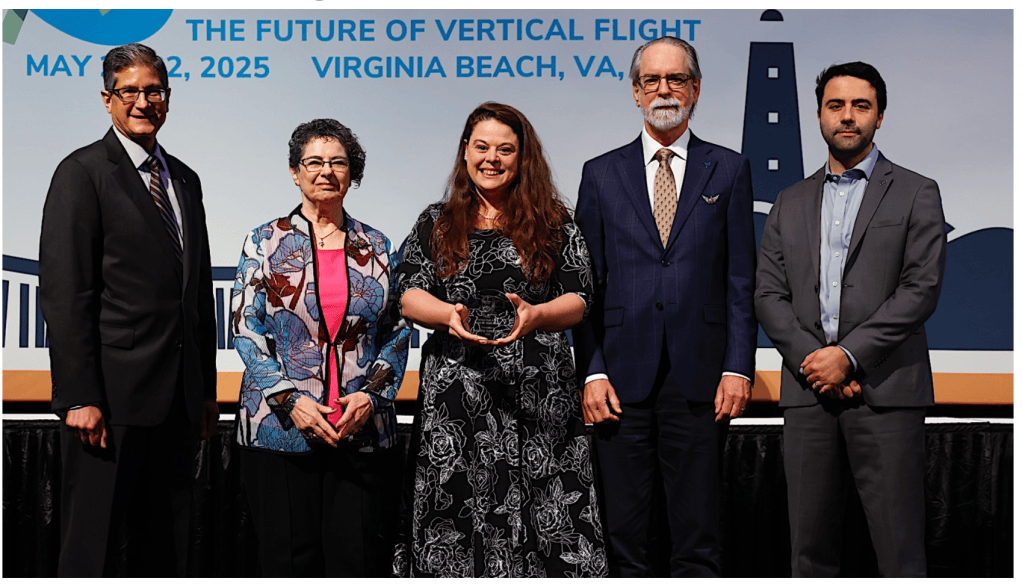
NASA Ames 2018 Outstanding Early Career Space Scientist
10+ NASA Group Achievement Awards, including for NIRVSS instrument delivery, LADEE Science Team, Aeolus Mission Design, and O/OREOS Science Team
Publications
Cook, A. M., D. H. Wooden, A. Colaprete, D. A. Glenar, T. J. Stubbs (2015), First detection of dust in the lunar tail: LADEE UVS measurements, in Proc. Lunar Planet. Sci. Conf. 46th, 2147 pp. https://www.hou.usra.edu/meetings/lpsc2015/pdf/2147.pdf
Wooden, D. H., A. M. Cook, A. Colaprete, D. A. Glenar, T. J. Stubbs, and M. Shirley (2016), Evidence for a dynamic nanodust cloud enveloping the Moon, Nat. Geosci., 9, 665–668, doi:10.1038/ngeo2779.
Roush, T. L., Cook, A., Colaprete, A., Bielawski, R., Fritzler, E., Benton, J., White, B., Forgione, J., Kleinhenz, J., Smith, J., Paulsen, G., Zacny, K., & McMurray, R. (2016). Spectral monitoring of volatiles during drilling into frozen lunar simulant. In AGU Fall Meeting 2016 (Abstract P41A-2061). San Francisco, CA. https://ntrs.nasa.gov/citations/20190000282
Cook, A. M., Colaprete, A., Roush, T. L., Thompson, S. J., Benton, J. E., Forgione, J. B., Bielawski, R., Fritzler, E., & McMurray, R. (2016). Multicolor imagery and NIR spectroscopy instrumentation for planetary surface volatile prospecting. In 47th Lunar and Planetary Science Conference (Abstract #2462). The Woodlands, TX. https://www.hou.usra.edu/meetings/lpsc2016/pdf/2462.pdf
Roux, V. G., Roth, M. C., Roux, E. L., Cook, A. M., & Colaprete, A. (2019). Testing the Near Infrared Volatile Spectrometer Subsystem (NIRVSS) with OPRFLCROSS Lunar Icy Regolith Simulants. In Annual Meeting of the Lunar Exploration Analysis Group (Abstract #5028). Washington, DC. https://www.hou.usra.edu/meetings/leag2019/eposter/5028.pdf
Cook, A., Anthony, C., Roush, T., Renema, F., Bielawski, R., Fritzler, E., Benton, J., Forgione, J., White, B., & Battazzo, S. (2017). Testing Near-Real-Time Remote Science Operations in the Field: NIRVSS in BASALT. NASA Exploration Science Forum (NESF), Moffett Field, California, USA. Zenodo. https://doi.org/10.5281/zenodo.17297914
Banfield, D., Neeson, I., Colaprete, A., Cook, A., Rustemeyer, N., et al. (2024). Lunar grain impact sensors. In Lunar Surface Science Workshop 25 (Abstract #5012). https://www.hou.usra.edu/meetings/lunarsurface25/pdf/5012.pdf
Bramall, N. E., Quinn, R., Mattioda, A., Bryson, K., Chittenden, J. D., Cook, A. M., et al. (2012). The development of the Space Environment Viability of Organics (SEVO) experiment aboard the Organism/Organic Exposure to Orbital Stresses (O/OREOS) satellite. Planetary and Space Science, 60(1), 121-130. https://doi.org/10.1016/j.pss.2011.06.014
Cook, A.M., Mattioda, A.L., and 7 co-authors. (2014) The Organism/Organic Exposure to Orbital Stresses (O/OREOS) Satellite: Radiation Exposure in Low-Earth Orbit and Supporting Laboratory Studies of Iron Tetraphenylporphyrin Chloride, Astrobiology, 14. https://doi.org/10.1089/ast.2013.0998
Cook, A. M., Ricca, A., Mattioda, A. L., et al. (2015). Photochemistry of polycyclic aromatic hydrocarbons in cosmic water ice: The role of PAH ionization and concentration. The Astrophysical Journal, 799(1), 14. https://doi.org/10.1088/0004-637X/799/1/14
Mattioda, A., Cook, A., Ehrenfreund, P., Quinn, R., Ricco, A. J., Squires, D., Bramall, N., Bryson, K., Chittenden, J., Minelli, G., et al. (2012). The O/OREOS mission: First science data from the Space Environment Viability of Organics (SEVO) payload. Astrobiology, 12(9), 841-853. https://doi.org/10.1089/ast.2012.0861