







This post was written prior to a reorganization of ESC’s projects and networks in support of the agency’s commercialization effort. Though accurate at the time of publication, it is no longer being updated and may contain outdated information. For more information about the current projects, click here.
RELEASE 13-309
By ESC Strategic Communications Team, NASA Goddard Space Flight Center
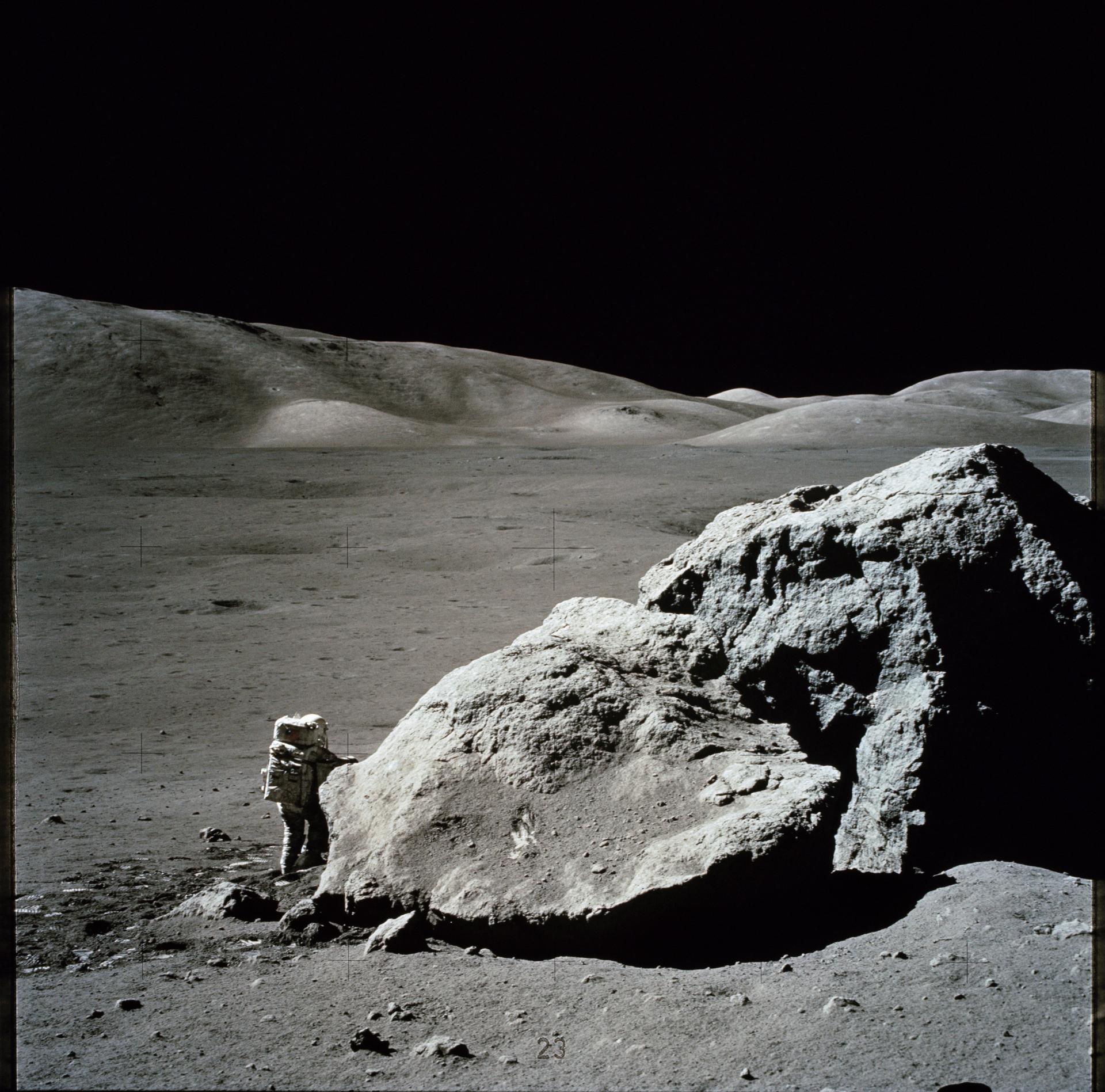
NASA’s Lunar Laser Communications Demonstration (LLCD) has made history using a pulsed laser beam to transmit data over the 239,000 miles between the moon and Earth at a record-breaking download rate of 622 megabits per second (Mbps).
LLCD is NASA’s first system for two-way communication using a laser instead of radio waves. It also has demonstrated an error-free data upload rate of 20 Mbps transmitted from the primary ground station in New Mexico to the spacecraft currently orbiting the Moon.
LLCD is the first step on our roadmap toward building the next generation of space communications capability. We are encouraged by the results of the demonstration to this point, and we are confident we are on the right path to introduce this new capability into operational service soon.

badri younes
NASA's Deputy Associate Administrator for SCaN, NASA Headquarters
Since NASA first ventured into space, it has relied on radio frequency (RF) communications. However, RF is reaching its limit as demand for more data capacity continues to increase. The development and deployment of laser communications will enable NASA to extend communication capabilities such as increased image resolution and 3-D video transmission from deep space.
The goal of LLCD is to validate and build confidence in this technology so that future missions will consider using it. This unique ability developed by the Massachusetts Institute of Technology’s Lincoln Laboratory has incredible application possibilities.
LLCD is a short-duration experiment and the precursor to NASA’s long-duration demonstration, the Laser Communications Relay Demonstration (LCRD). LCRD is a part of the agency’s Technology Demonstration Missions Program, which is working to develop crosscutting technology capable of operating in the rigors of space. It is scheduled to launch in 2017.
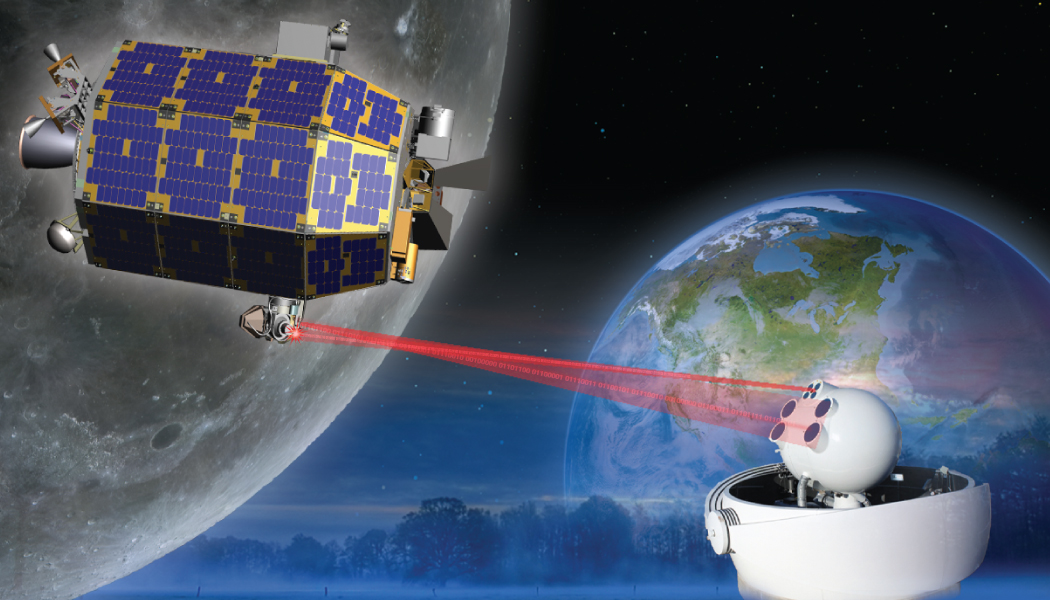
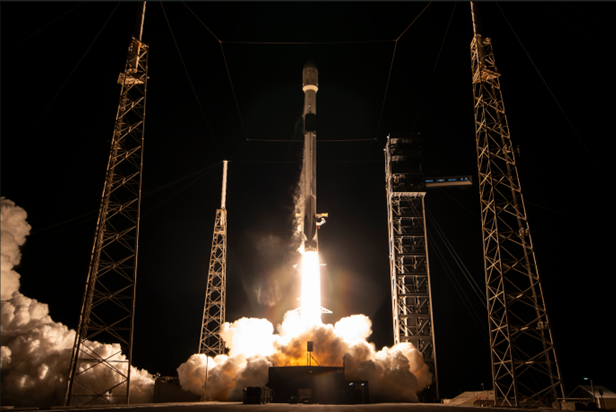
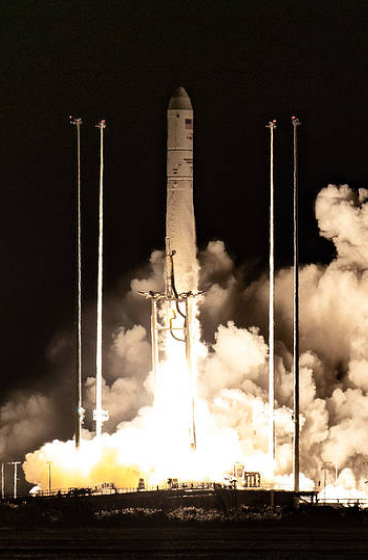
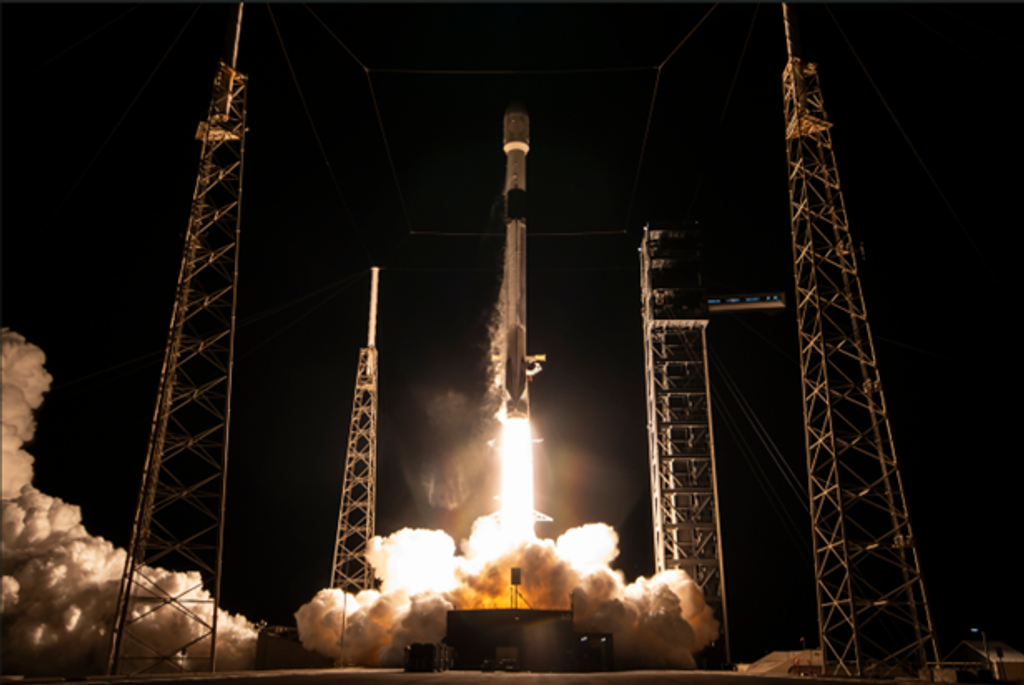
LLCD is hosted aboard NASA’s Lunar Atmosphere and Dust Environment Explorer (LADEE), launched in September from NASA’s Wallops Flight Facility on Wallops Island, Va. LADEE is a 100-day robotic mission operated by the agency’s Ames Research Center at Moffett Field, Calif. LADEE’s mission is to provide data that will help NASA determine whether dust caused the mysterious glow astronauts observed on the lunar horizon during several Apollo missions. It also will explore the moon’s atmosphere. Ames designed, developed, built, integrated and tested LADEE, and manages overall operations of the spacecraft. NASA’s Science Mission Directorate in Washington funds the LADEE mission.
The LLCD system, flight terminal and primary ground terminal at NASA’s White Sands Test Facility in Las Cruces, N.M., were developed by the Lincoln Laboratory at MIT. The Table Mountain Optical Communications Technology Laboratory operated by NASA’s Jet Propulsion Laboratory in Pasadena, Calif., is participating in the demonstration. A third ground station operated by the European Space Agency on Tenerife in the Canary Islands also will be participating in the demonstration.