








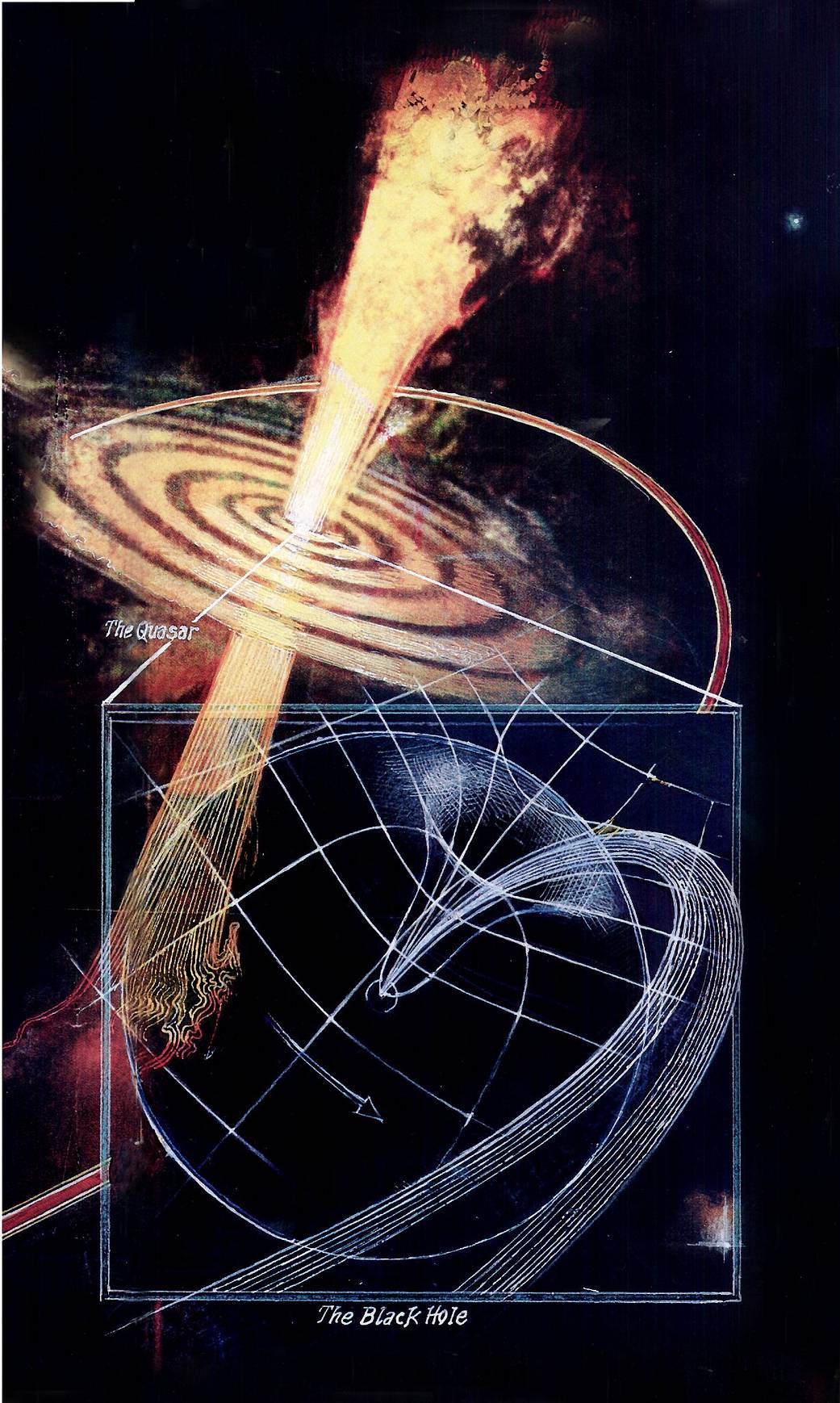
Following launch on April 20, 2004, Gravity Probe B (GP-B) began data collection on August 28, 2004 and concluded on August 14, 2005. Unfortunately, the discovery of several anomalous torques acting on the rotors caused them to make unexpected “jumps” throughout the year. Refusing to give up, the team developed a model which allowed them to press forward but with a much higher error rate (19%). On May 4, 2011, NASA announced the results of GP-B and final results were published in the Physical Review Letters on May 31, 2011. Analysis of the data collected from the all four gyroscopes resulted in a geodetic drift rate of −6601.8±18.3 milliarcseconds per year and a frame-dragging drift rate of −37.2±7.2 milliarcseconds per year, compared with Einstein’s predictions of −6606.1 milliarcseconds per year and −39.2 milliarcseconds per year, respectively. The decades long experiment had confirmed Einstein’s general theory of relativity and increased our understanding of the environment’s surrounding exotic objects such as black holes, quasars, and jets.
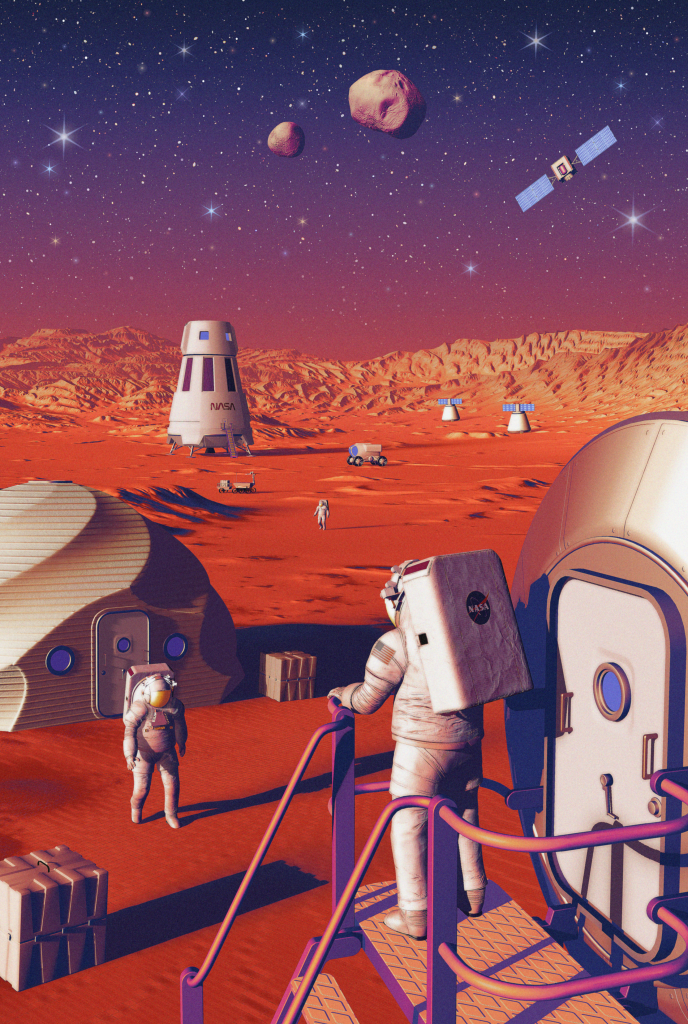
Image credit: Stanford University/Barron Storey