
























Throughout Orion’s 10-day journey around the Moon, the Artemis II mission will rely on NASA’s Near Space Network and Deep Space Network as its primary communications back to Earth. Simultaneously, Orion will use the Orion Artemis II Optical Communications System (O2O) to transmit data from the mission, showcasing the operational utility of laser communications on a crewed lunar test flight.

Laser Communications
Laser communications uses invisible infrared light to send and receive more data in a single transmission than traditional radio communication systems. While both infrared and radio travel at the speed of light, infrared can transfer more data in a single link, making it more efficient for data transfer. This is due to infrared light’s higher frequency, which can pack more information onto a signal than radio communications. More data means more discoveries.
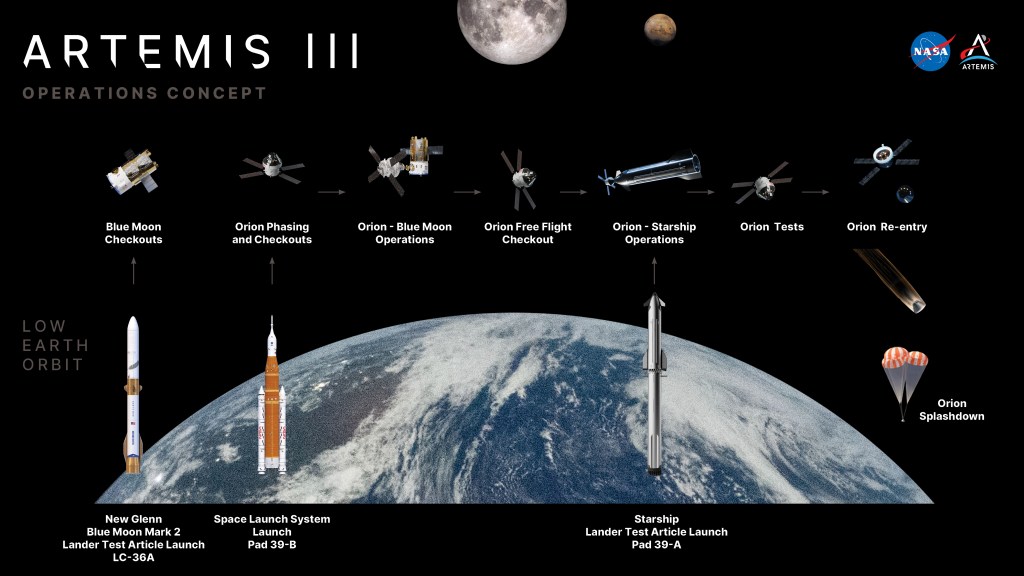
Laser communications payloads can provide missions with increased data rates while offering reduced size, weight, and power requirements. These benefits will be crucial for future exploration and science missions where space, power, and data signals are at a premium. While laser communications will not be on Artemis III, O2O could pave the way for future laser communications systems at the Moon and Mars.

The Terminal
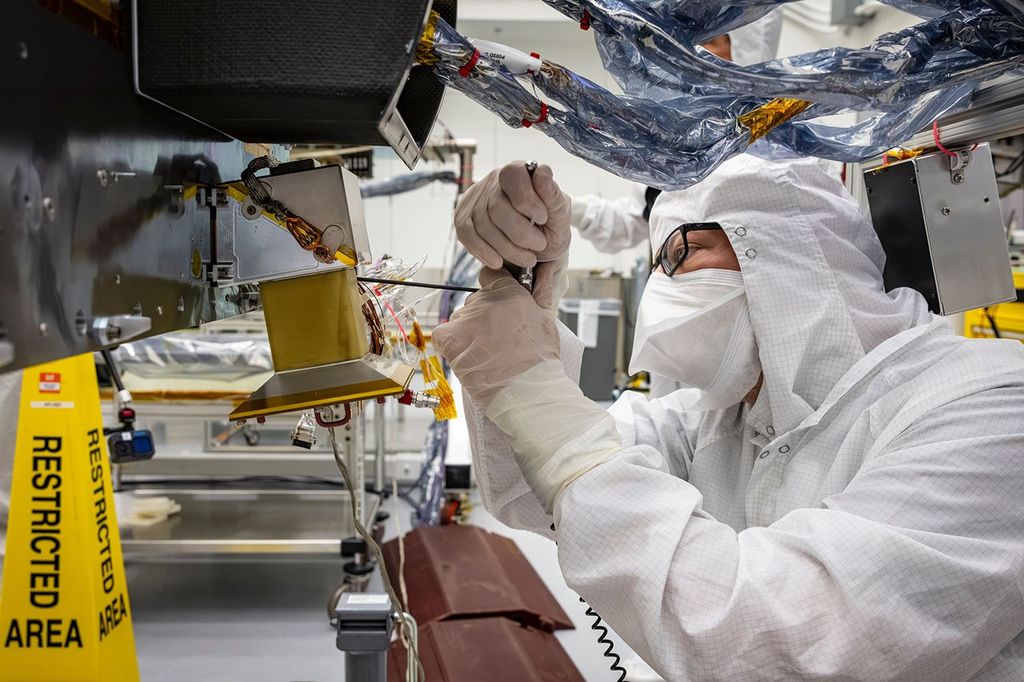
The O2O terminal has three major components: the optical module, the modem, and the controller. The optical module is comprised of a 4-inch telescope and two gimbals that point the telescope toward ground terminals on Earth. The modem converts mission data and commands to and from laser beams for communication via the optical module. The controller contains a computer that interfaces with the Orion flight avionics, and custom interfacing electronics for control and pointing the optical module’s telescope.
The Ground System
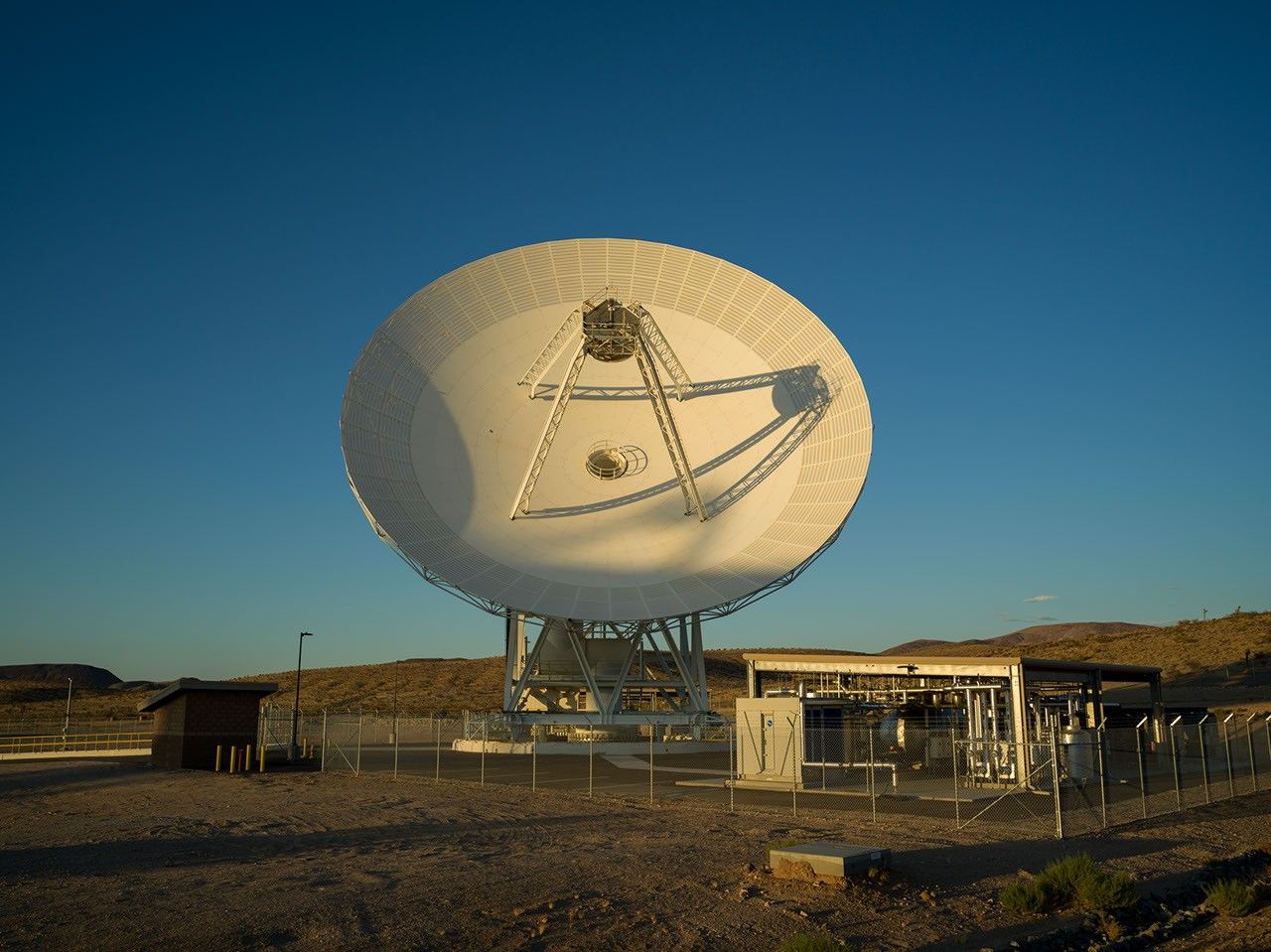
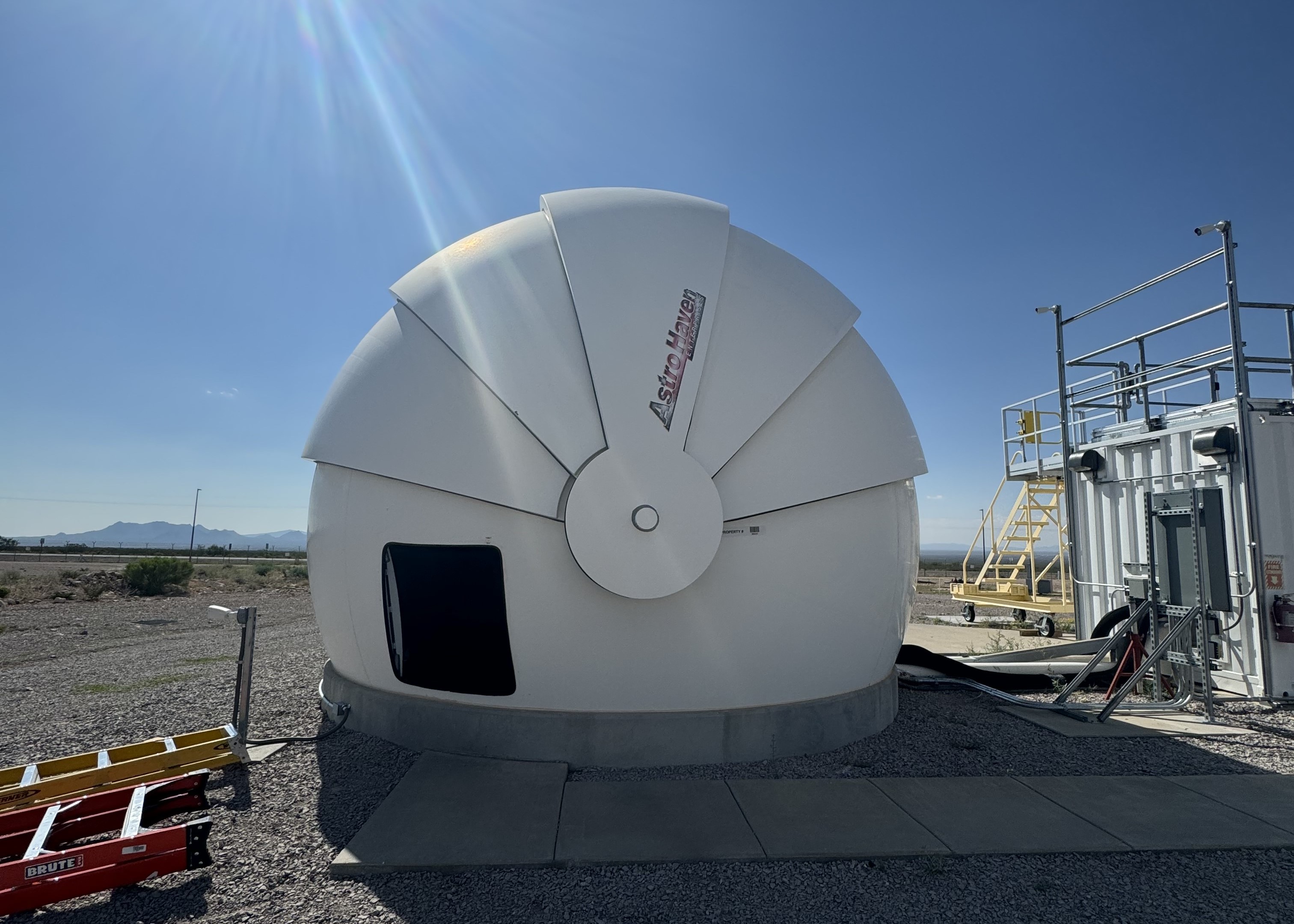
On Earth, ground station telescopes at NASA’s White Sands Complex in Las Cruces, New Mexico and Table Mountain Facility in California will capture O2O’s signal. The ground stations were selected for their high, dry environments to ensure a strong link between Earth and O2O. The clear weather and minimal cloud coverage at both locations helps maintain the quality of laser links.
Testing
O2O has been rigorously tested. To achieve launch readiness, O2O underwent a multi-day evaluation that examined the system’s operational procedures, safety plans, documentation, and personnel training to ensure all requirements and potential risks were addressed. The review officially confirmed that the O2O terminal, ground segment, and operating teams are all ready for launch.
O2O Partners
Several NASA centers, commercial organizations, and academic institutions made O2O possible. The O2O terminal is funded by the SCaN Program at NASA Headquarters in Washington and managed by NASA’s Goddard Space Flight Center in Greenbelt, Maryland. Research and development partners include NASA’s Johnson Space Center in Houston, and the Massachusetts Institute of Technology Lincoln Laboratory in Lexington, Massachusetts.
Additionally, NASA’s Glenn Research Center is collaborating with The Australian National University (ANU) on a demonstration with O2O. Researchers at the Mount Stromlo Observatory will attempt to receive the laser links transmitted by O2O using their ground transceiver developed with commercial-off-the-shelf components. If successful, the demonstration will show that affordable, scalable laser communication systems can support future exploration efforts.