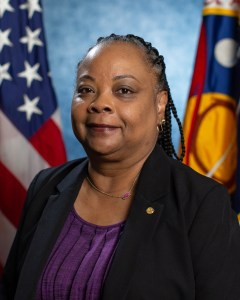

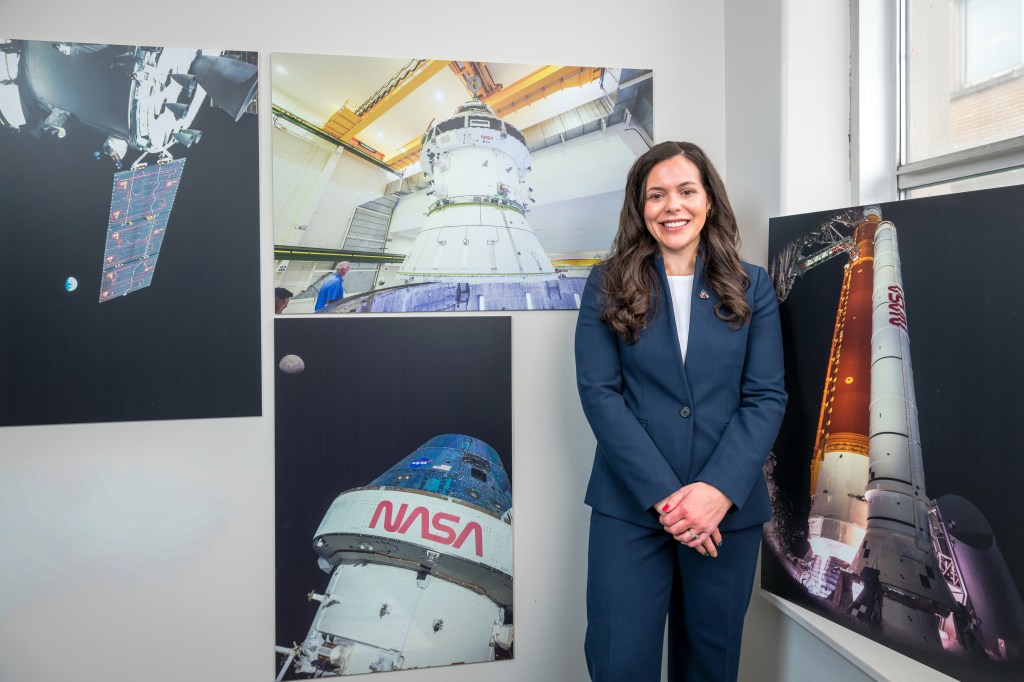









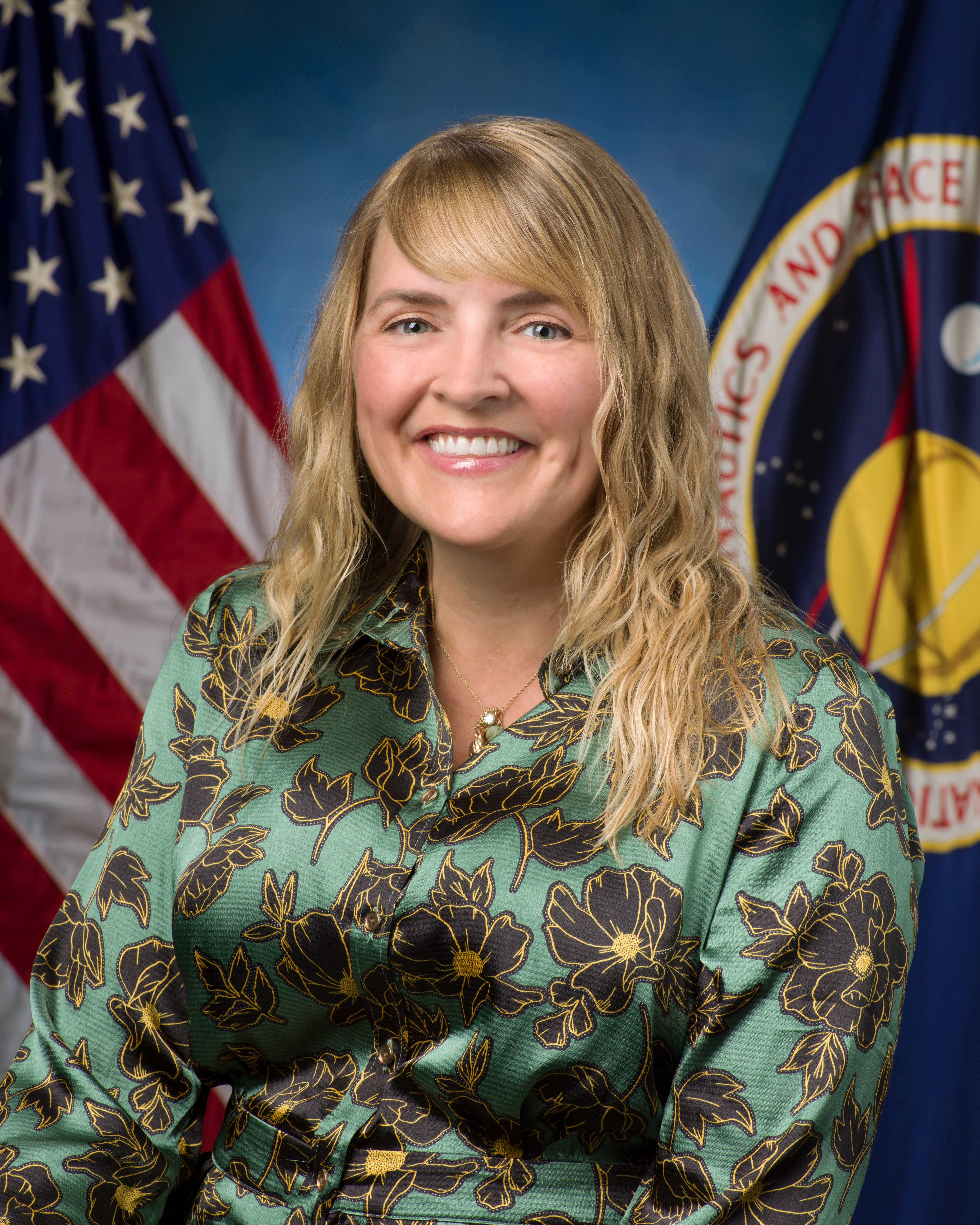
Susan Schuh has dedicated her career to helping humans adapt to life beyond Earth.
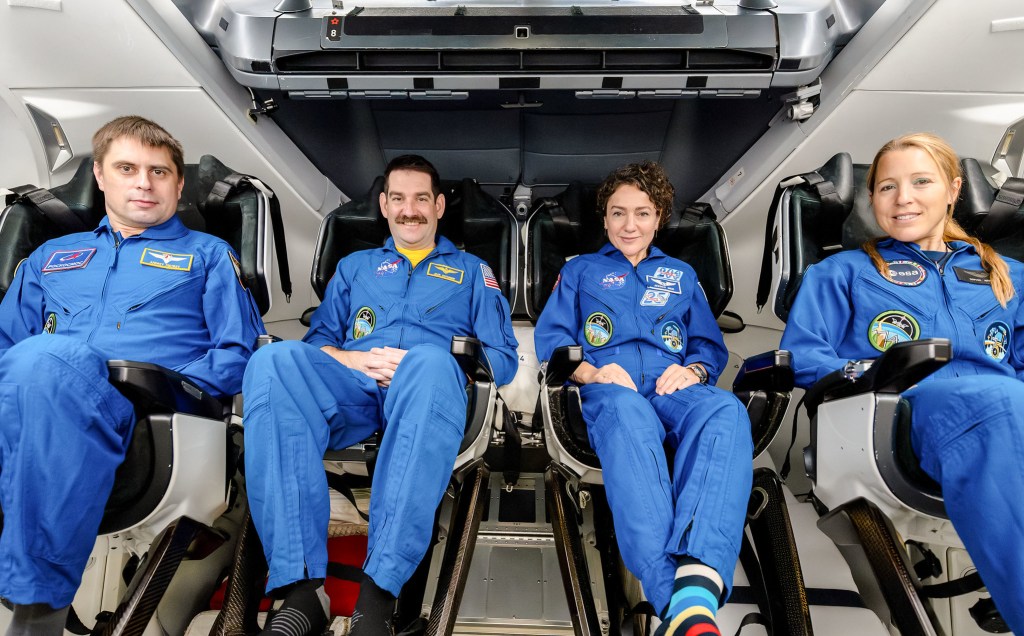
As the Flight Crew Integration Operational Habitability (OpsHab) team lead in NASA’s Human Health and Performance Directorate at Johnson Space Center in Houston, Schuh leads efforts to understand what it is really like to live and work in space. She turns that information into progress by documenting astronauts’ feedback to improve current and future spaceflight missions.
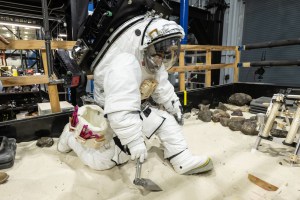
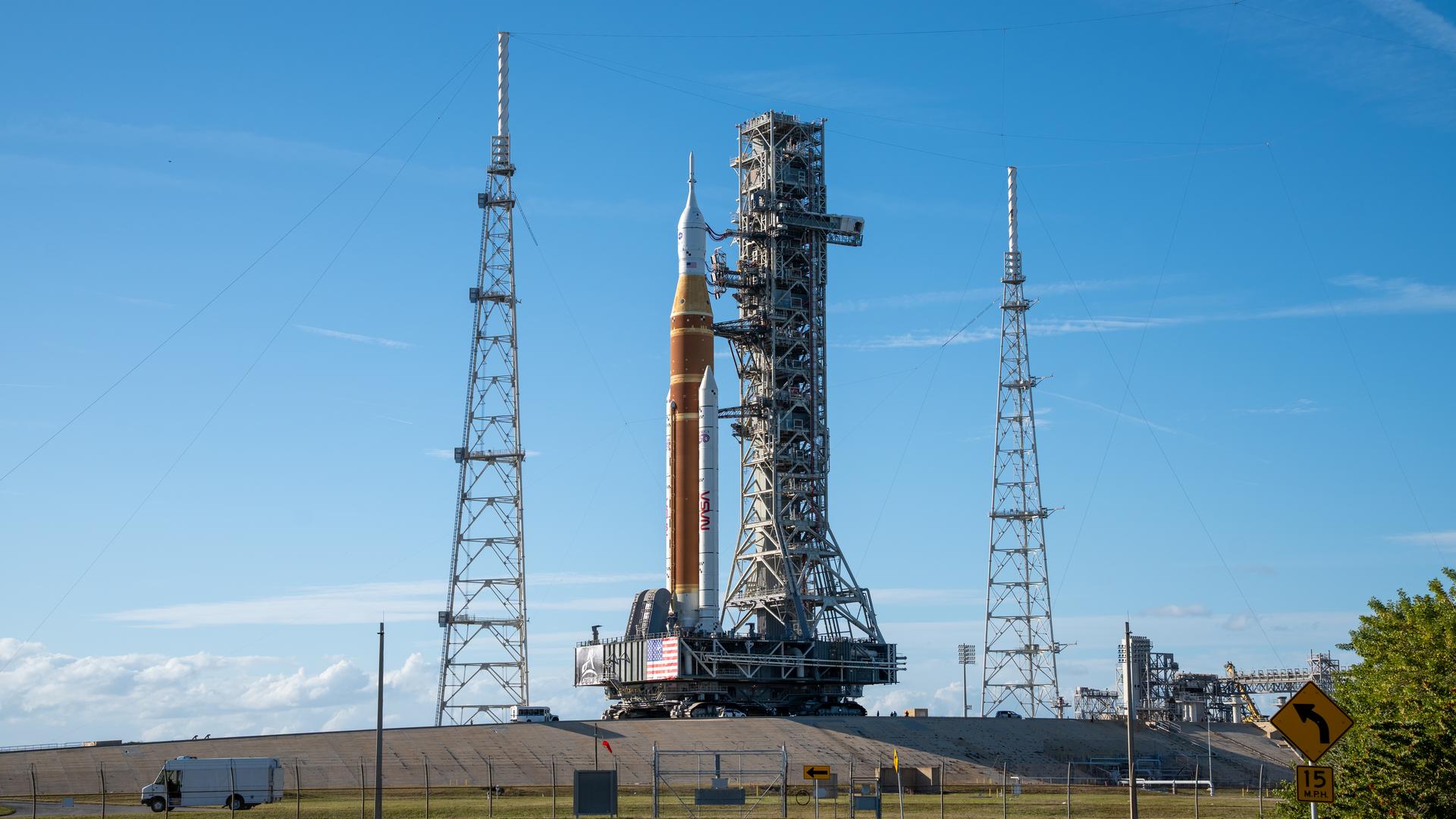
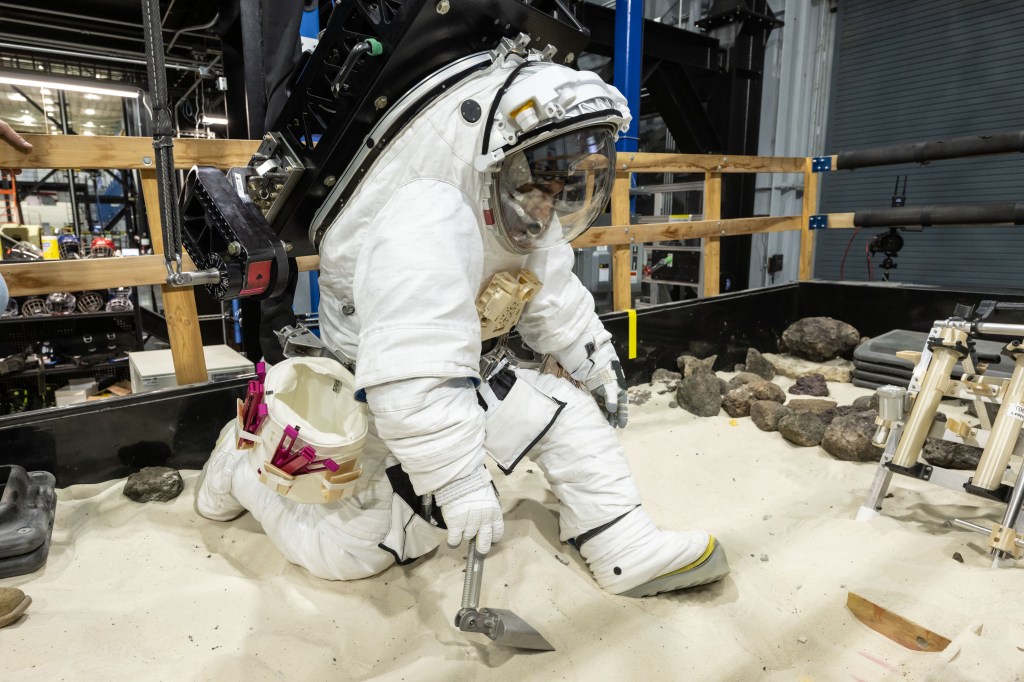
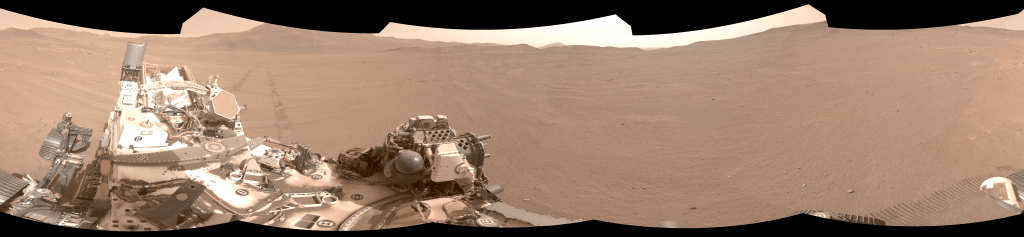
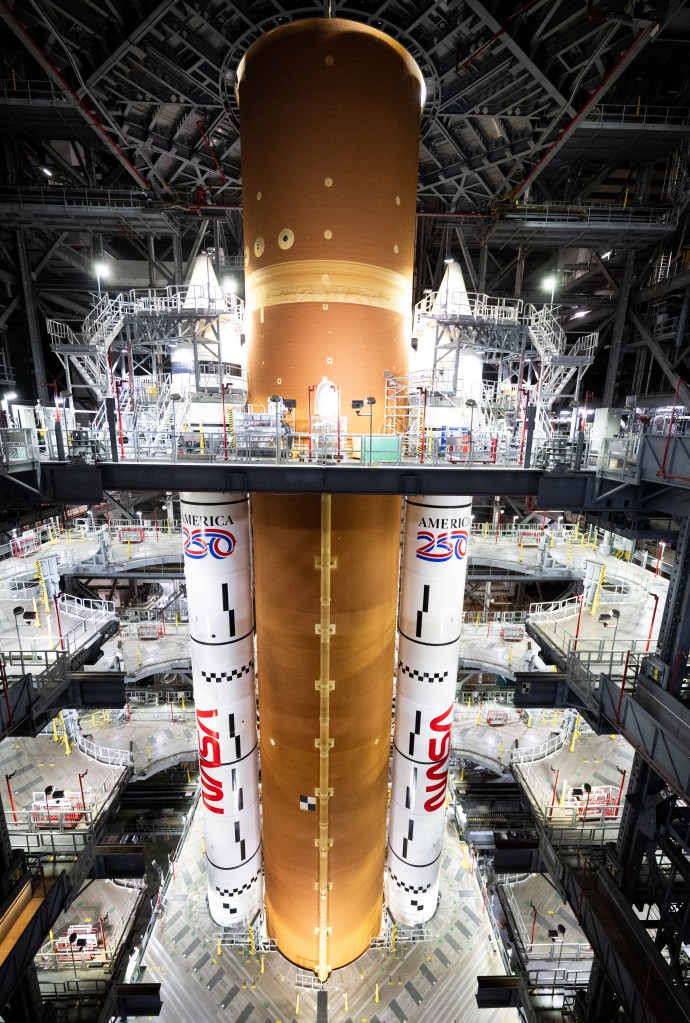
Her work not only supports crews aboard the International Space Station, but also provides critical information for NASA’s preparations to explore more of the lunar surface than ever before through Artemis missions.
Her team supports astronaut inflight and postflight debriefs, capturing and analyzing feedback to help NASA apply lessons learned. They also manage one of NASA’s most valuable habitability tools, the Crew Comments Database. With more than 115,000 entries spanning 25 years of International Space Station missions, it is the only comprehensive and searchable record of crew feedback in existence. Every comment, from how astronauts sleep to how they organize supplies, becomes part of NASA’s collective learning.
“The Crew Comments Database is my work pride and joy,” Schuh said. “It’s been an invaluable resource for operations and development and continues to lend itself to future exploration.”
Schuh’s path to NASA began with a mentor who saw her potential early on. While studying psychology at Flagler College in St. Augustine, Florida, she was introduced to human factors research by Dr. Gerald Gamache, whose work on the effects of the Chernobyl reactor explosion helped shape her understanding of how people function in complex environments.
While completing her master’s degree in human factors and systems at Embry-Riddle Aeronautical University in Daytona Beach, Florida, Schuh began her first internship at NASA in 2000. “Even from the first days of my internship at Johnson, I knew I was meant to be a part of this community supporting humans living and working in space,” she said.
Schuh left Johnson briefly to support human systems integration for the Navy and Air Force but returned in 2006. Since then, she has continued to shape how astronauts experience living and working in space.
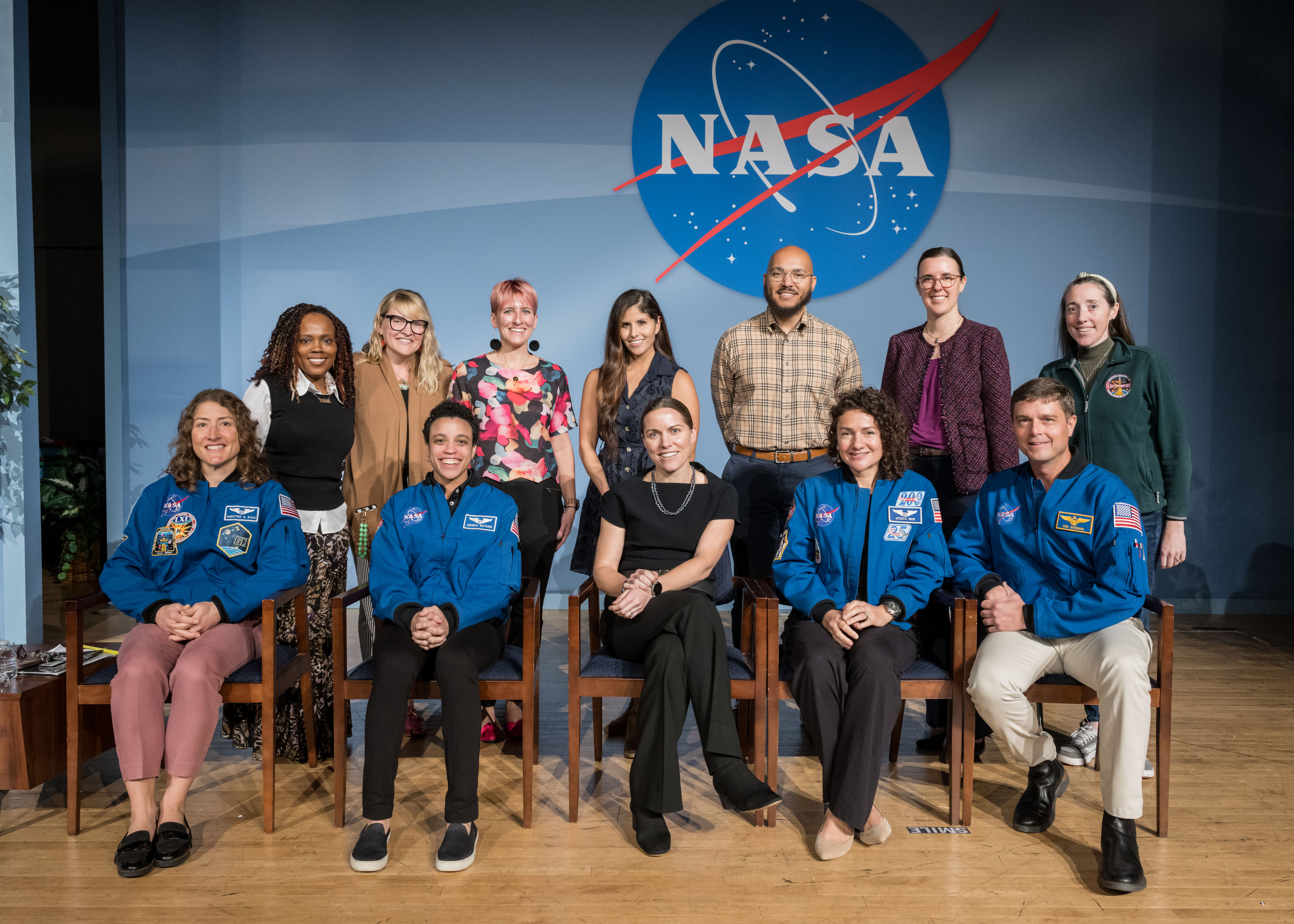
Her mentor’s influence extended beyond Schuh’s technical work. “Dr. Gamache was also a community builder outside of his professional life, and I’d like to think some of that rubbed off on me,” she said. That inspiration led her to found the Johnson Parenting community in 2020, which now includes more than 600 members who share support and resources for working parents across the center.
Schuh has learned that her work is about more than data—it is about people. “Being purposeful in taking time to listen and be willing to learn and collaborate has made all the difference for me,” she said. “Over time, I’ve learned a lot about perseverance. This work has required it, encouraging folks to utilize the Crew Comments Database and keeping the feedback process empowered and robust.”
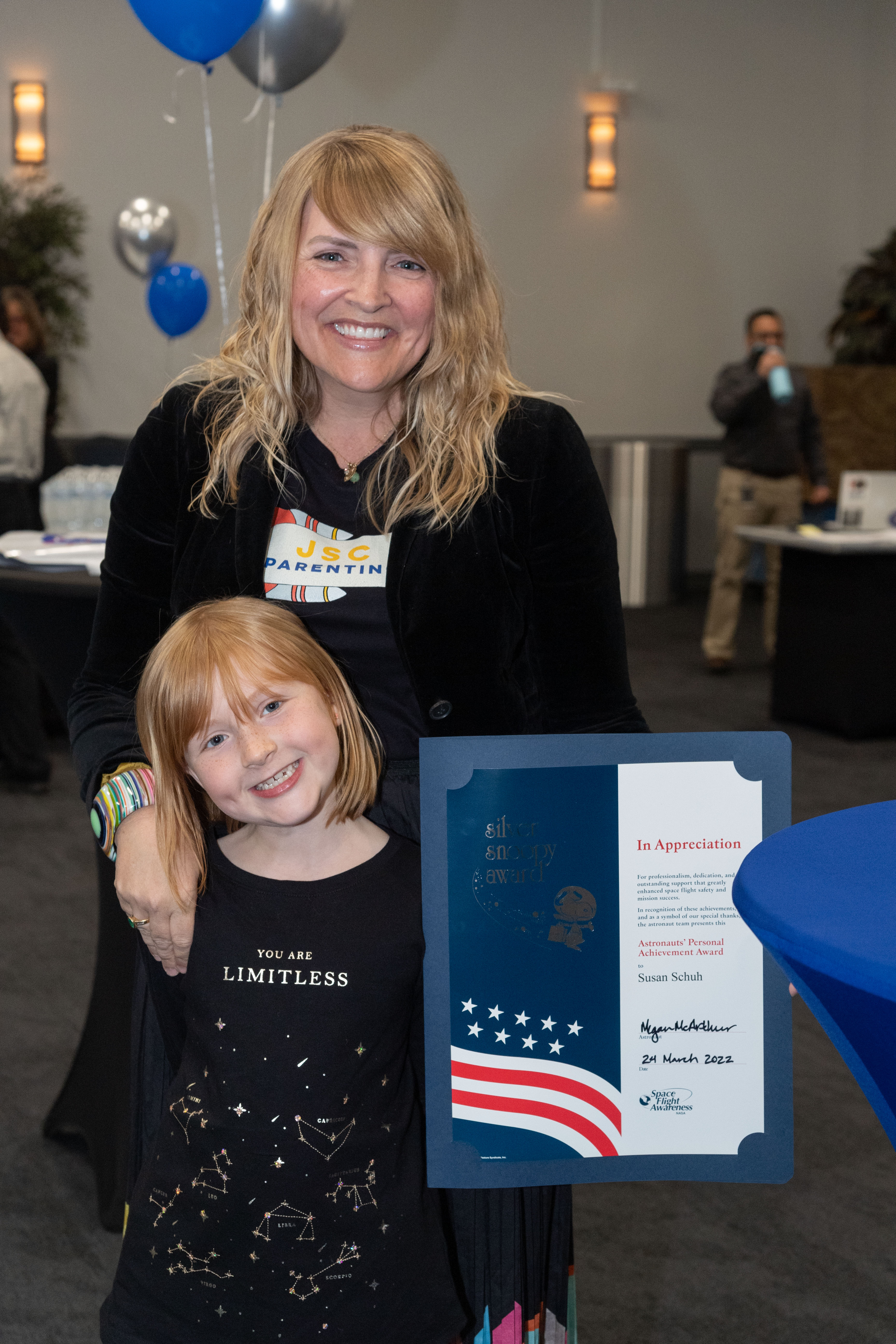
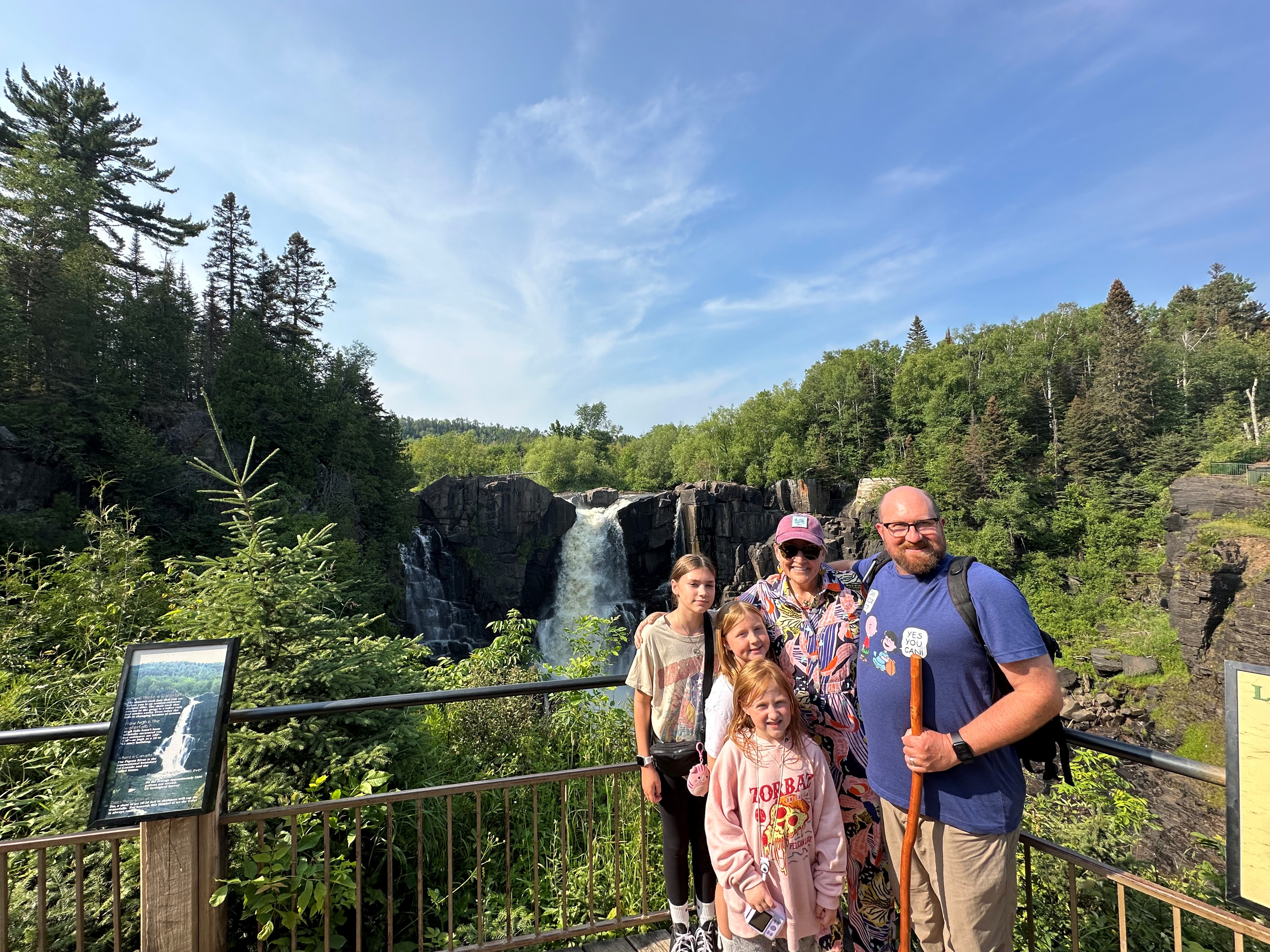
She is most proud of her family, known as Team Schuh—her husband, Scott, who works on the Orion Ascent Abort Mode Team, and their three daughters, Wilhelmina, Lorelei, and Franny. “They’re the reason I keep striving to balance work, family, and everything in between,” she said.
Finding that balance has been an ongoing struggle for her. “One of my biggest professional challenges, especially in the last 14 years since my oldest daughter was born, has been finding work-life balance,” she said. “I often struggle with creating boundaries and calling it a day at a reasonable time. I won’t pretend I have the secret recipe, but I’m working on it for sure.” Schuh credits the Johnson Parenting community for helping her and others along the way.
Outside of work, Schuh finds peace in the water and in nature. Her father, who worked in underwater engineering, taught her to scuba dive when she was 11. “We’ve taken some amazing multi-day trips together, including multiple visits to Cay Sal Bank,” she said. “He’s my favorite dive buddy, and I look forward to many more dive trips with him.”
Looking ahead, Schuh hopes to pass on that same sense of purpose she has found at NASA to the next generation. “Make connections and nurture them. It’s always cool to be kind,” she said. “Stay true to yourself and your values. Tell the people you admire how and why they inspire you.”