



Suggested Searches

Blogs

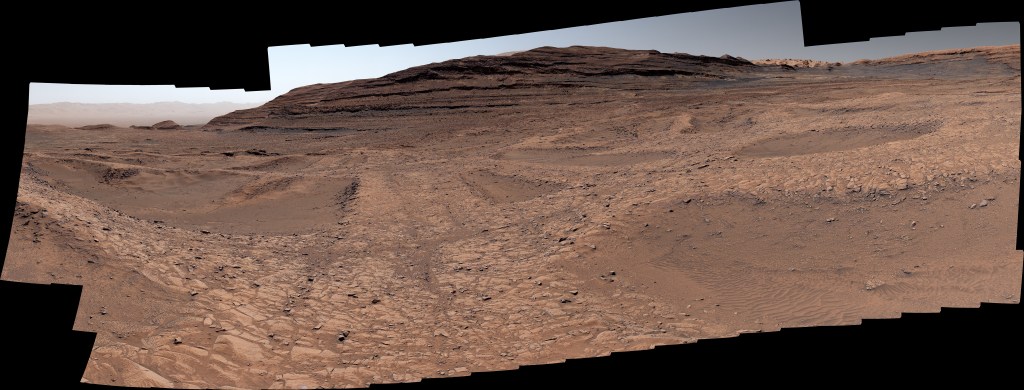
    Hands-on Research Gets Hot on HTHH, Tonga

    By Cameron Gallant and Katherine H. Webber /HUNGA TONGA-HUNGA HA’APAI, KINGDOM OF TONGA/ KATHERINE: Walking on deck, I welcomed our first sunny day at HTHH; however, upon reaching the island, I was greeted by hot black sand and an all-consuming heat that would last all day. Soon, as a part of the bird/vegetation team, Emily, …

    Read Full Post

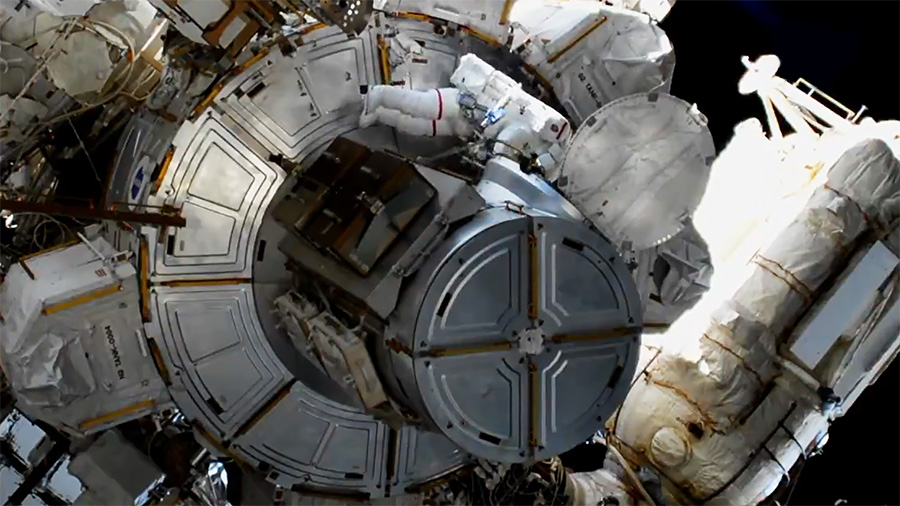
    The Second Power Upgrade Spacewalk Has Begun

    NASA astronauts Christina Koch and Andrew Morgan

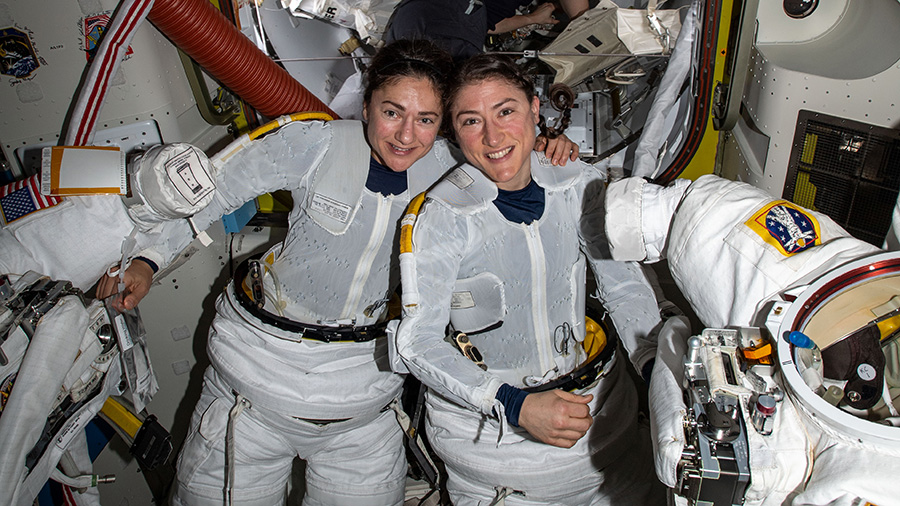
    Two NASA astronauts switched their spacesuits to battery power this morning at 7:38 a.m. EDT. Expedition 61 Flight Engineers Christina Koch and Andrew Morgan of NASA continue with the second in a series of five planned spacewalks dedicated to replacing batteries on the far end of the International Space Station’s port truss. The existing nickel-hydrogen batteries will be upgraded …

    Read Full Post

    NASA Astronauts Continue the Series of Spacewalks for Power Upgrades

    NASA astronauts Christina Koch and Andrew Morgan

      Expedition 61 Flight Engineers Andrew Morgan and Christina Koch of NASA will continue the series of spacewalks outside of the International Space Station at about 7:50 a.m. EDT to upgrade the station’s solar array batteries. Watch the spacewalk coverage now on NASA TV and the agency’s website. This is the second of five battery replacement spacewalks …

    Read Full Post

    ICON Begins Study of Earth’s Ionosphere

    A Northrop Grumman Pegasus XL rocket launched NASA’s Ionospheric Connection Explorer, or ICON, satellite at 9:59 p.m. EDT on Oct. 10 from Cape Canaveral Air Force Station (CCAFS) to study the dynamic zone in our atmosphere where terrestrial weather from below meets space weather from above. The satellite was attached to the Pegasus XL rocket, …

    Read Full Post

    ICON Flying Solo

    The Pegasus XL rocket has gone through each of its three stage motors, reaching a top speed of nearly 17,000 mph. ICON has now separated from the rocket to begin its mission, orbiting 360 miles above the Earth. Learn more about NASA’s ICON mission at: https://www.nasa.gov/icon

    Read Full Post

    Pegasus XL Second and Third Stages Do Their Jobs

    Following first stage separation, the second stage motor ignited 1 minute and 34 seconds after launch, burning for 1 minute, 14 seconds before shutting down and separating. At 7 minutes, 18 seconds after launch, the third stage engine ignited and will burn for 1 minute and 9 seconds.

    Read Full Post

    And Drop! NASA’s ICON is on Its Way

    We have ignition! Northrop Grumman’s Pegasus XL rocket is delivering ICON, NASA’s Ionospheric Connection Explorer satellite, on its journey to the boundary between Earth and space where terrestrial weather from below meets space weather from above. After reaching 39,000 feet, the rocket was dropped from the underside of the Northrop Grumman L-1011 Stargazer aircraft about …

    Read Full Post

    Stargazer Gearing up for Second Drop Attempt

    Northrop Grumman’s L-1011 aircraft, Stargazer, is making its way back to the drop box – a 40-mile long area that the company’s Pegasus XL rocket can be dropped in. Secured in the rocket’s payload fairing in NASA’s Ionospheric Connection Explorer (ICON) – a satellite developed to study the Earth’s ionosphere, where terrestrial weather from below meets …

    Read Full Post

    First Launch Opportunity Waved off Due to Aircraft Communication Issues

    The first launch opportunity of a Pegasus XL rocket, carrying NASA’s Ionospheric Connection Explorer (ICON), was skipped due to communication issues between the ground team at Cape Canaveral Air Force Station in Florida and Northrop Grumman’s L-1011 aircraft, Stargazer. The launch team is re-evaluating; the launch window remains open until 10:55 p.m. EDT.

    Read Full Post

    Stargazer Enters the Drop Box

    Northrop Grumman’s Stargazer aircraft, carrying the company’s Pegasus XL rocket with NASA’s Ionospheric Connection Explorer (ICON), has entered the drop box – a 40-mile long area that the rocket can be dropped in. At this point, Stargazer has reached the required altitude of 39,000 feet. In just a few moments, the rocket will drop from …

    Read Full Post