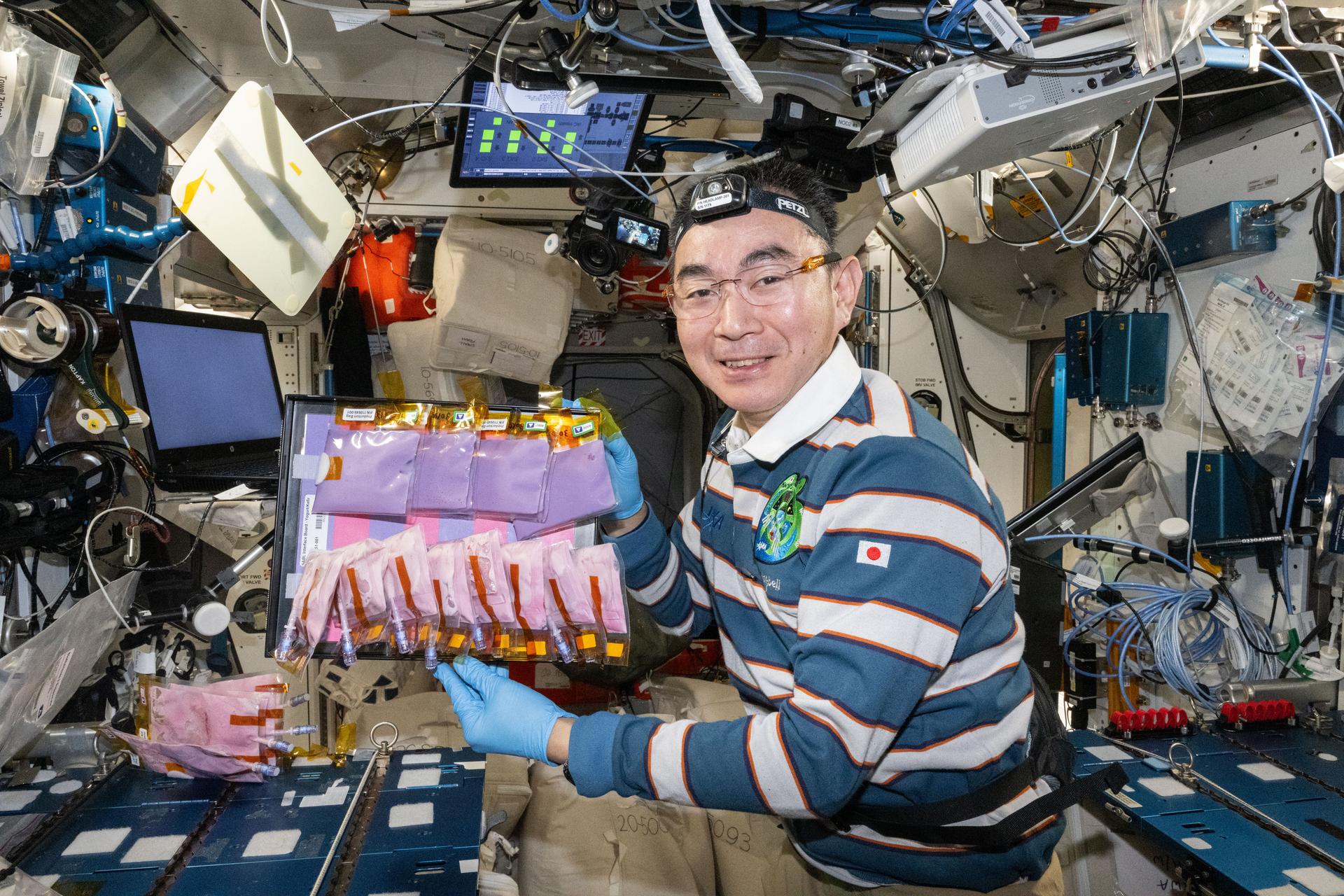

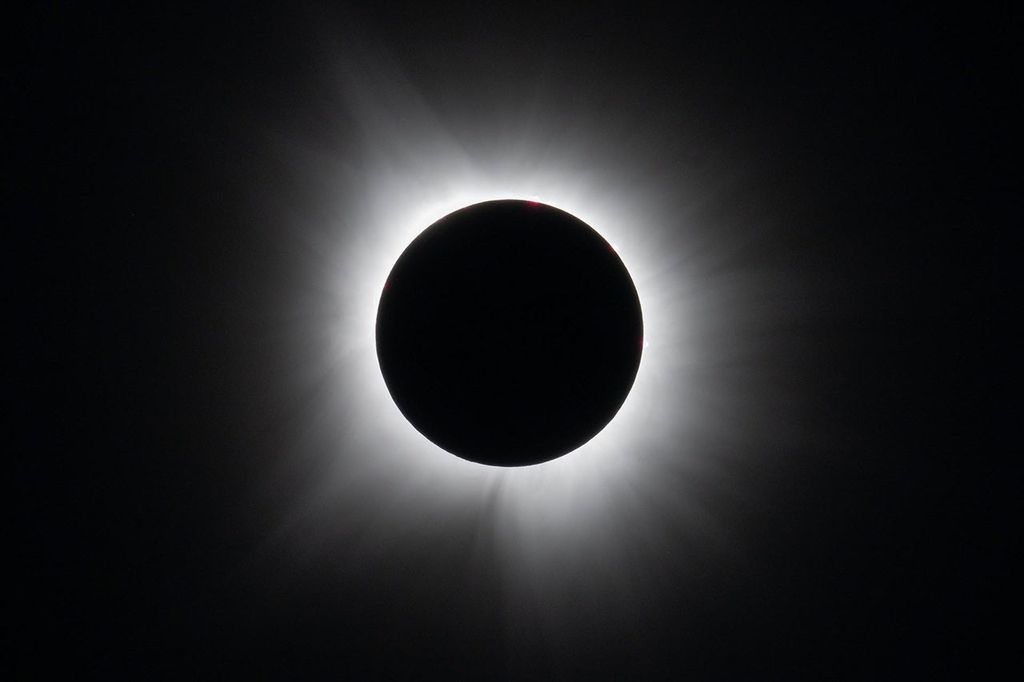
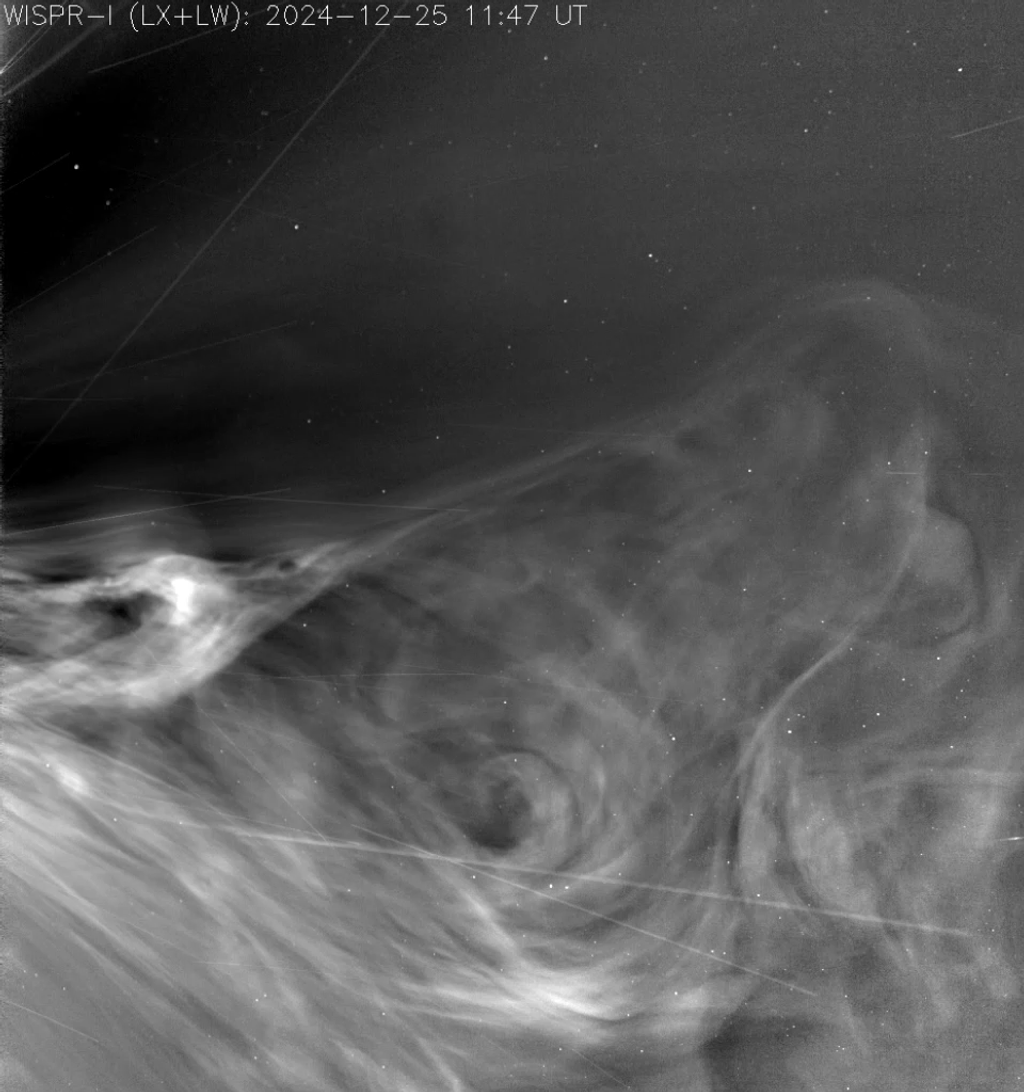
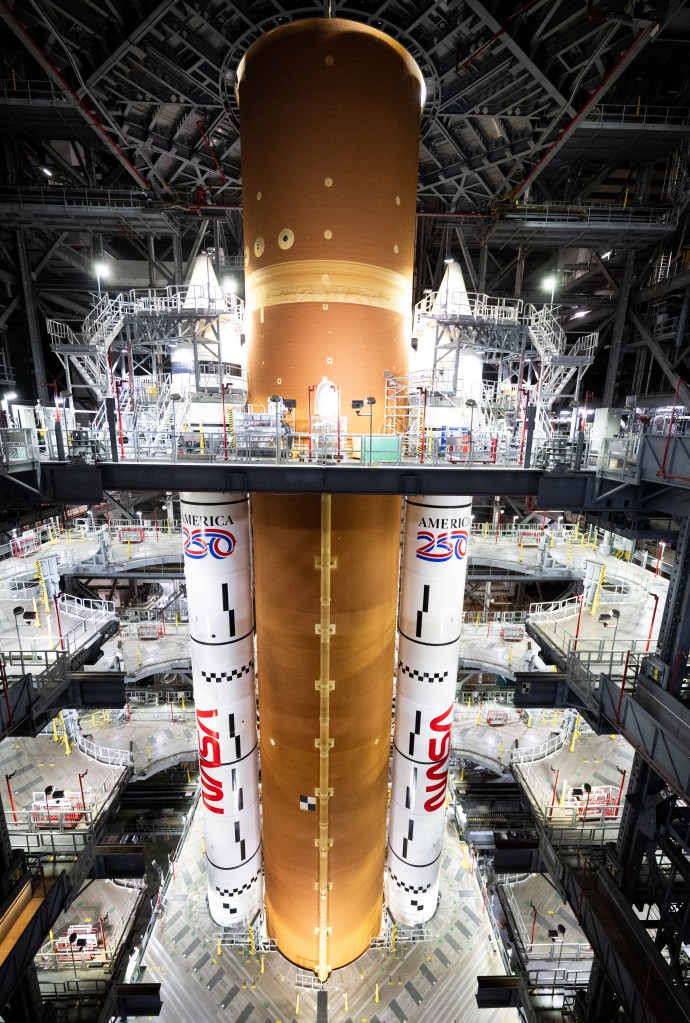


Your challenge is to use the comments section to tell us where it is, what we are looking at, and why it is interesting.
March Puzzler
Read Full Post

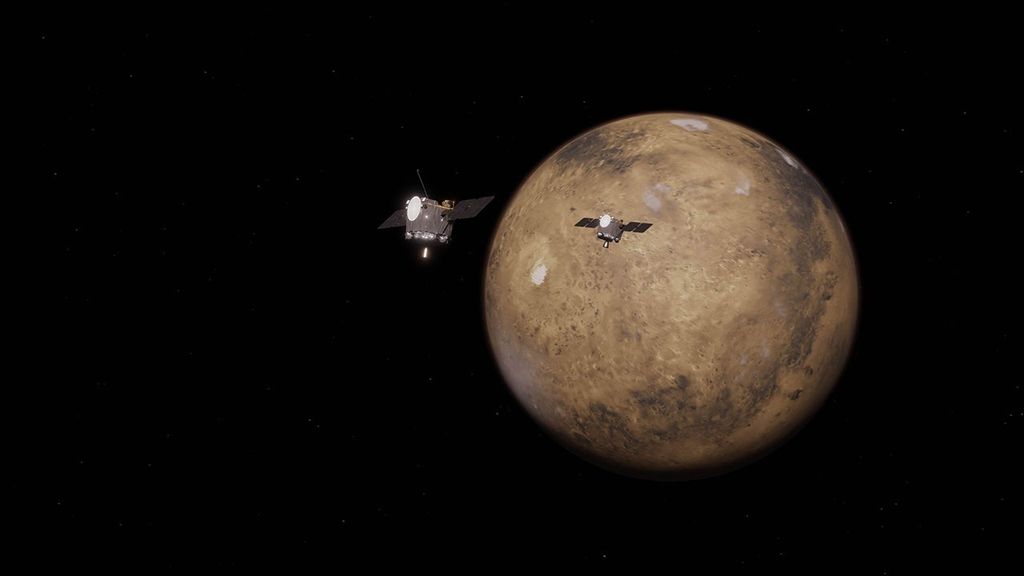

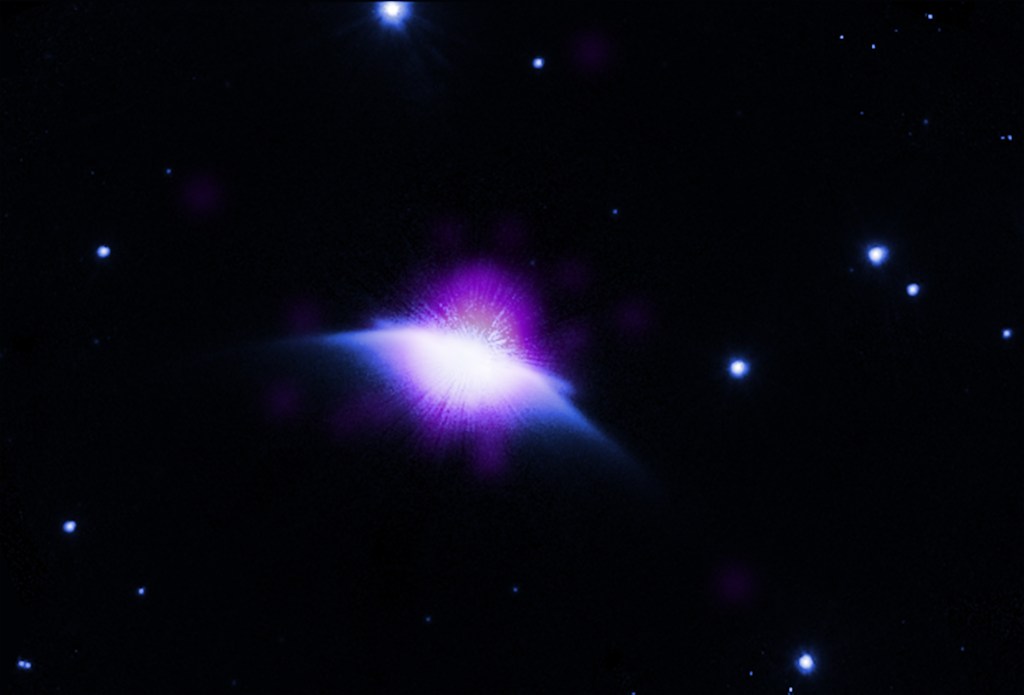
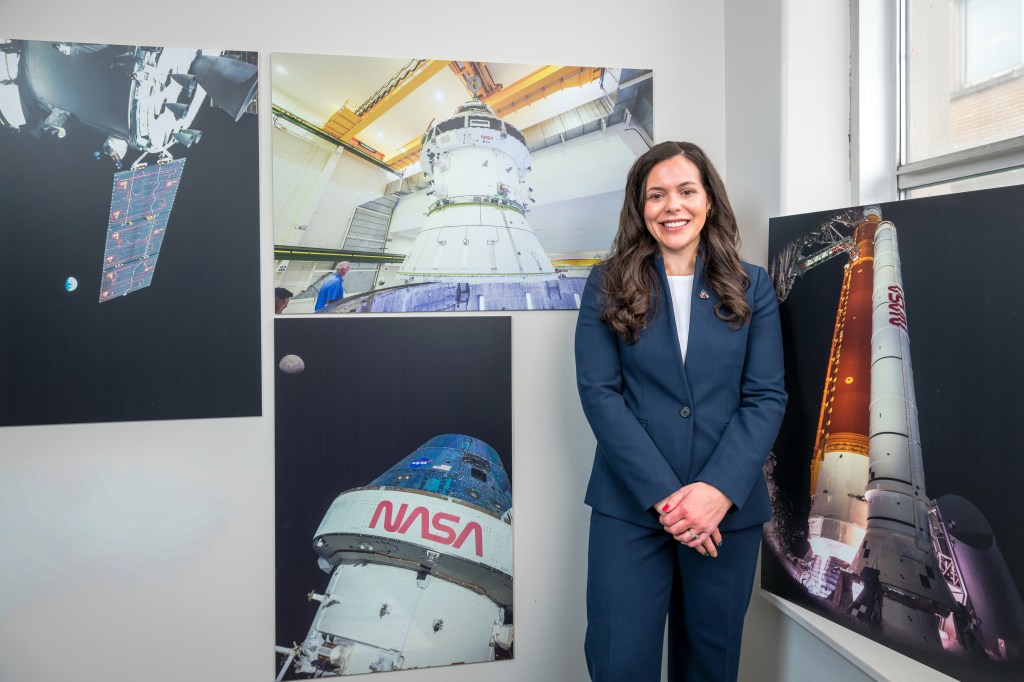
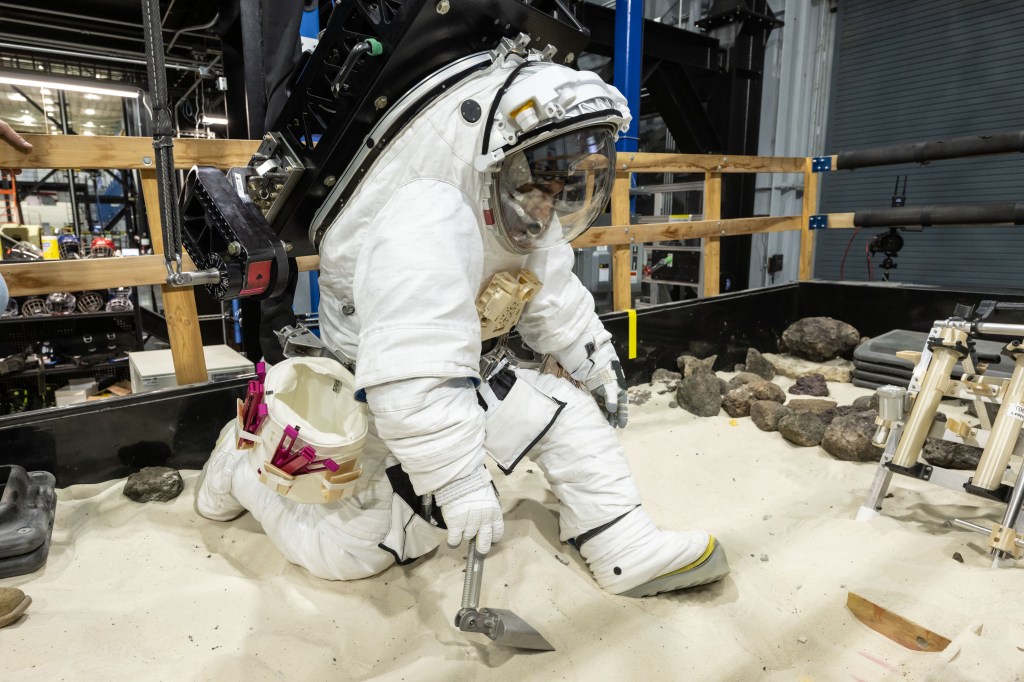
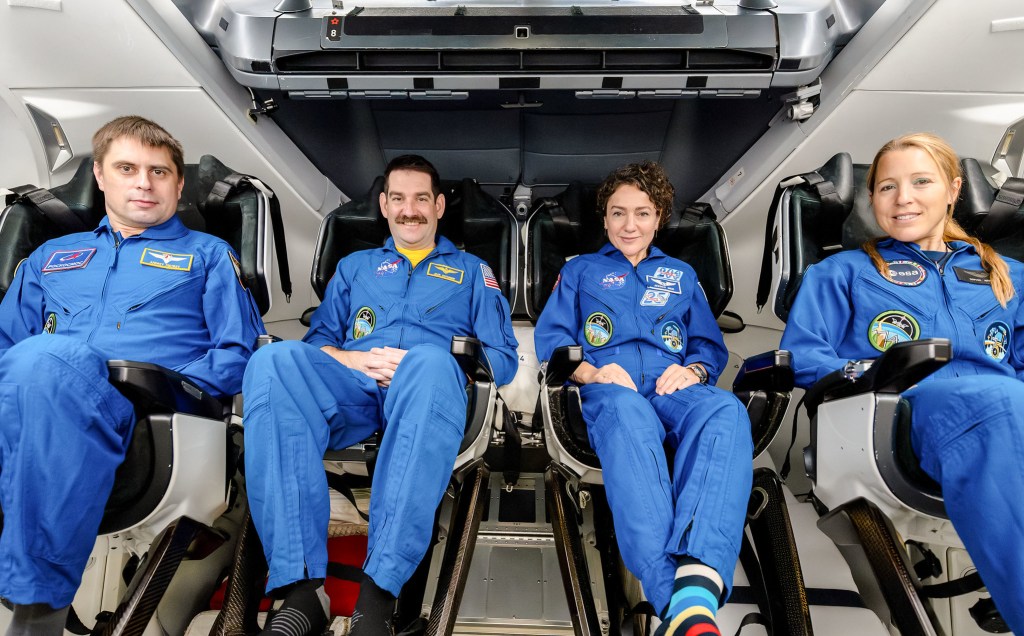
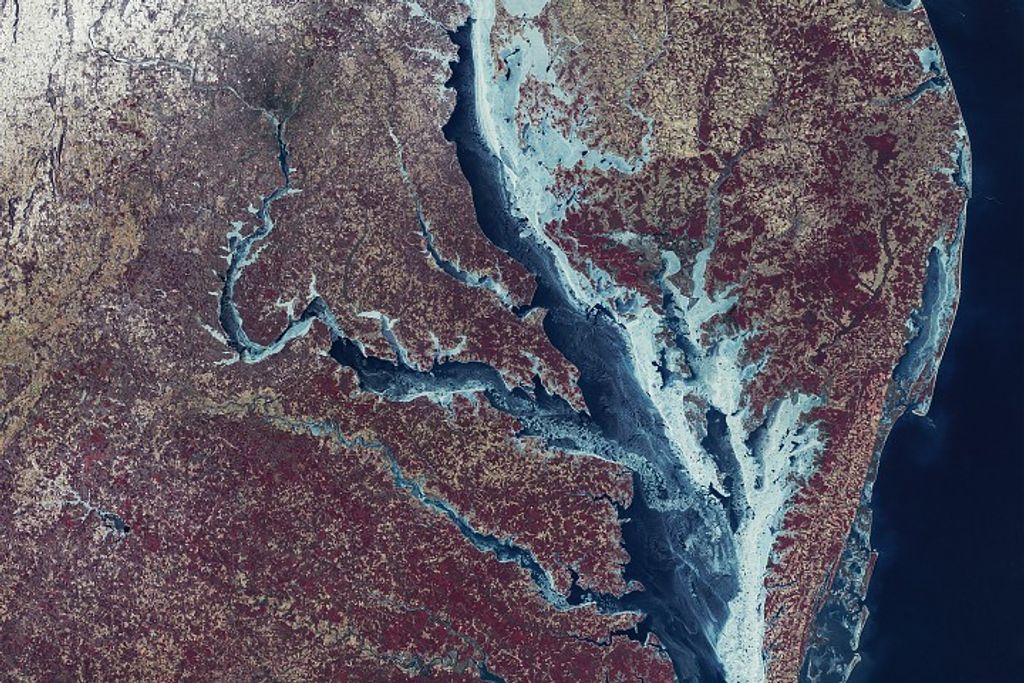

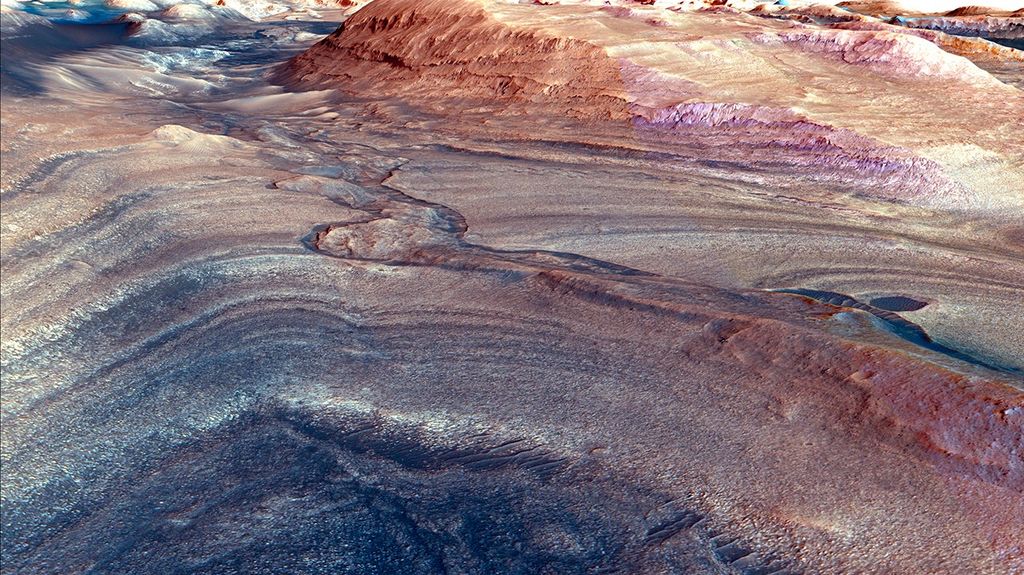
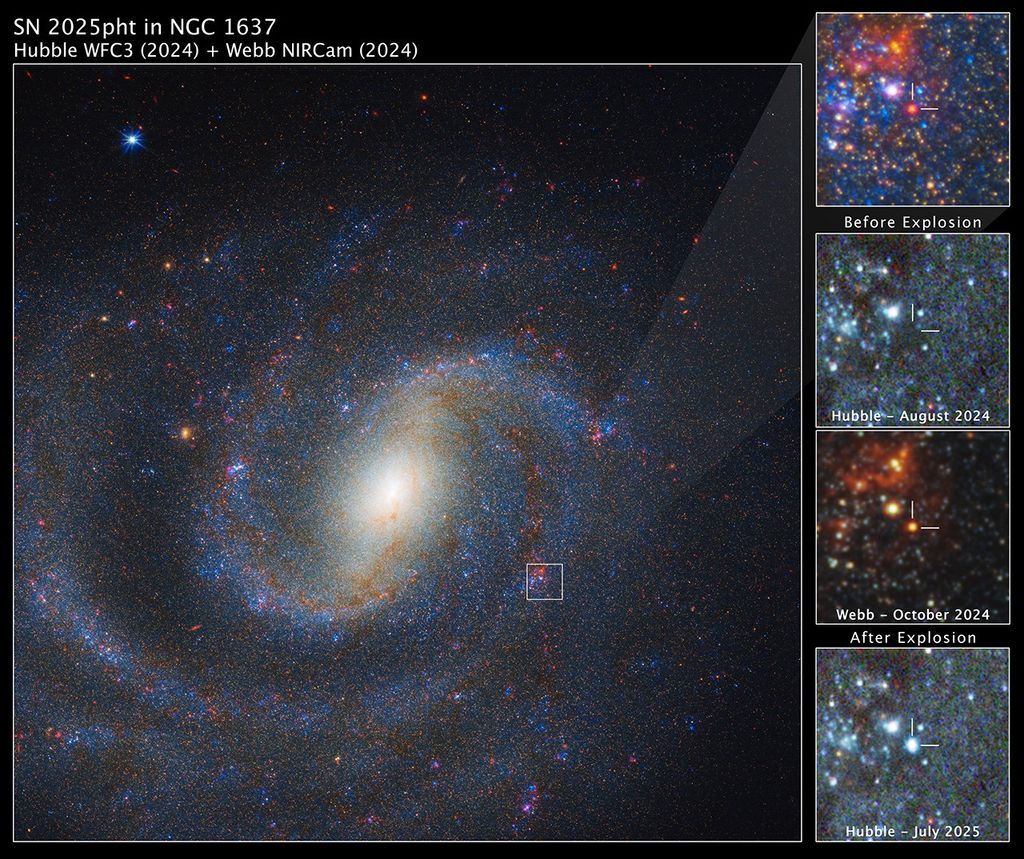
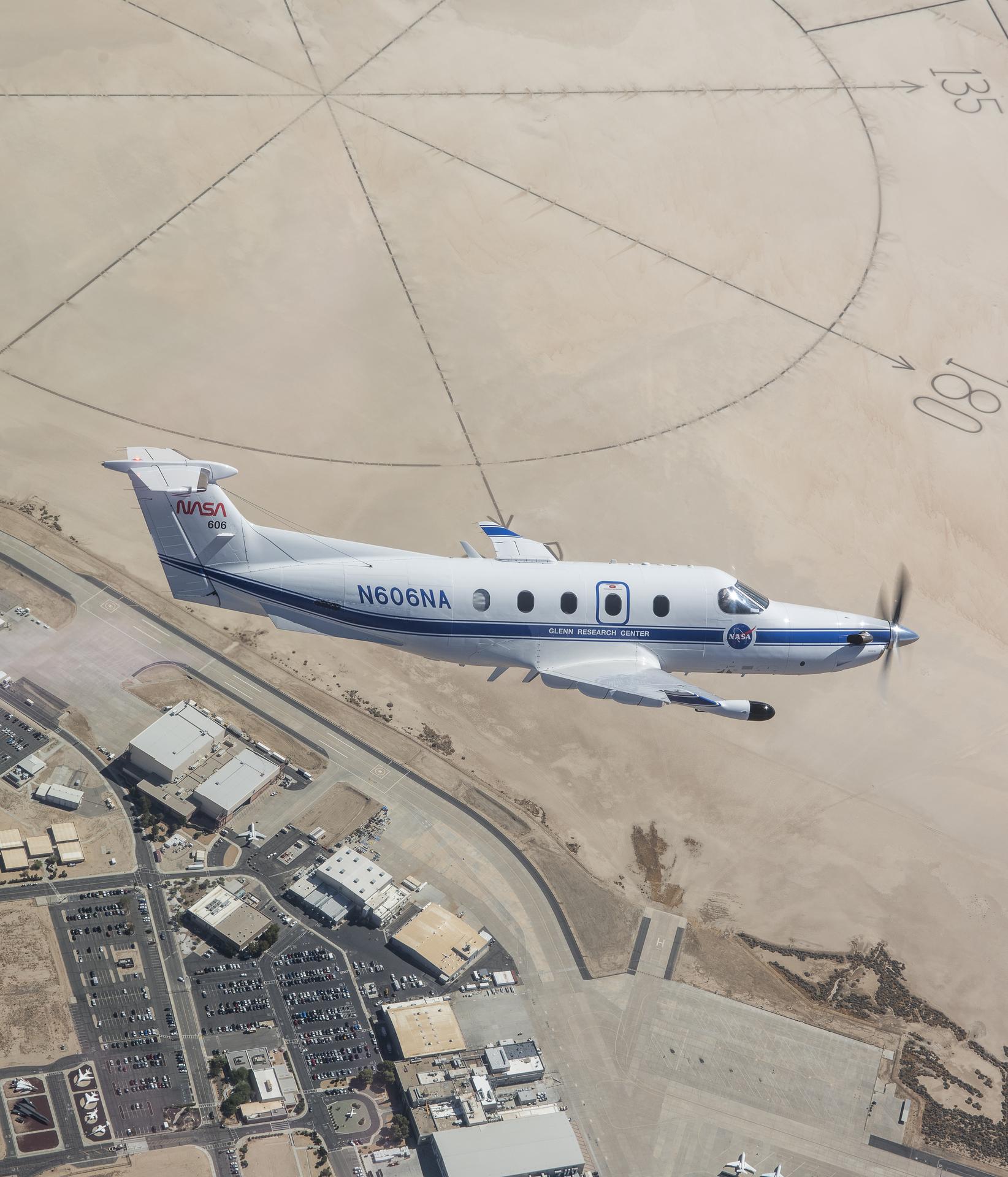
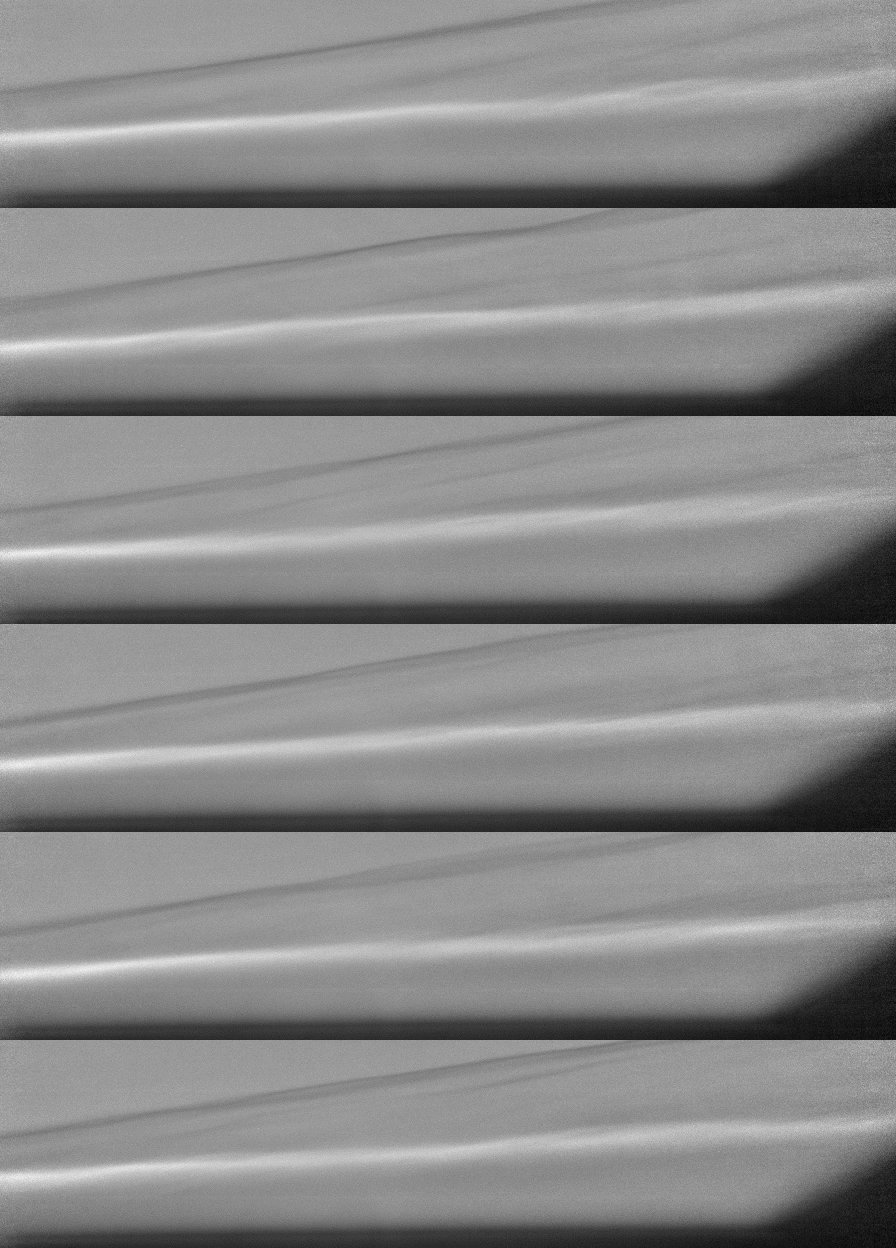
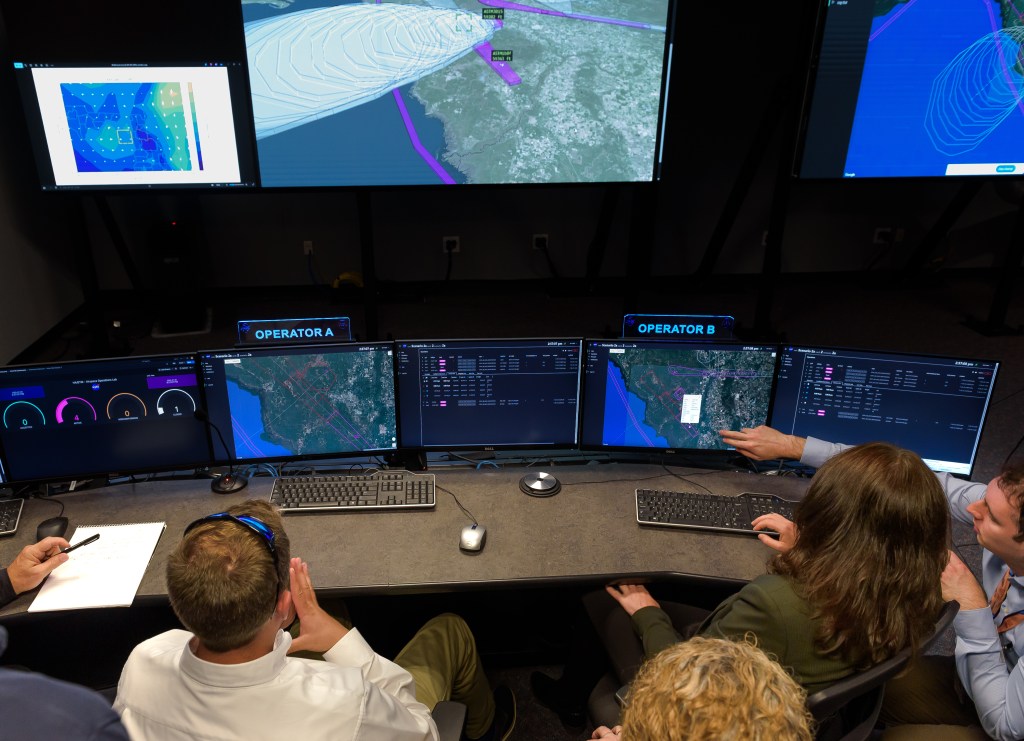
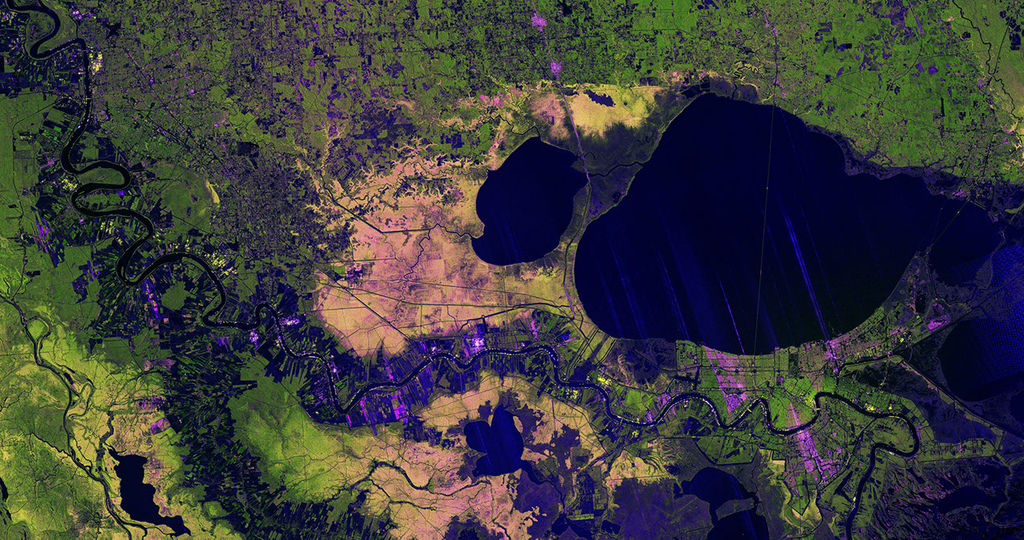
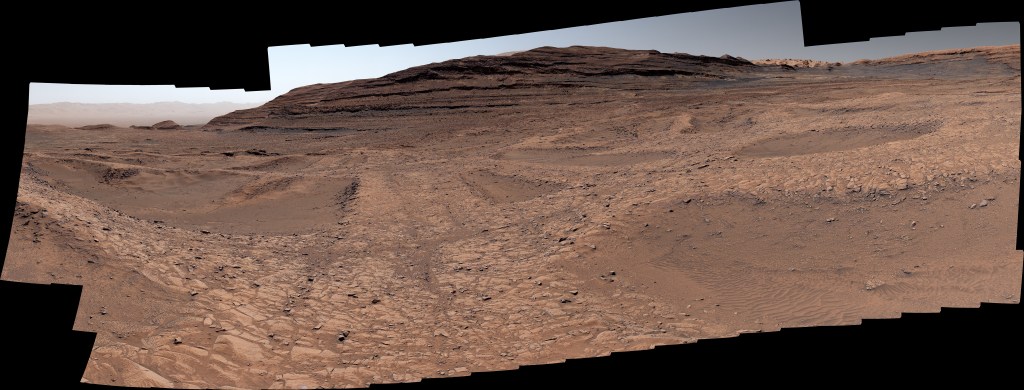
Your challenge is to use the comments section to tell us where it is, what we are looking at, and why it is interesting.
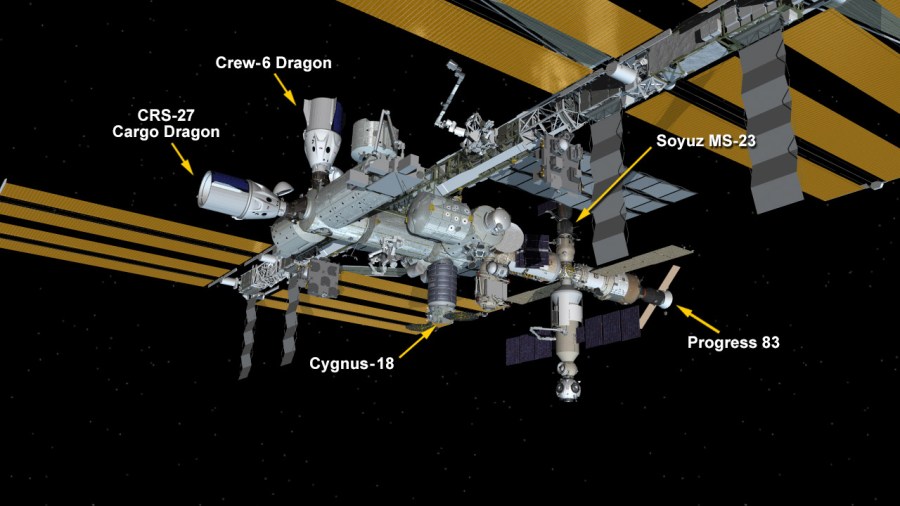
The uncrewed Roscosmos Soyuz MS-22 spacecraft made an automated, parachute-assisted landing in Kazakhstan at 7:46 a.m. EDT (5:46 p.m. Kazakhstan time) on Tuesday after undocking from the International Space Station at 5:57 a.m. Remaining aboard the station is the seven-person crew of Expedition 69 with Station Commander Sergey Prokopyev of Roscosmos, NASA astronauts Stephen Bowen, Woody …
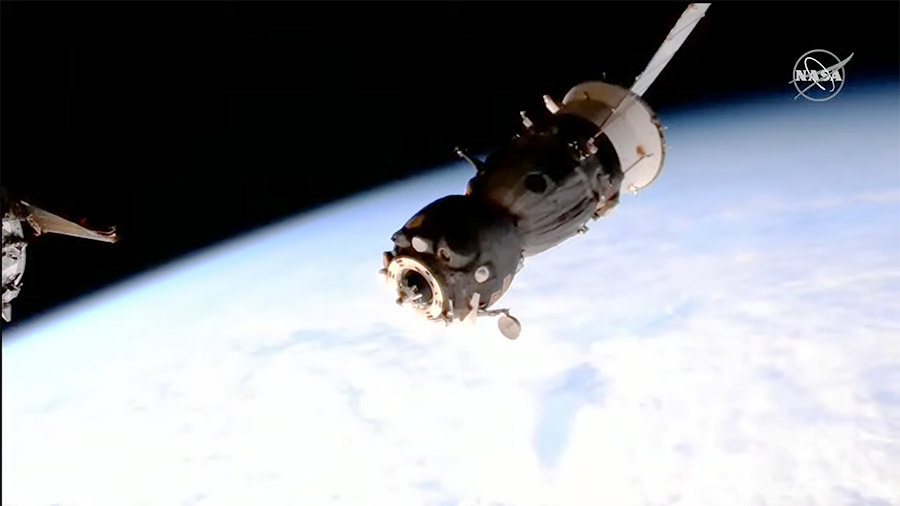
The uncrewed Roscosmos Soyuz MS-22 spacecraft undocked from the International Space Station at 5:57 a.m. EDT, heading for an automated, parachute-assisted landing in Kazakhstan at 7:45 a.m. (5:45 p.m. Kazakhstan time). Expedition 69 officially began aboard the station at the time of undocking. Roscosmos cosmonaut Sergey Prokopyev is the station commander for the crew consisting …
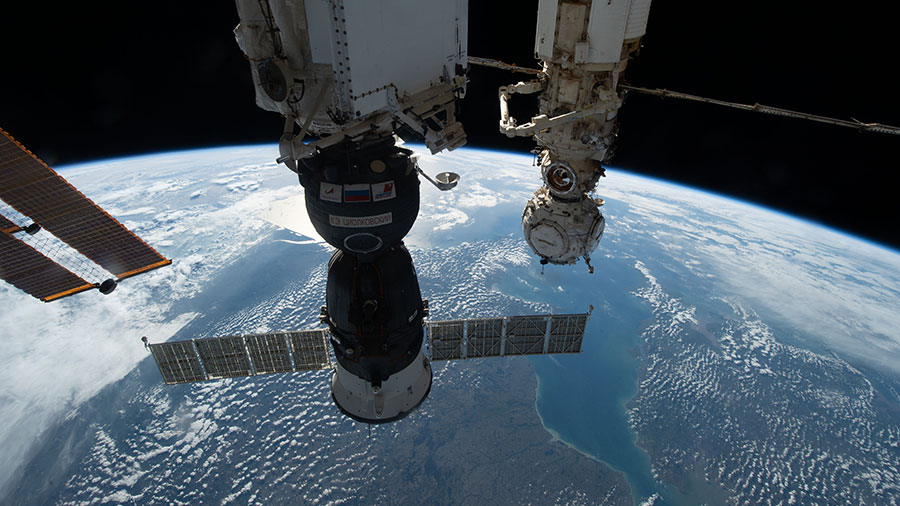
NASA is providing live coverage on NASA TV, the agency’s website, and the NASA app of the undocking and departure of the uncrewed Roscosmos Soyuz MS-22 spacecraft from the International Space Station. The spacecraft is scheduled to undock at 5:57 a.m. EDT, heading for an automated, parachute-assisted landing in Kazakhstan at 7:45 a.m. (5:45 p.m. Kazakhstan time). There will be no televised coverage of the deorbit burn …
An uncrewed Soyuz crew ship will depart the International Space Station on Tuesday morning. In the meantime, the seven-member Expedition 68 crew focused on new science experiments and hardware recently delivered aboard the SpaceX Dragon cargo vehicle. Three space station residents who arrived at the orbiting lab on Sept. 21 last year aboard the Soyuz …
Payloads: Engineered Heart Tissues-2: A media change, sampling and assigned treatment dosing was performed on each Tissue Chamber on Saturday. Engineered Heart Tissues-2 continues work with 3D cultured cardiac muscle tissue to assess human cardiac function in microgravity. Previous work with 3D cultures in space detected changes at the cellular and tissue level that could …
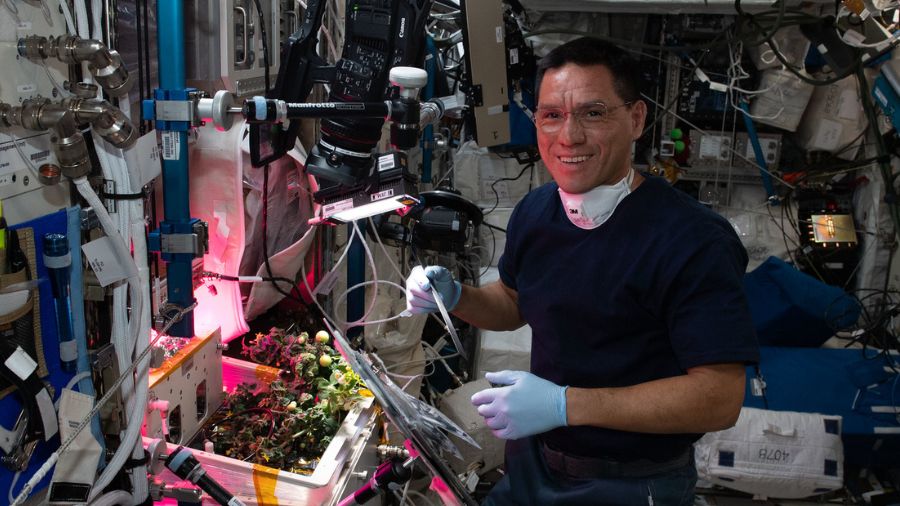
The Expedition 68 crew members conducted space health experiments and prepared for the final plant harvest aboard the International Space Station while inspiring the next generation of explorers in a virtual robotics competition. NASA Flight Engineer Woody Hoburg spent most of his day installing tissue cassettes for the BFF-Meniscus-2, an investigation to print and culture a meniscus using the BioFabrication facility …
Payloads: BioFabrication Facility (BFF): Tissue Cassettes were installed into BFF. Using 3D biological printers to produce usable human organs has long been a dream of scientists and doctors around the globe. However, printing the tiny, complex structures found inside human organs, such as capillary structures, has proven difficult to accomplish in Earth’s gravity environment. To …

The study of exoplanets is a key part of the James Webb Space Telescope’s science goals. We asked Webb’s Deputy Observatory Project Scientist Christopher Stark of NASA’s Goddard Space Flight Center to tell us about one of the ways Webb studies other worlds. NASA’s James Webb Space Telescope has many different observing modes to study …
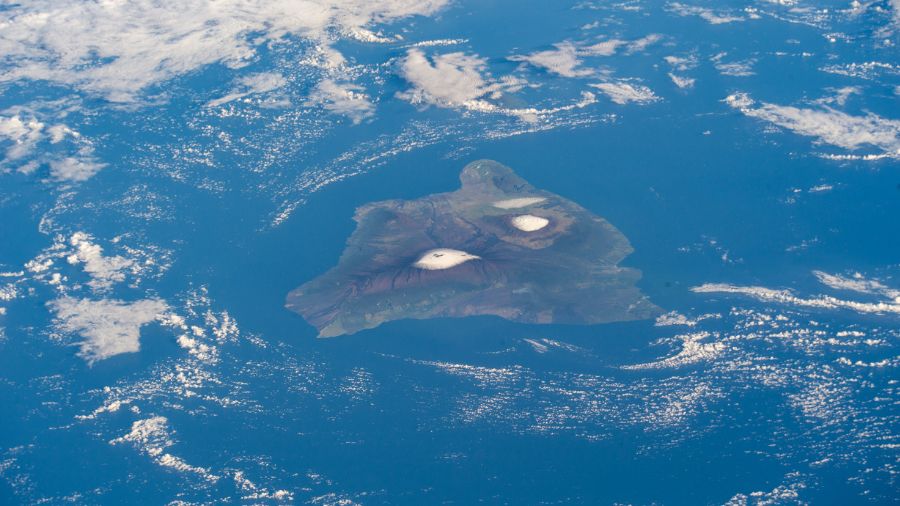
Since the earliest days of the International Space Station expeditions, student groups in schools, camps, museums, and planetariums have had the opportunity to talk with astronauts aboard the orbital laboratory about career choices and science activities. On Thursday, NASA Flight Engineer Woody Hoburg conducted an ISS Ham Radio (ARISS) session with Lana’i High and Elementary School, in …